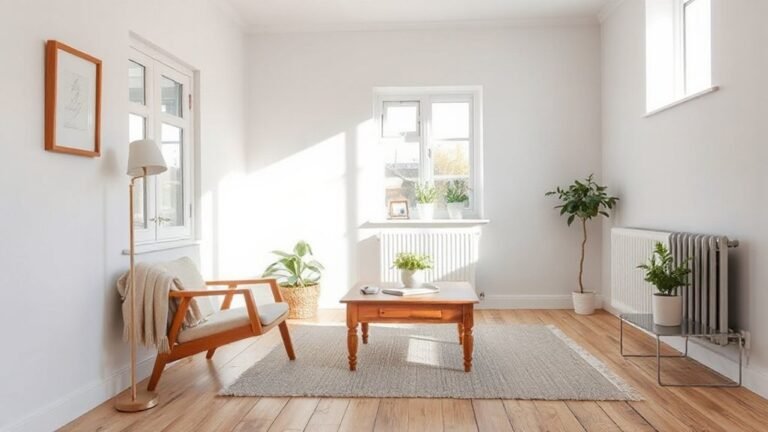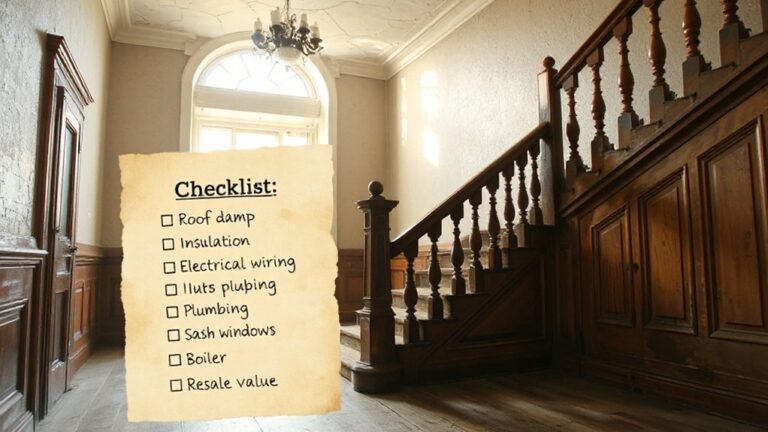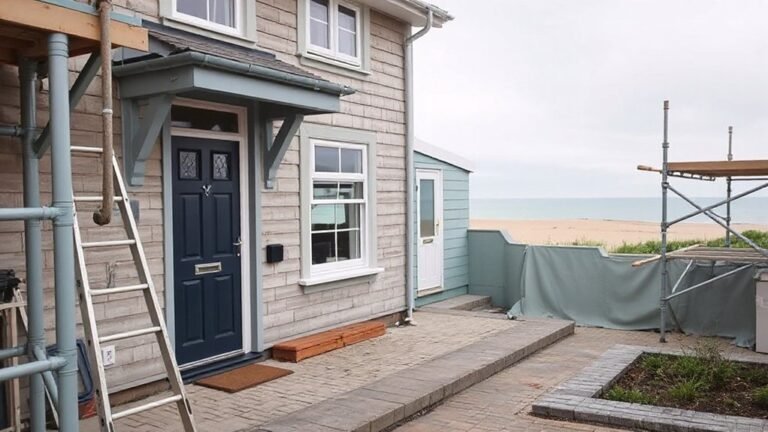
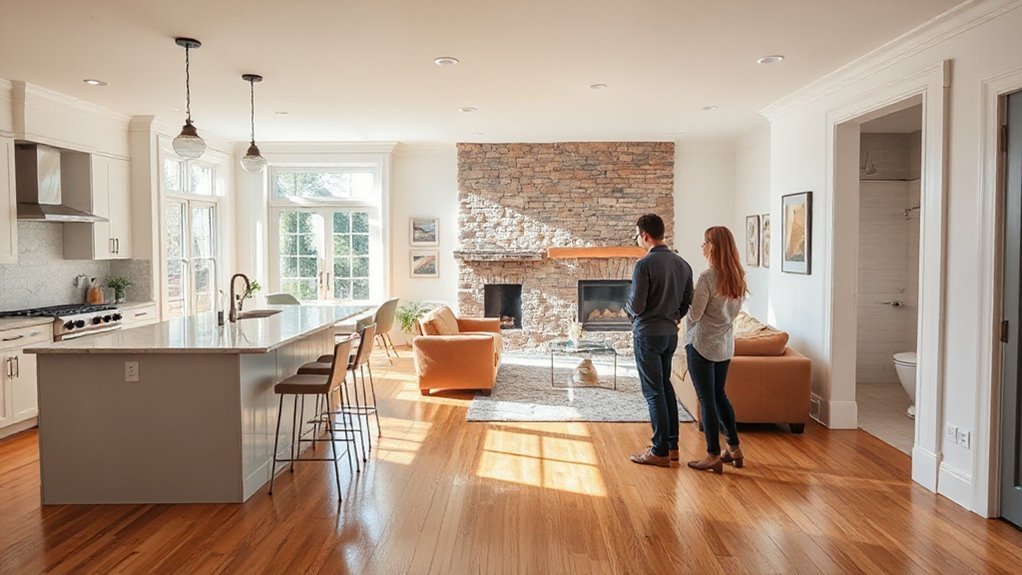
When you tour newly renovated homes, you’ll notice open layouts that fluidly connect the kitchen, dining, and living areas, with clear sight lines and logical traffic patterns. You’ll value clearly defined zones for cooking, relaxing, and work, plus purposeful storage tucked where you actually need it. Look for durable finishes, slip-resistant floors, and cohesive hardware and lighting. Check build quality—proper moisture management, tight tolerances, and clean electrical/plumbing runs. If you want more specifics, you’ll find them as you explore further.
Which Layouts in Renovated Homes Best Support Daily Living
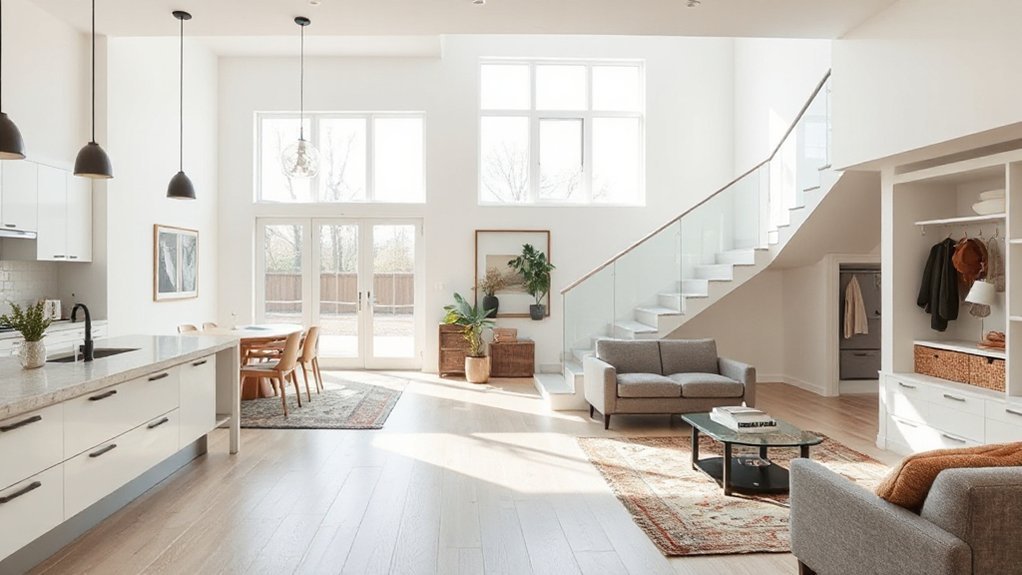
When evaluating layouts in renovated homes, prioritize how space supports daily routines. You’ll want layouts that minimize friction between morning wake-ups, cooking, work, and homework.
Open floor plans foster fluid flows between kitchen, dining, and living areas, helping you supervise kids, entertain guests, and adapt for casual work without feeling siloed. Prioritize clear sight lines and logical traffic patterns so you never chase hallways or double back to complete tasks.
Consider zones that logically separate quiet work from social activity, reducing noise spill and distractions. Storage should be purposeful, with reachable locations for everyday items.
Think about private retreats: a calm bedroom suite or reformulated bath that offers respite after busy days. The right configuration balances sociability with retreat, enhancing daily living.
How Renovations Translate Into Practical, Everyday Spaces
Renovations translate to everyday practicality by converting design ambitions into tangible, usable space. You’ll notice how a thoughtful flow turns a broad open plan into clearly defined zones for cooking, dining, and relaxing, without crowding.
Storage is tucked into true needs, not afterthought niches, so you move easily from prep to cleanup. The decor style you pick should support function as much as mood, from durable counters to slip-resistant floors, ensuring daily use remains effortless.
Spaces feel cohesive because proportions and sightlines guide furniture placement, reducing friction when friends arrive or you multitask. Aesthetic appeal gains substance when finishes, hardware, and lighting align with real routines, enhancing comfort and perceived value.
In renovated spaces, practicality and style reinforce each other, delivering consistent, livable outcomes.
What Build Quality Signals Durability in Renovated Homes
Durability in renovated homes starts with solid framing and proper moisture management; you’ll spot it in tight tolerances, quality fasteners, and continuous sheathing that resists movement over time. When you inspect construction materials, look for corrosion-resistant hardware and properly sealed joints that prevent leaks.
Craftsmanship quality shows in precise alignment of studs, plumb walls, and clean, gap-free finishes that endure seasonal shifts. Pay attention to roof and window flashing, as well-sealed penetrations, which guard against water intrusion.
Electrical and plumbing runs should sit cleanly within walls, not hog space or create stress points. Floors stay straight when subflooring is solid and fastened, reducing squeaks and deflection.
Storage Solutions That Truly Work in Renovated Homes
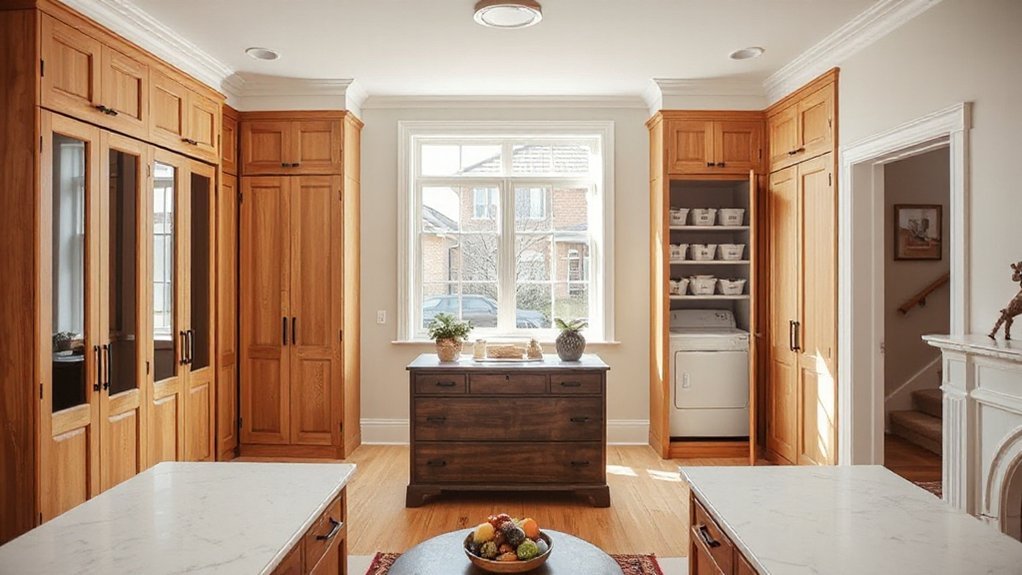
Smart storage in renovated homes isn’t about gimmicks; it’s about maximizing usable space with thoughtfully integrated solutions. You’ll prioritize hidden compartments for clean lines and minimal clutter, like lift-up desks, under-stair stowage, and bed bases with built-in drawers.
Custom shelving lets you tailor every inch, supporting reach and accessibility while avoiding wasted space in awkward corners. In kitchens, pull-out pantry dividers and corner carousel systems keep essentials visible and organized without crowding counters.
Laundry and mudroom areas benefit from overhead rack storage and labeled bins to speed routines. Flexible closets with adjustable rods and modular shelving adapt as needs change.
Finish details matter: soft-close hardware and durable finishes reduce wear, preserving function and value over time.
Lighting, Flow, and Flexibility for Future Living
Lighting, flow, and flexibility aren’t afterthoughts when you’re planning future-ready spaces; they’re the framework that keeps a home livable as needs change. You prioritize environments that adapt: rooms with open sightlines, scalable layouts, and sensible traffic patterns that feel intuitive now and later.
Lighting ambiance matters—layered schemes with dimmable, energy-efficient options help moods and tasks, from homework to entertaining. Target adjustable zones: multipurpose spaces, outlets where you’ll actually use them, and minimal noise from doors or HVAC.
Guarantee circulation isn’t bottlenecked by awkward corners or fixed furniture. Build in future flexibility with modular furniture, removable walls, and smart controls that don’t overcomplicate life.
When touring, note how daylight shifts, how transitions feel, and whether you’d remodeling-free redesigns suit your evolving needs.
Key Systems and Materials to Inspect in Renovations
When you tour, start with the electrical system to verify panel capacity, wiring age, and safety features like GFCI outlets and proper grounding.
Check structural and material quality by looking for solid framing, moisture signs, and quality finishes that hint at long-term durability.
Prioritize noting any inconsistencies between what’s promised and what’s visible, so you can assess overall integrity and reliability of the renovation.
Electrical System Checks
- Electrical safety indicators
- Panel and breaker age
- Grounding and bonding status
- AFCI/GFCI protection presence
- Wiring upgrades and future-proofing plans
Structural and Material Quality
Structural integrity and the quality of materials matter most because they determine long-term reliability and safety after renovations. When you tour, assess the structural framework, framing condition, and load-bearing walls for signs of distress, cracks, or settlement.
Look at foundation stability by checking for persistent bowing, uneven floors, or doors that don’t latch properly. Inspect roofing and attic components for proper insulation, ventilation, and evidence of leaks that could compromise framing.
Review mechanicals connected to the shell—waterproofing, flashing, and dampness control—to prevent future damage. Examine finishes for material longevity, corrosion, and wear on essential systems like plumbing and HVAC.
Ask for recent soil tests, permits, and warranties. A well-executed structure supports guaranteed performance and protects your investment.
Essential Buyer Questions to Verify Real Value Behind the Showpiece
Here are essential questions to verify real value behind a showpiece: start with the basics, then probe deeper into construction quality, systems, and long-term costs. You’ll assess materials, finishes, and workmanship, then move to accessibility, maintenance plans, and warranties.
Ask about HVAC age, insulation value, and electrical panel capacity. Verify plumbing integrity, water pressure, and drainage. Probe for system redundancies, energy efficiency, and potential upgrade timelines.
Consider ongoing costs, insurance impact, and resale value. Finally, evaluate DIY maintenance feasibility and exterior curb appeal strategies that protect value over time.
- What warranties stay with the home, and what’s excluded?
- How old are the major systems, and when were they serviced?
- What’re annual maintenance costs for you here?
- Are DIY maintenance tasks clearly feasible for you?
- How does exterior curb appeal align with long-term value?
Frequently Asked Questions
How Long Have the Renovations Lasted and Been Under Warranty?
The renovations have lasted X years and are under a warranty that covers major systems. You’ll appreciate the historical preservation and aesthetic appeal, with detailed documentation, timeline, and contractor guarantees, ensuring ongoing reliability and confidence during your purchase decision.
Are Energy Savings Claims Backed by Permits and Invoices?
Yes, energy claims must be supported; guarantee permit verification and invoices back them up, so you’re not surprised. You’ll verify numbers, cross-check dates, and compare documentation to disclosures, avoiding overstatements while keeping expectations realistic and compliant.
What Costs Are Not Included in the Renovation Price?
Hidden costs aren’t in the renovation price, and you’ll pay for permits, design fees, and furnishings separately; contractor warranties may cover labor and materials under specific terms, but exclusions apply, so review contracts carefully to avoid surprises.
Have Any Structural or Foundational Issues Been Addressed?
Yes—the foundation inspection confirms issues are addressed, and the team notes concrete repairs, underpinning, or footer work. You’ll see documented structural improvements, load-bearing assessments, and compliance with code, ensuring long-term stability and safety for your purchase.
What Are the Maintenance Requirements for New Materials?
One in four homeowners underestimate maintenance needs for new materials, triggering costly surprises. Maintenance schedules clarify expected care, while material durability guides durability expectations. You’ll follow manufacturer guidelines, perform regular inspections, protect surfaces, and schedule annual professional checkups.
Conclusion
You’ll fall for glossy finishes and designer layouts, won’t you? But don’t forget the quiet truth: the real value hides in durable build, smart storage, and reliable systems, not just the showpiece. You’ll measure spaces, scrutinize materials, and question warranties—yet the strongest signal is what’s invisible: how renovation choices endure daily use. So yes, admire the sparkle, then demand substance. If you can spot the practical from the pretty, you’ve already bought smarter than the tour promised.
About the Author