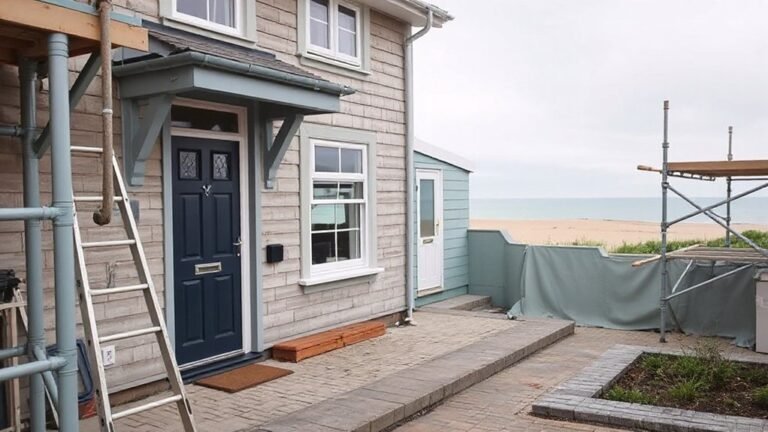
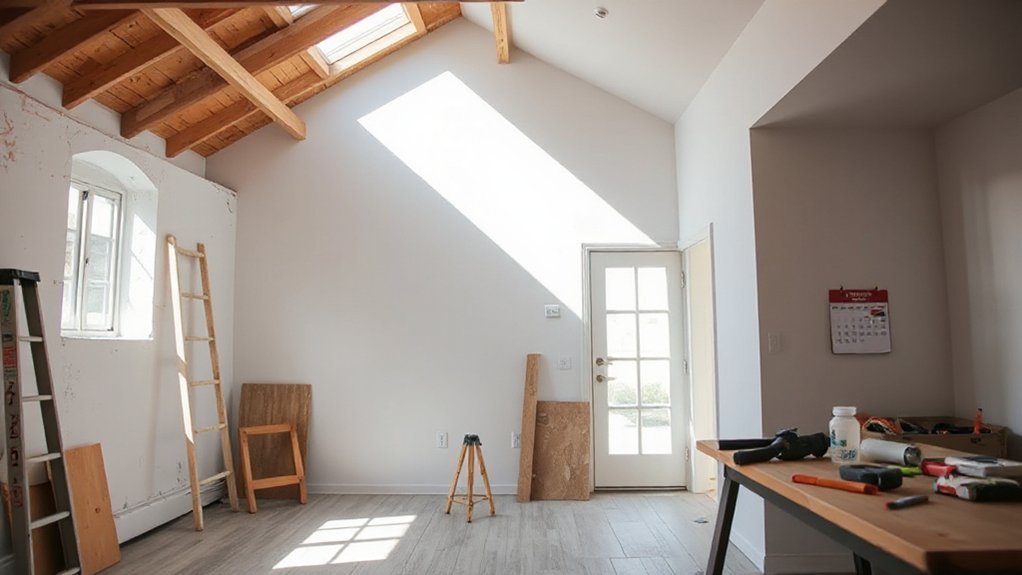
You can orchestrate fast, predictable rental turnovers by mapping a phased renovation timeline that prioritizes safety, cost control, and high-impact updates while coordinating trades and timelines to keep move-ins on track. Start with constraints and quick wins to define non-negotiables, bottlenecks, and a single plan. Break work into assessment, prep, refresh, and finish, with milestones and owners. Focus on paint, durable flooring, lighting, and neutrals, then lock in dates and review progress weekly for smoother handoffs. You’ll uncover more strategies as you continue.
Before You Start: Constraints and Quick Wins for Tenant Turnovers

Before you plunge in, identify the non-negotiables and common bottlenecks that slow turnovers. You’ll map constraints, not excuses, so you act with clarity.
Start with a thorough property inspection to surface hidden issues, from structure to systems, and confirm condition notes for tenants and trades.
Prioritize items that directly affect safety, habitability, and compliance, then flag any anticipated permitting hurdles.
Establish a realistic budget allocation that aligns with your timeline and quality goals, reserving contingencies for unexpected fixes.
Decide what you’ll complete before new tenants move in versus what can wait a quarter or so.
Document decisions, costs, and responsible parties in a single compact plan.
With constraints defined, you gain speed, control, and predictable turnovers.
Build Your Turnover Timeline: Phase by Phase
Turning your constraints into a concrete plan starts with a phased rollout. You map the turnover into logical stages: assessment, prep, refresh, and finish. In each phase, set specific milestones, durations, and owners so accountability is crystal.
Design your timeline around contingencies—vendor delays, inspection findings, and contractor coordination—not surprises. Prioritize tasks by impact and sequence, avoiding overlaps that inflate costs.
For design innovation, lock in key aesthetic decisions early and iterate with mockups or 3D previews to prevent mid-project changes.
Material sourcing should align with phase deadlines; establish vendor backups and bulk-buy critical items to prevent stalls.
Communicate timelines transparently to tenants and stakeholders, and build a buffer for snag repairs. Regular reviews keep you on track and preserve momentum between tenants.
Focus on High-Impact Updates for Quick Rental Turnaround
To slash downtime, focus on high-impact updates that buyers notice first: fresh paint, durable flooring, bright lighting, and clean, neutral styling. You should prioritize cost-effective upgrades that maximize appeal without exploding budgets.
Choose a cohesive color palette and high-visibility surfaces that tolerate tenants and wear. Prioritize durable flooring in common areas and bedrooms, resisting scratches and moisture.
Opt for energy-efficient lighting to brighten spaces and reduce operating costs, which tenants notice during tours.
Employ DIY renovation tips for quick wins—patching walls, upgrading fixtures, and weather-stripping windows—to stretch your budget.
Document simple maintenance tasks you can handle between leases to preserve value.
Align updates with your target renter profile, ensuring every dollar improves perceived value, turnover speed, and rental rate potential.
Coordinate Trades and Scheduling to Minimize Downtime

Coordinating trades and scheduling smartly minimizes downtime by syncing all tasks into a tight, efficient window. You map dependencies, confirm lead times, and lock dates with each contractor, so overlapping work reduces idle days.
Budget planning guides when you authorize tasks, buffer allowances, and sequencing that prevents backtracking. Set a master calendar, share it with every tradesperson, and require confirmations you can audit quickly.
Clear contractor communication eliminates surprises: specify scope, finish dates, and material availability upfront, then update promptly if changes occur.
Prioritize trades with critical paths—electrical, plumbing, and flooring—so delays don’t cascade. Build in short, practical contingency milestones and track progress daily.
Your aim is seamless handoffs, predictable turnover, and a refreshed property ready for the next tenants.
Buffer, Track, and Validate: Fast Move-In Success Metrics
Buffering for speed starts with clear metrics you can act on today: track move-in readiness, measure time-to-tend, and validate actual vs. planned progress daily. You’ll set a tight dashboard that watches milestones, checklists, and occupancy targets in real time, so bottlenecks reveal themselves early.
Track move-in readiness by staging spaces, confirming key repairs are completed, and verifying safety certs.
Measure time-to-tend from issue discovery to resolution, then compare against your baseline to flag slips before they cascade.
Validate progress by contrasting weekly updates with the project timeline, adjusting as needed.
Integrate budget planning and permit acquisition alerts to prevent overruns and delays.
Use these signals to reallocate resources, preserve tenant-ready dates, and sustain a disciplined move-in window.
Frequently Asked Questions
How Do I Estimate Tenant Move-Out Cleaning Time Accurately?
You should estimate move-out cleaning time by tallying tasks with cleaning checklists and applying scheduling strategies. Break into duties, assign durations, add buffers, and track actuals to refine estimates for each unit and tenant turnover.
What Legal Considerations Affect Renovation Timing in Rentals?
You’ll navigate legal considerations by reviewing lease agreements and protecting tenant rights, ensuring timing aligns with notice requirements and safety regulations, while you plan renovations. You anticipate pushback, but you’ll coordinate responsibly, minimizing disputes and preserving lawful momentum.
Which Permits Might Delay Turnover, and How Long?
Permit delays and Renovation permits can extend turnover; expect 2–8 weeks depending on scope, authority, and inspections. You should pre-file early, schedule inspections promptly, and build a contingency to minimize impact on tenant-ready timelines.
How Can I Budget for Unexpected Repair Costs During Turnover?
Yes, budget for unexpected repairs with robust contingency funds. You’ll start by validating a realistic cost range, then set aside 10–20% of projected turnover costs as Budget planning contingency funds, re-evaluating monthly to stay proactive.
What Metrics Indicate a Renovation Caused Minimal Resident Disruption?
You minimize disruption when tenant satisfaction stays high and Renovation scheduling is tight and transparent, tracking completion times, access windows, and post-work feedback; you compare planned versus actual outages, communication responsiveness, and swift issue resolution throughout turnover.
Conclusion
You’ve got this: with a tight turnover, every day counts, and your plan turns chaos into clean, rentable spaces. Hit quick wins, stage the work, and lock in a realistic schedule that harmonizes trades and tenants. Track metrics, adjust on the fly, and keep communication crystal clear. When you buffer for delays and validate results fast, occupancy climbs like a rocket—smooth, predictable, and unstoppable. Your refreshed rental will set the standard for speed and quality.
About the Author