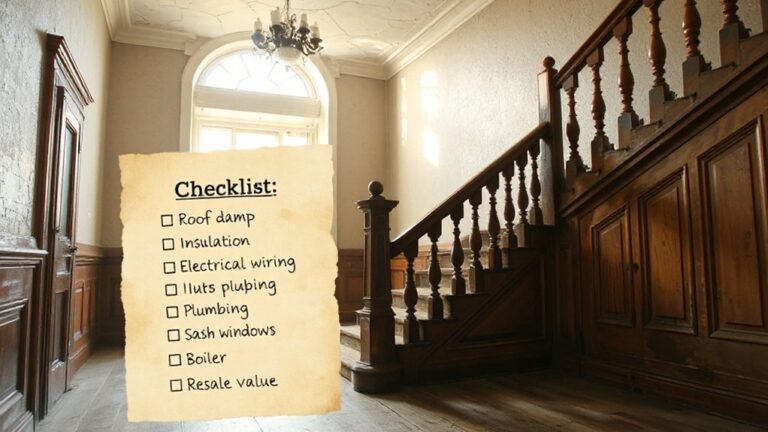
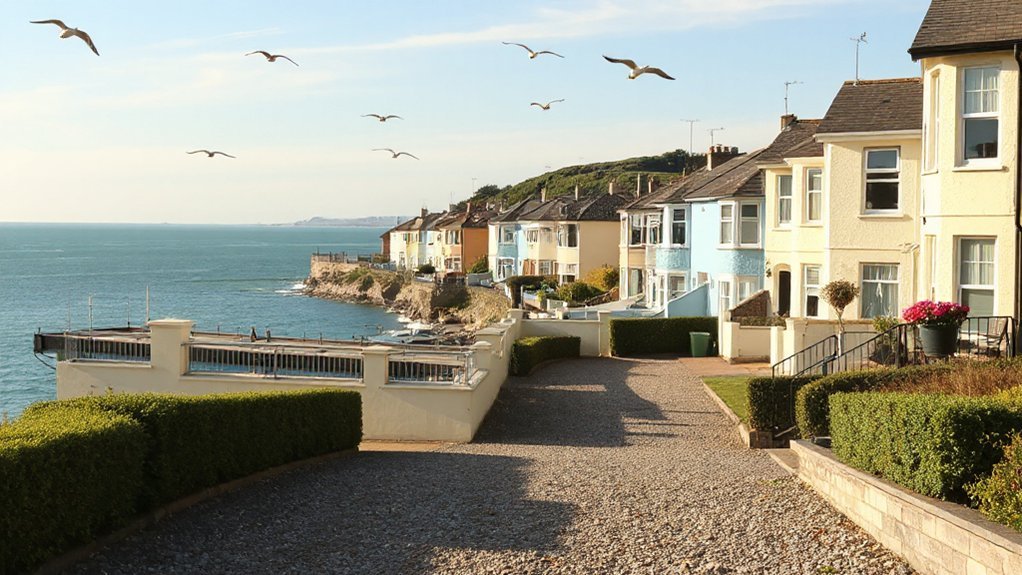
For affordable seaside retirement in the UK, focus on compact, well-designed flats or bungalows with predictable bills, accessible seasides, and strong local services. Prioritize coastal towns with stable rental demand, transparent pricing, and solid infrastructure, including efficient transport and healthcare. Budget meticulously by covering upfront costs, ongoing utilities, insurance, and maintenance, plus a financial buffer for repairs. Assess location, flood risk, and utilities, plus durable, low-maintenance finishes. If you want concrete options and a practical checklist, you’ll uncover more soon.
What Affordable Seaside Retirement Looks Like in the UK
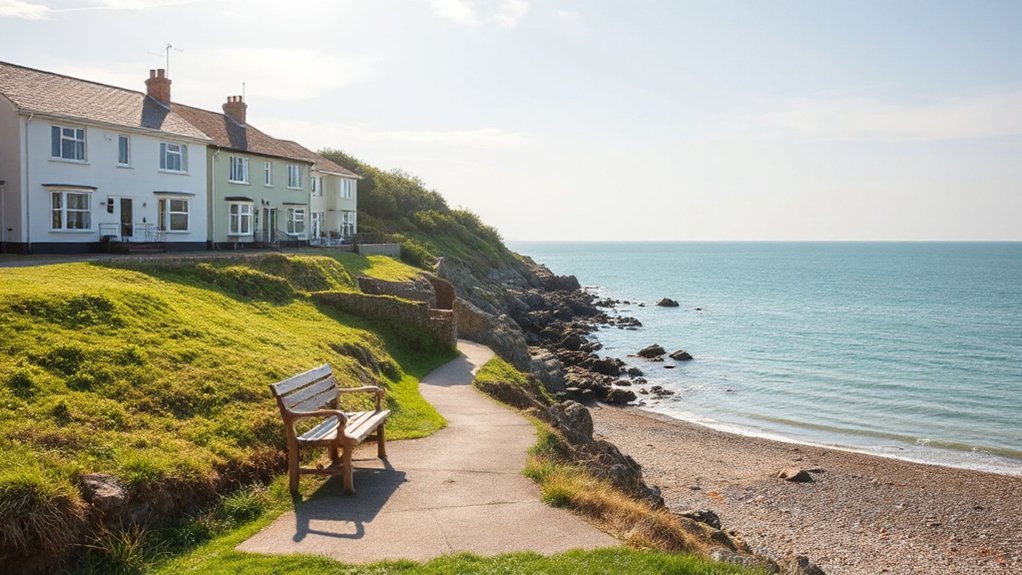
Affordable seaside retirement in the UK blends cost efficiency with quality of life, prioritizing stable housing costs, accessible services, and walkable sea-front access. You seek locations where predictable bills reduce financial stress, yet you still enjoy curated environments.
In practice, affordable seafront living combines compact but well-designed dwellings with efficient public transport links and local healthcare options, keeping overheads transparent.
You’ll find neighborhoods that retain charm through preserved façades and proximity to historical landmarks, providing cultural continuity without price spikes.
Luxury amenities appear as well-planned communal spaces, secure grounds, and modern connectivity that supports remote work or leisure.
The ideal mix delivers aesthetic coherence, durable construction, and service parity, ensuring consistent value despite seasonal fluctuations and evolving coastal regulations.
How to Set a Practical Budget for Sea-View Homes
To set a practical budget for sea-view homes, start by defining total housing costs as a monthly constraint and then map them to the property price, mortgage terms, and ongoing upkeep.
You’ll evaluate upfront cash, stamp duty, and closing costs within a defined cap, then translate that cap into a target loan-to-value and monthly payment.
Factor in insurance, maintenance, utilities, and potential lets or vacancies to keep real costs aligned with cash flow.
Use a disciplined approach: run scenarios for fixed and variable rates, tenures, and potential rate hikes.
Incorporate financial planning and monitor market trends to adjust thresholds without overextending.
Document assumptions, recheck affordability quarterly, and maintain a buffer for repairs or renovations, ensuring sustainability in long-term sea-view ownership.
Best-Value Seaside Towns Across the UK by Budget
Across the UK, you’ll find value-driven seaside towns where price-to-value ratios tilt in favor of buyers, especially when budget is the guiding constraint. In this overview, you identify markets with consistent rental demand and stable long-term appreciation, balancing purchase cost with development potential.
Focus on towns where urban development projects enhance accessibility, infrastructure, and public environment without inflating prices beyond reasonable benchmarks. Look for areas showcasing efficient transport links, dockside regeneration, and mixed-use housing that preserves character while introducing modern amenities.
Evaluate luxury amenities such as waterfront promenades, energy-efficient housing, and community hubs as value multipliers rather than cost drivers. Prioritize towns with transparent pricing, clear planning permissions, and measurable occupancy trends to optimize return on investment within your budget.
What to Check in a Coastal Retirement Flat or Bungalow
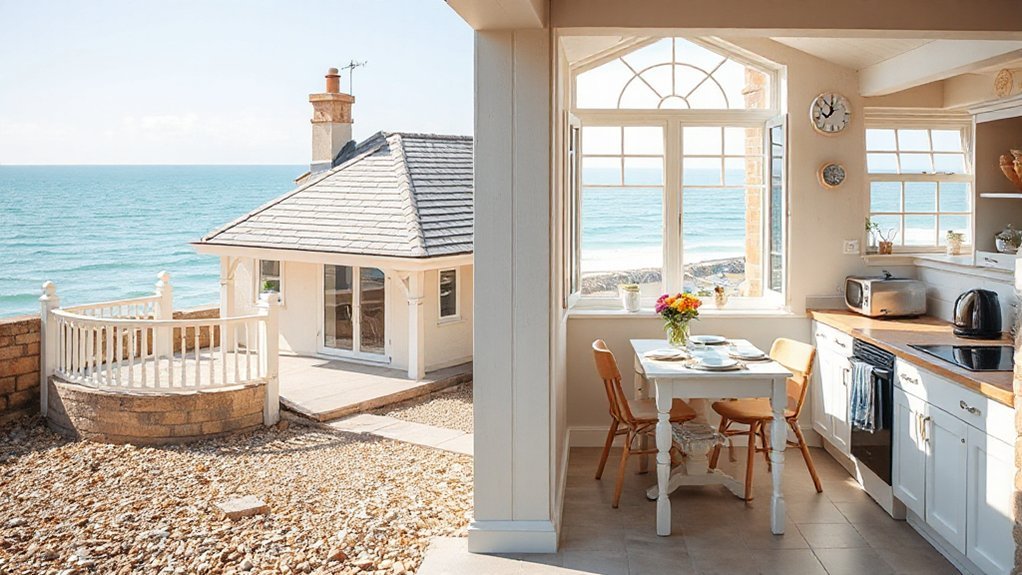
When evaluating a coastal retirement flat or bungalow, start with the layout and accessibility, then assess structural integrity and long-term maintenance needs. You should inspect door widths, corridor turns, and step-free access to main living areas to ensure easy navigation.
Check foundation stability, roof condition, damp risk, and ventilation systems for coastal climates. Review window performance, glazing seals, and door weatherstripping for energy efficiency against coastal weather.
Examine electrical and plumbing layouts for redundancy and future upgrades, especially near salt exposure. Consider moisture-resistant finishes, storage options, and practical kitchen and bath ergonomics.
Observe marine wildlife-related risks, like bird and insect ingress, and verify drainage and flood defenses. Finally, document warranty coverage and maintenance schedules to preserve value and reduce ongoing costs.
Essential Accessibility Features and Welcoming Communities
Coastal retirement living thrives when homes blend strong accessibility with welcoming, supportive communities. You’ll find accessible design embedded in every level: step-free entry, wide doorways, non-slip surfaces, lever handles, and clearly labeled controls.
Bathrooms feature grab rails, walk-in showers, and adjustable-height fixtures to support independence. Lighting is glare-minimized with motion sensors, while acoustics reduce background noise for clearer conversations.
Communal spaces emphasize functional layouts to encourage social interaction without sacrificing safety. A robust safety system, including emergency call points and predictable routines, reinforces peace of mind.
Community engagement isn’t optional—it’s built into programming, volunteer initiatives, and resident committees, guiding maintenance priorities and social activities.
When accessibility and community converge, you gain confidence, dignity, and sustained wellbeing in your seaside home.
Hidden Costs of Seaside Lets and Ownership: and How to Plan
Hidden costs in seaside lets and ownership aren’t concealed by design, but by complexity: you’ll encounter ongoing expenses that aren’t obvious at purchase or first rent, from service charges and insurance to maintenance contingencies and utilities tied to climate resilience.
- hidden fees associated with management companies and reserve funds
- maintenance costs fluctuating with weather exposure and asset wear
- insurance premiums reflecting coastal risk and elevation requirements
- utilities and metered charges influenced by seasonal occupancy and climate measures
Plan by auditing projected annual costs, requesting line items, and benchmarking against similar properties. Build a cautious reserve for unexpected repairs and policy updates, and confirm inclusions in service agreements.
Prioritize transparent, itemized financials to avoid surprise spikes and ensure sustainable returns on your seaside investment.
Case Studies: Standout Affordable Coastal Picks With Ocean Views
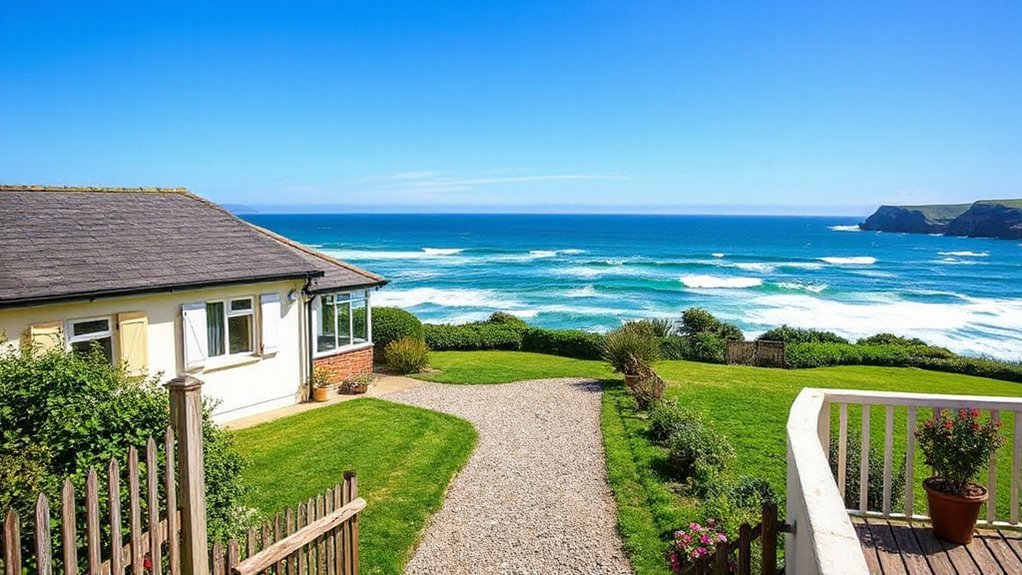
You’ll explore affordable coastal gems that pair cost-efficiency with ocean views, highlighting properties where value meets scenery. These case studies illuminate practical choices, listing key metrics like price per square metre, maintenance costs, and proximity to amenities.
Start by comparing models that balance upfront affordability with long-term livability and aesthetic appeal.
Affordable Coastal Gems
Are you seeking affordable seaside living that doesn’t compromise on view or quality? You’ll find practical, elegantly designed options that emphasize efficiency, durability, and coastal character. These gems balance cost with meticulous craft, delivering reliable performance and aesthetic appeal.
Seaside architecture focuses on durable materials, low maintenance facades, and ideal sun exposure, while interiors maximize light and ventilation. Coastal wildlife considerations influence site selection, landscaping, and noise management, creating calmer, healthier settings.
Below are standout picks that prioritize value without sacrificing sensation or view.
- Coastal bungalow with high-performance glazing and low-energy systems
- Terraced homes using durable, weather-resistant cladding and sea-facing balconies
- Compact apartments with modular layouts and acoustic optimized envelopes
- Converted lighthouse-style flats featuring passive cooling and solar gains
Ocean-View Case Studies
You examine small-footprint footprints, choosing timber-veneer panels and low-thermal-mass claddings to reduce energy loads. Passive strategies—cross-ventilation, strategic shading, and tight joints—limit heating, while factory-prefinished components speed construction and reduce waste.
In these case studies, marine ecology informs siting, dune preservation, and run-off controls, ensuring coastlines remain viable for decades.
Interiors emphasize low-maintenance finishes and adaptive spaces that shift between work, rest, and social dining. Seaside cuisine concepts leverage proximity to markets, highlighting fresh seafood without transport costs.
You assess maintenance cycles, long-term resale value, and the balance between view premium and practical comfort.
Your Coastal Purchase Checklist: Move-Forward Steps

Given your coastal purchase, start with a clear plan: verify the property’s location, assess proximity to essential services, and confirm coastal risk factors. You’ll construct a verified checklist to minimize surprises and optimize value, focusing on structure, accessibility, and resilience.
- Conduct a boundary and title check, confirming ownership, easements, and flood-risk zoning.
- Assess utilities, drainage, and service reliability, plus solar readiness or energy efficiency measures.
- Evaluate access to healthcare, groceries, transport links, and emergency services for routine and seasonal needs.
- Inspect for hazards related to coastal dynamics, subsoil stability, and environmental protections, noting Beach activities and Coastal wildlife considerations.
This disciplined approach supports precise budgeting and informed decisions in a coastal setting.
Frequently Asked Questions
How Do UK Seaside Rates Affect Total Ownership Costs?
Seaside rates influence your total ownership costs through insurance, maintenance, and flood exposure; higher premiums may follow coastal infrastructure development while mitigating risk. You’ll compare Seaside property insurance terms, and plan for flood defenses and ongoing maintenance costs.
What Grants Exist for Affordable Coastal Property Purchases?
You can access affordable coastal property grants like Shared Equity schemes, Help to Buy, and regional funds. You’ll navigate eligibility thoughtfully, overcoming the objection of limited availability, and appreciate coastal architecture alongside marine wildlife protections shaping purchase viability.
Are There Limitations on Pets in Seaside Retirement Homes?
Pet policies vary; you’ll encounter Animal restrictions and occasional limits on breeds, sizes, and numbers. You should verify each seaside retirement home’s rules, since clearly defined pet policies can affect eligibility, deposit requirements, and potential fee structures.
How Do Weather and Erosion Impact Long-Term Value?
Coastal erosion and weather variability can erode long-term value, shifting shorelines and elevating maintenance costs. You should expect fluctuating insurance and rising premiums as risk profiles change, and plan capital reserves to buffer storm-driven depreciation and access constraints.
What Are Typical Service Charges for Coastal Flats?
Seals circle the billowing bill, signaling your budget: typical service charges range modestly per month. You glimpse Seaside lifestyle and Coastal amenities, then quantify maintenance, insurance, and reserve funds, ensuring accuracy, transparency, and sustainable budgeting for future care.
Conclusion
You’ve read the guide, now smile at the irony: you’ll buy a seaside home to escape the grind, only to chase permits, stairlifts, and maintenance bills with the patience of a lighthouse keeper. But hey, you’ll clock ocean views, predictable sunsets, and the comforting resale rumor mill. Budget, check. Accessibility, check. Hidden costs, double-check. Happy with your affordable coastal perch? Excellent—just don’t forget to pack a sturdy sense of humor for drafty mornings and swell-sized insurance premiums.
About the Author