Accessibility upgrades are a practical, forward-looking plan you control, with universal design basics like wider doorways, level thresholds, and clear circulation forming the backbone, then layered by adaptive layouts and hardware. Add scalable smart tech for control and safety, and pair budget, timeline, and material resilience to prevent costly pivots later. It’s a methodical approach that evolves with needs, so you’ll want to see how each choice influences future usability as constraints shift.
Key Takeaways
- Plan for universal design with 36-inch doorways, zero-threshold floors, and clear circulation for wheelchair access and long-term adaptability.
- Use modular, adjustable layouts and rails, track systems, and standardized mounting interfaces for easy reconfiguration.
- Implement scalable smart accessibility tech with voice control, sensor-driven adjustments, and platform-agnostic controls.
- Prioritize high-impact, low-risk upgrades first, with clear budgets, timelines, and contractor transparency.
- Ensure resilient finishes and tactile cues, with future-proofed infrastructure supporting incremental system additions.
How Accessibility Upgrades Future-Proof Your Home
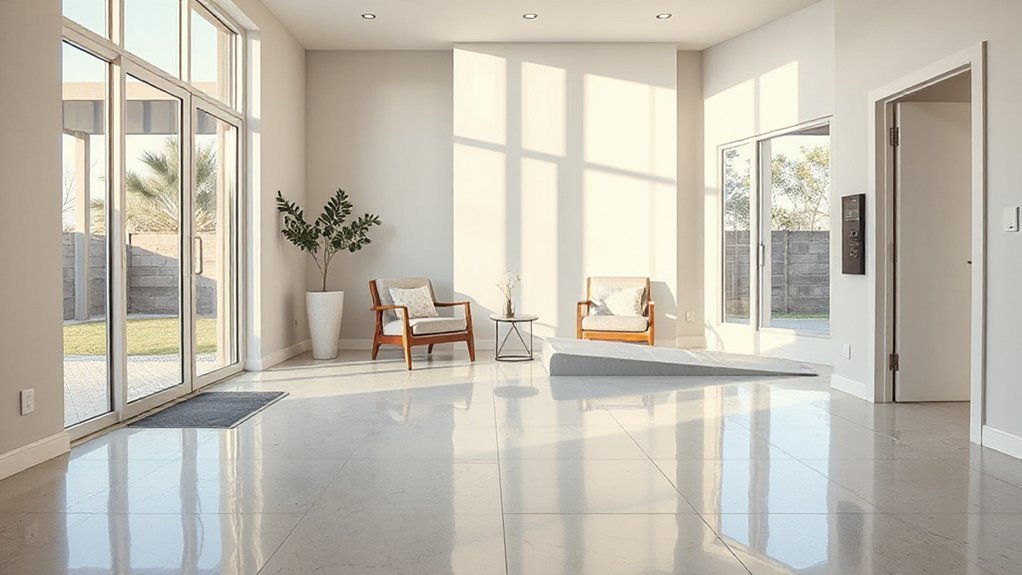
Accessibility upgrades are essential for future-proofing a home because they reduce the need for costly renovations later and broaden usability for occupants at every life stage. You evaluate systems and components with a goal of long-term adaptability.
Start with assistive technology placements that align with anticipated needs, ensuring interfaces are legible, reachable, and operable from a standing or seated position. Prioritize ergonomic design in key touchpoints—dispense points, switches, faucets, and storage—so users exert minimal effort while maximizing control.
Integrate scalable infrastructure: modular wiring, low-profile thresholds, and adjustable mounting heights. Document specifications for future adjustments, maintenance access, and compatibility with evolving devices.
This proactive approach minimizes disruption, lowers lifecycle costs, and supports inclusive operation without compromising performance.
Universal Design Essentials: Wider Doorways, Level Thresholds, Clear Circulation
Wider doorways, level thresholds, and clear circulation form the core of universal design, enabling seamless access and maneuverability across ages and abilities. You implement these essentials with precision, balancing function and space efficiency to support diverse users.
Color contrast and ergonomic fixtures guide alignment, signaling wayfinding cues while reducing visual fatigue. This approach minimizes trips and obstructions, improving confidence in daily passages.
- Design doorways at least 36 inches wide, ensuring wheelchair passage without adjacent obstacles.
- Use zero-threshold connections and flush-level floors for uninterrupted movement and easy cart or stroller rollout.
- Plan clear circulation paths with contrasting floor cues and accessible fixtures positioned for ergonomic reach and steadiness.
Adaptive Layouts and Hardware
Start with modular partitions and adjustable furniture rails that support varied heights and clearances, then integrate track systems for walls, doors, and ceilings so you can swap configurations as needs evolve.
Prioritize ergonomic fixtures and accessible controls at eye level, with tactile cues and low‑latency feedback. Use assistive technologies that operate across platforms—voice, gesture, and remote app control—without compromising safety.
Finish with standardized mounting interfaces and durable finishes that tolerate frequent reassembling. The result is a resilient, adaptable habitat that sustains performance across daily tasks and unforeseen requirements.
Scalable Smart Accessibility Tech
- Voice control deepens autonomy through natural interaction and failsafe fallback.
- Sensor integration enables proactive adjustments via environmental data fusion.
- Scalable architecture supports incremental additions without service disruption.
Budget, Timeline, and Resilience Planning
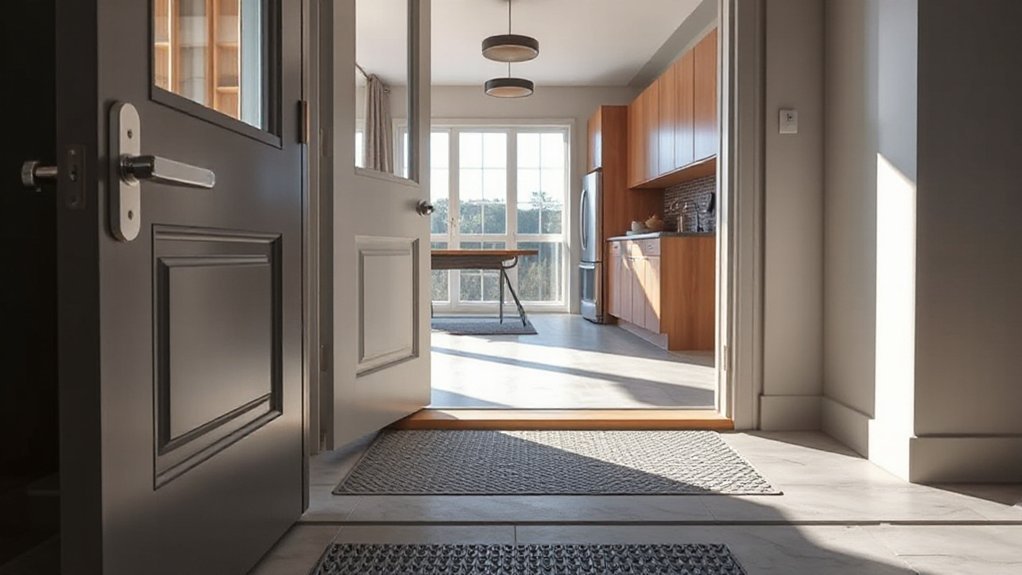
To deliver durable accessibility upgrades without overcommitting resources, define a precise budget aligned with a staged timeline and built-in resilience.
Start with a baseline cost model rooted in your current home assessments, then layer contingency funds for unknowns.
Prioritize high-impact, low-risk changes first, and schedule tasks to minimize disruption and maximize testable outcomes.
Financial planning should tie to clear milestones, ensuring funding aligns with contractor progress and market fluctuations.
When selecting professionals, emphasize contractor selection criteria that include proven experience in accessibility standards, transparent quotes, and measurable deliverables.
Build resilience by incorporating modular upgrades and scalable systems, allowing future enhancements without rework.
Document decisions, track variances, and adjust scopes promptly to maintain schedule integrity and long-term performance.
Maintain clear communication across stakeholders to avoid costly delays.
Frequently Asked Questions
How Do I Start Aging-In-Place Renovations on a Budget?
Start with a clear plan: set a realistic budget, then prioritize cost-effective, high-impact upgrades.
Begin by evaluating essential needs for home safety, like bathroom grab bars and threshold-free paths.
Then expand to wider doorways or nonslip flooring as funds allow.
Use budget planning to allocate contingencies and compare costs from multiple suppliers.
Choose modular, retrofittable solutions, and reuse existing fixtures where possible.
Document decisions for ongoing improvements and maintain accessibility standards as you progress.
Can I Retrofit Existing Homes to Meet Universal Design Standards?
Yes—you can retrofit existing homes to meet universal design standards. You’ll prioritize accessible pathways, doorways, and grab bars, then adapt interiors to allow flexible circulation and future shifts in use.
Universal design reduces barriers while preserving aesthetics. Expect retrofit challenges like space constraints, kit compatibility, and structural limits, but plan with phased scope and code-compliant solutions.
You’ll document load paths, verify threshold heights, and choose adjustable fixtures to minimize ongoing maintenance.
What Grants or Incentives Support Accessibility Upgrades?
Grants and incentives exist, though they’re modestly facilitative rather than expansive. You can access affordable funding through Government programs that offset retrofit costs, grants, and low-interest loans. They’re designed to ease improvements like ramps, widened doors, and smart-access systems.
Your best step is checking local housing agencies, energy offices, and accessibility offices for current programs, eligibility, and application timelines. Apply promptly and document costs to maximize your benefits and align upgrades with universal design goals.
How Do I Test Safety Features After Installation?
To test safety features after installation, you should perform a systematic check of all active and passive elements.
Verify safety compliance by confirming hardware integrity, proper sensor responses, and fault indicators.
Test emergency preparedness by simulating conditions (doorway clearances, alarm audibility, and power backups) and document results.
Use manufacturer guidelines, record timestamps, and recheck after adjustments.
Keep spare parts handy, and retest after any maintenance to guarantee ongoing safety compliance and reliable emergency preparedness.
Which Technologies Balance Privacy With Smart Accessibility Benefits?
Smart home tech that balances privacy with accessibility relies on on-device processing and end-to-end encryption. You should prioritize technologies with local control, minimal cloud dependence, and transparent data handling.
Privacy concerns are mitigated when sensors process data locally and only anonymized signals leave the device.
Data security matters, too, so use strong authentication and regular firmware updates.
Think of it as a shielded highway: fast, efficient, and with guardrails to protect sensitive information.
Conclusion
You can future-proof your home by planning with universal design and scalable tech that adapt as needs change. Prioritize wider doorways, level thresholds, and clear circulation to maintain accessible flow. Choose adaptive layouts and hardware that integrate smoothly with smart systems, enabling voice and sensor control without friction. Budget realistically, set a practical timeline, and select resilient materials to minimize future renovations. Think of your home as a ship—steadily structured, modular, and ready to adjust course as tides shift.
About the Author