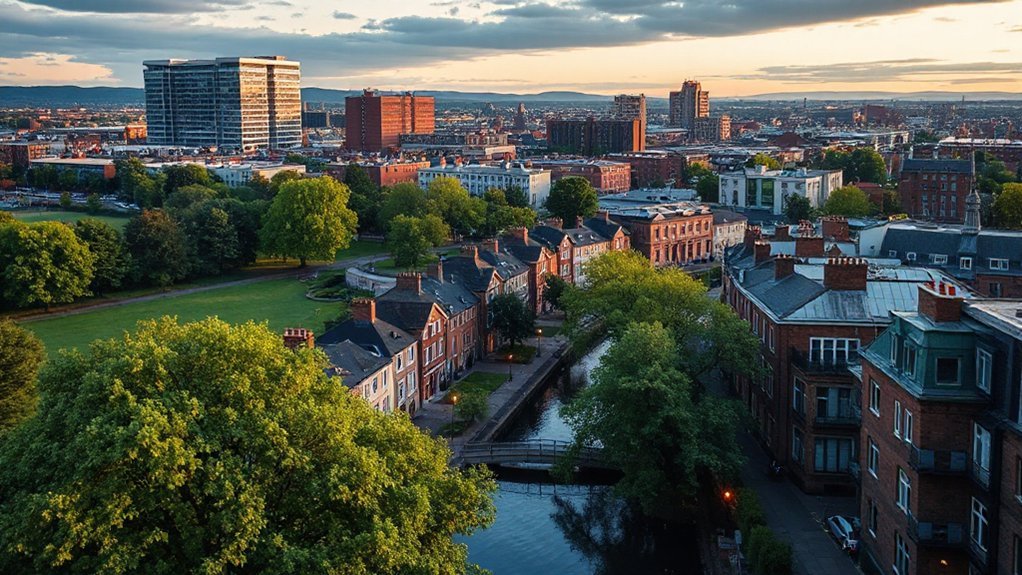
Manchester offers a design-forward mix of family-friendly neighborhoods, vibrant cultural hubs, waterfront living, and green, bike-friendly streets, all underpinned by strong transit access and durable, adaptable architecture. Prioritize places with safe parks, walkable cores, and scalable housing near stations or campuses to maximize value. Chorlton and Sale Moor offer green, quiet options; Northern Quarter and Ancoats blend historic charm with modern energy; Riverside districts combine industrial heritage with open layouts. Ready to explore options that align with your priorities? You’ll find more specifics ahead.
Why Manchester Feels Like Home: What Makes It a Great Place to Live
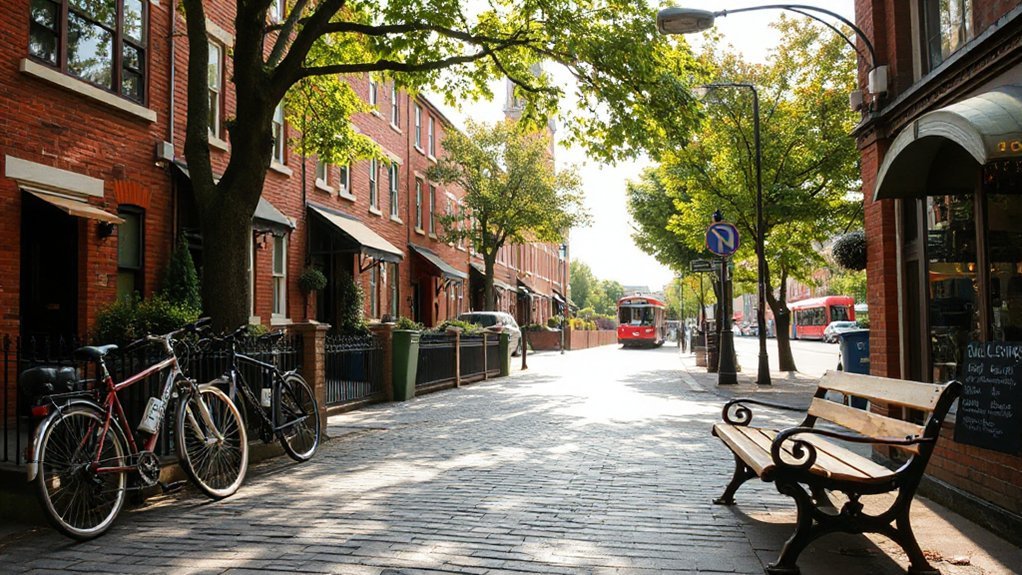
Manchester isn’t just a city you live in; it’s a landscape of accessible amenities, well-connected neighborhoods, and a culture that blends practicality with possibility. You feel design-informed efficiency in every district, where transport nodes, green corridors, and mixed-use blocks align for daily routines.
Cultural diversity informs service patterns, public spaces, and interactive cues that guide you through a cohesive urban fabric. Local festivals punctuate the calendar, turning streets into short-term galleries of music, food, and crafts—assets that reaffirm belonging without friction.
You’ll notice scalable infrastructure: adaptable public domains, modular housing options, and data-driven safety layers that heighten comfort. In this environment, home isn’t a fixed address but a dynamic system—predictable, expressive, and oriented toward everyday possibility.
Family-Friendly Manchester Neighborhoods: Where to Raise Kids
You’ll weigh Safe Outdoor Spaces and Top Family Amenities as core design assets that shape daily life for kids and guardians alike.
We’ll frame neighborhoods by how playgrounds, parks, and safe paths thread into your routines, with a focus on accessibility, maintenance, and potential for future upgrades.
This keeps the discussion tight, asset-aware, and oriented toward practical choices for family-friendly districts in Manchester.
Safe Outdoor Spaces
To pick family-friendly neighborhoods with safe outdoor spaces, look for heat maps of crime data, well-maintained parks, and pedestrian-first layouts that encourage supervised play and easy sightlines. You’ll evaluate design elements that maximize safety while supporting active family life, balancing asset density with open green rooms.
Consider how urban wildlife coexists with playgrounds and walking routes, and how community events stitch behavioral norms into daily use. Focus on spaces that show durable materials, readable sightlines, and scalable lighting.
- Heat-map driven zoning and patrol visibility
- Pedestrian-first park design with clear sightlines
- Durable playgrounds and shaded seating
- Integrated wildlife-friendly landscaping and event programming
Urban wildlife and community events shape sustainable, family-centered spaces.
Top Family Amenities
Functional streetscapes reduce car dependence, freeing up time for kids’ play and learning. Asset-aware planning highlights scalable parks, safe paths, and flexible community spaces that adapt to evolving needs.
You’ll experience predictable programming in local parks, where shaded seating, splash zones, and pedestrian routes encourage outdoor routines. Community events become anchors, stitching neighborhoods with shared identity and opportunities for social capital.
Prioritizing accessible amenities translates to consistent, high‑quality experiences for families, from morning drop‑offs to weekend recreation, while preserving green infrastructure and potential for future growth.
Top Manchester Areas for Students: Rent, Vibe, and Transit
Manchester’s student hubs balance affordable rents, distinct vibes, and rapid transit access, making location-by-location choices a design- and data-driven exercise rather than a shot in the dark. You’ll weigh districts by rental affordability, walkable campuses, and transit spine efficiency, then map micro-neighborhoods to target routines.
- Campus-proximity zones with consistent student nightlife and affordable units
- Core city pockets prioritizing fast cross-city links and high-density housing
- South-side corridors offering quieter study buffers with reliable night-out access
- West-end clusters balancing value, robust amenities, and scalable transit
This approach keeps asset value in focus, aligning vibe with throughput. You gain predictability, reduced commute friction, and sharper budgeting for rent, utilities, and trips beyond lecture halls.
Historic and Stylish: Northern Quarter vs. Ancoats
You’ll weigh Northern Quarter’s Historic Vibe and Industrial Character against Ancoats’s Modern Pulse and Modern Living.
Mapping how each area assets Dining, Nightlife, and Culture.
The comparison centers on how historic architecture and contemporary design textures inform daily rhythms, transit flow, and resident amenities.
This discussion sets the frame for a nuanced look at where you’d balance heritage charm with new-build efficiency in Manchester.
Historic Vibe, Modern Pulse
Northern Quarter and Ancoats fuse history with contemporary edge, where brickwork and street art meet sleek density and light-filled spaces. You’ll sense historic charm while embracing a modern lifestyle through design-led choices and adaptable layouts.
- Mixed-use footprints optimize daytime energy and evening vitality
- Brick-and-glass palettes heighten contrast, guiding wayfinding and mood
- Compact planning liberates walkable cores with scalable workspace options
- Asset-aware preservation preserves texture while enabling contemporary upgrades
You evaluate the historic vibe against a modern pulse by prioritizing connectivity, daylight, and material honesty. The balance favors durable, low-maintenance finishes that age with character.
Expect galleries, cafes, and studios shaping a cohesive aesthetic. In practice, you’ll favor adaptable interiors, smart lighting, and efficient storage to sustain the lifestyle without sacrificing charm.
Industrial Character, Modern Living
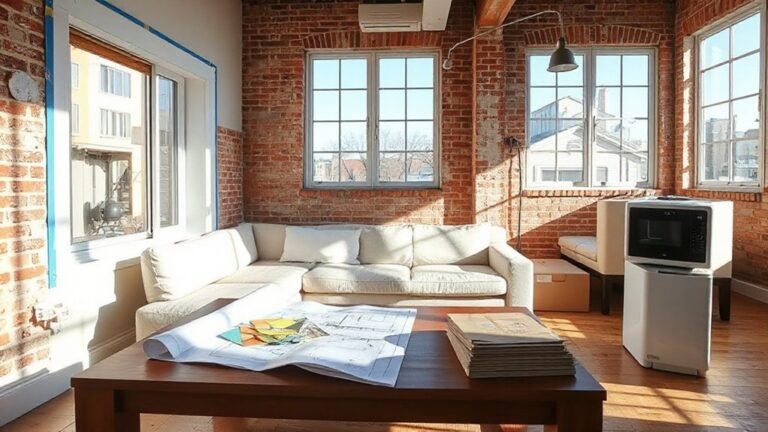
Industrial character drives a distinct contrast between the Northern Quarter’s aged brickwork and Ancoats’s rehabilitated mills, translating texture into tactile cues for modern living. You’ll notice how industrial charm informs layout decisions, guiding ceiling heights, beam lines, and exposed services into deliberate focal points.
In the Northern Quarter, you leverage heritage textures to reinforce a curated, intimate scale, pairing vintage storefronts with contemporary furnishings to achieve cohesive modern aesthetics.
Ancoats, by contrast, champions repurposed massing, with large factory windows and adaptive floor plans that maximize daylight and flow. Asset-aware design focuses on performance without erasing character: durable materials, smart insulation, and modular systems.
The result is a balanced toolkit where industrial charm meets contemporary comfort, delivering durable, stylish living spaces that feel both historic and future-ready.
Dining, Nightlife, and Culture
The Northern Quarter and Ancoats anchor Manchester’s dining, nightlife, and culture with distinctly textured experiences: the former leans into indie venues and craft-focused venues, while the latter centers on revived mills and communal spaces that celebrate daylight-lit interiors.
You’ll identify a design-driven contrast: artisanal menus, brick-and-beam aesthetics, and modular bars shaping craft-focused scenes, alongside daylight-friendly courtyards and co-working-spirited hubs that foster social energy.
1) local dining ecosystems unified by seasonal menus
2) vibrant nightlife anchored by intimate rooms and radiant industrial lighting
3) texture-rich interiors that cue both history and modern restraint
4) asset-aware pacing, balancing independent venues with communal, daylight-lit spaces
Green and Quiet Living: Chorlton and Alternatives to Sale Moor
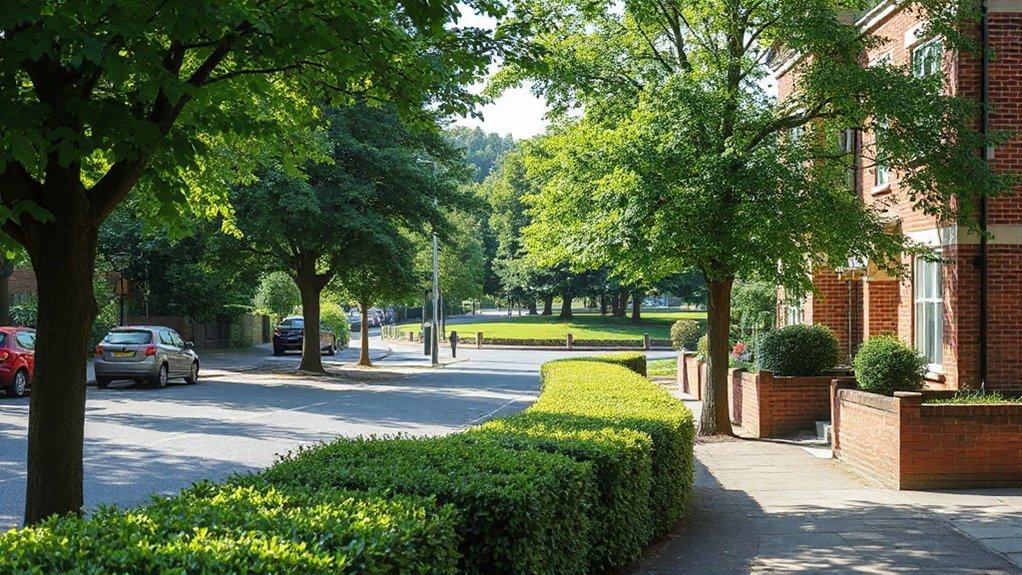
Chorlton offers a greener, quieter alternative to Sale Moor, combining low-traffic streets with leafy pockets and pocket parks that support easy pedestrian and cycle access.
You’ll notice a design-forward fabric: permeable surfaces, buffered cycling lanes, and signed green corridors that knit residential blocks with accessible urban parks and Green spaces.
The street network prioritizes walkability, enabling short commutes to shops, schools, and transit nodes without pressure from through-traffic.
Housing scale stays human, with frontages oriented to courtyards and planted setbacks that reduce noise and heat islands.
Landscaping materials emphasize drought-tolerant natives, improving resilience while maintaining visual calm.
Alternatives to Sale Moor lean on community assets, adaptable green infrastructure, and incremental improvements that sustain microclimate benefits and daily quality of life.
Most Affordable Manchester Neighborhoods by Rent and Quality of Life
Across Manchester’s neighborhoods, affordability meets livability when you prioritize rent-to-quality signals like transit access, school catchments, and green space per capita. You’ll map value by balancing rent with daily utility, anchoring decisions in design-minded, asset-aware metrics—so you don’t overpay for compromises.
- Northern Quarter affordable pockets: compact units, walkable cores, growing transit links.
- Ancoats value-hubs: new builds with strong transport options and emerging local cuisine scenes.
- Miles Platting efficiency zone: lower rents, practical amenities, and reliable bus routes.
- Fallowfield/Chorlton edges: student-friendly pricing alongside access to green space and cycle lanes.
Focus on transportation options and local cuisine to gauge daily quality, ensuring resale value and real-world usability stay aligned.
Safe Suburbs With Strong Community Vibes in Manchester
Community engagement informs design decisions, with plazas, pocket parks, and maker spaces acting as social catalysts and data points for ongoing improvements. Safety initiatives should be embedded in street lighting, sightlines, and collaborative policing partnerships that minimize blind spots and promote trust.
Consider neighborhood-scale resilience metrics, such as mixed-use density, active frontage, and traffic calming. You’ll measure success by observed social capital, event turnout, and repeat participation in local committees, ensuring durable, inclusive networks without compromising mobility or housing viability.
Easy Commuting: Manchester Neighborhoods With Great Rail and Bus Links
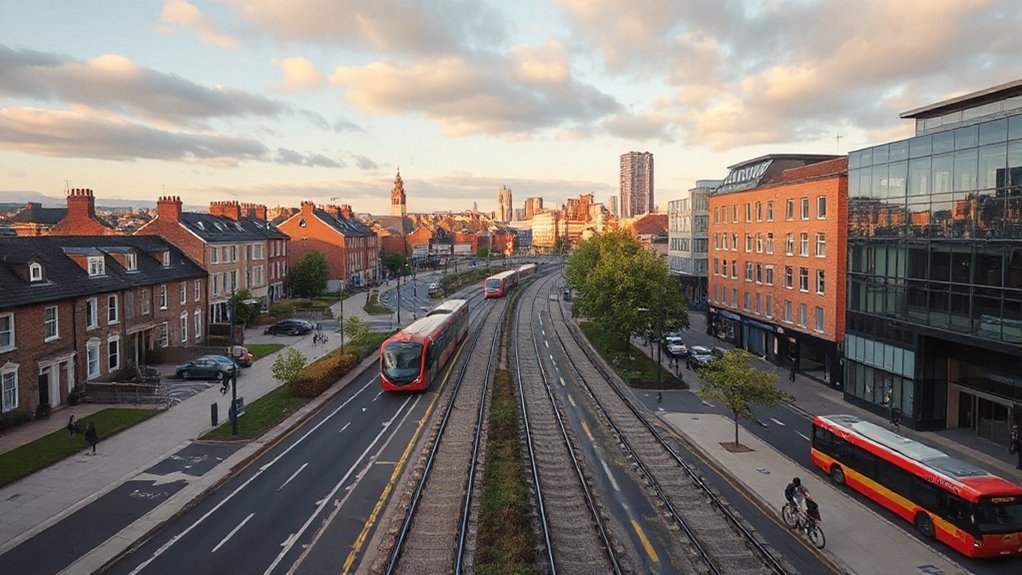
Manchester’s best-connected neighborhoods combine robust rail and bus networks with compact, walkable cores that support quick modal shifts. You’ll notice design-led accessibility, where Public transport integration reduces latency and enhances commuting ease through well-placed hubs and frequency.
1) Priority corridors maximize rail density and bus rapid transit within-mile catchments.
2) Urban grain favors mixed-use blocks to shorten trips and encourage walking or cycling.
3) Station areas feature clear wayfinding, real-time updates, and durable, low-friction signage.
4) Parking-light policies direct you toward transit-first options while preserving asset value.
This approach keeps living areas calm yet highly linked, maximizing time-on-task efficiency and minimizing travel costs. Your daily routine benefits from predictable schedules, streamlined transfers, and neighborhoods that think in terms of connectivity first.
Waterfront Living Along the River Irwell: Modern Manchester Areas
Waterfront living along the River Irwell combines sleek industrial heritage with contemporary design, delivering waterside residences that emphasize views, daylight, and access to green corridors. You’ll notice the advantage of river views shaping unit orientation, with floor-to-ceiling glazing that maximizes daylight without overheating.
In Modern condos, structural clarity guides layout: open-plan spaces, zoned work and relaxation areas, and noise-conscious facades reduce disturbance while preserving ambiance.
Edge developments prioritize pedestrian riverside promenades, cycle routes, and integrated landscape buffers, creating resilient, low-maintenance assets.
Materials favor tactile concretes, warm timber accents, and steel detailing that echo Manchester’s industrial legacy.
Storage efficiency, modular kitchens, and smart systems enhance lifecycle performance.
If you seek durable appeal and scalable value, this segment delivers reliable asset appreciation and consistent rental demand.
Foodie and Culture Hubs: Manchester Neighborhoods With It-Wator
From the riverside focus of waterfront living, you’ll pivot to neighborhoods where food culture and creative scenes shape daily life. This slice of Manchester blends culinary traditions with design-conscious spaces, turning streets into living galleries and markets.
You’ll notice asset-aware planning: renovated mills, mixed-use roofs, and compact blocks that heighten sociability around food and art. Expect frequent collector-worthy pop-ups and curated menus that celebrate local producers alongside established eateries.
- Supportive markets adjacent to adaptive reuse venues
- Places where bold street-food concepts meet rotating art installations
- Districts hosting regular Art festivals and culinary showcases
- Walkable cores with compact cultural hubs and design-forward interiors
Family Housing Options: Townhouses, Gardens, and Local Schools
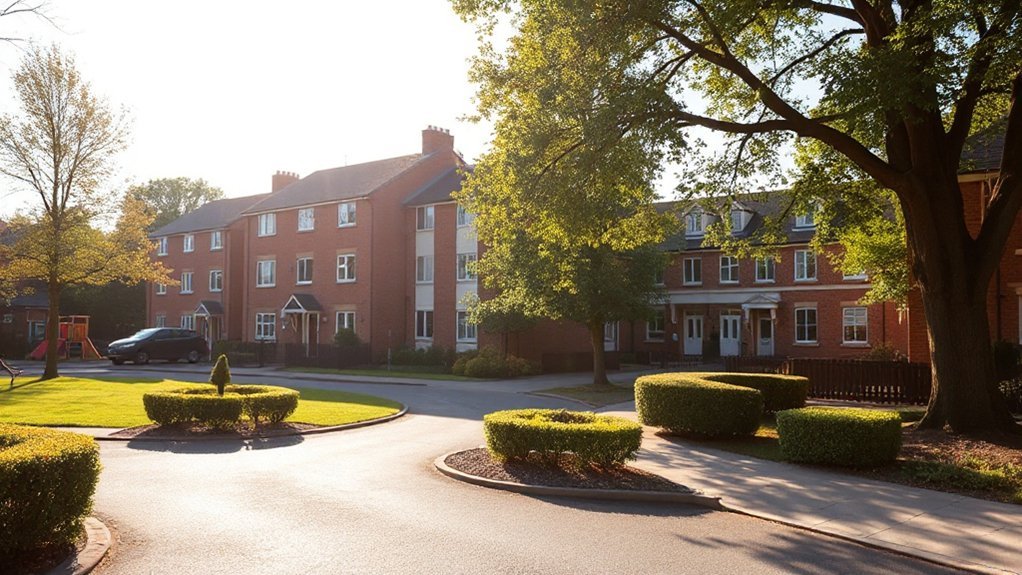
If you’re prioritizing family life, townhouses offer vertically efficient living with yards or communal spaces that encourage outdoor activity, while being positioned near schools and green corridors. You’ll evaluate floorplates, storage efficiency, and circulation to maximize daily practicality and long-term adaptability.
In this design-focused view, urban planning informs street frontage, pedestrian access, and utility integration, ensuring safe routes to nearby campuses and parks. Gardens become extensions of living space, supporting microclimates and permeability without compromising privacy.
Consider housing affordability alongside construction quality, energy performance, and materials sourcing to reduce lifecycle costs. Asset awareness means prioritizing scalable layouts, resilience to tenure shifts, and potential for modular extensions.
This approach aligns family needs with Manchester’s growth corridors, balancing livability, infrastructure, and prudent investment.
Investment Perspective: Manchester Areas Holding Their Value
You’ll see value retention vary by area, guided by housing stock quality, amenity access, and planning momentum.
Growth drivers for property value include transport links, new developments, and demand from first-time buyers to investors, all shaping your asset’s trajectory.
In this landscape, you’ll compare areas by resilience and liquidity to make precise, design-forward investment decisions.
Value Retention Across Areas
Is value retention across Manchester’s neighborhoods a telltale indicator of long-term investment viability? You’ll gauge resilience by asset quality, location dynamics, and built-environment endurance.
In this design-focused lens, neighborhoods with steady demand preserve pricing power, supported by anchoring assets and ongoing refurbishments. Historical landmarks and Cultural festivals act as durable cultural anchors, reinforcing desirability without inflating volatility.
You’ll monitor supply discipline, transport access, and planning certainty as levers to retain value over cycles.
- Analyze proximity to transit hubs and walkable cores to predict steady rents.
- Track capital upgrades and asset renovations that elevate appeal without oversupply.
- Compare districts by long-term occupancy, not just peak pricing.
- Assess cultural infrastructure and heritage sites as non-financial value drivers supporting resilience.
Growth Drivers For Property Value
Property investment benefits from targeted development adjacent to core hubs, maximizing density, walkability, and amenity spillover. You prioritize asset quality, envelope the design intent with durable materials, and measure value by lifecycle costs, not just upfront price.
Market resilience comes from diversified demand: students, professionals, and creatives converge near stations, campuses, and cultural districts. Long-term value strengthens when governance aligns land use, infrastructure plans, and regulatory clarity, enabling phased, predictable returns across cycles.
Choosing Your Manchester Neighborhood: A Simple Decision Framework
Choosing your Manchester neighborhood starts with a simple, repeatable framework: identify what matters most (safety, commute, amenities, price) and map those needs to districts that match them. You’ll assess assets, branding signals, and community engagement to gauge fit, then shortlist. This is a design-driven, data-informed approach that keeps options crisp and comparable.
- Prioritize neighborhoods by measurable criteria (crime stats, transit access, school quality, pricing bands).
- Compare neighborhood branding and asset mix (parks, cultural spaces, architectural identity) to your lifestyle.
- Evaluate community engagement (participation, events, resident networks) as a scent of belonging.
- Validate with a quick field test: walk, ride, observe, and document impressions for decision confidence.
Frequently Asked Questions
What Hidden Gems Are Rising in Manchester Neighborhoods?
Hidden gems rising in Manchester neighborhoods include vibrant hidden cafes and boutique shops, offering design-forward, asset-aware spaces you’ll want to explore, scout interiors, and map routes, as you uncover emerging districts with scalable, craft-focused venues and stylish workflows.
Which Areas Offer the Best Nightlife Safely?
Nightlife safety guides your route through curated Entertainment districts, where design-forward venues cluster for legibility, predictable crowds, and redundant systems. You’ll navigate securely, prioritizing lighting, CCTV presence, and staffed entry points to reduce risk across districts.
How Do Property Taxes Vary by District?
Property valuation shows notable Tax rate variations by district; you’ll notice higher valuations where demand peaks. If you doubt it, imagine precise dashboards guiding asset-aware decisions, as you compare district-level rates and plan scalable, informed property investments.
Where Are the Fastest-Growing Job Hubs Currently?
You’ll find fastest-growing job hubs concentrated around tech corridors and university districts, with affordable housing options expanding and historic landmarks preserved. Assess each area’s infrastructure, amenities, and design assets to maximize value while leveraging thriving, asset-aware ecosystems.
What’s the Best Commute Balance by Bike and Rail?
You’ll optimize your commute with bike friendly streets and strong rail connectivity hubs, balancing urban design means you ride efficiently, plan interchanges smartly, and rely on asset-aware routes that minimize transfer times and maximize sustainable, predictable travel.
Conclusion
If you map your priorities—transport links, school quality, or artisan vibrancy—you’ll spot the pattern quickly: Manchester neighborhoods align like a well-designed portfolio. You’ll optimize value, lifestyle, and risk, with assets staged for growth and access. Prioritize transit-ready cores for speed, family numbers for stability, or green pockets for calm. In this cityscape, opportunity isn’t a rumor—it’s a skyline you can actually touch. Take the leap; Manchester scales with your ambitions, a megacity that feels intimate—it’s bigger than you imagine. Hyperbole: it’s a living blueprint.
About the Author