

The best areas to live in the UK balance practicality with a strong sense of place, blending data-driven metrics—access to transit, safety, schools, amenities—with lived impressions of vibe and scale. Urban neighborhoods offer quick commutes and culture, while affordable towns and coastal spots emphasize cost efficiency and resilience. Suburban, transport-forward, and safety-focused areas combine leafy streets, good schools, and robust public services. If you want clear guidance plus nuanced signals, keep exploring these dimensions further.
What Makes a Great UK Neighborhood? Criteria and Metrics
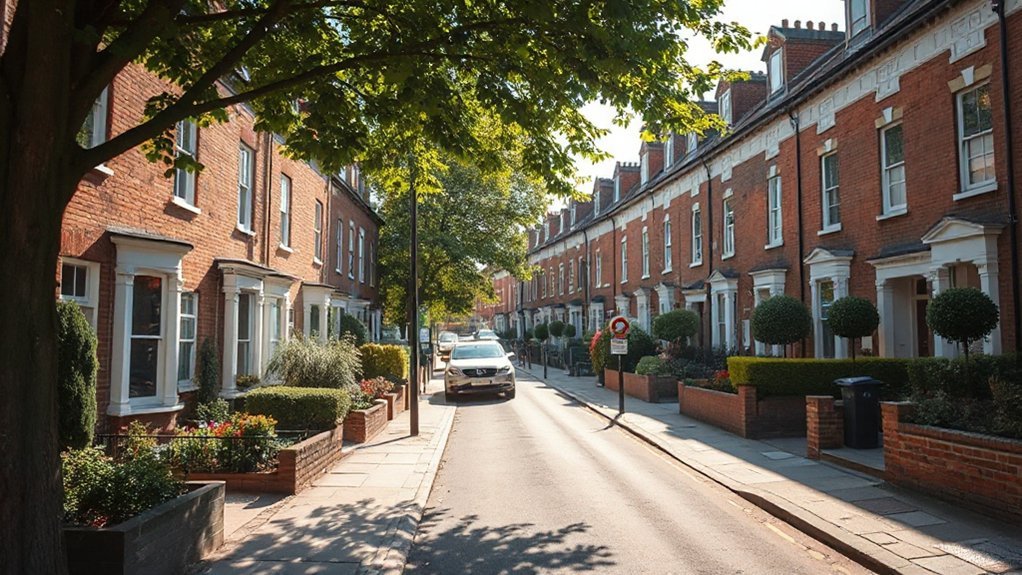
A great UK neighborhood balances practical livability with a sense of place, measured by clear, data-driven criteria rather than vibes alone. You evaluate accessibility, safety, and daily convenience through measurable metrics like transit frequency, crime rates, school performance, and service availability.
You also account for environmental resilience, walkability, and housing quality, linking them to long-term sustainability. Historical influences shape continuity in street patterns, mixed-use zoning, and community memory, while Architectural styles inform visual coherence and micro-climate implications.
You quantify cultural vitality via amenities, green space, and civic participation, ensuring ongoing improvement. This framework guides comparisons, prioritizing concrete evidence over impression.
How to Score a UK Area: Your Personal Evaluation Framework
To score a UK area effectively, you should build a personal evaluation framework that blends objective data with lived experience. You’ll quantify stability, amenities, and future growth while weighing your impressions of scale, vibe, and safety.
The framework should highlight Historical architecture and Green spaces as core signals, not just aesthetic bonuses, so you can separate UI polish from real livability. Tune thresholds to your priorities, then apply them consistently across districts.
- Define nonnegotiables and acceptable trade-offs to map your ideal profile.
- Normalize data sources (crime, schools, transport) and corroborate with on-the-ground notes.
- Score holistically, integrating qualitative impressions with quantitative metrics for a final verdict.
Urban Neighborhoods for Easy Commutes and Rich Culture
You’ll notice how easy commutes blend with rich culture in well‑connected urban hubs that still feel intimate. The mix of efficient transit, walkable streets, and local charm invites you to explore neighborhoods where daily life and culture intersect.
This balance—easy access, vibrant locales, and a distinct sense of place—frames how you choose where to live.
Easy Commutes, Rich Culture
Efficient transit ties urban culture to daily life, so choose neighborhoods that cluster offices, cafes, and historic venues within easy reach. You’ll find districts where timetable synchronicity reduces travel time while amplifying access to historical architecture and local festivals.
The goal is a balance: swift commutes, curated cues of culture, and practical amenities that support daily routines.
1) Proximity-driven layouts: compact cores that minimize transfer time and maximize dwell time in creative spaces.
2) Mixed-use vitality: ground-floor commerce, mid-rise offices, and cultural venues integrated for walkable routines.
3) Transit equity: frequent services, diverse routes, and reliable seating to preserve consistent commute quality.
This approach guarantees easy commutes without sacrificing cultural depth, aligning workflow with immersive experiences.
Urban Hubs, Local Charm
Urban hubs pair compact centers with authentic neighborhood charm, crafting easy commutes alongside rich cultural textures. You navigate grid-like layouts where pedestrian corridors tilt toward efficient transit, reducing travel times while preserving a strollable feel.
In these zones, historical architecture anchors identity, with preserved facades that foreground craft and period detail. You’ll encounter layered textures: brickwork, timber framing, and adaptive reuse that signals thoughtful urban planning.
Local festivals punctuate calendars, transforming streets into living galleries of food, music, and craft, without compromising transit reliability. Services cluster around stations, supporting daily routines while inviting exploration.
Design emphasis centers on legibility, safety, and sustainable density, ensuring every block balances function and aesthetic. You gain coherence from diversity: neighborhoods that are intimate yet globally resonant.
Affordable Towns With Strong Local Amenities
Are you seeking towns that balance affordability with robust local amenities? You’ll find options that pair practical costs with rich infrastructures and cultural depth. In these communities, the mix of housing value, transit access, and service density creates dependable daily life, while preserving character.
The strongest picks emphasize preserved aesthetics, data-backed livability, and accessible public spaces.
- Town A: affordable housing, reliable healthcare, vibrant local cuisine, and proximity to historical landmarks.
- Town B: strong schools, sustained high street activity, and efficient transit networks that minimize commute costs.
- Town C: compact city fringes offering green spaces, cultural venues, and notable historical landmarks within easy reach.
These towns balance cost with durable amenities, underscoring local cuisine and heritage as enduring anchors.
Coastal UK Living: Budget-Friendly Seaside Towns

Coastal UK living blends affordability with air and light, delivering seaside towns where seawater breezes meet practical budgets. You’ll notice a measured balance of property costs, transport links, and climate advantages, with planners prioritizing walkable cores and accessible green spaces.
Seaside serenity emerges through low-key rhythms: promenades, tide schedules, and daylight hours that extend usable time outdoors. Budget friendly beaches are paired with cost-conscious services, from schooling interfaces to healthcare access, ensuring day-to-day reliability.
Architectural vernacular favors compact footprints, durable materials, and local character, reducing maintenance while preserving charm. You assess value not by flash, but by consistency—seasonal variability kept in check, infrastructure resilient to coastal conditions, and amenities aligned with long-term affordability.
Suburban Charms: Quiet Neighborhoods With Good Schools
When you prioritize family stability and steady access to education, quiet, tree-lined streets and well-regarded schools become the core of your daily life; these neighborhoods balance safe, predictable rhythms with practical convenience.
- Garden spaces that invite weekend maintenance and budding hobbies, without sacrificing street-facing curb appeal.
- Consistently high school quality paired with middle-ground options, enabling smooth transitions between year groups.
- Proximity to community amenities, ensuring short commutes to libraries, parks, and sports facilities.
In this typology, architectural restraint and mature landscaping emphasize privacy and light. You’ll notice measured density, pedestrian-friendly streets, and reliable public services.
Garden spaces complement well-planned layouts, enhancing property value while preserving tranquility. These conditions align with disciplined school quality and long-term family satisfaction.
Transport-Forward Towns: Rail Access and Airport Proximity
You’ll notice how rail links and airport connectivity shape daily life as much as school quality shapes family routines. In transport-forward towns, you assess rail frequency, station accessibility, and intercity links that cut travel times and expand commuter options.
Airport proximity adds another axis, measured by flight frequency, seasonal demand, and security-queue efficiency, influencing both business travel and weekend breaks. The infrastructure becomes a design parameter: walkable stations, seamless interchanges, and reliable punctuality define usable places.
Local amenities respond to throughput, with hospitality, serviced apartments, and co-working spaces clustered near hubs. Historical landmarks anchor the sense of place, while local festivals punctuate calendars, signaling seasonal rhythms and visitor draw.
Your evaluation blends practicality with aesthetic cohesion, ensuring connectivity supports vibrant, sustainable communities.
Safety, Community, and Quality of Life: How to Compare

Safety, community, and quality of life form the core lenses for comparing UK living environments, translating data into tangible everyday experience. You’ll assess safety metrics, social cohesion, and access to amenities, then translate numbers into lived reality. Use a framework that blends empirical indicators with qualitative feeling—walkability, noise levels, and trust in neighbors matter as much as crime rates.
Historical landmarks and Green spaces become contextual anchors, shaping identity and daily rhythms. Compare neighborhoods by how often you’ll reuse them, not just how they rank on charts.
- Safety indicators, resident surveys, and incident trends
- Community networks, volunteer presence, and shared spaces
- Access to green infrastructure, cultural assets, and preservation of landmarks
Real-World Costs: Housing, Bills, and Daily Living
Real-world costs shape every housing choice, from mortgage payments to monthly utilities, groceries, and transport. You assess value by comparing capital outlays, ongoing bills, and daily spend, balancing upfront affordability with long-term stability.
In this landscape, affordable housing isn’t just ticket price; it’s predictable monthly cash flow and resilience against shocks. You evaluate energy usage patterns, prioritizing cost-effective utilities, efficient appliances, and smart thermostats to curb bills without sacrificing comfort.
Rent versus ownership must consider maintenance and property taxes, plus pooled housing schemes where relevant. Transportation costs, proximity to work or study, and access to public transit influence total living expenses.
Aesthetic but practical design—compact layouts with flexible spaces—supports lower utilities and smoother budgeting over time.
Frequently Asked Questions
How Does Climate Affect Livability in UK Areas?
Climate impact shapes livability: you’ll notice mild, maritime weather patterns with frequent rain and moderate extremes. You feel and measure how weather patterns influence heating needs, outdoor access, and infrastructure resilience, guiding choices about comfort, costs, and overall urban adaptability.
Whichuk Neighborhoods Are Best for First-Time Buyers?
You’ll find that affordable housing and strong community amenities shape the best UK neighborhoods for first-time buyers, offering practical value and social cohesion, with accessible transit, clear zoning, and aesthetically considered streetscapes that support long-term financial and lifestyle stability.
What Are Hidden Costs Beyond Mortgage in Towns?
Hidden costs beyond mortgage in towns include property taxes and utility expenses. You’ll want to budget for maintenance, insurance, and council charges, plus potential waste, water, and heating fees, all affecting total ownership affordability and monthly cash flow.
How Safe Are Areas Forsolo Young Professionals?
You’ll find areas vary, but you’re comparatively safe in places with high Safety rankings and favorable Crime statistics. You assess districts by data, observe trends, and prioritize lighting, access control, and community engagement for steady, technically aesthetic security.
Which Areas Offer Best Local Job Opportunities?
You’ll find local job markets thriving where sectors converge, turning hubs into Employment hotspots you’ll notice. You’ll observe refined data illustrating opportunities, and your decisions align with the strongest Local job markets, elevating career prospects in this landscape.
Conclusion
You’ve mapped every metric, weighed every commute, and priced every pub meal. Yet the “best” area isn’t a single stamp on a map, but a feeling you can’t quantify—quiet mornings, a neighbor’s nod, a balcony view that forgives a few budget compromises. Ironically, the more you chase data, the less you chase wonder. So yes, pick by numbers, but trust the unmeasurable pull of place you’d miss if you never looked up from the spreadsheet.
About the Author