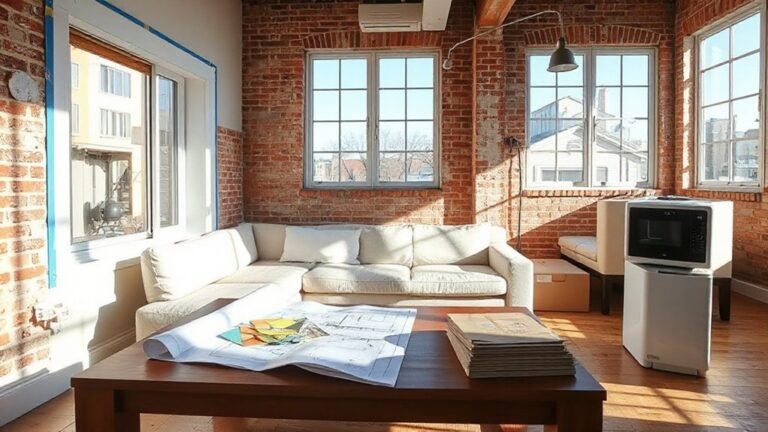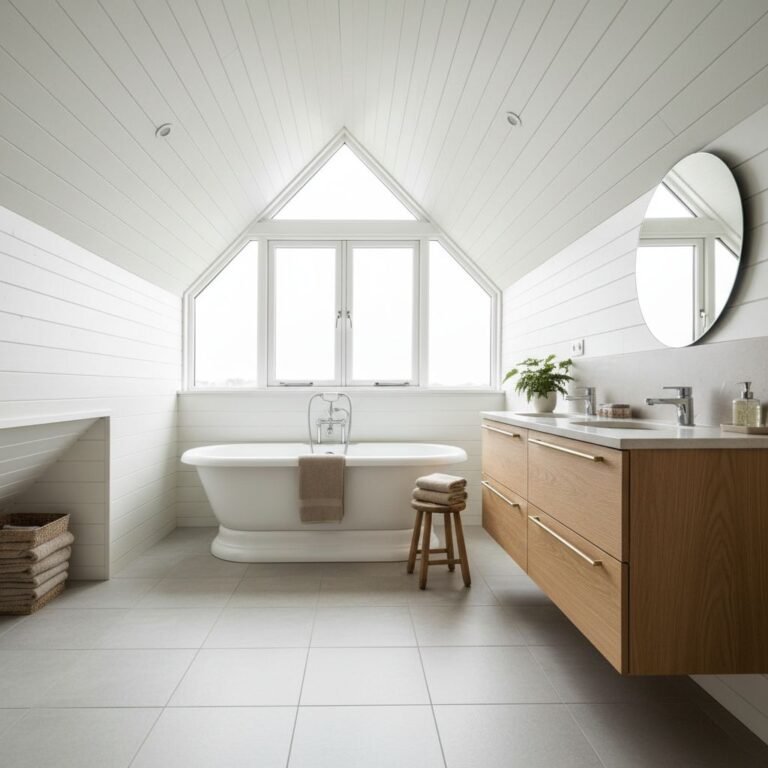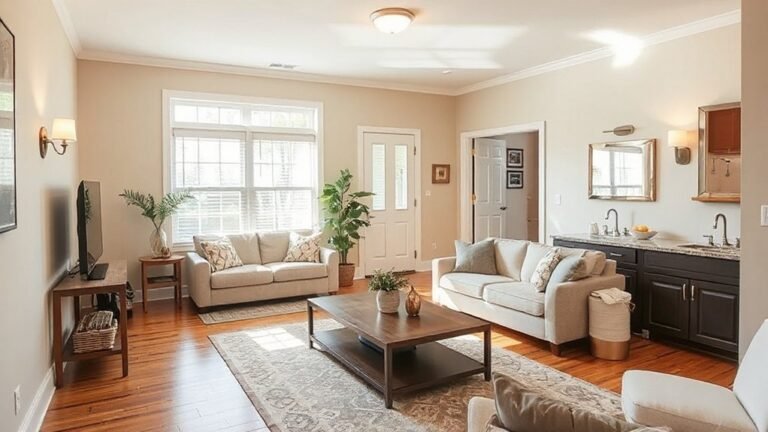
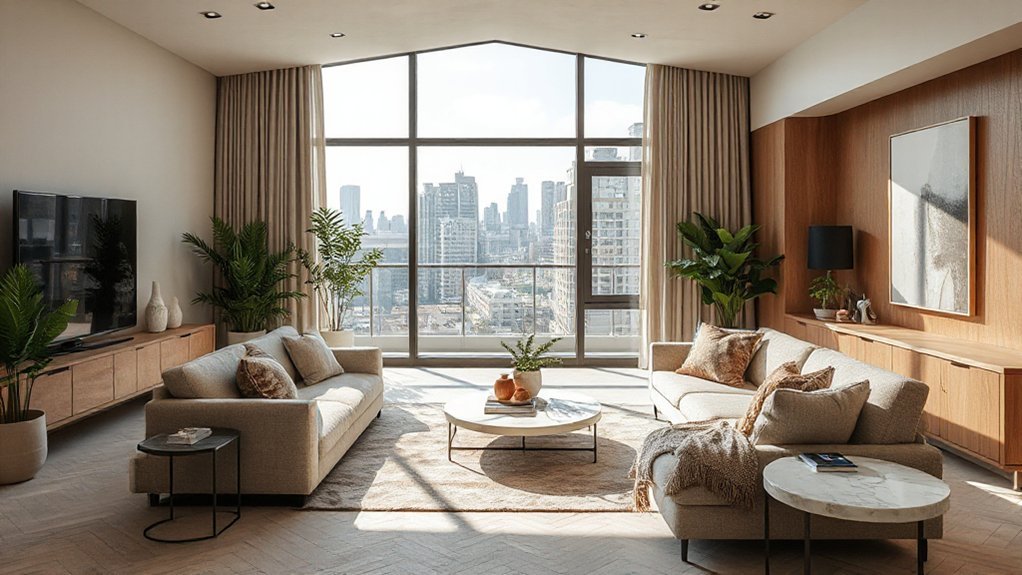
This year, you’ll prioritize flexible, light-filled spaces with warm, earthy tones and tactile textures that feel durable yet inviting. You’ll design adaptable layouts, smart storage, and ample natural light to keep rooms versatile for work, rest, and life. Think linen, wood, stone, and plant-forward palettes that improve mood and air quality, all balanced by restrained décor and sustainable choices. Ready to map out a 2026 refresh that blends comfort with quiet sophistication—or should we start by tagging zones you want to transform?
Key Takeaways
- Evolving layouts: flexible, multi-use zones with modular furniture and subtle dividers to adapt to changing UK lifestyles.
- Natural light and airflow: scalable glazing, skylights, sheer window treatments, and strategic placement for open sightlines and cross-ventilation.
- Warm earthy palettes and tactile materials: sage, terracotta, cocoa, oat tones with wood, brass, bouclé, and durable surfaces.
- Natural textures in small spaces: linen, jute, matte woods, ceramics, and curated plant clusters for calm, clutter-free interiors.
- Smart storage and sustainable design: modular, repairable furnishings, hidden storage, energy-efficient systems, and eco-friendly textiles.
Understand 2026: Why UK Homes Need a Refreshed Approach
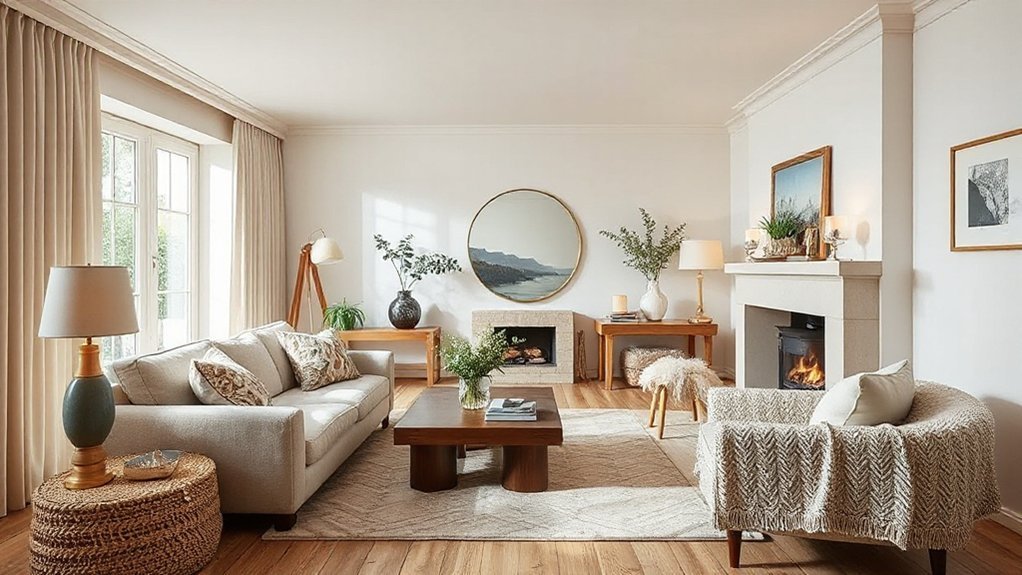
You’re seeing homes with sharper, more adaptable designs because UK living patterns are evolving fast. In 2026, you need a refreshed approach that reflects how people live, work, and connect at home.
Your priorities shift toward flexible layouts that morph with daily routines, not rigid rooms that sit idle. Historical influences inform your palette of ideas—how past craft, materials, and proportions shape current comfort without nostalgia drag.
You’ll also lean into Technological integrations, layering smart systems that simplify life while preserving warmth. Think modular furniture, hidden storage, and energy efficiency that doesn’t scream design gimmick.
The goal: resilient spaces that breathe, adapt, and endure, meeting needs today and tomorrow while staying visually coherent with evolving UK lifestyles.
Choose Timeless Warm Earthy Palettes for UK Interiors
Timeless warm earthy palettes anchor UK interiors in resilient, lived-in comfort. You’ll find sage, terracotta, cocoa, and oat tones pair most successfully with natural wood, brass accents, and soft textiles.
Build color harmony by grouping three core hues with two supporting shades for balance, then anchor accents with small, repeated pops of amber or olive.
In rooms with limited light, opt for warm neutrals on walls and ceilings to brighten without bleaching texture. Use matte finishes to keep depth rich, and layer fabrics—velvet cushions, wool throws, and linen drapes—to enhance warmth without clutter.
Mood enhancement comes from consistent undertones; avoid jarring contrast and stray into cohesive storytelling on every surface. Plan palettes around furniture shapes, architectural features, and evolving seasonal accents for lasting appeal.
Select Tactile Materials That Feel Cozy and Durable
You’ll want tactile material mixes that balance coziness with durability, so you can pair soft fabrics with sturdy surfaces for everyday practicality. Consider textures like wool blends, bouclé, leather, and solid timber or stone to create cozy, long-lasting contrasts.
Prioritize sustainable surface choices that still read luxe, such as responsibly sourced wood, low-emission finishes, and durable textiles, so your spaces stay comfortable and resilient.
Tactile Material Mixes
When selecting tactile materials that feel cozy and durable, prioritize combinations that balance softness with structure. In practice, mix plush textiles with robust surfaces to create textural contrast that reads as intentional, not cluttered.
Start with a tactile trio: a warm wool or boucle, a firm stone or concrete, and a tactile leather or suede for restraint. Aim for material harmony by aligning tones and finishes—luxe matte with understated sheen, or natural woods paired with soft fabrics.
Layer textiles in varying weights, then anchor with a durable, easy-care base such as ceramic tile or terrazzo. Use subtle patterning and scale to avoid visual fatigue.
Finally, test comfort at eye level and under light to guarantee the mix remains inviting through the day.
Cozy, Durable Textures
Focus on textures you can actually live with daily: dense boucle fabrics, brushed wool, and thick chenille bring warmth without snagging. Layer surfaces with textured textiles that add depth: throw blankets, cushions, and upholstery in earthy neutrals and muted greens.
Pair these with cozy ceramics—glazed mugs and planters that feel substantial in hand and on display. For surfaces, choose lightly brushed leather or performance fabrics that clean easily after spills.
Finished wood, stone-look laminates, and matte ceramic tiles keep the scheme coherent and durable for busy households.
Sustainable Surface Choices
Opt for leather or suede-textured faux options in high-traffic zones, and pair with solid stone or engineered quartz for clean, lasting lines. Consider eco-friendly finishes that reduce VOCs without sacrificing depth or warmth.
Recycled surface materials, like reclaimed wood veneers or recycled glass aggregates, offer character and lower footprint. Focus on hybrids: a soft-textured fabric paneling on cabinetry with a durable stone or ceramic countertop.
Prioritize seam integrity, sealants suitable for domestic use, and easy repair options. Choose consistent tones to enhance perceived warmth and reduce show-through on busy patterns.
Design Flexible Layouts for Work and Life
You’ll design spaces that flex between work and daily life, prioritizing Multi-Functional Zones that adapt as needs shift.
Create Quiet-Work Nooks tucked away for focus, so you can switch from calls to chores without disruption.
Keep sightlines, storage, and electrical access clear to convert a room in minutes while staying stylish and practical.
Multi-Functional Zones
- Use flexible furniture to redefine spaces for work, dining, or lounging as needed.
- Apply zoning strategies with subtle dividers, rugs, or lighting contrasts.
- Keep storage integrated and accessible within every zone.
- Review layout quarterly to optimize function and traffic.
Quiet-Work Nooks
Choose compact desks and wall-mounted storage to preserve floor space, then integrate ergonomic furniture to reduce strain during long sessions. Implement soundproofing solutions such as dense mats, door sweeps, and acoustic panels behind shelving to absorb echoes without clutter.
Lighting matters: layer task, ambient, and minimal under-cabinet LEDs for adjustable brightness. Add discreet power access and cable management to keep surfaces clean.
Finally, define flexible screens or foldable partitions for privacy when needed, then retire them with a simple, smooth return to openness.
Use Natural Textures to Calm Small Spaces
Natural textures instantly soften small spaces by adding tactile warmth and visual depth, so start with a neutral base like wool, jute, or linen on floors and upholstery. You’ll notice calmer vibes as you layer materials, balancing light and shadow with subtle pattern.
- Choose natural fibers for throws, cushions, and rugs to create tactile coziness that reduces visual clutter.
- Mix matte woods and stone textures to add depth without shouting color.
- Introduce linen drapes or wicker baskets to enhance calming effects while keeping airflow clear.
- Add plant-based textures in ceramic or earthenware planters to anchor the palette and promote serenity.
Natural textures deliver practical calm, helping small rooms feel larger and more intentional without heavy investment.
Implement Smart Storage That Declutters With Style
Smart storage systems take the calm you built with natural textures and give it space to breathe. In 2026 UK homes, you’ll prioritise modular, high-quality solutions that blend with décor while hiding clutter.
Start with a centralized, labeled zone for everyday items and a hidden nook for seasonal pieces. Choose adjustable shelving, shallow drawers, and pull-out baskets to maximize reach and minimize rummaging.
Integrate decluttering accessories like slim organizers, stackable boxes, and corner caddies to keep small items in check. Opt for furniture with built‑in storage, such as ottomans and bed frames, to reduce visible clutter.
Use smart labeling, consistent color cues, and a routine to refresh weekly, ensuring a clean, calm environment that stays stylish and functional.
Maximize Natural Light With Breathable, Airy Layouts
You’ll maximize natural light by choosing breathable spatial layouts that feel open and unblocked. Think airy, open floor plans with strategically placed glazing and unobtrusive partitions to keep sightlines clear.
This approach blends light with practical flows, ensuring rooms stay bright without sacrificing function.
Maximizing Natural Light
How can you flood a UK home with daylight without sacrificing privacy or layout efficiency? You can optimize natural light by smart placement, reflective surfaces, and selective openings that preserve flow.
- Use adjustable skylight placement to chase sun angles and minimize glare while keeping privacy intact.
- Choose window treatments that light-diffuse without darkening rooms—sheer curtains, lamination, or tension blinds.
- Align furniture to natural rays, creating airy sightlines and defined zones without clutter.
- Install mirrored or high-gloss surfaces to bounce daylight deeper into corners and brighten corridors.
A practical mix of scalable glazing, soft color palettes, and minimal mullions helps you sustain a luminous, breathable interior.
Breathable Spatial Layouts
When aiming for breathable, airy layouts, prioritize open sightlines and flexible zones that invite daylight to travel deeper into the room. You’ll want uncluttered, modular furniture and permeable screens that let light flow without creating visual noise.
Use transparent or light-toned finishes, and consider slim profiles for storage to maintain a sense of space. Zone light-friendly tasks with movable screens or rugs rather than fixed walls, preserving flow while defining use.
Prioritize cross-ventilation by aligning openings and avoiding obstructions near windows. Plan for high indoor air quality with low-emission materials, plants, and easy-to-clean surfaces.
Maintain a connection to the outdoors through sightlines and easy access to outdoor spaces, reinforcing outdoor connection while keeping interiors calm, bright, and adaptable.
Airy, Open Floor Plans
1) Align dining and living areas across a single sightline to enhance openness.
2) Choose floor-to-ceiling windows where possible, and position key seating to face natural light.
3) Implement light, movable screens or shelving to create flexible privacy.
4) Select cohesive materials and a light color palette to sustain airiness and warmth.
Make Sustainable Design Choices That Don’t Compromise Style
Sustainability doesn’t mean sacrificing style: you can pick materials, finishes, and appliances that look great and perform reliably while cutting waste and energy use. In practice, choose durable, locally sourced materials with low embodied energy and easy maintenance.
Prioritize high-efficiency appliances and smart controls to dial down consumption without sacrificing performance. For surfaces, opt for Eco friendly fabrics on upholstery and window treatments, paired with durable finishes like sealed wood or recycled-content composites.
When selecting furniture, favor Renewable materials such as responsibly harvested timber or bamboo, and look for certifications. Design details matter: light, neutral palettes with bold texture contrasts read as modern while staying timeless.
Invest in modular pieces, reusable textiles, and repairable components to extend lifespan and minimize landfill impact.
Achieve Minimalist Comfort With Restrained Décor
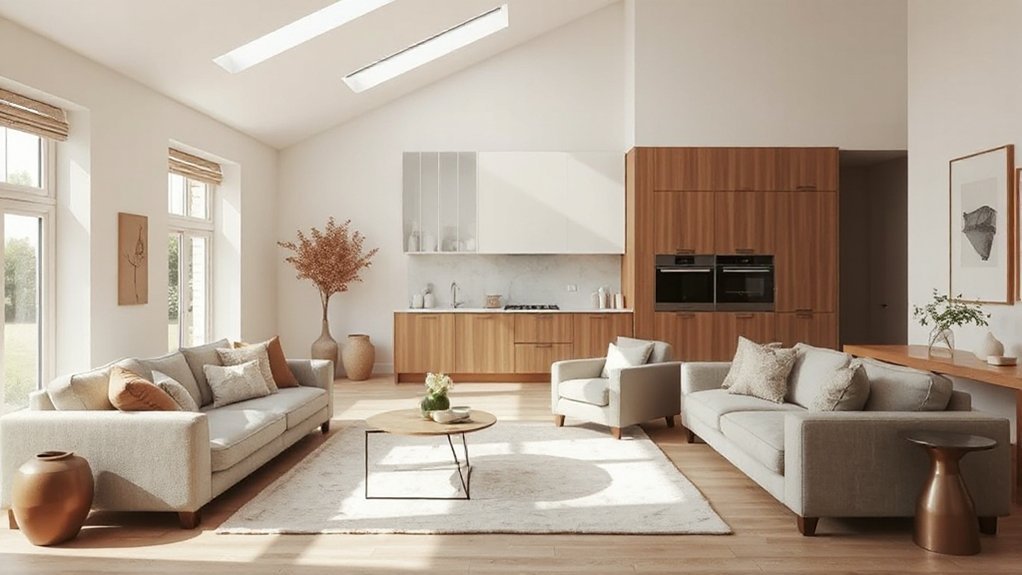
If you’re aiming for minimalist comfort, restraint in décor is your best ally: prioritize clean lines, quiet palettes, and purposeful details that feel luxurious without shouting for attention. You’ll fuse practicality with subtle artistry by using restrained textures and intentional negative space, letting artistic expression breathe in quiet corners.
Leverage color psychology: cool neutrals with warm accents to cue calm, focus, and a sense of cohesion across rooms.
- Choose low-contrast palettes and tactile finishes that read luxe without ornament.
- Select a few statement pieces—like a sculptural chair or artful lamp—rewarded by strategic placement.
- Integrate hidden storage to keep surfaces clear and mood intact.
- Emphasize lighting shifts—soft ambient, task lighting, and warm highlights to shape atmosphere.
Create Plant-Forward Interiors for Air and Mood
Houseplants aren’t just décor they’re a living air filter and mood shift, so lean into a plant-forward approach that prioritizes both health and atmosphere. You’ll design with purpose, selecting species that tolerate UK light and humidity while offering visual impact.
Group plants into focal clusters near seating and work zones to maximize air exchange and perceived calm. Prioritize varied textures, sizes, and foliage colors to create depth without clutter.
Implement a practical care system: labeled watering schedules, regular pruning, and a simple rotation calendar to keep indoor greenery thriving. Use planters with good drainage and consistent repotting intervals to prevent root bound stress.
Track metrics like humidity, comfort, and perceived air freshness to refine placements. Plant wellness, Indoor greenery yield tangible mood benefits and justify ongoing care.
Plan Your 2026 Refresh: A Practical Step-by-Step Checklist
Kicking off your 2026 refresh is all about a clear, actionable plan: start with a quick audit of what’s working and what isn’t, then map out a month-by-month checklist that aligns with your lifestyle and budget.
You’ll translate insights into concrete steps, prioritizing high-impact updates first and allocating budget thoughtfully. Track progress with simple milestones, and adjust as needed to stay on track.
Budget planning should address materials, labor, and contingencies, while keeping style goals in focus. When you’re ready to execute, choose reliable partners, especially for contractor selection, and maintain transparent timelines.
Maintain flexibility to incorporate emerging trends without overhauling core designs.
- Audit and prioritize improvements
- Set budgets and timelines
- Vet contractors and materials
- Schedule phased execution
Frequently Asked Questions
What Are 2026 Uk-Specific Color Trend Forecasts?
For 2026, expect warm, nature-inspired tones with muted greens, earthy ochres, and slate blues dominating UK palettes. You’ll lean on practicalities, pairing historic accents with modern neutrals.
Use eco-friendly materials like recycled metals and FSC woods to keep schemes grounded. You’ll layer textures—linen, wool, jute—for depth.
Avoid overly saturated hues in small spaces; instead, highlight architectural features with tasteful color pops.
Plan colorways that age gracefully while echoing timeless British interiors.
How to Balance Sustainable Design With Affordability?
Balancing sustainable design with affordability starts with smart choices. You prioritize Eco friendly materials that are durable and locally sourced, cutting transport costs and waste.
Pair those with Budget friendly upgrades—like repainting instead of new furniture, thrifted finds, and modular pieces you can reconfigure over time.
Plan a tight budget, track every purchase, and favor timeless styles over fast trends.
You’ll reduce waste, save money, and still land a fresh, eco-smart home that adapts as needs change.
Which Storage Solutions Suit Small UK Homes Best?
Yes—opt for clever, compact options. Creative storage under stairs, wall-mounted shelving, and bed frames with built‑in drawers maximize every inch.
Choose space saving furniture like fold‑out desks, nesting tables, and modular seating that reconfigures for guests.
Use vertical hacks: peg rails, magnetic strips, and tall wardrobes with shallow sash organizers.
Prioritize multi‑functional pieces, rounded corners for safety, and understated finishes to keep rooms feeling airy and coherent.
Can Bold Patterns Work in Minimalist Spaces?
Bold patterns can work in minimalist spaces if you use them sparingly and smartly. Start with one bold element, like a rug or art, to create a focal point. Then balance with neutral walls and simple furniture.
About 60% of designers say contrast boosts room depth, so keep scale small and textures varied. You’ll feel energized without overpowering calm.
Pair sharp lines with soft textiles to maintain that practical, trend-savvy look.
How to Refresh the Home for Seasonal UK Weather?
Yes, you can refresh for UK seasonal weather by focusing on practical tweaks. Use seasonal decor ideas like layered textiles, warm tones, and smart lighting to adapt quickly.
Choose weatherproof materials for furniture and cushions, and seal gaps to tame drafts.
Swap soft throws with heavier fabrics, and rotate textures monthly.
Keep moisture controlled with dehumidifiers, and store summer pieces.
You’ll stay cozy, stylish, and ready for changing forecasts while maintaining a trend-savvy feel.
Conclusion
As you refresh, you’ll blend warmth, light, and texture into calm, practical spaces that adapt with life. Choose durable materials, smart storage, and flexible layouts that support work and rest. Let natural palettes and plant-forward touches keep things airy, while restrained decor preserves a serene feel. Commit to sustainable choices without sacrificing style. Remember: slow and steady wins the room—“less is more” with purpose, so plan, implement, and enjoy the 2026 vibe.
About the Author