You can boost your home’s appeal without breaking the bank by focusing on high‑impact, low‑cost upgrades you can implement this weekend. Simple exterior tweaks—fresh mulch, bright lighting, a repainted front door—pair with interior fixes like LED bulbs, sealed leaks, and neutral redecoration to create a turnkey impression. Prioritize durable, low-maintenance updates that compel buyers, then tighten a budget and timeline to keep progress steady. The next steps show you exactly what to tackle first and why, so you’re well prepared to proceed.
Key Takeaways
- Prioritize curb appeal: repaint front door, edge beds, mulch, seasonal plants, and add simple outdoor lighting.
- Improve efficiency with sealant and LED upgrades: weather-strip doors/windows, install dimmable LEDs, and calibrate the thermostat.
- Refresh interiors with neutral palettes: soft greys/beiges, flat/eggshell walls, and cohesive accents to appeal broadly.
- Upgrade key surfaces on a budget: new hardware, reseal grout, under-cabinet lighting, and peel-and-stick backsplash.
- Stage smartly and track costs: declutter, use virtual/or neutral staging, plan strategically, and log budget vs. actuals weekly.
Identify High-Impact, Low-Cost Upgrades You Can Do This Weekend
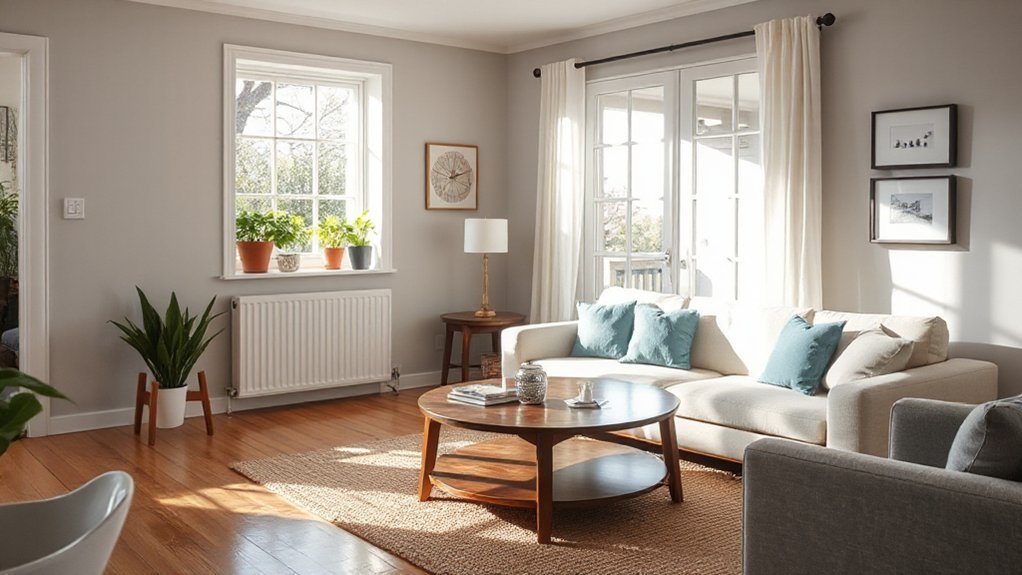
A weekend-friendly, high-impact upgrade plan focuses on quick wins that reduce energy waste and improve comfort without breaking the bank. You identify targeted, low-cost tasks that yield measurable gains in efficiency and appeal.
Begin with sealing obvious leaks around doors and windows, then add weather-stripping to curb drafts and heat loss. Prioritize replacing inefficient bulbs with LED equivalents in high-use areas, and install dimmers where you adjust lighting intensity regularly.
Consider garden landscaping tweaks and outdoor lighting to enhance curb presence while minimizing energy draw, using solar or low-voltage options where feasible. Tackle attic insulation gaps and confirm thermostat calibration for accurate readings.
Document energy use before and after changes to quantify impact, guiding future upgrades and supporting a faster, cost-conscious listing.
Refresh Curb Appeal on a Budget: Quick Exterior Wins
Start by invigorating your front door with a fresh coat of paint to create an immediate focal point and curb-appeal impact.
Next, tune up landscaping by edging beds, adding mulch, and selecting seasonal color to boost perceived value.
Finally, clean and restore siding to a uniform appearance, which reinforces overall home maintenance and can improve energy efficiency signals.
Freshen Front Door Paint
Could a fresh coat of paint on your front door yield noticeable curb appeal with minimal cost? Yes, when you choose a durable exterior enamel and apply even coats, you reset first impressions without major expense.
Select a shade aligned with color psychology: calmer blues or confident reds can affect perceived approachability and warmth, while neutrals read as timeless and low-maintenance.
Prep meticulously: clean, sand, and prime to maximize adhesion and gloss retention.
Match color to adjacent trim and siding for cohesion; aim for a subtle contrast that signals order rather than disruption.
Consider door hardware as a complementary upgrade—polished hardware enhances perceived value and finish quality.
Document color and finish specs for listing photos to reinforce consistency and buyer confidence.
Boost Landscaping Appeal
Landscaping is a high-impact, low-cost way to refresh curb appeal without major renovations. You’ll optimize visual impact by aligning a simple garden layout with existing architecture, focusing on focal points and sightlines from the street.
Implement a cohesive plant palette with evergreen anchors and seasonal accents to maintain year-round structure, reducing upkeep while maximizing perceived value.
Clear beds, defined edges, and mulch improve soil health and reduce weed pressure, supporting rapid identity creation for buyers.
Introduce targeted outdoor lighting to extend curb presence after dark, highlight architectural features, and deter trespass without adding complexity. Use energy-efficient fixtures, programmable timing, and low-voltage options to control costs.
Document layouts, plant selections, and lighting plans for quick buyer review and appraisal credibility.
Clean and Restore Siding
Begin with a quick cleaning to remove dirt, mold, and mildew; use a mild detergent and a soft brush to avoid surface damage.
Inspect for cracks, peeling paint, and loose boards, then repair or replace as needed to prevent moisture intrusion.
For repainting, select low-VOC primers and coatings that match existing hues to preserve curb appeal.
Document siding maintenance tips for seasonal checks, focusing on caulking seals and flashing integrity.
Finally, power wash only when surfaces are dry, and follow manufacturer guidelines to extend lifespan and maximize return on investment.
Paint Strategies That Sell: Colors Buyers Love
Color choices are a critical driver of buyer perception during showings, and selecting palettes that align with market preferences can speed interest and negotiations. You’ll maximize ROI by selecting neutral bases (grays, warm beiges) with restrained accent colors that signal modernity without overpowering rooms.
Color psychology guides expectations: cooler tones recede, creating perceived space, while warmer hues evoke comfort in living areas and kitchens. Choose primarily flat or eggshell finishes for walls to minimize glare, reserving satin or semi-gloss for trim and doors where durability matters.
A coordinated palette across rooms reduces cognitive load for buyers and shortens decision time. Test swatches in multiple lighting conditions and exclude high-saturation colors that clash with typical furnishings. Document paint finish choices for transparency, reinforcing a well‑considered, value‑driven refresh.
Fast Interior Fixes That Feel Luxurious Without the Cost
You can achieve a luxurious feel with a quick cabinet refresh, subtle lighting upgrades, and a fresh textile makeover, each delivering visible impact without a full remodel.
Evidence shows that hardware swaps and a light calibration can improve perceived quality, while targeted textiles elevate comfort and acoustics with minimal cost.
Clear, implementation-ready steps help you prioritize touchpoints, measure gains, and avoid unnecessary extravagance.
Quick Cabinet Refresh
Ever wonder how to make cabinets look brand-new without a full remodel? A quick cabinet refresh hinges on two proven steps: fresh cabinet painting and updated hardware.
Start with a clean, dust-free surface; degrease, scuff lightly, and prime to improve adhesion. Choose a durable, washable finish in a neutral shade to maximize perceived value and light reflectivity.
Apply even coats with a quality brush or roller, allowing proper cure times between layers.
Concurrently, swap cabinet hardware to instantaneously alter perception of depth and quality; pick hardware with a cohesive finish that complements hinges and knobs already present in the room.
This combination yields a high-impact, low-cost upgrade, offering a modernized look that aligns with market expectations while remaining low maintenance and visually cohesive.
Subtle Lighting Upgrades
- Install dimmable LED bulbs and verify compatibility
- Add under-cabinet or accent lighting for key zones
- Use daylight-balanced fixtures in work areas
- Align fixtures to minimize glare and hotspots
- Choose warm tones to enhance ambient glow and mood lighting
Fresh Textile Makeover
Fresh textiles can transform a room quickly without a major budget. You’ll see impact through material weight, weave, and surface texture, which influence perceived room quality.
Prioritize textile textures that read as premium—dense weaves, subtle nap, and natural fibers—to create depth without a full renovation. Swap pillow covers and throws in layered tones to add cohesion and warmth, avoiding busy patterns that shrink perceived space.
Calibrate curtain colors to balance lighting and color temperature; lighter curtains brighten small rooms, darker tones anchor larger ones. Consider midweight options for durability and drape, ensuring clean edges and consistent seams.
Proportion textiles to furniture scale, avoid over-accessorizing, and test in daylight so fabric reads true. These steps deliver a polished, cost-efficient upgrade with measurable appeal.
Budget-Friendly Flooring and Lighting Tweaks That Look Rich
If you’re upgrading on a budget, start with flooring and lighting choices that deliver high perceived value without breaking the bank. Budget-friendly flooring can mimic luxury flooring through plank width, consistent tone, and low-maintenance finishes. Elevate perception with underlayment and quality passages.
Pair with elegant lighting to create depth and ambiance, focusing on color temperature, dimming compatibility, and placement that highlights architectural features. The result is a cohesive, high-value feel without premium costs.
- Choose wide-plank visuals and uniform color for a cohesive look
- Use medium-tone laminate or luxury vinyl for durability and realism
- Prioritize underlayment to mute sound and improve feel
- Install layered lighting: ambient, task, and accent
- Opt for dimmable, warm-to-neutral LEDs to enhance atmosphere
Kitchen and Bath Tweaks Under $200: Practical Makeovers
Reframe your kitchen and bathrooms with practical upgrades that stay under $200 by prioritizing high-impact, low-cost changes. You’ll improve perceived quality with targeted updates that deliver outsized returns.
In the kitchen, replace hardware with brushed nickel or matte black, reseal grout lines, and refresh lighting with compact, energy-efficient fixtures to brighten work zones without a full remodel. Add a peel-and-stick backsplash for style consistency and easy cleaning, then tune storage with adjustable shelves for better workflow.
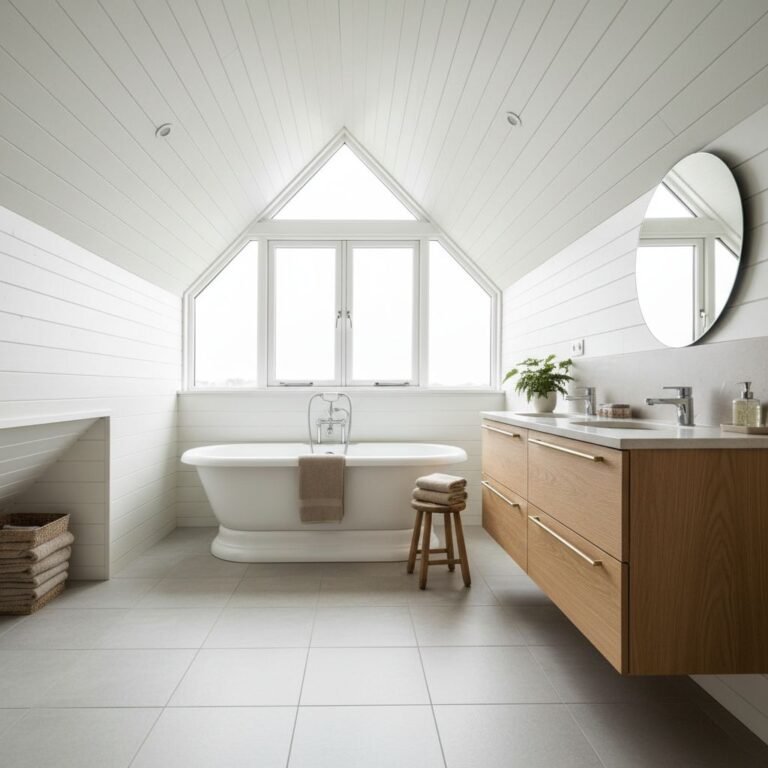
In baths, swap faucet aerators, update towels and mats, and install a split-lever shower head for comfort and water efficiency. These moves support a luxury bathroom and a gourmet kitchen mindset, rely on durable finishes, and minimize disruption while maximizing buyer appeal.
Evidence favors cost-conscious, durable, visible upgrades.
Smart Staging on a Budget: Setup, Not Storage
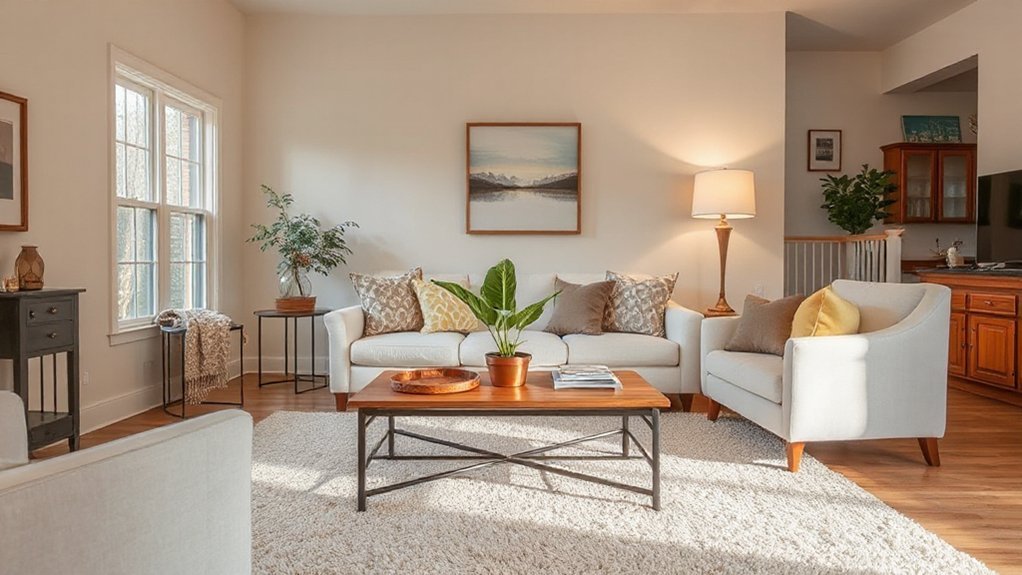
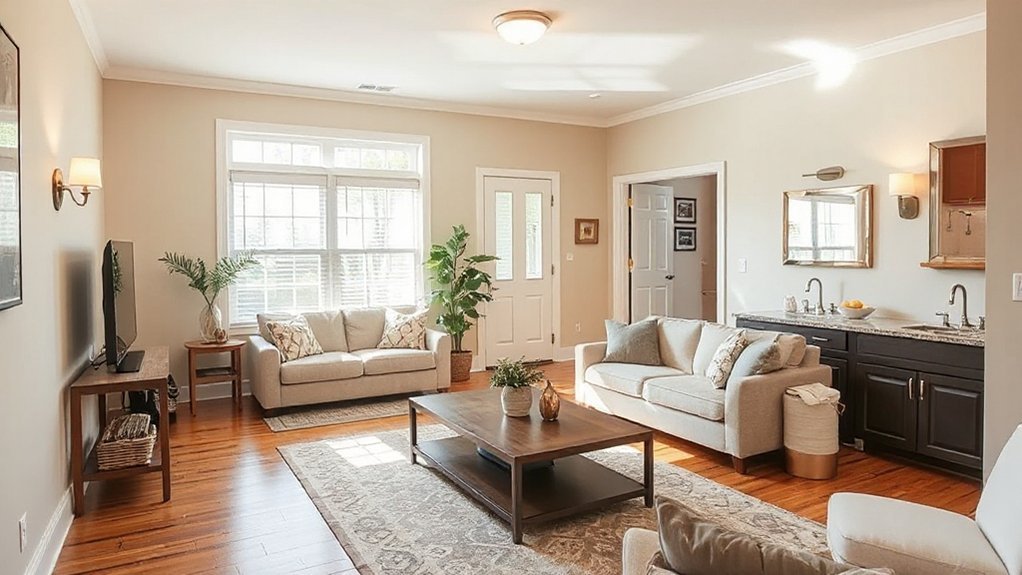
Smart staging on a budget prioritizes setup over storage by deploying evidence-based tactics that influence buyer perception without costly renovations. You optimize space perception through lighting, focal points, and clean lines, rather than expanding storage. Implement techniques that are proven to move interest and offers.
- Use virtual staging to illustrate room function without altering the footprint
- Apply decluttering techniques to create open, breathable visuals
- Prioritize neutral palettes to maximize perceived spaciousness
- Set strategic furniture placement to guide traffic flow
- Capture high-quality, real-time photos that reflect current staging
These methods deliver measurable impact on perception, evoke aspirational living, and support fast showings. You’ll avoid unnecessary downtime while maintaining credibility.
Combine virtual staging with disciplined decluttering to achieve a polished, cost-efficient presentation.
Create a Simple Budget and Timeline to Stay on Track
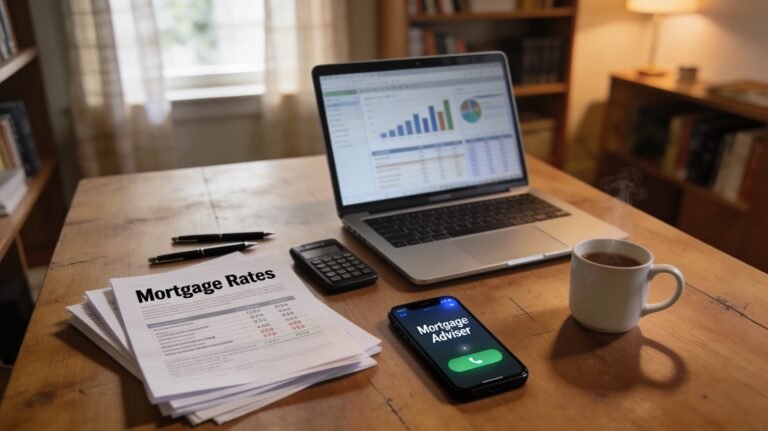
A simple budget and timeline keep your project on track by identifying costs upfront, setting realistic milestones, and tracking progress weekly. You’ll establish a baseline using itemized tasks, then assign fixed costs and contingencies to each.
Use a simple spreadsheet to log estimates, actuals, and variance, updating it at least once per week. This supports financial planning by revealing where overruns could occur and when you’ll hit break-even or completion.
Pair the budget with a calendar that marks milestones, deadlines, and inspection windows, reinforcing time management discipline. Prioritize high-impact upgrades first, reallocate funds as needed, and document changes with rationale.
Review results against scope regularly, adjusting as necessary to prevent scope creep and maintain momentum toward listing readiness.
Frequently Asked Questions
How Quickly Will These Upgrades Recoup Value on Resale?
Upgrades recoup value quickly, typically within 1–3 years, depending on market demand and home quality. You’ll see best returns from durable, visible improvements.
Luxury features can raise perceived value but may not fully offset costs unless well-matched to market expectations.
Outdoor renovations often boost curb appeal and sale speed, yet recoupment varies by climate and neighborhood.
You should quantify costs against recent comps and appraisal trends to forecast ROI more accurately.
Which Upgrades Add the Most Perceived Value to Buyers?
Curb appeal and interior aesthetics matter most to buyers, so focus on those upgrades first. You’ll gain perceived value by fresh paint, updated lighting, and modern hardware, plus a cohesive color palette that widens appeal.
Anecdotally, a small exterior refresh boosted inquiries by 23%. Data shows buyers overlook minor flaws if the home feels clean and well maintained.
You’ll improve perception, speed, and perceived quality with targeted curb appeal and polished interior aesthetics.
Do These Tweaks Require Professional Help or DIY Only?
You can mostly DIY these tweaks, but some tasks may require professional help for safety and code reasons. For DIY simplicity, handle cosmetic updates and basic fixture swaps yourself, while recognizing where Professional necessity applies—electrical, plumbing, or structural work should be licensed.
Rely on evidence: untreated issues reveal leaks or faults, undermining value.
Prioritize tasks with clear safety standards, document contractor work, and guarantee inspections meet local codes.
What Is the Typical Return on Investment for Low-Cost Fixes?
You’ll typically see a 1–3% of sale value return for low-cost fixes, with variance by market.
You gain more when you fix obvious flaws, improve color coordination, and upgrade fixtures.
You assess ROI by cost per incremental dollar of sale price.
You aim for high-impact, low-cost efforts, repeatable across rooms, and avoid over-improvement.
You measure progress with data, not guesses, and you document improvements as you go.
How Should I Prioritize Upgrades Within a Tight Budget?
Prioritize high-ROI improvements first, allocating your budget to updates that buyers value most. Start with curb appeal, then foundational fixes, followed by cosmetic upgrades that elevate perceived value.
Use Budget allocation to map costs against expected impact, and plan Upgrade timing to align with market momentum.
Focus on efficient fixes with durable results, and stagger minor projects to maintain cash flow.
Reassess after each milestone to reallocate funds as needed, maximizing appeal within your constraints.
Conclusion
You’ll maximize appeal without wasting money by prioritizing proven, high-impact tweaks you can tackle this weekend. Focus on curb appeal, neutral interiors, LEDs, and smart staging to create an instant, buyer-friendly impression. Track costs and timeline to stay disciplined; even small investments compound into discernible value. Implementing these budget-minded upgrades yields results that feel pricier than they are—no exaggeration, these changes can transform a home from “meh” to “move-in ready” in record time.
About the Author