
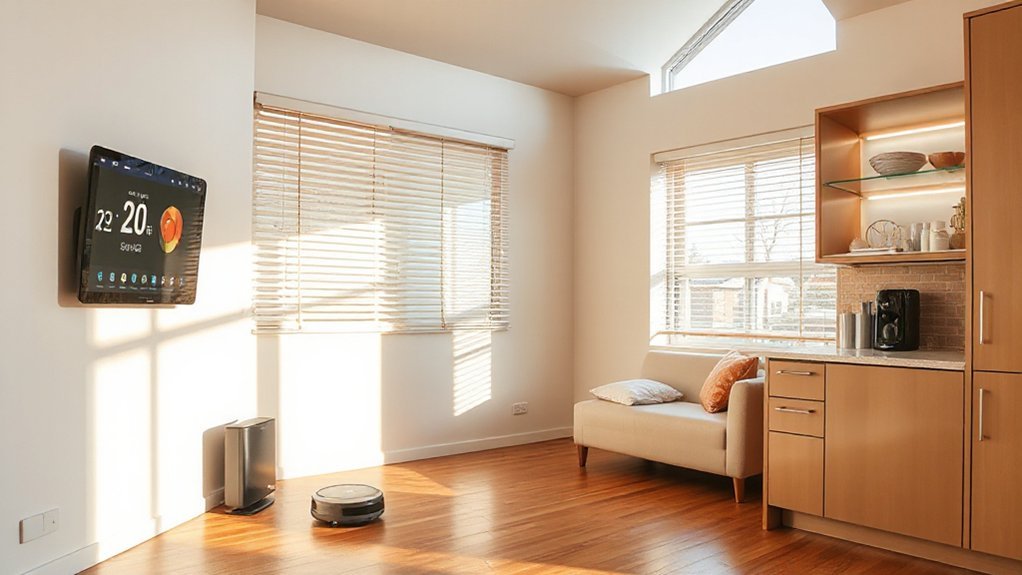
You may not realize how much a solid hub and stable Wi‑Fi frame every smart home around—without them, all the kit fights you. Start with practical basics, then layer in energy and security upgrades that pay off over time. Think scalable automations, open protocols, and privacy‑focused controls that actually work together. Curious how to balance immediate gains with future compatibility while keeping data safe? Let’s map out a thoughtful path that avoids short-term gimmicks and aims for lasting value.
Key Takeaways
- Prioritize energy-saving upgrades: smart thermostats, LED lighting, and smart seals to cut bills fast.
- Invest in robust Wi‑Fi and a multi‑ecosystem hub for reliable, interoperable automations.
- Focus on scalable, modular designs with open protocols and clear data ownership.
- Implement privacy-first security: strong passwords, MFA, encrypted DNS, and device segmentation.
- Build comfort and value with automation that improves daily use and measurable ROI over time.
How to Choose Upgrades That Pay Off
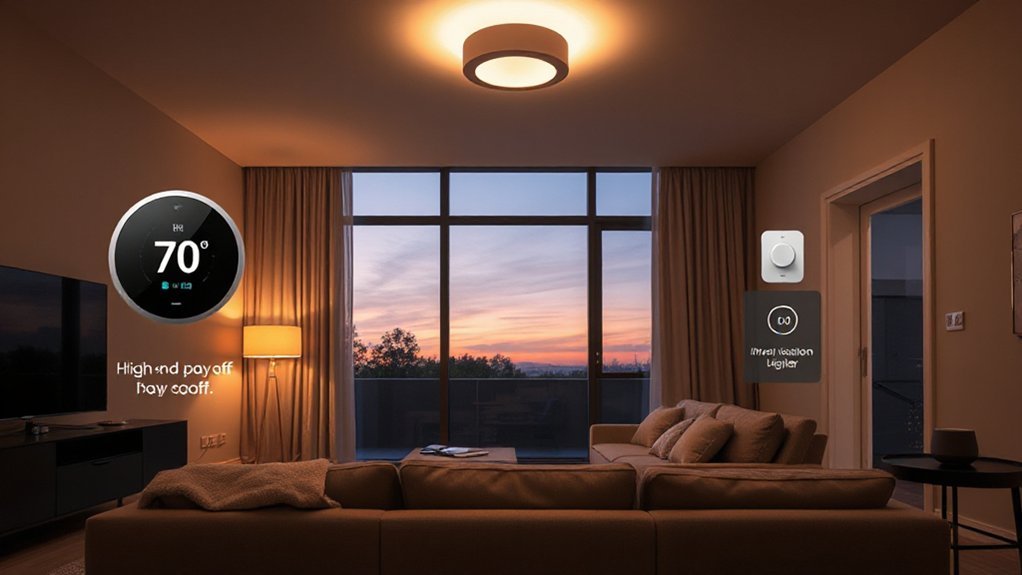
To pick upgrades that pay off, start by defining your priorities: comfort, energy savings, or home value. You’ll then map each goal to concrete features you actually use.
If comfort tops your list, choose voice-controlled lighting scenes, ergonomic automations, and intuitive responses from voice assistants that reduce friction.
For energy savings, target integrations that learn schedules, optimize heating and cooling, and monitor appliance usage with clear dashboards.
If increasing home value matters, prioritize scalable AI integrations that show a measurable ROI and simple future-proofing options.
Evaluate cost-to-benefit with three questions: ease of use, reliability, and integration depth with your existing systems.
Track results after 30 days, adjust settings, and prefer upgrades that compound benefits over time.
Core Foundations: Stable Wi‑Fi, Hubs, and Automations
Stable Wi‑Fi, reliable hubs, and thoughtful automations are the backbone of a smart home you can actually rely on. You’ll start by ensuring strong coverage everywhere, with mesh or repeaters where signals falter, so every device responds promptly.
Choose hubs that support multiple ecosystems, improving interoperability and reducing friction when adding new gear. Build automations around reliable triggers and clear sequences, not flaky delays.
Prioritize voice control for hands‑free routines, but verify that commands stabilize across devices and platforms. Document a baseline routine map: lighting, climate, and alerts should converge without conflicts.
Regularly audit firmware and privacy settings, segregating guest access from core controls. Aim for scalable schemas: simple rules, centralized monitoring, predictable outcomes, and a future‑proof foundation that grows with your smart home.
Energy-Saving Upgrades That Cut Bills Fast
Smart energy gains start with targeted upgrades you can implement this month: swap out old bulbs for LEDs, install smart thermostats, and seal leaks around doors and ducts to stop wasted heat or cooled air from leaking out.
You’ll see rapid returns by prioritizing Smart lighting and door/window seals that reduce phantom loads and draft-driven loss. Pair smart controls with timing schedules to minimize usage during peak rates, then shift to Energy efficient appliances that match your load profile without sacrificing performance.
Track real-world results with a simple monthly comparison of bills and consumption. This approach blends practical steps with a clear vision: smarter defaults become permanent habits, delivering steady, predictable savings while you modernize your home’s efficiency.
Secure Your Smart Home: Privacy-First Security Upgrades
Secure your smart home by prioritizing privacy-focused security upgrades that you can implement this month. You’ll tighten access with strong, unique passwords and enable multi-factor authentication on every device and account. Disable unused features and close default ports to reduce exposure.
Use a privacy-centric hub or router that supports VPN routing and encrypted DNS. Then segment your network so IoT devices stay isolated from your computers. Regular firmware updates and auto-rollouts matter, so enable automatic updates where possible.
When voice-enabled devices are in use, implement voice recognition safeguards and disable cloud storage of voice samples unless you opt in. Guarantee data encryption at rest and in transit across all devices, apps, and cloud services.
Prioritize audits, alerts, and minimal data collection to maintain control.
Build a Cohesive, Scalable Smart-Home System for the Long Term

To build a cohesive, scalable smart-home system for the long term, start by mapping your core functions and growth paths. Then design a modular architecture that can adapt as new devices and standards emerge. You’ll prioritize a home hub that supports open protocols, robust updates, and clear ownership of data flows.
Plan device groups by function (security, comfort, energy) and define interaction rules to guarantee consistent behavior across rooms. Choose voice assistants as a central interface, but keep alternative controls (apps, remotes) to avoid bottlenecks.
Invest in smart lighting with interoperable controls, scenes, and automation triggers to drive energy savings and atmosphere. Document schemas, update cycles, and fallback paths to future-proof the system against evolving ecosystems.
Prioritize security, scalability, and user experience.
Frequently Asked Questions
How Often Should I Update My Smart Home Firmware?
You should update your firmware about every few months, or as soon as critical security patches arrive. Stay practical by enabling automatic updates where possible, and review release notes for device compatibility before applying.
If updates sometimes cause glitches, stagger them across devices and back up settings first. Prioritize firmware updates that improve security and performance, and verify device compatibility with your hub or ecosystem after each upgrade to keep plans visionary and seamless.
What Is the Typical ROI for Major Upgrades?
Like a whisper of progress, your ROI for major upgrades centers on energy savings and security enhancements. You’ll see payback in 2–5 years, often sooner with efficient devices and smart thermostats, LED lighting, and robust encryption.
You gain steady energy cuts and fewer risk events, plus higher home value. You’ll measure it in dollars saved and peace of mind, not hype.
Plan, prioritize, and deploy incremental upgrades for lasting, practical impact.
Can Smart Devices Work With Non-Eco-Friendly Ecosystems?
Yes, smart devices can work with non-eco-friendly ecosystems, but you’ll face compatibility challenges. Eco friendly integration matters, so you’ll want hubs or bridges that translate protocols and prioritize energy-aware routines.
Expect device limits, slower response times, and potential security gaps if ecosystems clash. You’ll reduce friction by sticking to widely supported standards, updating firmware, and planning automations that gracefully failover.
With clear goals, you’ll create a practical, visionary setup despite compatibility challenges.
Do Smart Devices Need a Paid Subscription to Be Useful?
No, smart devices don’t need a paid subscription to be useful, though some perks exist. You’ll get core control, automation, and local features without ongoing fees.
Subscription benefits often enable advanced rules, remote access, voice assistant pro features, or cloud backups.
Pay attention to device compatibility, as ecosystems vary.
If you don’t value extra services, you can still build a capable setup that meets daily needs with reliable, offline functionality and smart routines.
How Do I Handle Device Decommissioning and Data Deletion?
If you’re decommissioning a smart device, erase all data and perform factory resets before disposal. For example, you recycle a smart speaker, remove it from your account, and wipe saved voices and logs.
Guarantee data privacy by deleting cloud backups where possible.
Promote Device recycling by partnering with certified e-waste programs, and document the process.
You’ll protect personal info while setting a practical standard for future updates and responsible technology use.
Conclusion
You’re aiming for a balance of efficiency, security, and future-proofing. Focus on solid Wi‑Fi, a capable hub, and reliable automations first, then layer in energy-saving devices and privacy-first security. This practical setup cuts bills now while building long-term value. Plan for growth with open standards and scalable components. Remember: slow and steady wins the race—start small, expand thoughtfully, and your smart home will adapt as needs evolve while staying secure and efficient.
About the Author