Did you know that well-kept historic streets can boost property values by up to 5–10%? You’ll want a practical plan that preserves brickwork, period details, and durable finishes while keeping maintenance low. Start small with fresh paint, tidy borders, and smart lighting, then layer in native, low-maintenance greenery and durable edging. Stay mindful of planning constraints, use authentic materials, and establish a simple maintenance routine; the result is a cohesive, inviting kerb that invites further improvements you’ll be glad you pursued.
Key Takeaways
- Restore and harmonize streetscape elements (pavings, lamps, walls) with period craftsmanship and consistent scale with surrounding façades.
- Use durable, breathable, lime-based or UV-protected finishes and match mortars to historic methods for long-lasting authenticity.
- Introduce low-maintenance greenery with native plants, neat edging, and cohesive planting blocks to soften streets and support wildlife.
- Improve curb appeal with lighting that minimizes glare (2700–3000K) and targeted pathway/entry lighting to accent architecture.
- Plan routine maintenance and small, high-impact renovations (new hardware, updated doors, defined borders) for sustained curb appeal.
What Kerb Appeal Means on Historic UK Streets
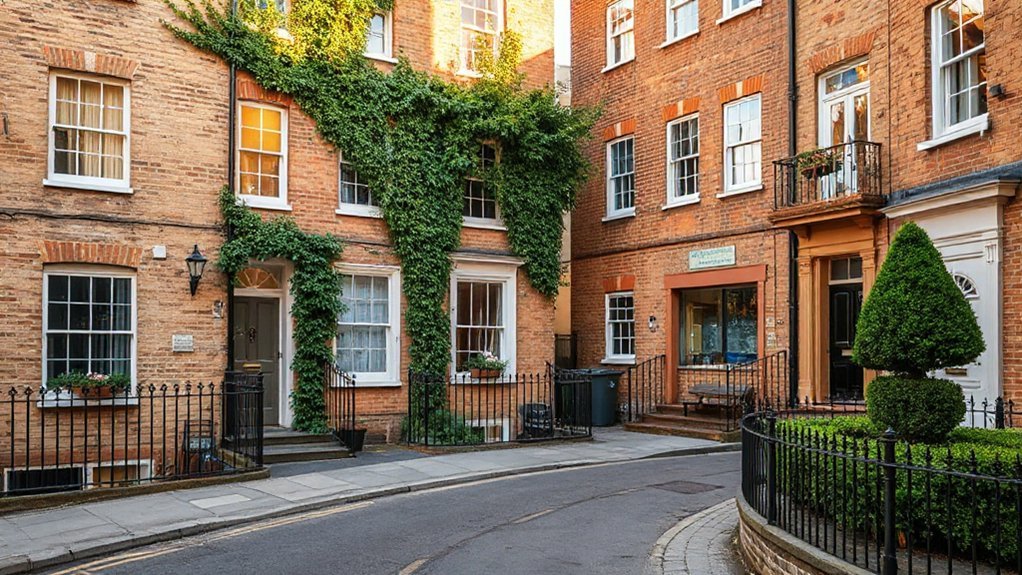
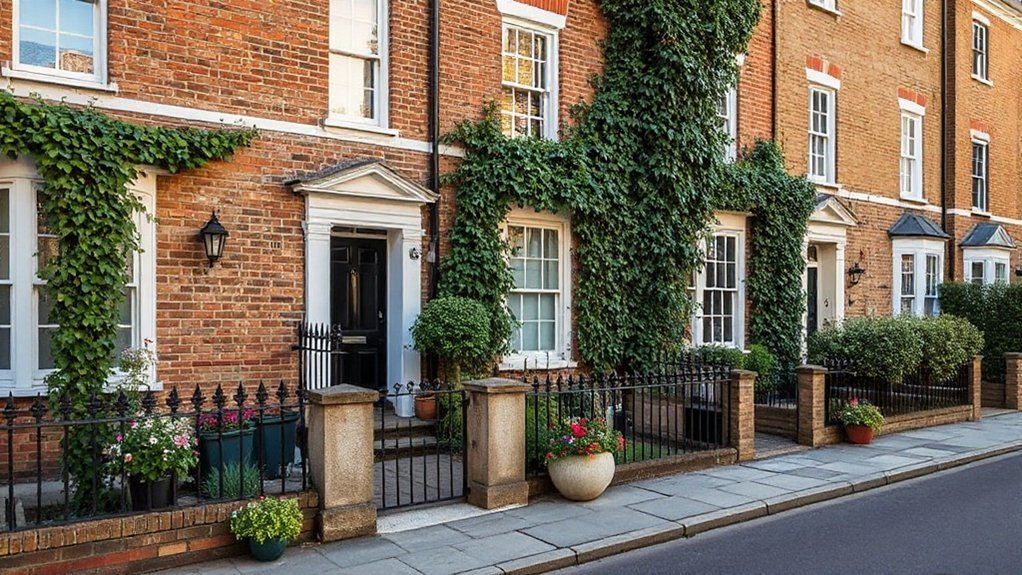
Kerb appeal on historic UK streets isn’t just about looks; it’s about how a chalk-and-brick street scene communicates history to passersby. You assess kerb presence by considering how each element signals historic significance and architectural authenticity.
The pavements, lamps, and boundary walls should reflect the period’s craft, not modern generic styling. You’ll notice texture in render, coursing, and brickwork that tells a tangible story of builders, trades, and local materials.
Footway furniture, if present, should align with period sensibilities and avoid overpowering the overall streetscape. You prioritize consistency with surrounding façades, proportion, and rhythm, ensuring new interventions respect scale and detailing.
Purposeful maintenance—clean, repair, and protect—preserves authenticity while enhancing legibility, so passersby perceive a coherent, historically rooted streetscape.
Preserve Key Period Details on the Façade
Focus on decorative brickwork, cornices, windows, and door cases that reveal architectural evolution without overhauling the silhouette. When repairs are needed, match mortars, timber profiles, and glazing to historic methods, avoiding modern substitutes that erase integrity.
Document changes, so successors understand the rationale behind each decision. Seek authentic materials sourced locally where possible, supporting historic significance and sustainability.
Prioritize stability over cosmetic changes, maintaining proportional relationships and rhythm with neighboring façades. This approach reinforces architectural preservation while enhancing curb appeal, delivering a durable, historically honest streetscape.
Weather-Ready Finishes That Respect Character
Weather-ready materials keep age-worn streets resilient, so you’ll prioritize durable, low-maintenance surfaces that stand up to UK weather without masking character.
Choose finishes that weather naturally, respect period details, and resist chasing trends. Then pair them with detailed treatments that extend life and ease upkeep.
This approach starts a practical, precise plan: assess material choices, apply protective, low-maintenance coatings, and schedule routine checks to maintain curb appeal.
Weather-Ready Materials
Weather-ready finishes should be chosen for both performance and character, ensuring materials stand up to UK weather while echoing the street’s historic look. You’ll select weather-ready materials that resist rain, frost, and temperature swings without sacrificing period details.
Prioritize storm resistant materials for exterior walls and doors, so setbacks don’t become long repairs. Use weatherproof paint with UV protection and breathable membranes to manage moisture under traditional renders and brickwork.
Confirm compatibility with existing finishes, avoiding sheen levels that clash with historic tones. Consider lime-based or modern cementitious renders that accommodate damp masonry while preserving texture.
Apply sealants at joints and around openings to reduce drafts. Document maintenance timelines, focusing on repaint cycles and patching, so upgrades stay visible and durable for decades.
Character-Respecting Finishes
Ultimately, choose finishes that honor a street’s character while standing up to UK weather, so every detail reads as authentic and durable. You’ll prioritize textures and tones that echo nearby historic properties without copying them exactly, ensuring a cohesive streetscape.
Opt for materials that age gracefully, resisting damp, frost, and rain with low maintenance needs and proven durability. When selecting finishes, consider historic preservation guidelines and how each surface communicates a sense of place.
Use restrained color palettes and traditional textures to support character preservation while remaining practical for daily use. Apply protective coatings that enhance longevity without masking architectural details.
Document finishes in a simple maintenance schedule, enabling timely touch-ups. This approach maintains authenticity, reduces future renovation cycles, and respects the streetscape’s enduring charm.
Durable, Low-Maintenance Surfaces
Start with cladding options that gate moisture ingress while preserving historic textures. Timber is appealing but requires treatment, so consider engineered options or fibre cement for longevity.
For walls and boundaries, choose coatings that resist staining yet breathe, preventing damp buildup behind decorative facades.
In driveways, prioritize sturdy driveway materials like permeable pavers or resin-bound surfaces that drain water and deter moss.
Use color palettes that echo local tones to maintain harmony with neighboring properties.
Plan detailing that minimizes cracks, seals joints effectively, and allows for easy patching, so the street stays welcoming year-round with minimal intervention.
Garden Edges and Low-Maintenance Greenery
You can start with low-maintenance planting that thrives in UK street environments, choosing hardy perennials and grasses that reduce mowing and upkeep.
Edge definition styles should be clear and practical, from timber to steel or low brick edging, so borders stay neat without frequent maintenance.
Native garden choices anchor curb appeal in local character, balancing seasonal interest with minimal care while supporting local wildlife.
Low-Maintenance Planting
Choose a limited palette to reduce upkeep and ensure cohesion along garden edges. For flower beds, mix evergreen structural plants with seasonal color accents, planting in cohesive blocks rather than scattered groups.
Use decorative borders to define zones and suppress weed growth; install edging that remains in place through weather and pedestrian contact.
Mulch generously to conserve moisture and suppress weeds, revitalizing annually.
Opt for drought-tolerant options where rainfall is unreliable, and group plants by sun exposure.
Irrigate with a simple drip system or soaker hose, targeted at root zones, to minimize water waste and effort.
Regularly prune only to shape, not to overhaul.
Edge Definition Styles
Edge definition is the backbone of a tidy, low-maintenance front garden: clear, durable borders keep mulch, plants, and paving contained while enhancing curb appeal.
You’ll evaluate garden borders by material durability, weather resistance, and ease of installation, choosing options that suit heavy footfall and vehicle adjacency.
For border options, select profiles that deter soil displacement yet remain visually unobtrusive. Concrete kerbs offer rigidity and longevity; metal and plastic strips provide flexibility where curves predominate.
Consider timber sleepers for softer aesthetics if treated to resist rot, or block walls for a robust boundary against weeds.
Define boundary zones with mulch or gravel to reduce maintenance; reuse the same palette along paths and driveways for coherence.
Prioritize clear sightlines and low maintenance, ensuring consistent edge that reinforces overall garden borders.
Native Garden Choices
For garden design, map a simple sequence: a front-row groundcover, a mid-layer of compact shrubs, and a seasonal highlight near sightlines. Use species with natural drought tolerance to cut upkeep. Plant in cohesive blocks to minimize weed intrusion and maximize weed-suppressing shade.
Maintain borders with early-season trimming, mulching, and occasional soil amendments rather than heavy overhauls. Favor unobtrusive textures and greens that complement brickwork.
This approach delivers resilient curb appeal while preserving the street’s character and reducing long-term maintenance.
Lighting That Flatters Without Glare
To illuminate an older UK street without creating glare, choose lighting that blends with the curbline and directs light downward where it’s needed. You’ll want fixtures with full-cutoff optics or shielded housings, minimizing horizontal spill while highlighting paths, steps, and porch edges.
Select warm color temperatures (2700–3000K) to preserve ambient evening tones and curb appeal. Install low-level bollards or step lights at even intervals, ensuring even illumination without hotspots. Use diffusers or frosted lenses on wall lights facing the pavement to reduce glare for passersby.
Maintain every fixture with clean lenses and seals to prevent yellowing. Consider residential-grade garden lighting for boundaries, and align landscape lighting with driveway repair work so progression feels seamless, not abrupt.
This approach preserves safety, charm, and property value.
Budget-Friendly Tweaks That Don’t Require Planning Permission
If you’re looking to lift kerb appeal on a budget without tripping planning rules, start with small, high-impact tweaks you can do in a weekend. You’ll focus on practical changes that deliver visible results fast.
Begin with modern landscaping ideas: tidy borders, defined edges, and mulch to sharpen contrast between lawn and path. Swap tired containers for smart, contemporary accessories—sleek planters, a tonal color palette, and a few statement specimens.
Repaint or stealth-update porch railings and doors in durable, weather-friendly hues to refresh the façade without full repaint. Add privacy and personality with lightweight trellis or evergreen screens, avoiding heavy structural work.
Maintain symmetry and low maintenance plants to curb ongoing effort. Keep the look cohesive with a restrained palette and consistent textures throughout.
Case-W Worthy Tweaks: Small Renovations With Big Impact
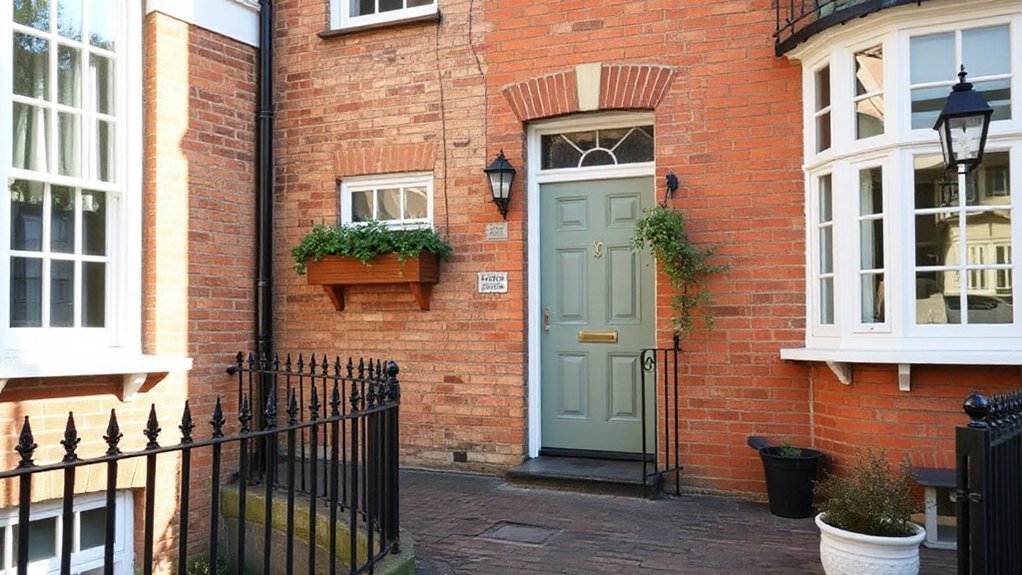
Start with targeted, low-cost upgrades that transform the feel of a street-facing façade fast. You can swap worn door handles, refresh the door with a fresh coat of paint, and replace scuffed house numbers for immediate visual impact.
Add lighting along the path or doorway to highlight architectural details without heavy work. Consider window box planters or a single, well-chosen plant to introduce greenery and seasonal colour.
A clean, well-defined boundary—refurbished gravel, timber edging, or a simple low fence—defines space and adds curb presence. Insist on quality but cost-aware finishes: classic hardware, durable paint, and weatherproof sealant.
These small steps deliver vintage charm now while you plan longer-term improvements as Modern upgrades evolve your streetscape.
A Maintenance Routine to Sustain Curb Appeal
A simple, repeatable maintenance routine keeps curb appeal from slipping between larger projects. You’ll establish a monthly checklist: inspect garden pathways for loose pavers and moss growth, then power wash or scrub as needed to prevent slippery surfaces.
Trim overhanging branches to maintain sightlines and reduce leaf buildup on borders. Clean gutters and downpipes so rainwater doesn’t spill onto walls, eroding finishes over time. Monitor exterior colour schemes, touching up faded trim with the same shade to preserve cohesion.
Replenish mulch to suppress weeds and retain moisture around foundations. Sweep driveways and paths, removing debris that dulls texture. Schedule seasonal tasks like repainting shutters or doors, resealing stone, and revitalizing garden borders with durable plants that require minimal maintenance.
This routine sustains curb appeal between larger projects.
Frequently Asked Questions
How Do I Budget for Curb Appeal on a Tight UK Renovation Plan?
You budget for curb appeal by listing priorities, setting a cap, and phasing costs. Start with a baseline for garden lighting and driveway upgrades.
Then allocate 40% to essentials, 30% to mid‑range improvements, and 30% to contingencies.
Use itemized quotes, track VAT, and add 10–15% for unexpected delays.
Prioritize weatherproof lighting, durable materials, and scalable upgrades so you can adapt as funds change.
Revisit monthly to stay on track.
Can I Improve Kerb Appeal Without Altering Historic Features?
Yes, you can improve kerb appeal without altering historic features. Focus on historic preservation while adding modern landscaping touches.
Start with a careful clean and repair of facades, doors, and paths. Then introduce drought-tolerant plants, tidy borders, and smart lighting that respects the era.
Use sympathetic railings and period-accurate pots.
For practicality, document changes, remove invasive elements, and choose low-maintenance materials to minimize upkeep while maximizing visual impact.
What Permissions Are Typically Needed for Small Front-Yard Changes?
You’ll typically need only permitted garden alterations and a quick check on planning permission requirements for small front-yard changes.
In practice, you can proceed if changes stay within your plot, don’t affect visibility or historic features, and keep materials consistent with the streetscape.
Verify local nuances with your council, and secure any necessary approvals before works begin.
Document your plans, keep records, and expect possible conditions or notifications if anything crosses boundaries.
Which Plants Thrive in Small UK Streets With Shade or Drought?
In shade or drought, you’ll want shade tolerant plants like ferns, hostas, and bergenia, plus drought resistant options such as hardy geraniums, sedums, and lavender.
Choose compact varieties for small front plots, and blend evergreen structure with seasonal color.
Mulch to conserve moisture, water deeply a few times weekly, and pair with light-reflecting foliage.
Use center focal points, tidy edging, and rotate plantings seasonally to maintain year-round interest in limited spaces.
How Long Does It Take to Notice Curb Appeal Improvements?
Curb appeal can start changing in as little as a week, but noticeable shifts usually show within 4–8 weeks as plants settle, lighting improves mood, and attention draws to details.
You’ll see faster impact if you install garden lighting and mailbox upgrades early, while keeping paths clear.
Start by testing a simple, low-cost setup and track progress. You’ll gain momentum as you observe highlights at dusk, guiding your next practical improvements with confidence.
Conclusion
You’ll love how subtle changes turn a street into a story, right? Ironic, isn’t it, that preserving brickwork and period details actually trims future headaches—yet feels like a luxury. You’ll wrap in low-maintenance greenery, smart lighting, and clean borders, so upkeep becomes merely ceremonial. The more you resist flashy overhauls, the more you prove that restraint is genius. In short: respect the character, reap the curb appeal—and yes, you’ll thank yourself later.
About the Author