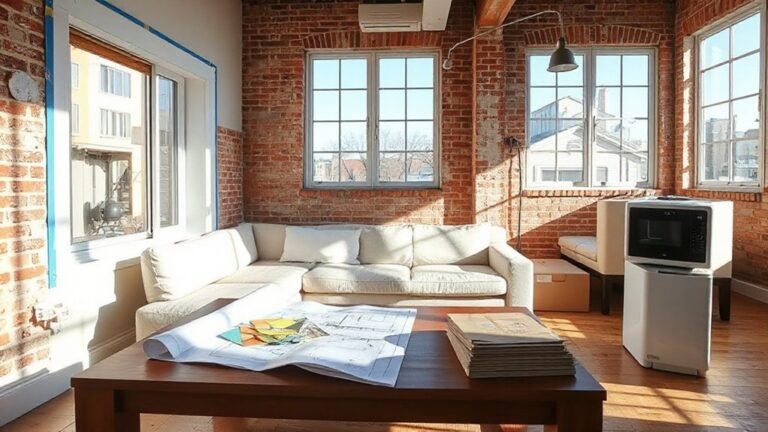
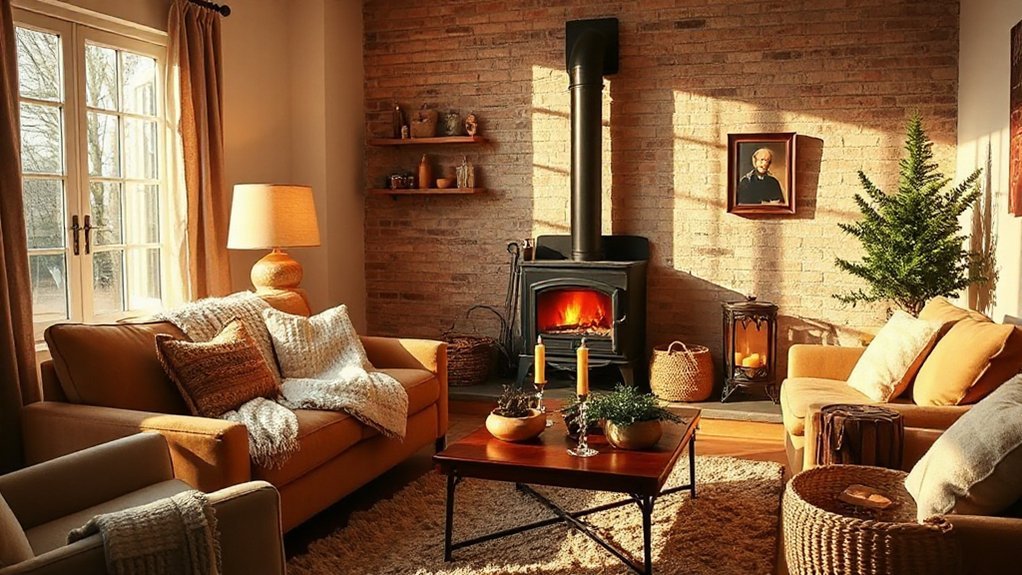
To keep your home toasty on a budget, start with airtight fixes: seal gaps around doors and windows, insulate attics and crawl spaces, and fit door sweeps to block drafts. Layer warmth with tactile textiles—thermal curtains, blankets, and heated rugs—plus breathable fabrics in rich tones. Use warm lighting and dimmers to boost perceived coziness. Add budget decor tweaks and DIY heat-retention accents. If you keep exploring, you’ll uncover more practical, cost-smart strategies.
Identify the Warmth Gap: What Really Makes a Budget Winter Cozy
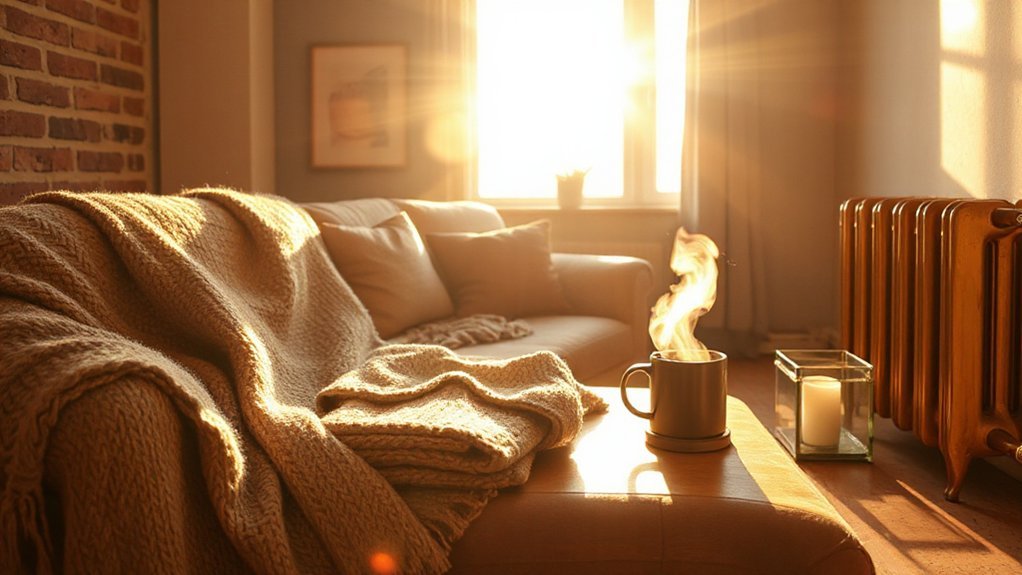
To identify the warmth gap, start by pinpointing where cold drafts, air leaks, and insufficient insulation let heat escape and chill your space. You’ll map heat loss by walls, windows, doors, and floor gradations, focusing on measurable gaps rather than impressions.
Use a simple thermal scan or a flashlight test to reveal leakage paths that align with comfort complaints. Once identified, prioritize fixes by impact and cost, targeting obvious culprits first.
Consider fabric-based or electrical solutions that work with your budget and decor. Incorporate thermal curtains to reduce window heat transfer and place heated rugs where flooring amplifies cold surfaces.
Document findings, monitor indoor temperature swings, and reassess after targeted adjustments to confirm a tighter, cozier environment.
Simple Insulation and Draft-Proofing That Cut Bills
Tiny gaps and porous surfaces aren’t just uncomfortable—they’re costly. You can improve energy efficiency with focused insulation and draft-proofing that isn’t invasive. Start by sealing obvious air leaks around doors and windows with weatherstripping and caulk, then address attic and crawlspace voids to curb convective heat loss.
Fit door sweeps to stop floor-level drafts and install basic pipe and vent insulation where exposed. Use lightweight, reflective insulation where appropriate to reduce radiant heat loss without complicating structure.
For heating strategies, prioritize a programmable thermostat and zone control to minimize waste, enabling rapid warm-up in occupied spaces. Choose accessible insulation upgrades, like rigid foam or mineral wool, in critical spots to balance cost and performance, ensuring durable performance and sustained comfort.
Cozy Textiles: Fabrics and Arrangements That Feel Warmer
Layered textiles create a balanced warmth by combining heavier fabrics with plush accents.
You’ll optimize comfort with strategic blends of throws, pillows, and coordinated tones and textures.
This approach emphasizes practicality and texture synergy to enhance perceived warmth without increasing energy use.
Layered Textiles For Warmth
Layered textiles create immediate warmth by trapping air between fabrics and layering textures that feel cozy against the skin. Combine blankets, throws, and bedding with varying weights to optimize insulation without bulk.
You evaluate fabric weights, weave density, and fiber blends to maximize thermal retention while preserving breathability. Start with a base layer of cotton or linen sheets, then add midweights like flannel or brushed wool, and finish with a heavier throw for perimeter warmth.
Use thermal curtains to reduce heat exchange at windows and place heated rugs in high-traffic zones to stabilize surface temperature without elevating overall room heat.
Adjust layering by season, ensuring seams remain tactile rather than bulky, and replace worn pieces to preserve energy efficiency and consistent comfort. Maintain fabric care to sustain insulating performance.
Plush Throws And Pillows
- Plush throws provide rapid heat retention when draped over seating, promoting cozier sightlines and tactile comfort.
- Decorative pillows can add additional warmth cues without bulk, using dense fabric weaves and midweight fills.
- Layering fabrics with complementary opacity improves perceived warmth and reduces drafts at seating edges.
- Color and finish choices influence perceived temperature, so pair warm neutrals with subtle sheen for inviting depth.
Tones And Textures Synergy
Tones and textures work in concert to amplify warmth: combining color families with tactile finishes creates an ambient cue of coziness that the eye reads as heat.
In this synergy, you select fabrics with complementary hues and varied weights—flannel, wool blends, and rayon slub—that maintain color cohesion while introducing dimensional contrast.
Emphasize color contrast through subtle shifts within a single palette rather than stark opposites, ensuring the room reads cohesive rather than volatile.
Layer textures strategically: matte surfaces paired with soft felts, knitted covers, and brushed upholstery create depth that enhances perceived warmth.
Consider scent enhancement as an ancillary cue, deploying lightly scented candles or diffusers to reinforce the tactile warmth with a focal note.
Execute these choices with careful scale, alignment, and repetition to sustain a controlled, cozy atmosphere.
Lighting for Warmth: Strategy to Set the Mood
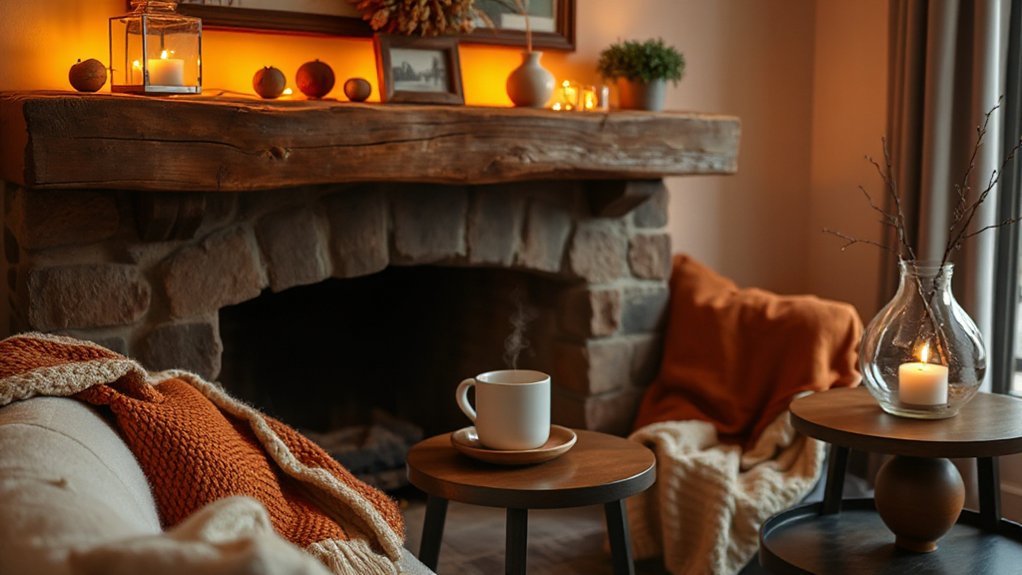
Effective lighting can transform a space quickly by combining warmth with practical visibility; you’ll want a strategy that blends color temperature, brightness, and distribution to create inviting zones without glare.
- Use warm white (2700–3000K) accents near seating to foster ambient glow without overpowering tasks.
- Layer light sources: overhead, task, and accent to control mood lighting and reduce shadows.
- Calibrate dimmers to preserve color fidelity while softening intensity across areas.
- Position fixtures to emphasize textures and architectural depth, avoiding direct glare into eyes.
Focused zoning, paired with consistent finish and glare control, yields measurable warmth. You’ll notice enhanced coziness as contrast is softened and color rendering is preserved, supporting both functionality and mood without clutter.
Budget Decor Swaps That Make Rooms Look Warmer
You can quickly elevate warmth with cozy color swaps that bring soft, inviting tones into your space. Pair these hues with textures that warm rooms, like plush fabrics and tactile surfaces, to create depth and comfort.
This approach keeps costs low while delivering a visibly warmer feel.
Cozy Color Swaps
If you want rooms to feel warmer without a major overhaul, swap in cozy color accents that read as inviting and intimate. In color psychology terms, choose hues that evoke warmth—amber, terracotta, and soft terracotta neutrals—paired with deeper greens or blues for balance. These swaps support mood enhancement by creating contrast that reads snug rather than sterile, while preserving daylight.
Use fabrics and finishes in matte or low-sheen textures to minimize glare.
- Introduce warm-toned pillows or throws in a tonal gradient
- Add a rug with a warm base and cool accent edge to anchor the space
- Layer curtains in muted, sunlit colors for soft diffusion
- Repaint a single accent wall with a cozy, earthy undertone
Textures That Warm Rooms
Textures do more than look inviting—they trap warmth. In this section, you’ll optimize room perception and actual comfort by selecting surfaces that retain heat without clutter.
Favor tactile materials with mid-to-high thermal mass—brick, wool, cork, and woven textiles—paired with smooth, low-reflectivity finishes to minimize heat loss.
Layered textures create visual density, which tricks the eye into feeling cozier while reducing reliance on artificial climate control.
Integrate fireplace mantels as focal accents that frame light from embers without overpowering scope.
Add thermal curtains on key windows to cut drafts and stabilize surface temperatures.
Choose textiles with tight weaves and brushed surfaces to enhance warmth perception.
Combine these elements with measured lighting to sustain the thermodynamic illusion throughout the living space.
DIY Projects That Deliver Real Warmth on a Budget
From lampshades to floor cushions, budget-friendly DIY projects can add real warmth without breaking the bank. You’ll implement practical, repeatable steps that enhance perceived heat and comfort without major renovation. Focus on materials, construction, and safe usage to ensure durable results.
- Upgrade lighting with warm LED elements and shade diffusion to boost ambient temperature perception.
- Sew or reupholster cushions and throws using insulating fabrics that trap heat efficiently.
- Create DIY heaters and heat-retention accents (e.g., fabric panels, draft stoppers) that don’t increase risk.
- Introduce scent-forward ambiance via winter scenting, combining subtle notes with cozy textures for a holistic feel.
These approaches yield visible comfort gains while maintaining cost effectiveness and safety, complementing fireplace alternatives without replacements.
Quick Room-by-Room Checklist to Maximize Winter Comfort
To maximize winter comfort quickly, use a room-by-room checklist that targets heat retention, lighting, and moisture control. Start with the living areas: seal gaps at doors and windows, draft-stopper heavy curtains, and optimize radiant heating placement to minimize cold spots.
For lighting, deploy warm, high-CRI bulbs and layered sources to reduce perceived chill; dimmers smooth progression between daytime and evening warmth.
In bedrooms, prioritize thermal comfort with breathable bedding and consistent humidity levels.
Bathrooms benefit from exhaust moisture control and ventilation management to prevent condensation.
Kitchen spaces should minimize heat loss through insulated cabinetry and appliance idle time.
Consider seasonal gardening connections that extend passive warmth, and plan outdoor heating strategies for entryways and patios, ensuring safe usage indoors with proper containment and airflow.
This structured approach delivers measurable comfort gains with minimal energy waste.
Frequently Asked Questions
How Can I Measure the True Warmth Expense per Room?
You measure true warmth expense per room by tracking heat loss and usage, comparing before/after, and calculating cost per degree-hour. Include thermal insulation, energy efficient windows, door seals, and zoned heating for precise per-room metrics.
What Small, Unseen Drafts Cost the Most to Heat?
Did you know that 30% of home heat loss stems from air leaks and thermal bridging? You confront the biggest culprits: air leak points around doors, windows, recessed fixtures, and poorly sealed joist spaces, maximizing heating costs as you ignore them.
Which Fabrics Feel Warmest Without Adding Heat?
Fabrics comparison shows wool, fleece, and heavy cotton feel warmest without added heat, thanks to density and moisture management. You’ll notice better thermal insulation from brushed finishes and tight weaves, reducing heat loss while you stay comfortable and cozy.
Can Color Temperature Shift Make Rooms Feel Cozier?
Yes, color temperature shifts can boost room coziness. You’ll feel warmer as warmer temps (soft white to warm), lower contrast, and balanced lighting reduce perceived coldness, improving comfort without extra heat. Optimize colors and fixtures for consistent ambiance.
Are There Budget Swaps That Don’T Change Décor Style?
You’re right: a theory that inexpensive swaps exist is true. You can use Affordable lighting and layered textiles without changing décor style, preserving rhythm while you brighten rooms, swap sources, and add warmth through texture and soft luminance.
Conclusion
You can close the winter warmth gap without breaking the bank. Focus on sealing drafts, layering textures, and picking lighting that soaks rooms in soft, ambient glow. Simple insulation upgrades pay off, while cozy textiles act as low-cost heat traps. Small decor swaps and DIY fixes keep spaces practical yet inviting. Think of your home as a kiln with a perfect seal: each improvement tightens the guard, turning chill into comfort with quiet efficiency.
About the Author