
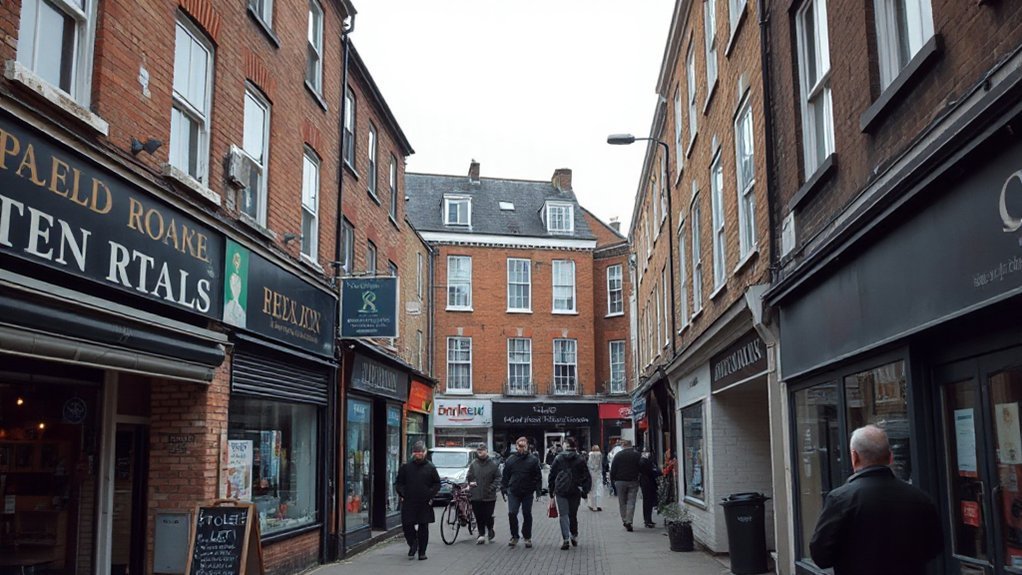
If you want cheap UK rents, target fringe towns, suburban pockets, and region-based price comparisons rather than headline rates. Compare total costs, not just the base rent: include council tax, utilities, and commute time. Look for areas with energy-efficient homes, solid transit links, greenspace, and essential services nearby. Build a region scorecard and watch for seasonal price swings. Stay flexible and negotiate; there’s more you can discover to lock in long-term savings. Keep going to learn practical steps you can take.
What Makes Rent in the UK Affordable (and How We Measure It)
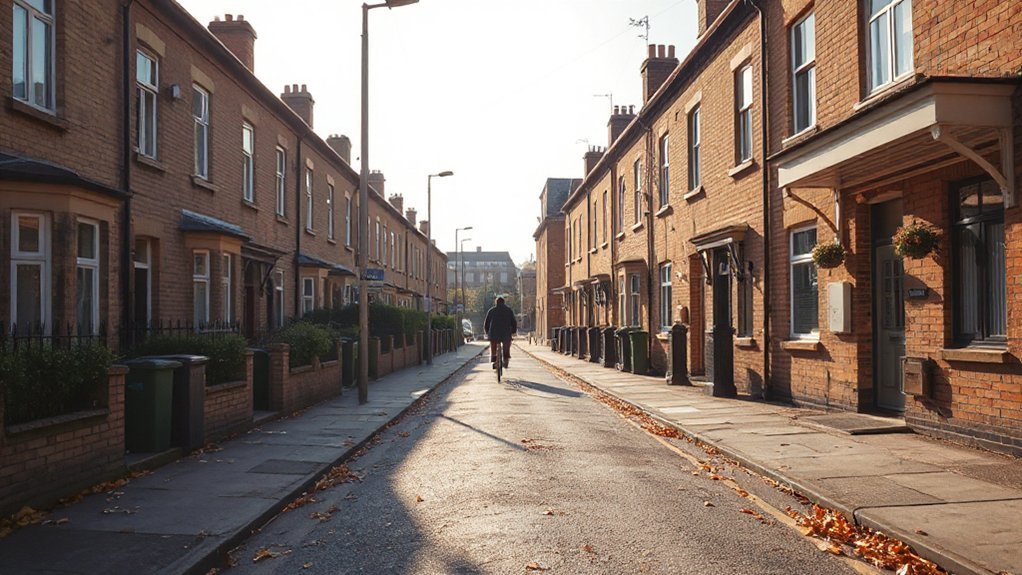
Rent in the UK feels affordable when you compare price to value, not just the sticker rate. You measure affordability by how much rent costs relative to your total housing duties, utility setup, and length of tenancy.
Start with the total monthly burden: rent, council tax, bills, and commuting. Then factor quality and location—affordable housing doesn’t mean cramped or unsafe; it means sensible space, upkeep, and proximity to work or schools.
The rental market varies by city, but patterns hold: lower rents often come with smaller places or longer commutes; higher rents may include better insulation or on-site amenities.
Track year-to-year shifts, lease terms, and deposit requirements. By quantifying these elements, you keep housing costs predictable and aligned with your budget.
How to Compare Regions: Cheap Towns by Region
Now that you’ve learned how to measure affordability, you can start comparing regions more effectively. To spot cheap towns by region, first list your non‑negotiables: daily commute limits, essential services, and housing type.
Then compare regional averages for rent, utilities, and council tax, not just headline prices. Weigh local amenities like supermarkets, clinics, and schools against cultural attractions that matter to you, such as libraries or galleries, since they affect quality of life and discretionary costs.
Consider seasonal price swings and vacancy rates to gauge stability. Build a region scorecard with a simple weighting so you can prioritize what saves money long term.
Use this method to identify affordable pockets that still offer access to transport links and community resources.
City Fringes That Stay Affordable and Cut Commute Time
City fringes keep rents lower while you stay close to the core, so you save on upfront costs without losing speed to work.
You’ll weigh fringe living costs against quicker commutes and real-time savings on transport, energy, and time.
Balance affordability with proximity to your daily needs to maximize value and cut overall expenses.
Fringe Living Costs
If you’re aiming to cut costs without sacrificing quick access to urban amenities, fringe areas around major cities offer a practical balance: lower rents, decent transport links, and shorter commutes than central districts.
Fringe living costs hinge on affordable housing options, where prices hover below city cores but above rural areas. Look for units built since the 2000s, which often use energy-efficient fittings that trim bills.
Rental affordability improves when you negotiate inclusive rents and avoid premium pockets near stations. Expect reasonable council tax, shared facilities, and predictable utility bills with smart meters.
Budget carefully for upfront costs, like deposits and letting agency fees, and compare yearly rent rises. Track transport passes; even small savings compound into meaningful long‑term affordability.
Commuting Time Savings
Are you maximizing your time by choosing city fringe areas that stay affordable? You’ll lock in shorter commutes by choosing towns and districts just beyond core centers.
Look for rail links or direct bus routes that cut transfer steps and reduce peak congestion. A practical plan: map your likely workdays, then compare walking times to stations, transfer waits, and total door-to-door duration.
Prioritize neighborhoods with reliable service frequency, not just proximity to the city. Seek affordable housing near transit hubs to minimize daily travel costs and save on fuel or fares.
Don’t overlook local amenities that support quick, after-work errands—supermarkets, pharmacies, and cafés near stations keep evenings efficient. This approach minimizes downtime while keeping your budget intact.
Affordability vs Proximity
Balancing affordability with proximity means you don’t have to choose one at the expense of the other. In city fringes, you’ll find solid value by tracking affordability metrics and staying flexible on amenities. Focus on transit links, parking costs, and lease lengths to keep total costs predictable.
- Compare weekly commute costs vs rent savings
- Check proximity to essential services and groceries
- Verify energy efficiency and expected utility bills
- Look for upfront fees and renewal terms
- Assess future upgrades or transit improvements
If you monitor the rental market closely, you’ll spot gradual price dips after seasonal peaks and avoid overpaying.
With disciplined budgeting, you gain faster commutes and steadier housing costs, not just lower rents.
Suburbs With Value: Greenspace, Transit, and Prices
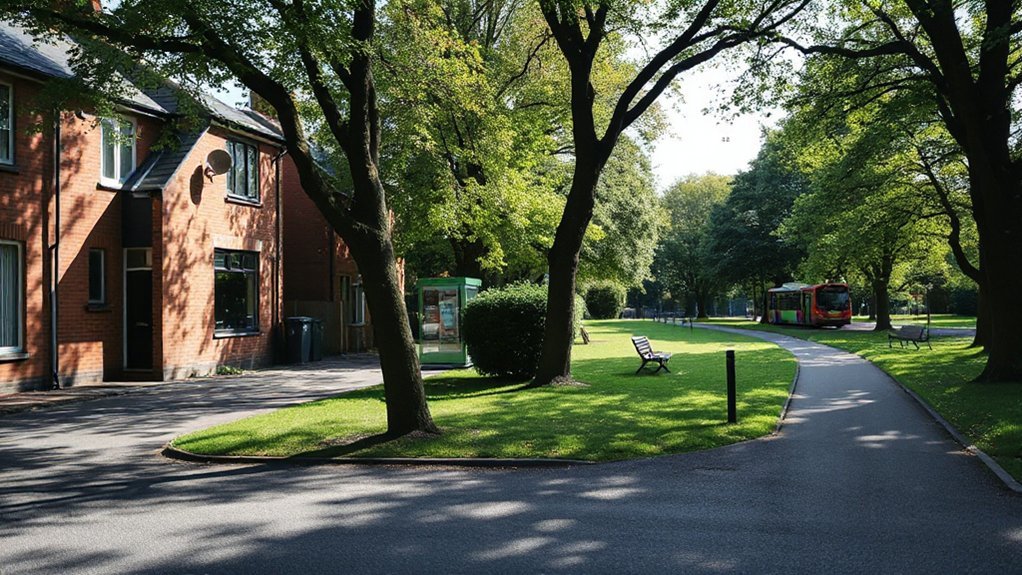
Many suburbs offer a strong blend of greenspace, reliable transit, and accessible rents, making them smart picks for budget-minded renters. You’ll find affordable neighborhoods where daily life stays cost-efficient without sacrificing quality.
Look for areas with easy access to parks, walking trails, and public gardens, because green space access directly supports wellbeing and reduces heat-island effects.
Transit reliability matters more than flashy bells and whistles: short commutes, consistent buses or trains, and simple fare structures save you time and money.
Prices cluster around practical ranges when developers balance density with buffers of trees and common green.
Prioritize neighborhoods that publish transparent rent bands and yearly price trends, so you can forecast costs.
In short, targeted research yields predictable, affordable living aligned with green space access.
How to Negotiate Rent and Spot Real Value
To get real value on rent, start with a clear target: what you’re willing to pay, what you won’t exceed, and what concessions matter most (parking, utilities, or maintenance).
- Research the housing market weekly to spot trends and fair baselines.
- Set a hard maximum and justify it with comparable rents and condition assessment.
- Ask for measurements, fixtures, and recent upgrades to validate value.
- Watch for red flags in listings and contracts to avoid rental scams.
- Use a written offer with a deadline and be ready to walk away if terms don’t align.
Stay disciplined: compare options side by side, document everything, and negotiate in rhythm with landlord constraints and market realities.
Beyond Rent: Typical Bills, Council Tax Bands, and Utility Costs
Beyond the rent, you’ll want a clear picture of recurring costs that can surprise you if you don’t plan ahead. Start with council tax bands; check your property’s band and potential changes when you move, since rates vary by area and property value.
Utilities differ by property size and insulation, so estimate heating, electricity, water, and internet based on similar homes in the street. Remember quarterly or monthly bills can shift with seasons, so build a buffer.
Local culture may affect energy habits and demand, subtly changing costs. Landlords must follow Housing regulations about safety and efficiency, which can influence bills through up-to-date boilers and insulation.
Budget-conscious planning helps avoid surprises and keeps your Cheap Area choice affordable long-term.
How to Choose the Right Cheap Area for You (Decision Framework)
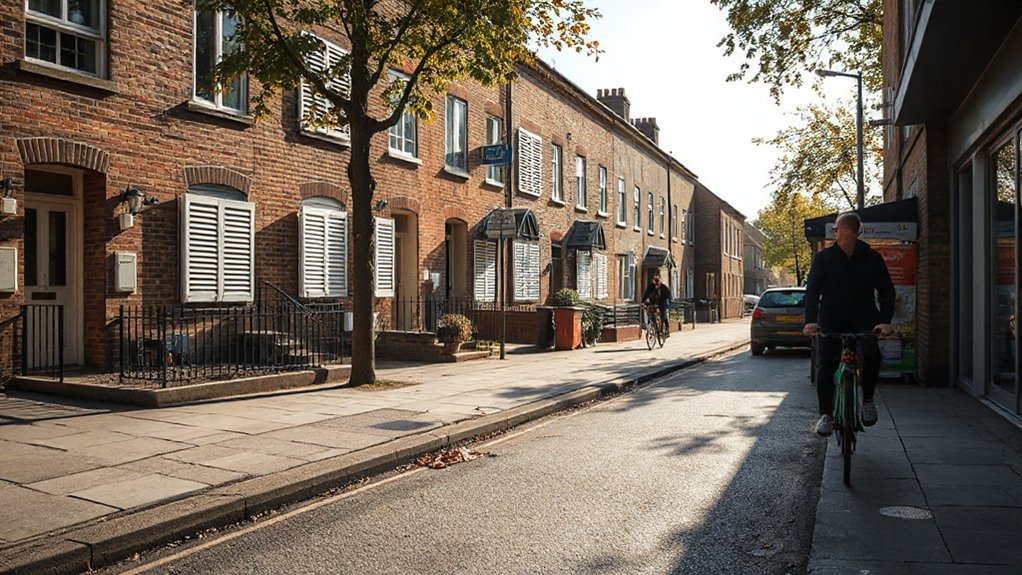
Choosing the right cheap area starts with a clear set of priorities and a practical scoring method. You’ll compare cost, safety, transport links, job access, and future value to avoid buyer’s remorse. Use a simple rubric: assign 1–5 points for each criterion, then total and rank options. Focus on real, current costs and risks, not flashy headlines.
- Assess upfront costs: rent, deposits, and utilities in a single monthly sum
- Check safety and posting-hairs: crime stats, night‑time accessibility
- Probe transport: distance to work, frequency, and reliability of routes
- Gauge landlord practices: rental scams awareness, lease renewal terms
- Plan for future: lease renewal options, area growth, amenity access
Budget smartly, verify details, and keep options flexible.
Frequently Asked Questions
How Stable Are Cheap Areas’ Long-Term Rental Prices?
Long-term rental prices in cheap areas tend to be moderately stable but can fluctuate with local demand and economy. Track affordable housing options, noted Rental price trends, and adjust budgets as you monitor market shifts and planned developments.
Do Cheaper Towns Have Better Job Opportunities Locally?
Yes, cheaper towns don’t universally offer better local job opportunities, though some pockets may. You’ll find affordable housing alongside limited Economic diversity, so assess sectors, commute options, and recent growth to gauge practical employment prospects.
Are There Hidden Costs in Cheap Areas Beyond Rent?
Yes, there can be hidden costs beyond rent. You’ll likely face maintenance costs, council taxes, utility fluctuations, and possible agency or letting fees; budget carefully, compare total monthly outlays, and factor unpredictable repairs into your plan.
Which Areas Have the Strongest Local Community Resources?
You’ll find the strongest community resources where you actively participate in Community engagement and attend Local events, because staying involved builds networks, shares info, and stretches budgets through coordinated volunteers, affordable activities, and reliable neighborhood support.
How Quickly Do Rents Rise After Relocation?
Rents rise quickly after relocation, often within months as demand shifts. Budget accordingly and track changes. Plan for Affordable transportation and Local cultural events to stay connected, minimize costs, and adjust your budget with local price trends.
Conclusion
You chase cheap rent, but you’re aiming for value you can actually use. Juxtapose: a low price tag versus rising bills, or a cramped flat versus decent greenspace and transit. You’ll save today by choosing a cheaper area, yet risk losing time, comfort, or safety tomorrow. Balance the numbers, not just the pounds. Hand in your plan: compare regions, check council tax, utility costs, and commute. Choose a place where affordability and livability meet, not just the lowest rent.
About the Author