

If you’re chasing the cheapest UK living, focus on affordable housing, steady transport links, and predictable bills. Look for regions with lower council tax, affordable rents or mortgages, and reasonable energy tariffs. Compare annual transport passes and utility costs, factoring in groceries and healthcare access. Towns and small cities often offer lower rents and good services, while proximity to work matters for value. Stay mindful of local incentives and long-term affordability, and you’ll uncover strong, cost-conscious options if you keep exploring.
What Makes the UK Affordable to Live In: Key Factors and Benchmarks
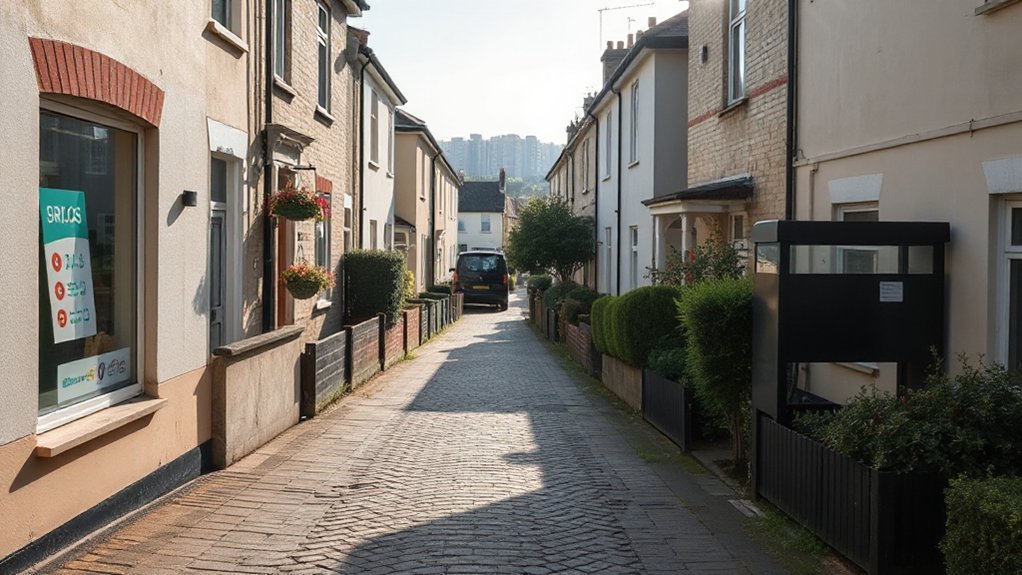
The UK’s affordability hinges on a mix of housing costs, transportation, utilities, and everyday essentials, all measured against local wages and tax. You’ll assess the cost of living by weighing mortgage or rent, council tax, and energy bills against take-home pay.
You’ll compare transit fees and commute times to job access. Economic factors matter, including inflation, wage growth, and interest rates, because they shift monthly budgets and long‑term plans.
You’ll look at housing supply, planning rules, and local taxes that influence total outlay. Utilities, food, and healthcare access also set baselines for affordability.
In practice, you map these variables to real incomes, identify sustainable choices, and benchmark against regional averages to determine true affordability for households at different income levels.
Cheapest UK Regions to Live In (by Housing, Transport, and Utilities)
If you’re aiming to cut living costs, start by pinpointing regions where housing, transport, and utilities run cheapest, then weigh those savings against local wages and job access.
In the UK regional picture, the cheapest pockets tend to offer affordable housing and lower utility bills, with cost effective commuting to major centers. You’ll find variations by geography, so compare annual transport passes, council taxes, and energy tariffs before you commit.
Seek regions that balance salary potential with living costs, not just the lowest rent.
1) Prioritize affordable housing and predictable utility bills
2) Compare commute costs against job opportunities in each region
3) Factor regional council tax differences into total expenditure
4) Look for areas where cost effective commuting maximizes time and money saved
Affordable housing, cost effective commuting.
City, Town, or Village: Where Your Money Goes Furthest
You’ll get more for your money by choosing places with affordable housing, low utility costs, and sensible transport options, not just the cheapest rent. In practice, you’ll compare total daily costs: groceries, council tax, and public transit fares, not only sticker prices.
Towns and villages with smaller populations often offer lower rents and utilities, while still delivering reliable services. Look for well-priced homes near essential amenities, with usable bus routes or train links that save you time and money.
Historic architecture adds character without inflating upkeep costs, while local festivals can boost community life at affordable scales. Prioritize places with predictable prices, transparent bills, and accessible healthcare, schools, and shops to minimize surprise expenses over time.
Housing Affordability: Rent Versus Purchase Across Low-Cost Areas

Across low-cost areas, renters often face a straightforward calculation: monthly rent versus the long-term cost of buying. You’ll weigh upfront deposits, mortgage rates, and maintenance against annual rent growth and resale value.
In practical terms, you compare annual housing costs over a typical ownership horizon to the total rent paid. You’ll also consider neighborhood stability, local tax incentives, and tenure flexibility.
Affordable neighborhoods often show lower purchase prices but higher mortgage rates, while rental markets can surge during demand surges, impacting affordability. By tracking housing market trends, you can decide which path suits your finances and plans.
1) Compare monthly rent to estimated mortgage payments over 5–10 years.
2) Include maintenance and insurance in total ownership cost.
3) Factor potential property appreciation or depreciation.
4) Monitor affordability shifts in targeted areas.
Budgeting for Everyday Costs: Transport, Utilities, and Groceries
Budgeting for everyday costs means lining up transport, utilities, and groceries so they fit a realistic monthly plan. You’ll pin down fixed bills first—rent, council tax, broadband, and water—then forecast variable spends.
For transport, compare weekly or monthly passes and cheaper routes, planning trips to combine errands and minimize fuel.
Utilities demand steady habits: energy-saving habits, smart meters, and off-peak usage.
Groceries benefit from a shopping list, bulk buys, and store-brand staples; watch unit prices and seasonal offers. Include local food options and affordable produce to curb spend without sacrificing nutrition.
Track receipts to spot drift, and adjust monthly targets.
Don’t overlook community events and farmers markets as cost-effective sources of fresh food and social value.
Getting Around on a Budget: Public Transport Links and Options
Getting around on a budget means knowing which public transport options fit your routine and wallet. You’ll maximize value by picking routes and passes that align with your schedule, not just the fastest option. Focus on fare discounts, peak avoidance, and smart card perks to cut costs without sacrificing reliability.
- Compare regional rail and bus bundles to see where a combined pass saves you money.
- Use off-peak travel when possible; you’ll ride more often for less.
- Check local fare discounts for students, seniors, or key workers, and apply where eligible.
- Consider annual or multi-journey passes if you commute regularly, then cancel unused tickets to avoid waste.
Quality of Life in Budget-Friendly Areas
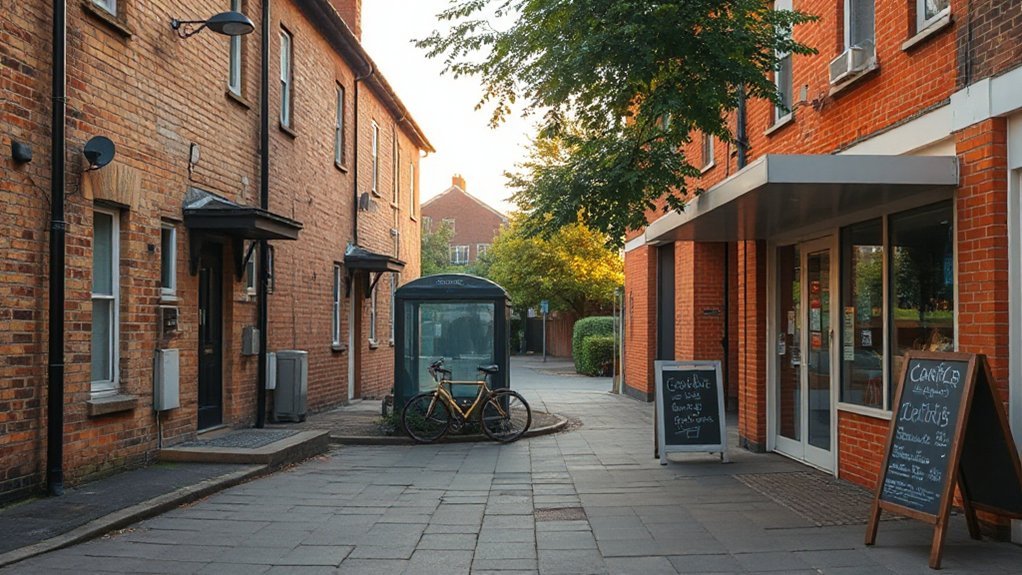
Are tight budgets preventing you from enjoying city life, or can affordability open a better everyday experience? In budget-friendly areas, quality of life hinges on practical, measurable factors. You’ll notice affordable amenities that still meet daily needs: reliable shops, accessible healthcare, and decent housing with predictable costs.
Public spaces matter too—well maintained parks, safe walking routes, and clear street lighting boost comfort after dark. Community engagement drives social value without a big price tag; local groups, volunteer events, and neighborhood activities create connection and security.
Transportation is still a factor, so look for areas with reasonable commute times and predictable schedules. Overall, you gain stability, predictable expenses, and a livable routine, not just a low rent. Prioritize places where services align with your everyday habits.
Trade-Offs You Should Expect When Choosing Cheap UK Areas
When you opt for cheaper UK areas, you’ll notice clear trade-offs that impact daily life beyond the headline rent. You’ll weigh longer commutes, reduced property size, and fewer high-end options against your monthly costs.
Affordable neighborhoods can translate to tighter public services but steadier bills overall. You’ll want to spot cost-effective amenities that still meet essentials, from transport access to schools and healthcare.
- Transport costs and time: budget-friendly locations may require longer or less convenient routes.
- Local services: fewer shops, entertainment venues, or rapid-response facilities.
- Property size and condition: smaller homes or older builds can save money but affect comfort.
- Community and safety: trade-offs may include quieter streets yet slower policing or fewer activities.
Balance your needs with affordability to optimize overall value.
Real-Life Cost Breakdown: Sample Monthly Budgets by Region
Real-life budgets vary by region, but a practical breakdown helps you see where money goes each month and where you can optimize. You’ll compare rent, utilities, and council tax across areas to gauge true affordability, not just headline prices.
In regional budgets, housing often dominates, followed by transport and groceries, with discretionary spends trimmed to fit your income. A typical monthly structure shows 40% for housing, 10–15% for utilities, and 10–15% for transport, leaving room for savings and essentials.
Lifestyle considerations matter: shift housing choices, adjust energy use, and pick affordable supermarkets. Use a cost comparison mindset to identify durable savings—long-term leases, bus passes, and regional discount schemes.
This approach helps you plan realistic monthly targets and avoid hidden deficits.
How to Plan Your Move: Securing Affordable Housing and Work
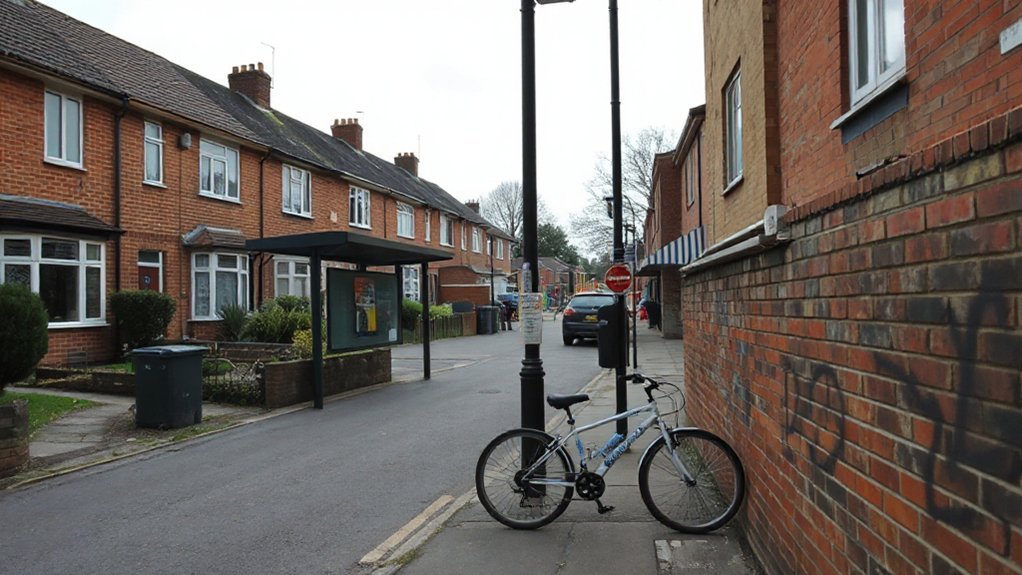
Finding affordable housing and a job starts with a clear plan: set a strict budget, define your must-haves, and map a practical path to cover both costs. You’ll focus on affordable neighborhoods and relocation tips that fit your income and commute priorities, then align housing options with work prospects.
- Budget tiering: separate essentials, variable costs, and relocation fees to avoid surprises.
- Housing search: prioritize rent incl. bills, proximity to transit, and landlord flexibility on deposits.
- Job overlap: target roles with stable hours, remote options, or relocation-friendly firms.
- Timeline: create milestones for savings, visa or permits, and house-hunting windows.
Stay lean on moving expenses, verify tenancy terms, and compare total monthly outlays before committing.
Surprising Affordable Gems: Hidden Spots With Strong Everyday Value
You’ll notice hidden local value in small towns where rents stay steady and everyday goods stay affordable.
Consider how daily living costs—groceries, transport, and utilities—add up less here than in bigger cities. This is where practical choices and steady budgets turn surprising gems into lasting value.
Hidden Local Value
1) Look for areas with well-maintained council services and intact, reachable amenities.
2) Prioritize towns with active volunteer groups and local markets that foster community engagement.
3) Seek neighborhoods that maintain affordable transport links and predictable utility bills.
4) Favor communities with small, locally oriented businesses that price transparently and support residents.
In these places, Local culture and neighborly networks boost quality of life without driving up expenses.
Everyday Living Costs
Hidden spots with strong everyday value aren’t just about low rents—they’re about predictable, manageable costs you can plan around.
In these areas, you’ll find affordable dining options that don’t sacrifice quality, from casual cafes to value-for-money bistros, helping you keep daily meals within budget.
Retail shopping stays sensible too, with local markets, discount chains, and seasonal sales that stretch your pounds further.
Transport remains affordable when you pick towns with good bus routes or proximity to rail links, minimizing commute costs.
Utilities are generally steady, with competitive providers and community schemes.
Consider how council tax bands, broadband speeds, and access to green spaces affect your monthly outgoings.
With smart budgeting, everyday living costs stay low without dulling your lifestyle.
Frequently Asked Questions
Which Inexpensive UK Areas Have the Best Job Prospects?
Inexpensive UK areas with strong job prospects include parts of the Midlands and North, offering affordable housing and solid employment opportunities. You’ll find practical roles across manufacturing, logistics, and services, with growing tech hubs and commuter connections keeping costs down.
How Does Council Tax Affect Cheap Living Choices?
You wonder, will council tax bite your budget? It can redefine cheap living: property taxes and local government fees vary, so you pay attention to bands, exemptions, and council services; compare totals to truly gauge affordability and total cost.
Are There Hidden Transport Costs in Affordable Areas?
Yes, there can be hidden transport costs in affordable areas. You’ll want to budget for public transport passes, occasional surcharges, and peak-time fares, plus trips to outlying shops or work hubs where extra fares creep in beyond basic options.
What Are Low-Cost Schooling Options Near Cheap Regions?
Affordable housing options nearby include state schools and community colleges, plus local libraries and online courses. You’ll save with budget friendly amenities, scholarships, and transport passes; low-cost schooling is practical, well-structured, and fits your practical, cost-conscious plan.
How Safe Are the Cheapest UK Neighborhoods to Live In?
You’ll find affordable housing varies by area, and crime rates differ, so you should research neighborhood stats first. Expect tighter budgets, plan security measures, and consider communal policing, lighting, and trusted networks to stay safe in affordable UK neighborhoods.
Conclusion
You’ll feel the difference fast when you choose affordable areas with solid value. A standout stat: transport and utilities can account for up to 40% of monthly costs in pricier regions, but cheaper pockets let you save more month-to-month. Prioritize true total cost of living—rent, council tax, commute, and bills—over sticker price. Plan a realistic budget, scout housing near reliable transit, and build a phased move to maximize savings without sacrificing access or safety.
About the Author