

You might worry that choosing the right tradespeople is just luck, but you can control the outcome with a clear plan. Define scope and budget, verify licenses and insurance, and compare quotes for true value. Check references and past work to gauge reliability, then align on timelines, responsibilities, and culture. Set contracts with clear milestones to protect your investment. Start with your core criteria and keep the process transparent—your project’s success depends on it, and the next step awaits.
Key Takeaways
- Verify licenses, current certifications, and active insurance (general liability and workers’ compensation) for all tradespeople involved.
- Check past performance: references, similar projects, budget adherence, timelines, and quality of finish.
- Compare bids by scope clarity, materials, methods, warranties, and realistic timelines for long-term value.
- Assess communication style, responsiveness, and compatibility with your team and project goals.
- Define contractual clarity with milestones, responsibilities, decision points, and dispute prevention measures.
Define Scope and Budget for Your Project

Defining the scope and budget sets the foundation for a successful project. You begin by detailing deliverables, timelines, and constraints, then translate them into a clear budget framework.
Identify essential elements first: core materials, labor rates, permitting, and contingency needs. Specify quantities and expectations to prevent scope creep, and document any assumptions to keep everyone aligned.
Material selection should reflect long-term value, maintenance costs, and feasibility within your budget, avoiding unnecessary elegance that inflates costs.
Build design flexibility by outlining adjustable features, alternative finishes, and phased milestones, so tradespeople can adapt without derailing timing.
Establish a change-control process to track amendments and approvals, ensuring decisions stay transparent.
Finally, confirm risk tolerance and funding milestones, so you maintain momentum throughout the project lifecycle.
Evaluate Licenses, Insurance, and Credentials
Start by verifying licenses and certifications to make certain they’re valid and up to date.
Confirm that the contractor has active insurance coverage, including liability and workers’ compensation, to protect you and your project.
Check credentials and affiliations to gauge professionalism and adherence to industry standards.
Verify Licenses And Certifications
When you’re choosing tradespeople and builders, verifying licenses, insurance, and credentials should be your first checkpoint. You’ll confirm that licensing requirements are met and that certification standards are current, so you’re not guessing about legitimacy. Check official records, confirm registrations match project scope, and verify any specialty endorsements.
Credentials should align with your job’s complexity, reducing risk and reinforcing quality from day one.
- Feel confident knowing you’re hiring professionals who meet recognized standards
- Experience less downtime and fewer disputes because licenses and credentials are verified upfront
- Protect your investment by choosing firms with transparent, verifiable qualifications
Confirm Insurance Coverage
Have you confirmed that the contractor’s insurance actually covers your project and any potential gaps? Insurance verification is essential before you sign any agreement.
Check that the policy includes general liability, workers’ compensation, and automobile coverage if vehicles are involved.
Look for adequate limits that reflect your project size and risk level; ask for the insurer’s name, policy numbers, and effective dates.
Confirm there are no exclusions that could leave you exposed, such as subcontractor non-coverage or specific activities not covered.
Request a certificate of insurance and verify it with the insurer’s contact details.
Coverage confirmation gives you a clear safety net, reduces financial risk, and supports responsible project management from start to finish.
Keep documentation organized for future reference and audits.
Check Credentials And Affiliations
To guarantee you’re hiring reliably, verify that licenses, insurance, and credentials are current and valid before any agreement. You should confirm licensing status with the issuing authority and ask for proof of active coverage, including workers’ comp and general liability. Check for up-to-date documentation, and verify business registrations to avoid misrepresentation.
Look for credentials that reflect ongoing training or specialty qualifications, and ask how they stay current. Also consider professional associations and industry endorsements as indicators of commitment to standards.
Background checks can reveal red flags early, reducing risk. Ask for references and verify projects align with your scope. Ensure contractors belong to reputable groups that enforce ethics and quality.
This diligence boosts accountability and peace of mind.
- Trustworthy licensing and proof of insurance improve confidence
- Professional associations signal ongoing standards and accountability
- Background checks and references reduce risk and surprise costs
Compare Quotes for Value, Not Just Price
When you compare quotes, focus on value, not just the bottom line. Look beyond price to total cost benefits like durability, materials, and post-project support.
This helps you choose options that save you money and headaches over time.
Compare Value Over Price
When you compare quotes, focus on value, not just price. Seek bids that guarantee quality craftsmanship and durable results, not the lowest number.
Value means clear scope, solid warranties, and realistic timelines you can trust. Don’t fall for cut corners or vague promises; you want professionals who stand behind their work.
Compare how each quote addresses materials, methods, and ongoing performance, not just upfront costs. Remember, long term savings come from fewer repairs, faster completion, and better finishes.
- You’ll feel confident choosing builders who explain tradeoffs honestly and stand by their commitments
- You’ll experience peace of mind knowing the plan prioritizes quality craftsmanship over quick, risky fixes
- You’ll save money over time through durable results and fewer maintenance surprises
Assess Total Cost Benefits
You’ve moved from considering value over price to evaluating total cost benefits, so you can compare quotes with a full picture in mind.
When you assess total cost benefits, don’t stop at upfront bids. Do a thorough cost analysis that includes materials, labor, timelines, disruption, and aftercare.
Ask for a breakdown that highlights maintenance needs, warranty terms, and potential escalation if work overruns.
Compare not only what’s included, but what’s excluded and the quality implications.
Consider long term savings from energy efficiency, durability, and fewer change orders.
Weigh contractor reliability and schedule risk alongside price.
Document assumptions and run sensitivity checks—small shifts in duration or material costs can swing the total.
This approach helps you choose the best value, not just the lowest initial quote.
Check References and Verify Past Project Outcomes
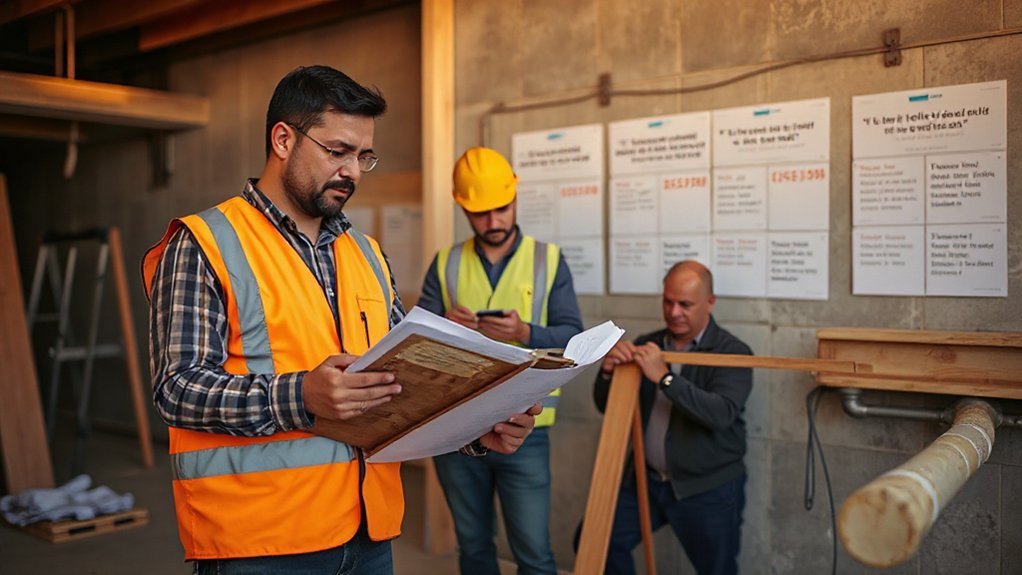
To verify a contractor’s reliability, start by checking references and reviewing past project outcomes. You’ll gain real insights into workmanship, timeliness, and problem-solving under pressure. Focus on completed projects similar to yours and ask about budget adherence, permit handling, and final quality.
Reference checks reveal consistency, accountability, and communication style, helping you gauge fit. Evaluate project outcomes by comparing planned scope with delivered results, noting any overruns or unaddressed issues. Don’t rush; document patterns that matter to your goals.
If references speak highly and outcomes align with your criteria, you’ll feel confident moving forward.
- You’ll feel reassured when references reflect dependable timelines and solid craftsmanship.
- Hearing about transparent problem resolution underscores a contractor’s integrity.
- Consistent, positive outcomes signal a partner you can trust with your project.
Align Communication, Timeline, and Company Culture
Clear communication, a realistic timeline, and a compatible company culture form the backbone of a smooth project. You’ll align these elements by defining how you’ll share updates, what channels you’ll use, and how often you’ll check in.
Establish early expectations for response times and decision-making so you stay coordinated as work progresses.
Prioritize team compatibility by evaluating how each tradesperson’s strengths fit your project goals and how well they mesh with your team’s workflow.
Recognize that communication styles differ; agree on a preferred approach—direct, concise, or collaborative—to minimize misinterpretations.
Document agreed rhythms for site visits, progress reviews, and issue escalation.
When communication and cadence align with your timeline and culture, you’ll reduce friction and accelerate steady progress.
Set Contracts, Milestones, and Clear Expectations
- Feel confident knowing duties, costs, and consequences are transparent.
- Avoid last-minute disputes by locking in responsibilities and timelines.
- Stay aligned as the project evolves, with structured decision points.
Frequently Asked Questions
How Do I Assess a Tradesperson’s Long-Term Reliability Beyond a Single Project?
You assess a tradesperson’s long-term reliability by tracking consistency, not one-off outcomes. Check trade certification and insist on ongoing training, plus a robust portfolio of long-term projects.
Review customer testimonials for recurring satisfaction, then contact former clients to confirm durability and upkeep responses.
Look for warranties, clear maintenance plans, and transparent communication histories.
Observe punctuality, problem-solving through multiple jobs, and how they handle repairs.
This combination signals dependable, enduring performance beyond a single project.
What Red Flags Indicate Hidden Costs After a Contract Is Signed?
Hidden fees and unexpected charges often reveal themselves after signing. Look for vague wording, vague line items, or changes without formal change orders.
Watch for fees labeled “administrative,” “mobilization,” or “contingency” that aren’t justified. If costs rise without documented scope changes, ask for receipts and updated contracts.
A reputable pro provides a detailed, itemized estimate and sticks to it unless you approve new charges in writing.
Stay vigilant, compare bids, and demand transparency upfront.
How Can I Verify Safety Practices on a Job Site Effectively?
To verify safety practices on a job site, you should start by observing site safety measures and PPE compliance in action. Check that workers wear hard hats, gloves, eye protection, and high-visibility gear, and that fall protection is used where required.
Review daily toolbox talks, signage, and hazard controls. Confirm that supervisors enforce rules consistently, incident reporting is active, and you can access safety data and permits for critical tasks.
What Questions Reveal a Builder’s Approach to Sustainability and Waste?
You should ask about how the builder prioritizes Eco friendly materials and Waste management strategies. Do they specify sourcing, lifecycle impacts, and certified products?
Inquire how they reduce on-site waste, reuse components, and handle hazardous materials. Request concrete metrics, like diversion rates or recycling percentages.
Probe their subcontractor expectations, energy use during construction, and plan for post-project stewardship.
You’ll gauge true commitment by their documented policies, training, and proactive, verifiable waste reduction practices.
How Should I Handle Scope Creep Without Harming Relationships?
Scope creep hurts projects, so act quickly: set clear scope, superbly document changes, and secure sign-offs before proceeding. You’ll prevent misunderstandings, preserve trust, and protect timelines.
Use proactive, precise communication, and keep stakeholders in the loop with regular updates. Track impacts on budget and schedule, assess alternatives, and adjust commitments.
Conclusion
You’ll safeguard success by choosing tradespeople who communicate openly, align with your goals, and deliver on time. Prioritize licenses, insurance, and proven outcomes, then compare value—not just price. Expect clear contracts, defined milestones, and transparent costs. Build a collaborative relationship rooted in trust and accountability. One study finds that projects with structured vendor selection reduce change orders by up to 40%, underscoring the power of due diligence and clear expectations in keeping timelines intact and budgets in check.
About the Author