
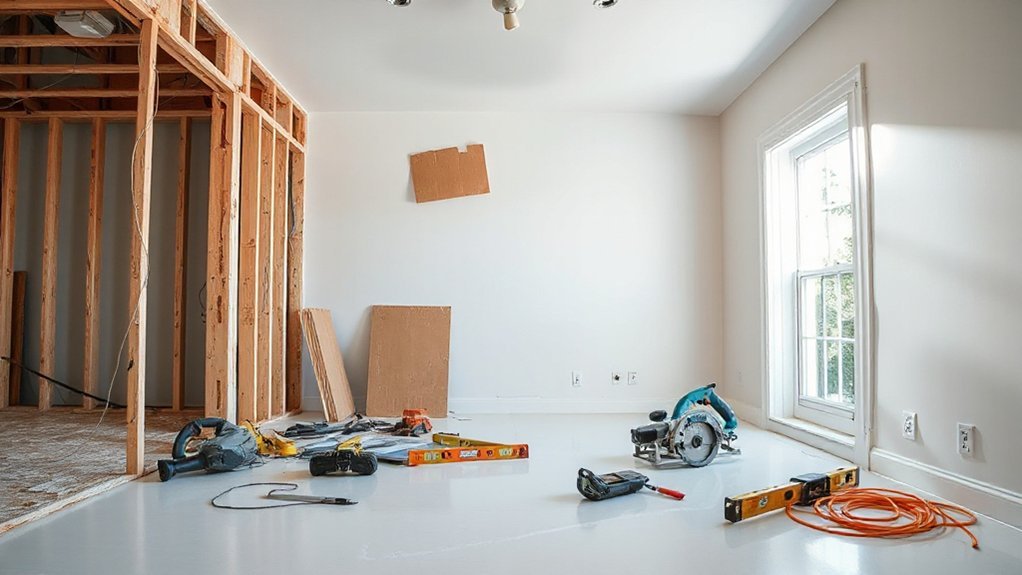
A common mistake is starting a remodel with vague goals, like “update the kitchen”, and then chasing changes mid-project. You’ll avoid this by defining clear, measurable objectives, a detailed scope, and a realistic budget upfront. To keep momentum without surprises, you must anticipate permits, trades, and timelines, and set guardrails that you’ll actually enforce. Keep your attention on documentation and vendor reliability, or risk costly delays. Ready to map it out and prevent avoidable setbacks?
Key Takeaways
- Start with clear, measurable goals, baselines, and a tracked plan to prevent scope creep and misalignment.
- Define must-haves, map dependencies, and set boundaries to avoid budget overruns and rework.
- Establish robust budgeting with contingencies, track cash flow weekly, and lock in materials and vendors early.
- Use formal contract and change-control processes, with detailed proposals and written guarantees to protect schedule and quality.
- Ensure regulatory compliance early, document approvals, perform final walk-throughs, and schedule warranty follow-ups for post-renovation protection.
Realistic Renovation Goals and Metrics
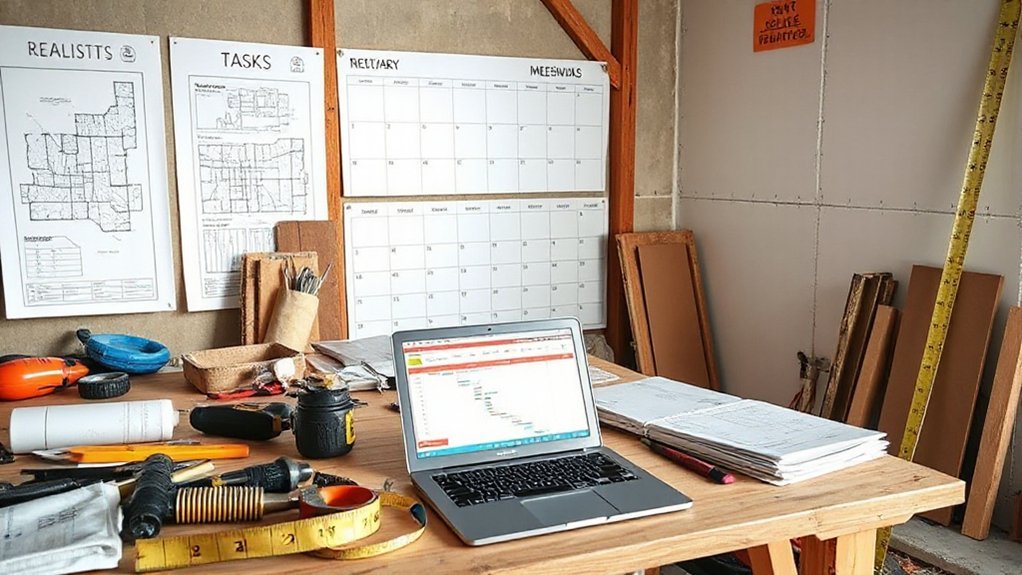
Realistic renovation goals start with a clear, measurable plan. You define what “done” looks like and set concrete targets you can verify. Begin with baseline data: current costs, timelines, and quality benchmarks.
Then set renovation benchmarks that reflect your priorities, such as energy efficiency, layout improvements, or durability. Translate these into numeric success metrics you can track weekly and monthly.
Prioritize attainable scope, fixed budgets, and realistic lead times to avoid mid-project derailments. Document tolerances for quality, acceptable variance, and decision deadlines, so you stay decisive under pressure.
Establish a tracking system—cost-to-complete, schedule variance, and quality checkpoints—to keep you aligned with the plan. When metrics are clear, you steer the project confidently toward predictable outcomes.
Define Scope: What’s In, What’s Out, and What Changes the Game
Defining scope sets the boundaries that prevent scope creep and keep your project on track. You’ll decide what’s in, what’s out, and what actually changes the game, so you don’t chase every bright idea. Focus on outcomes, not options, and lock in decisions early.
1) Identify must-haves versus nice-to-haves, then rank by impact.
2) Map dependencies—what changes trigger other work, and what doesn’t.
3) Establish Scope boundaries to keep teams aligned and avoid feature bloat.
4) Prioritize tasks through project prioritization to maximize value without overrun.
Clear documentation plus a baseline is your anchor. Revisit and adjust only if a higher-priority need emerges.
This discipline keeps budgets sane, timelines realistic, and stakeholders aligned.
Build a Practical Budget and Guardrails
Set a realistic budget you can actually track, and build guardrails that keep you from overspending.
Identify fixed costs, contingency, and timing so you know what’s truly adjustable.
When you set limits, you gain clarity on decisions and reduce costly backtracks.
Create Realistic Budget
To create a practical budget, start by outlining all known costs and then add a realistic contingency. You’ll gain accuracy by separating trades, materials, permits, and labor from hidden or variable fees, then applying a 10–15% cushion.
Track cash flow weekly to catch overruns early. Material selection and color schemes influence both cost and schedule, so lock choices where possible and note acceptable substitutions.
- List all line items with unit costs and estimated quantities.
- Add a contingency based on risk exposure for each category.
- Set monthly spending caps and a hard stop on overages.
- Review revisions promptly to prevent cascading changes.
Establish Clear Guardrails
Guardrails keep a budget from drifting by establishing firm limits and clear triggers. You set hard caps on spend for each category and a total ceiling, plus automatic pauses when those caps approach. Define triggers like percentage overruns or milestone delays, then require review before continuing. Document every decision, so approvals aren’t deferred, and corrective actions are predefined.
Safety protocols matter: allocate contingency for unexpected safety equipment or site hazards, and require sign-off before proceeding.
For material selection, lock in preferred vendors, documented specs, and unit costs to prevent last‑minute substitutions that inflate costs. Use a decision log to track changes, ensuring alternatives don’t derail progress.
Communicate expectations upfront, keep stakeholders aligned, and enforce accountability. Tight guardrails reduce ride-alongs with budget creep and keep projects on track.
Permits, Codes, and Documentation You Must Understand
Permits, codes, and documentation form the backbone of any renovation project, and skipping or mismanaging them can derail your timeline and expose you to costly fines. You’ll handle requirements head-on to keep work compliant and on track.
Understand that Building permits and Inspection procedures guide every major change, from framing to electrical panels.
- Verify applicable permits early to prevent backlog delays.
- Schedule inspections promptly and prepare clear, accessible records.
- Align drawings, specs, and code references to avoid rework.
- Maintain a file of approvals, amendments, and receipts for audits.
Design and Layout: Avoiding Flow and Space Pitfalls
Start with a flow-friendly layout that clearly guides traffic from room to room so you don’t waste steps or create bottlenecks.
Make space-smart decisions by prioritizing need-to-use zones, clear sightlines, and functional work triangles.
Keep your plan precise and intentionally scaled to your daily routines to avoid cramped spaces and awkward corners.
Flow-Friendly Layouts
How can you guarantee a flow-friendly layout that minimizes wasted space and awkward shifts? You’ll design with purpose, aligning rooms to support Open plan living and smooth traffic flow. Prioritize clear paths, avoid dead corners, and keep sightlines uninterrupted.
1) Define zones: separate activities without walls, yet maintain visual cues.
2) Center circulation: place entrances, doors, and corridors on direct routes.
3) Position key furnishings to guide movement, not block it.
4) Use flexible spaces: adaptable nooks that adjust to functions over time.
Implementing these practices reduces clutter, improves accessibility, and enhances daily usability.
Space-Smart Decisions
Smart design hinges on avoiding common flow and space pitfalls. You optimize every square foot by prioritizing clear sightlines, accessible pathways, and proportional zones.
Start with furniture placement that facilitates movement rather than obstructs it; place sofas and chairs to frame conversation areas without blocking doorways or vents. Store traffic rays unobstructed, and allow at least 3 feet of clearance in high-use corridors.
Choose compact, multifunctional pieces for tight rooms to preserve openness. Plan lighting choices that layer ambient, task, and accent illumination, avoiding dark corners and glare. Dimmer switches help adapt atmosphere as needs change.
Reconsider built-ins and island dimensions to prevent crowding; align outlets with anticipated tasks. Finally, test your layout at different times of day to confirm the space remains functional and visually balanced.
Scheduling Realities: Timelines, Tradeoffs, and Buffers
On renovation projects, timelines rarely unfold perfectly, so you must plan for realistic buffers and tradeoffs from the outset. Time management and clear milestones prevent drift, while accepting that some tasks will overlap or slip.
You’ll optimize resource allocation by sequencing work to avoid idle crews and bottlenecks. Anticipate the unexpected and build contingency into your schedule.
- Prioritize tasks by critical path to protect overall completion date
- Align trades to minimize downtime and material wait times
- Build in buffers for weather, approvals, and delivery delays
- Track progress daily and adjust sequencing promptly
Maintain discipline: document changes, communicate impacts, and keep stakeholders informed. These practices reduce surprises, improve reliability, and keep your project on track.
Choosing Contractors and Procurement Traits You Can Trust
Contractor vetting becomes a structured, multi-step check: qualification verification, license and insurance confirmation, past performance, and references. Don’t rely on vibes; demand verifiable results and documented capabilities.
Procurement strategies should emphasize transparency, competitive bidding, and value over price alone, with clear milestones and change-control protocols. Require detailed proposals, test for compatibility with your schedule, and insist on written guarantees for workmanship and materials.
Avoid sole-sourcing; diversify with a controlled pool to reduce risk. Document decision rationales, communicate expectations early, and monitor progress with objective metrics throughout the project.
Contingency Planning and Post-Renovation Checks
1) Establish an emergency fund and a clear cap on overruns to keep the project on track.
2) Define trigger points for scope changes, documenting impacts on schedule and cost.
3) Schedule a final walk-through with a checklist, verifying materials, measurements, and fixes.
4) Set post-completion follow-ups for warranty issues, maintenance needs, and photos of as-built conditions.
This approach cements contingency planning as a discipline, not a risk, ensuring you’re prepared, informed, and protected after the work ends.
Frequently Asked Questions
How Do I Prioritize Needs vs. Wants Effectively?
You prioritize needs over wants by following a clear decision hierarchy and keeping Budget balance in sight.
List every item, label each as essential, desirable, or optional, and assign a must-have budget limit.
Tackle essentials first, then allocate leftover funds to desirable items, saving for optional upgrades.
Revisit decisions if costs threaten your budget balance.
Use a simple rule: if it’s not essential, it must wait until you have extra funds.
What Hidden Costs Typically Surprise Homeowners?
Look out for hidden costs that typically surprise homeowners like you: permit fees, design changes, material price fluctuations, delivery charges, and contractor markup on subcontractors.
Hidden expenses, surprise charges, and contingency gaps can push budgets over smoothly planned limits.
You should align contracts with clear line-item pricing, build a generous contingency, and confirm timelines to avoid scope creep.
Stay vigilant, request detailed invoices, and demand changes be approved in writing before work begins.
How Can I Avoid Scope Creep During Updates?
To avoid scope creep during updates, lock in a detailed brief early and secure approvals before each phase.
Set clear design trends and material selection criteria, and stick to them unless a formal change order is issued.
Establish a centralized document for decisions, track deviations, and review weekly with your contractor.
Prioritize core goals, budget, and timing, then implement strict change control to keep the project on track and within scope.
When Should I Replace vs. Repair Existing Structures?
You should replace most structurally unsound elements, and only repair when your Structural assessment confirms remaining life is cost-effective.
About 35% of renovations uncover hidden damage that makes replacement wiser than patchwork.
When historical preservation matters, you may preserve framing or masonry, but you must meet code and stability goals.
If the structure risks safety or performance, replace; if it’s sound and economical to reinforce, repair.
Prioritize durability, safety, and long-term value.
What Red Flags Indicate a Risky Contractor Relationship?
Red flags indicating a risky contractor relationship include vague or missing licensing details and pressure to pay upfront.
You should verify contractor licensing before work starts and review any payment schedules for milestones tied to completed, inspectable tasks.
Be wary of cash-only asks, unusually low bids, or frequent changes to the contract.
Confirm written warranties, lien waivers, and a clear, dated schedule are in place.
Trust your instincts and document every agreement.
Conclusion
You’ve got this project in your hands, and clarity is your compass. Don’t wander with vague goals or fuzzy budgets—define, measure, and guard what matters. When plans meet reality, stay nimble, adjust with purpose, and document every step. Think of permits as your bridge, contractors as trusted teammates, and contingency funds as a safety net you never hope to use—but always keep. Finish with a space that feels earned, not rushed, and a peace that lasts long after the last brushstroke.
About the Author