
When gathering contractor quotes for a garage conversion, you want a detailed, side‑by‑side breakdown that itemizes materials, labor, and contingencies, and proves structural integrity with load paths and framing specs. Guarantee bids cover electrical upgrades, plumbing feasibility and fixture layouts, and include subcontractor credentials with licenses, insurance, and references. Use a clear scoring rubric to compare scope, warranties, and timeliness. Demand consistency between drawings and notes, plus a negotiation plan to protect value and quality as you proceed. There’s more to tighten your process as you move forward.
Step 1: Define the Garage-Conversion Scope Before Quotes
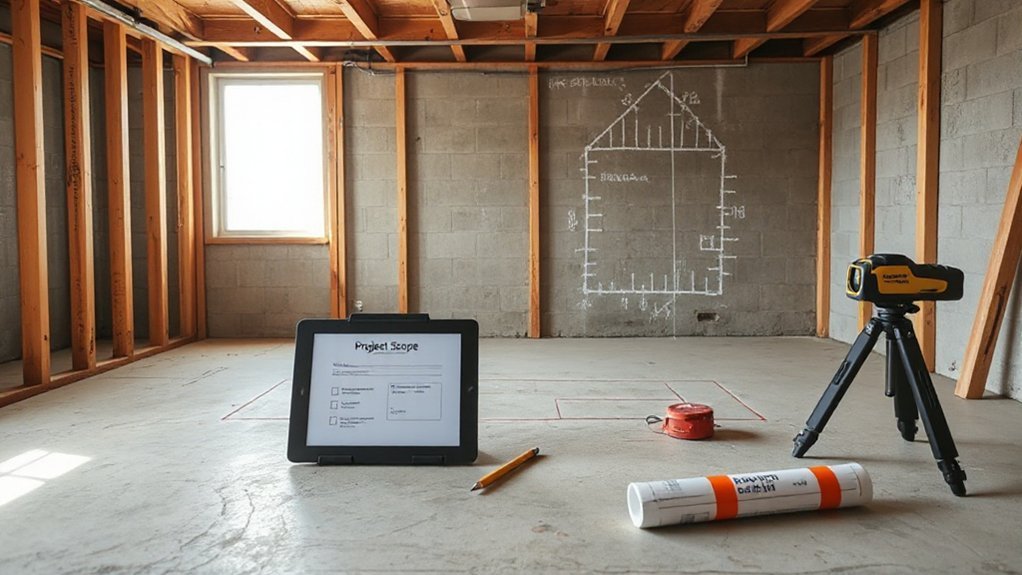
Before you seek quotes, define the scope of your garage conversion. You start by listing intended uses, square footage goals, and budget boundaries, then translate those into specific design requirements.
Pin down structural needs, insulation, electrical loads, and plumbing plans early to avoid later backtracking. Document preferred finishes, door and window openings, flooring materials, and ceiling heights that affect future room function and code compliance.
Consider long-term flexibility: will you need a home office, gym, or guest space, and how might that shift the scope? This clarity helps you compare bids consistently and reduces change orders.
Also assess contractor reputation and how they align with your Garage aesthetics goals, ensuring expectations match capabilities from the outset.
Core Quotes You Must Request for a Garage Conversion
When you request quotes, ask for clear material costs up front and a breakdown of any substitutions.
Also, nail down the project timeline with milestones and what happens if a stage slips.
Finally, insist on a detailed payment schedule that ties payments to completed work and approvals.
Material Costs Clarity
Getting clear on material costs is essential before you lock in a garage conversion. You’ll want itemized quotes that separate materials, delivery, and waste disposal, with per-unit pricing where applicable. Ask for current price sheets and supplier names, plus any mid-project price protections or escalation clauses.
Clarify whether finishes, trims, and fixtures are included or billed separately, and demand substitutions only if you approve. Review warranties on materials and the contractor’s recommended brands to assess durability and compatibility with Garage aesthetics.
Compare lead times, delivery windows, and potential storage needs on site. Consider the contractor reputation for accuracy and honesty when estimating.
Tighten every line item to avoid surprise charges and keep the conversion on track.
Timeline and Milestones
You’ve got your material costs lined up, now zero in on a realistic project timeline with clear milestones. Ask for a detailed schedule that maps each phase: demolition, insulation, electrical, plumbing, HVAC, drywall, finish carpentry, and painting.
Require target dates and a cadence for progress updates, plus a buffer for surprises. Demand milestones tied to tangible deliverables, not vague permissions.
Assess whether the timeline accommodates Garage aesthetics goals and integrates them into finish decisions early.
Probe contractor reputation by requesting past project dates, client referrals, and how they handle delays or scope changes.
Guarantee the quote distinguishes critical path work from optional enhancements, so you can adjust scope without derailing the timetable.
Finally, confirm who publishes the schedule and how changes are communicated throughout the job.
Payment Schedule Terms
Require percent-by-phase payments tied to tangible deliverables, inspections, and permit approvals. Include a clear holdback clause for final punch list items and warranty concerns.
Clarify whether changes trigger cost escalations and how those changes are approved, documented, and billed. Seek transparency on soft costs, such as design or permit fees, and make certain they’re included in the schedule.
Consider the contractor’s reputation for meeting deadlines and quality standards—these factors impact garage aesthetics and long-term value.
A precise schedule helps protect timing, costs, and your overall project expectations.
How to Verify a Structural Quote: Framing, Integrity, and Load Paths
To verify a structural quote, start by confirming the framing scope, material specs, and the intended load paths for your garage conversion. You want clarity on beams, studs, joists, and connections, plus how loads transfer from roof and walls to foundations.
Inspect the proposed framing plan for redundancy, code compliance, and future adaptability. Look for consistent spans, appropriate fasteners, and verified species and grade. Ensure the quote documents include lateral bracing, shear walls, and proper anchor details, not just rough estimates.
- Confirm framing scope aligns with your design intent and garage aesthetics.
- Verify materials, grades, and fasteners match code and conversions permits.
- Check load paths from roof to footing, including bracing and transfers.
- Request a concise narrative documenting assumptions, omissions, and inspection checkpoints.
Electrical Scope and Service Upgrades You Should See in Bids
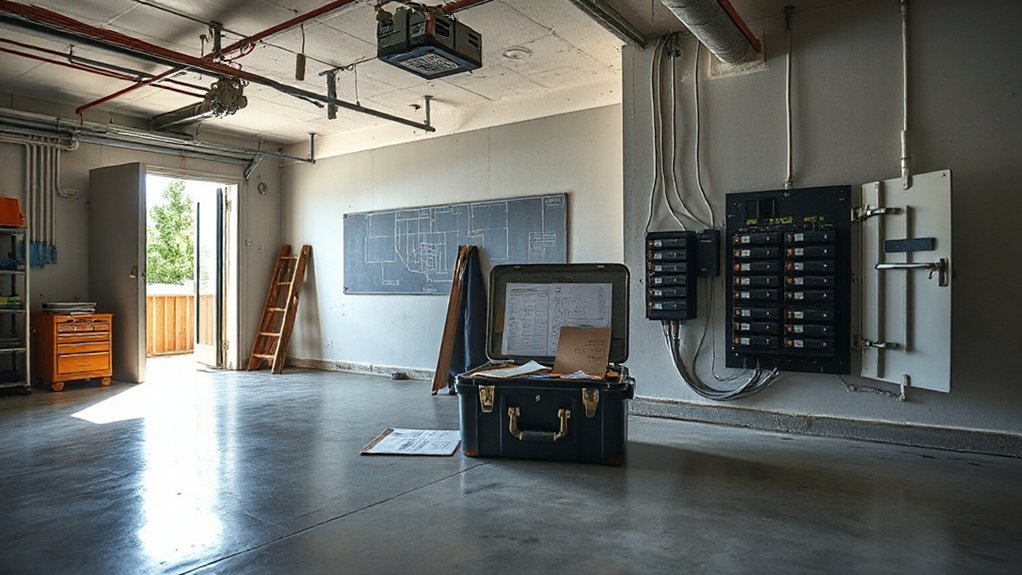
Electrical work matters as much as framing when you’re converting a garage, so your bid should spell out exactly what gets upgraded and how it affects daily use. You’ll want a clear scope that covers panel capacity, feeder relocations, and any subpanel needs, plus dedicated circuits for HVAC, water heater, and cleanup tools.
Demand a recognizing timeline for permit approvals, rough-ins, and final connections, including AFCI/GFCI protections where required. Insist on wiring diagrams, box fill calculations, and sequential testing checkpoints to avoid surprises after completion.
Ask for lighting plans that prioritize task lighting, ambient options, and exterior/flood lighting. Landscaping ideas and storage solutions should be noted in the bid to avoid landscape or garage clutter conflicts during finish-out, but keep them separate from the electrical scope.
Plumbing Feasibility and Fixture Layout in Garage Conversions
You’ll want to map your plumbing layout early, focusing on efficient fixture placement and minimal pipe runs.
Assess utility feasibility by checking available water supply, drainage routes, and any trenching or structural adjustments the garage may require.
This groundwork lets bids reflect true costs for both plumbing layout and achievable fixtures.
Plumbing Layout Considerations
When planning a garage-to-living-space conversion, you must map the plumbing layout early to avoid costly rework, since supply, waste lines, and venting drive room placement and fixture locations. You’ll want a plan that minimizes trenching, preserves structural members, and coordinates with HVAC and electrical runs.
A smart layout keeps plumbing stacks shared where possible and positions fixtures to reduce pipe lengths and heat loss. Also, verify access for future maintenance and guarantee cleanouts meet code. Consider how exterior design and garage storage interact with entry flow and towel-racks, so spaces feel cohesive.
Anticipate future water pressure needs and drainage slope to prevent clogs. Plan for flexibility in rearranging furniture without violating code.
1) Align fixtures with existing plumbing drops
2) Centralize stacks to minimize runs
3) Respect venting heights and attic access
4) Integrate storage with door geometry
Utility Feasibility Assessment
How feasible is your garage conversion from a plumbing standpoint, and where will fixtures and pipes fit without costly rework? You’ll evaluate existing lines, slope, and access, then map a practical plumbing strategy.
Start with the main water and waste paths: can you tie into the home’s stack without expensive trenching or exterior digs? Consider fixture locations that minimize run length, avoid structural conflicts, and align with future interior decor.
Plan a compact layout: a powder room or kitchenette near an existing bathroom line, and a utility sink where repairs are easiest. Don’t overlook venting and frost protection in cold climates.
Assess potential upgrades, like a tankless heater or recirculation loop, for efficiency. Finally, integrate landscaping design realities around decommissioned exterior doors and service runs to prevent future headaches.
Insulation and Ventilation: What to Compare Across Bids
Insulation and ventilation are the two most critical long-term costs in a garage conversion, so compare bids on how each system is specified and installed.
1) Look beyond R-values alone—confirm installers specify actual material types, thicknesses, and installation methods for walls, ceiling, and floor, plus air sealing details.
2) Compare vented vs. mechanical ventilation approaches, including control strategies, humidity management, and energy recovery options, with documented performance specs.
3) Require whole-home energy calculations or manuals J/NE guidance to justify sizes and costs, not guesswork.
4) Check compatibility with landscaping ideas and storage solutions you plan, ensuring plumbing, electrical, and HVAC penetrations won’t compromise future use.
Focus on warranties, maintenance needs, and service responsiveness for lasting value.
Finishes and Fixtures: Quantifying Aesthetics and Quality
You’ll want to set clear finishes quality metrics, so you can compare options on durability, feel, and maintenance.
Consider fixtures selection criteria that prioritize compatibility, sourcing, and warranty, so decisions stay consistent across bids.
Establish aesthetic consistency standards early, so you can gauge whether trims, tones, and textures align with your overall design intent.
Finishes Quality Metrics
- Surface uniformity and defect tolerance
- Color consistency and fade resistance
- Joint integrity and edge detailing
- Finish durability and maintenance needs
Fixtures Selection Criteria
Fixtures selection ties directly to finishes quality, because the right fixtures define how a space feels and performs under daily use. You’ll choose fixtures that balance durability, maintenance, and ease of use, focusing on load capacity, finishes that resist wear, and compatibility with existing systems.
Prioritize practical tests: door hardware should endure frequent use; lighting should illuminate tasks without glare; plumbing fixtures must tolerate garage moisture and temperature swings.
Consider garage organization implications: smart storage anchors, shelving, and bench accessories should align with the chosen fixtures for seamless workflows.
Review insulation options in tandem with fixtures to avoid thermal gaps near outlets and lights.
Finally, document cost ranges and vendor warranties to ensure you’re not compromising long‑term performance for short‑term aesthetics.
Aesthetic Consistency Standards
Achieving aesthetic consistency starts with quantifying how finishes and fixtures contribute to the space’s feel and function. You’ll define standards for materials, finishes, and hardware that align with your overall color schemes and decorative accents, ensuring cohesive visuals from garage to living areas. Precision here prevents mismatch costs later and guides contractor choices.
- Align finishes and hardware across rooms to maintain uniform sheen, tone, and durability.
- Specify color schemes that reinforce function (lighting, storage, work zones) and mood without clutter.
- Prioritize decorative accents that anchor the design while allowing flexible updates.
- Set measurable quality benchmarks for fixtures, trim, and cabinetry to sustain long-term value.
Windows, Doors, and Exterior Access Included in Bids
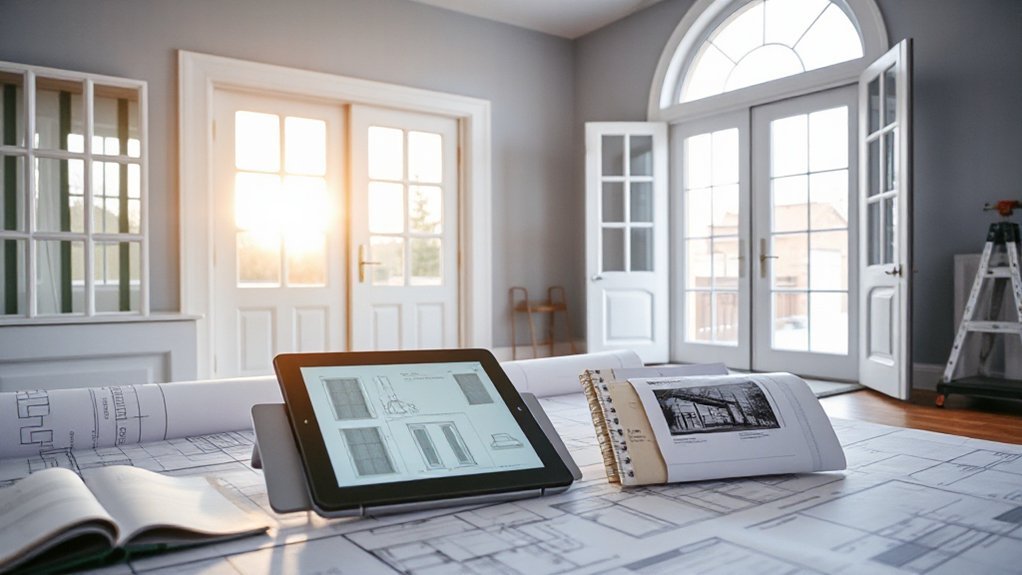
When bidding a garage conversion, include windows, doors, and exterior access as core line items so pricing reflects actual installation needs and site constraints.
You’ll want clear scope on window placement to ensure natural light, egress, and code compliance without overpaying for unnecessary sizes.
Specify door types, hardware, and thresholds that suit traffic patterns and future use.
Then lock in exterior access features like ramps, stairs, and landings that integrate with your driveway grade.
Document finish quality for exterior finish, including trim, siding, sealants, and flashing, so bids align with durability goals.
Require product and install warranties, and ask for contingencies tied to weather and site access.
Compare quotes on installation timelines, permit coordination, and cleanup to avoid hidden costs.
Mechanical Systems: HVAC, Ductwork, and Energy Efficiency
How you approach mechanical systems can make or break a garage conversion’s comfort and efficiency. You’ll want a clear plan for HVAC sizing, duct routing, and energy efficiency—before bid day. Focus on load calculations, zoning, and smart thermostats to minimize waste.
Also consider outdoor design impacts, like landscape lighting and outdoor landscaping, which affect heat gain and cooling needs now and later.
- Size and select an efficient HVAC system tailored to room count, insulation, and window loss.
- Plan ductwork for minimal leakage, balanced airflow, and quiet operation.
- Prioritize sealing, insulation, and high-efficiency components to cut operating costs.
- Integrate outdoor lighting and landscaping considerations to prevent shadowed cooling zones and optimize comfort.
Permits, Inspections, and the Role of Project Management Costs
Budget for permit fees, plan review times, and potential rework if plans don’t align with codes. Project management costs cover coordination, scheduling, and communication among trades, reducing delays and misunderstandings.
When you compare quotes, ask how they handle permit pulls, interim inspections, and documentation like as-built drawings. Include landscaping design considerations to ensure outdoor access and drainage aren’t overlooked, and plan for storage solutions that integrate with the finished space.
Clear milestones help prevent scope creep and unexpected costs.
Timeline and Sequencing: How Bids Reflect Scheduling
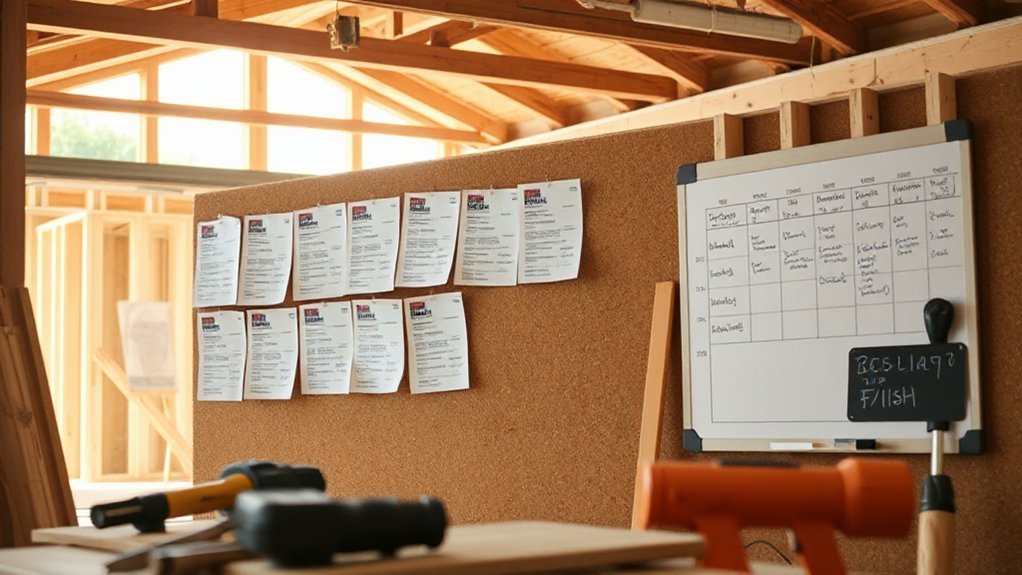
Bids don’t just price work; they map your project’s calendar. When you read a bid, you’re also reading the sequence and timing the contractor envisions for your garage conversion. You’ll see how long each phase lasts and how delays ripple through the schedule.
Focus on how Garage insulation and Exterior finishes are staged, linked, and budgeted, not just listed.
- Identify critical path tasks that set the pace for the entire project.
- Check overlap opportunities to minimize downtime without compromising quality.
- Confirm lead times for materials and any required inspections.
- Guarantee contingency buffers align with realistic sequencing and your deadlines.
Contingencies, Allowances, and Hidden Costs to Flag
You’ll want a clear plan for contingencies, allowances, and hidden costs before you sign. Track contingency budgets, confirm what allowances cover, and flag any potential surprises early so bids stay realistic.
This discussion starts with practical checks you can implement right away to keep your garage conversion on track.
Contingencies Budgeting Tips
Unexpected costs can derail a garage conversion if you don’t plan for contingencies, allowances, and hidden fees. You’ll want solid Budget planning and proactive contingency planning to keep projects on track and on budget.
- Define a realistic contingency fund based on project complexity and unknowns.
- Break allowances by trade and item, so scope gaps don’t surprise you later.
- Review contractor quotes for hidden costs and permit delays, flag early.
- Build in a staged approval process to adjust scope without derailing timelines.
Apply these practices from day one: quantify risks, document every assumption, and require transparent pricing.
Hidden Costs Alert
Hidden costs are the stealth risk in any garage conversion, so flag them early: contingencies, allowances, and other charges that aren’t obvious at first glance can derail budgets if you don’t identify and document them up front.
You’ll want a clear line item for each potential surprise, including material price volatility, permit delays, and scope changes. Track contingencies separately from base estimates, and define how you’ll adjust them if plans shift.
Document allowances for finishes, fixtures, and labor tiers, with explicit acceptance criteria and expiration dates. Remember storage solutions and exterior aesthetics may influence costs beyond initial drawings; clarify impact early.
Use a conservative, evidence-based approach, and require written approvals before moving to the next phase to avoid misaligned expectations.
Allowances Clarification Needs
Allowances clarifications are essential to prevent budget creep, so name every contingency, allowance, and potential hidden cost up front and tie each to specific milestones. You’ll attach contingencies to framing, permits, and inspections; allowances to finishes, fixtures, and appliances; hidden costs to site access, waste disposal, and utility upgrades.
Specify timing, owner decisions, and change-order impact at each milestone to avoid surprises.
- Contingency for structural edge cases tied to permit approvals and foundation checks.
- Finish allowances aligned with selected material grades and upgrade options.
- Appliance and fixture allowances mapped to kitchen/bath layouts and delivery windows.
- Hidden-cost flags for access, roofing options, and garden lighting installations during exterior work.
Subcontractors and Team Credentials Bidders Must Provide
Subcontractors and team credentials are critical to a successful garage-conversion project, so bidders must provide clear documentation of who’ll work on the job and what qualifications they bring. You should expect detailed resumes, licenses, insurance coverage, and any specialty certifications for each trade line.
Subcontractor credentials must map to the scope, timelines, and safety requirements you’ve set, preventing scope creep and gaps. Team verification should confirm supervision structure, on-site leadership, and backup personnel for key roles.
Require verifiable references and past project outcomes, focusing on similar conversions. Demand credential validity checks and regular updates through every project phase.
Clear records keep you compliant and protect warranties, while reducing risk of disruptions and miscommunication during the build.
Reading Bids: Quality Benchmarks for Specs and Workmanship
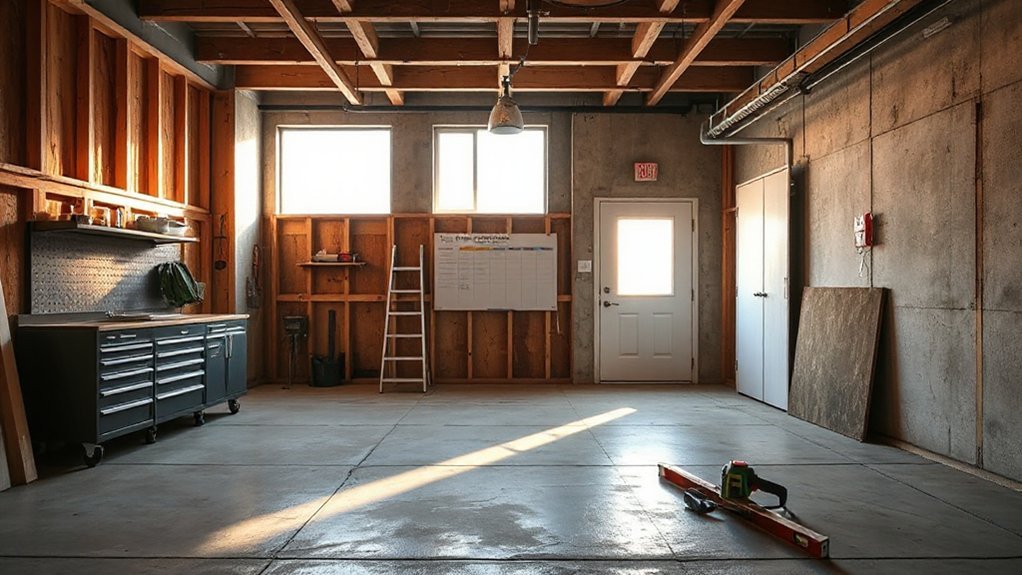
When reading bids, start by defining the quality benchmarks you expect for specs and workmanship, then use these standards to evaluate each proposal side by side. You’ll assess materials, finishes, tolerances, and adherence to code timelines, weighing complexity against cost.
Focus on clear scope definitions, warranty terms, and site cleanliness. Compare how each bidder addresses risk, sequencing, and coordination with any existing structure. Budget planning and contractor reputation should guide prioritization, not override technical detail.
Check for consistency between drawings and notes, and request substitutions only when they meet your benchmarks. Then rate proposals against a fixed scoring rubric, not impressions alone.
- Consistency of scope and drawings
- Clarity of warranties and post-sale support
- Material substitutions feasibility and impact
- Alignment with budget planning and timeline
Compare Bids Side by Side: A Template That Reveals Value
After you’ve pinned down the quality benchmarks, you’ll want a side-by-side template that lays every bid next to the others in clear, apples-to-apples terms. A practical template stacks line items by scope, cost, timeline, and warranties, so you can compare like-for-like.
Include total project price, material costs, labor rates, and any allowances for essentials—paint color selections, finishes, and fixtures. Add a column for contingencies and access needs that may affect install timelines.
For garage organization, note storage systems, cabinets, and wall-mounted storage. Don’t overlook installation specifics, permit fees, and cleanup.
Present each bid with a brief note on assumptions and exclusions. This clarity helps you see value, not just price, and spots differences that impact long-term satisfaction and maintenance.
Negotiation Tips to Close the Deal Without Sacrificing Quality
To close a garage-conversion deal without sacrificing quality, start with a clear target: define the essential scope, must-have materials, and a realistic timeline, then negotiate around those non-negotiables.
- Budget planning: anchor price ranges, identify contingencies, and set payment milestones keyed to milestones.
- Contractor communication: document decisions, ask for written confirmations, and confirm tolerance for changes.
- Trade-offs: predefine acceptable substitutions that don’t affect function or safety.
- Timeline discipline: attach penalties or incentives to schedule adherence, not simply cost.
Keep conversations focused on value, not just price, and verify each claim with written specs.
Seek transparency, insist on a detailed scope, and revisit budget and timeline after each major milestone.
Frequently Asked Questions
How Do I Verify Contractor Licenses and Insurance Before Quoting?
Yes, verify licenses with your state board and confirm insurance with a current certificate before they quote. Check garage layout plans and material selection options, ask for endorsements, and require proof of coverage for subcontractors and accidents.
What Hidden Costs Commonly Appear After Bids Are Received?
Hidden costs often sneak in after bids—watch for Budget overruns and hidden fees you didn’t anticipate, like permit delays, subcontractor changes, or material surcharges. You should review allowances, confirm scope, and request fixed-price options when possible.
How Should You Compare Insulation R-Values Across Bids?
You’ll notice insulation R-values can diverge; compare by thermal performance, not just price. Check labeled specs, confirm testing standards, and prioritize energy efficiency; insist on consistent measurement methods across bids to avoid misleading conclusions and costly future upgrades.
Which Subcontractor Credentials Are Essential for Garage Conversions?
You need essential subcontractor credentials: licensed electrical, plumbing, and HVAC pros; plus certified structural and geotechnical reviewers. Verify garage layout plans align with safety codes, and guarantee material durability across the build to prevent future issues.
What Trade-Offs Between Price and Quality Are Acceptable in Bids?
You’ll negotiablely balance cost vs. durability; don’t chase perfection, but don’t accept fragility either. In bids, weigh material selection carefully, prioritize long-term value, and expect higher durability costs to cut future maintenance in half.
Conclusion
You’ve got the blueprint to separate solid bids from noise. By defining scope up front and demanding core quotes, you’ll spot gaps, not gaps-in-logic. Read bids for framing integrity, electrical and service upgrades, plumbing feasibility, and credentials. Compare apples to apples with a side-by-side template, then negotiate from a position of clarity, not guesswork. Don’t rush decisions—take time to verify performance expectations. In short, aim for a win-win, not a hollow victory.
About the Author