You’ll get a practical roadmap for estimating window replacement costs in older homes, from material choices to labor, permits, and regional quirks. Expect clarity on wood, vinyl, aluminum, and fiberglass options, plus how finish, maintenance, and warranties shape value. Understand how U-factor and SHGC drive energy Payback, and why historic or regional limits can change price. A simple scoring framework helps you compare options quickly. Keep going and you’ll uncover deeper detail to refine your plan.
What a Window Replacement Cost Calculator Actually Measures
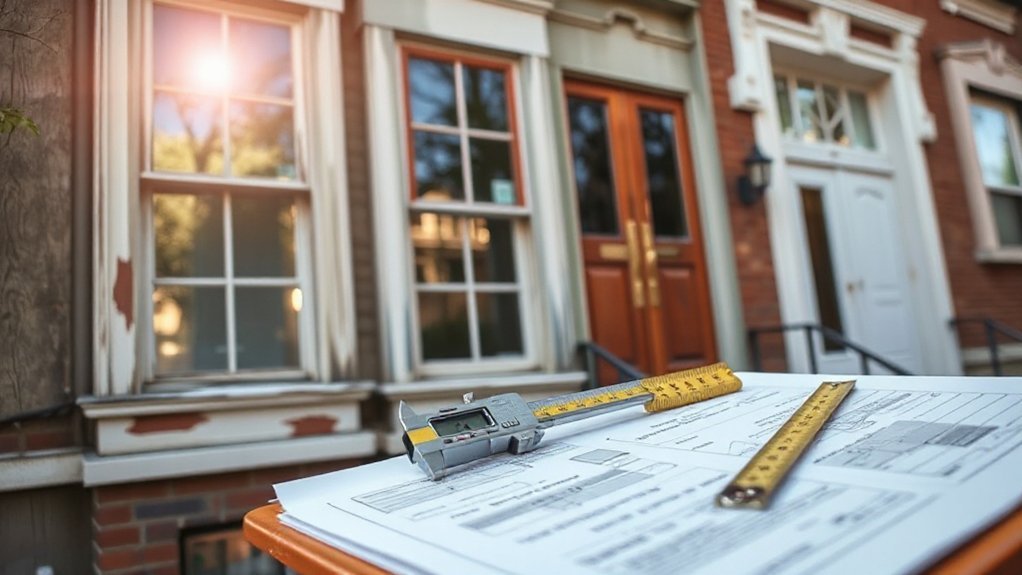
A window replacement cost calculator measures the factors that drive total project price, not just the sticker price of new sashes. You’ll see how installation labor, site conditions, and trim work contribute as much as hardware choices and glazing options.
This tool translates inputs into a price range you can trust, avoiding guesswork during planning. You’ll assess scaling, frame compatibility, and insulation needs, which influence long-term energy performance and comfort.
The calculator highlights window aesthetics and craftsmanship quality as value drivers, not afterthoughts. It prompts you to contemplate curb appeal, alignment with existing architecture, and finish consistency.
Material Choices: Wood, Vinyl, Aluminum, and Fiberglass Value
Material choices drive value beyond price tags: wood, vinyl, aluminum, and fiberglass each bring distinct performance, maintenance, and aesthetic implications that affect long-term cost and comfort.
You’ll weigh material durability against your climate, budget, and design goals. Wood offers natural warmth and high aesthetic appeal, but requires more upkeep and seasonal checks. Vinyl excels in energy efficiency, low maintenance, and stable pricing, yet can feel less premium. Aluminum provides strength and slim profiles, but may conduct more heat and cold, affecting comfort. Fiberglass blends strength with stability, resisting warping and delivering consistent finishes.
Consider finish options, color retention, and sealant performance as you evaluate longevity. In practice, match the material to your home’s style and expected living patterns to optimize value, comfort, and ongoing satisfaction.
Labor, Permits, and Hidden Fees: What Homeowners See on the Bill
You’ll see how labor cost variances, permits, and extra fees shape the bottom line for window replacement. We’ll break down what typically drives those charges and where design-minded efficiency can trim them.
This sets the stage for smarter decisions and a clearer, less surprising bill.
Labor Cost Variances
Labor costs can swing due to crew efficiency, project scope, and local wage norms, so expect noticeable variance in estimates and final bills. You’ll see differences based on crew experience, scheduling, and how tightly the scope is defined.
When you compare quotes, check whether labor hours assume standard or high-efficiency methods, and whether on-site supervision is included. The labor market influences daily rates, overtime, and subcontractor access, so two bids for the same job can diverge even with identical materials.
Wage disparities across regions or trades impact your bottom line, especially for specialized tasks like traditional glazing or precision fitments. Aim for transparent line items, confirm expected hours, and request contingency ranges to forecast total costs more accurately.
Permits And Extra Fees
Permits drive up the bill, and what you see on the invoice often isn’t just labor or materials. You’ll also pay for approvals, inspections, and provider overhead, all of which show up as line items you can’t ignore.
To keep the charge honest, understand where it lands:
- Permits and inspections: building codes compliance, plan checks, and field visits.
- Fees for design review, impact studies, and utility coordination where insulation standards or energy-efficiency requirements matter.
- Hidden charges: administration, processing, and potential permit re‑issuance if changes occur.
Knowing these adds helps you budget precisely and verify that every charge aligns with building codes and insulation standards while maintaining a clean, design-minded result.
Energy Performance: U-Factor, SHGC, and ROI You Can Realistically Expect
Energy performance hinges on two key metrics: U-factor and SHGC. You’ll see how they drive comfort and bills when you compare replacement options for older homes.
A lower U-factor reduces heat flow, so you stay warmer in winter and cooler in summer without overworking HVAC.
A lower SHGC cuts solar heat gain, helpful in sunny rooms or hot climates.
Aim for a balanced package that aligns with your climate, orientation, and daily use.
ROI comes from combining improved comfort, reduced energy demand, and durable hinges on quality materials.
Energy efficiency translates to predictable costs, not just sticker values.
Expect cost savings over time, with payback tied to your energy pricing, window quality, and installation proficiency.
Design-minded choices yield both performance and lasting value.
Regional Variations and Historic-Home Considerations
Regional material availability, product standards, and lead times vary by region, so you’ll see different options and costs based on where you are.
Historic-home compliance costs, permitting, and potential restoration needs can add time and budget—plan for those as non-optional design constraints.
Climate-driven installation nuances, from moisture control to seasonal scheduling, influence detail choices and performance goals for your project.
Regional Material Variations
How do regional material differences shape your window replacement project? You’ll feel the impact in choices, costs, and performance, filtered through local craft and climate realities. Regional material variations affect durability, appearance, and thermal behavior, so you’ll balance aesthetics with long-term comfort and maintenance. Consider how suppliers source locally, and how nearby mills, finishes, and hardware influence tone and patina over time. Align your specs with regional craftsmanship and local climate demands to avoid over- or under-engineering the system.
1. Material availability and sourcing
Radius impact lead times and cost stability.
2. Climate-driven performance
96/8 insulation, UV resistance, and moisture handling become priority.
3. Finish and hardware compatibility
Reflect regional craft traditions and maintenance needs.
Historic-Home Compliance Costs
Focus on architectural authenticity to guide finish choices, glazing, and muntin patterns that align with eras without sacrificing performance. Historical preservation guidelines may demand revisions to trim, casing, and exterior profiles, influencing labor rates and lead times.
Budget for professional consultations, surveys, and expedited review fees when applicable. Documented conformity with preservation objectives helps avoid costly retrofits later.
Use a concise, design-minded plan to balance aesthetics, compliance, and sustainable efficiency within the project’s constraints.
Climate-Driven Installation Nuances
- Assess storm resistance needs and frame openings to optimize water shedding and wind performance.
- Prioritize insulation quality with historically appropriate materials while maintaining tight building envelopes.
- Align fastening, flashing, and sills to regional rain, snow, and freeze–thaw cycles for durable, authentic curb appeal.
In practice, you’ll balance original detailing with modern performance. Choose profiles that echo historic aesthetics yet support energy goals, so the home breathes without drafts.
Document regional constraints early, then test fit and seal at corners, crossings, and mullions. Your design-minded approach should deliver reliable comfort, minimal heat loss, and resilient storm resistance without sacrificing period character.
A Practical Scoring System: Your 6-Question Framework to Decide
To decide whether to replace windows in an older property, use this practical six-question scoring system to guide your choice. Each question targets cost, energy, and design impact, helping you move beyond guesswork.
1) How old are the current frames and seals, and what’s the likely retrofit cost if kept?
2) What’s the annual energy loss, and how quickly will new units pay for themselves?
3) How will installation affect your comfort, noise, and daylight quality?
4) Does the window design harmonize with your home’s architecture and interior aesthetic appeal?
5) What maintenance relief do you gain, and how long will components last?
6) Are there incentives, warranties, or tax credits to consider?
Score 0–5 per item, then weigh total against upfront vs. long-term value.
Frequently Asked Questions
How Do Installation Timing and Weather Impact Overall Costs?
Installation timing and weather affect costs: you’ll face installation delays and weather related costs when plans slip or conditions worsen. You’ll optimize scheduling, choose flexible windows, and prepare contingencies to minimize budget surprises and keep projects on track.
What Warranty Coverage Typically Comes With Each Frame Material?
You’ll typically get warranties spanning 20–30 years for vinyl, 20–25 for aluminum, and 10–20 for wood, with frame durability and material aesthetics shaping coverage limits. You’ll want to verify exclusions and reinforcement guarantees for long-term value.
Do Window Replacements Affect Property Insurance Premiums?
Yes, window replacements can influence your premiums. Insurance discounts may apply for enhanced durability, while premium adjustments reflect improved safety and energy efficiency; discuss options with your insurer to optimize coverage and cost before installation.
Can Tax Credits or Incentives Apply to Replacements in Historic Homes?
Historic preservation proves huge: yes, tax credits or incentives can apply to replacements in historic homes if you meet eligibility. You’ll assess Historic preservation, Tax incentive eligibility, then document standards, qualify, and maximize practical, design-minded savings.
How Do Local Building Codes Influence Project Feasibility?
You’ll navigate local building codes by prioritizing historical preservation and material compatibility, ensuring feasible design options. You’ll verify permit requirements, assess structural implications, and coordinate with inspectors to keep replacements compliant and durable throughout the project.
Conclusion
You’ve got the basics, now translate them into a decision you can live with. Track what matters: material durability, labor costs, permits, and energy gains. Weigh regional quirks and historic quirks against your budget and style. Use the 6-question framework to cut through noise, and don’t overpay for marginal gains. Think of your replacement as a compass—steady, precise, guiding you toward comfort and value, not hype. The right choices align performance, form, and budget—without compromise.
About the Author