
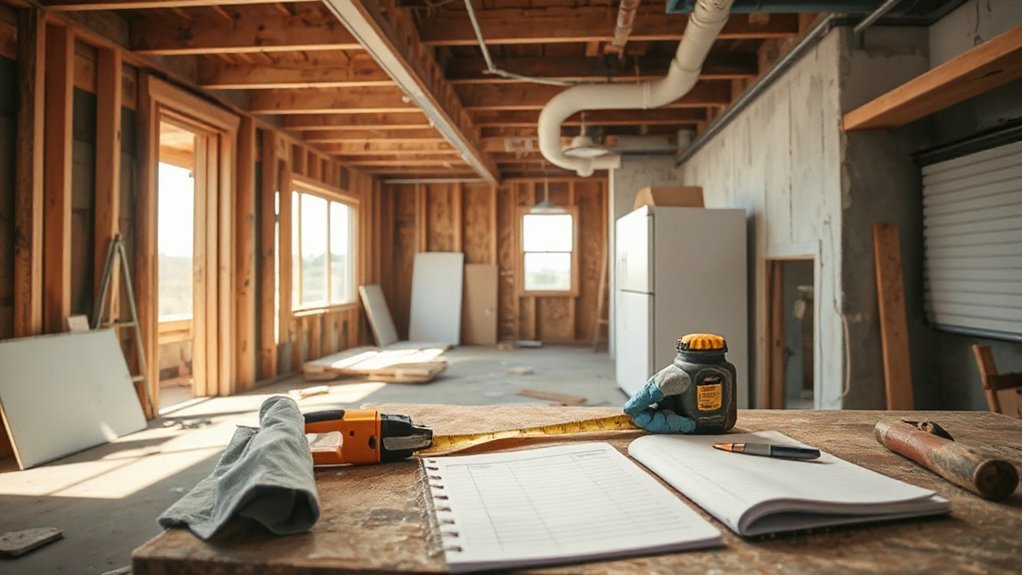
You plan meticulously, yet a rushed decision can turn your careful budget into a costly lesson. In renovation, clear scope, solid contingencies, and permitting discipline aren’t optional—they’re your first line of defense. You’ll want to lock in costs, track progress, and verify quality at every step. Fail to do so, and hidden costs, delays, and rework will erode your margins. Ready to map the risks and build a reliable plan that lasts?
Key Takeaways
- Define and lock the full scope, budget, and timeline upfront to prevent scope creep and costly revisions.
- Use a centralized change log and formal approvals for any alterations to control cost and schedule overruns.
- Build a detailed, itemized budget with contingencies (10-20%) and track costs in real time.
- Prioritize permits, codes, and approvals early with a dedicated liaison to avoid rework and delays.
- Implement rigorous QA, inspections, and final sign-off routines to catch issues before they escalate.
Estimate Renovation Costs With Confidence
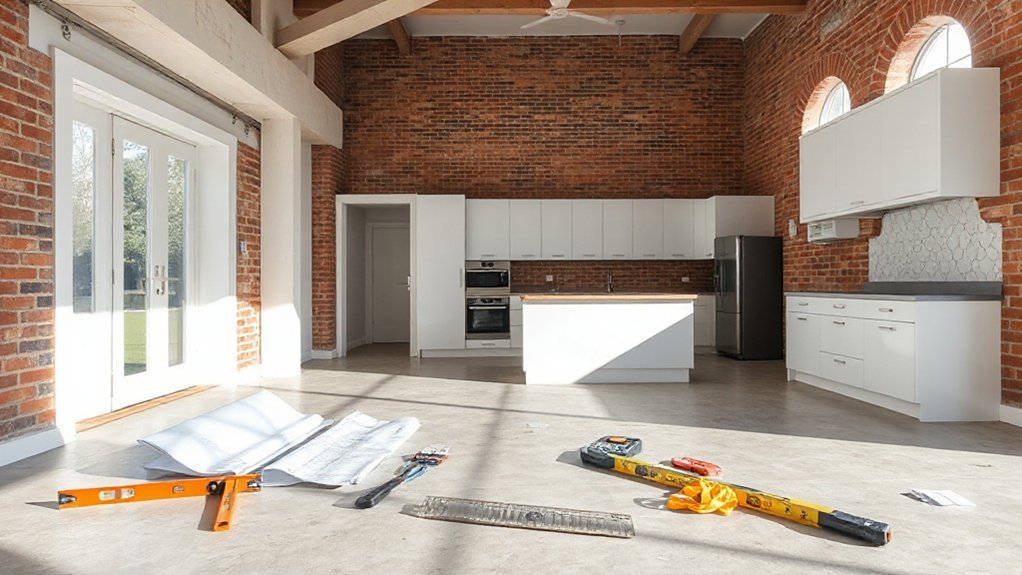
Estimating renovation costs with confidence starts before you pick a contractor. You map scope precisely, list rooms, and note must-haves vs. nice-to-haves to prevent scope creep.
You research recent project costs in your area, then build a detailed line-item budget that covers trades, permits, contingency, and UX impacts on daily living.
You prioritize Design innovation, weighing how new layouts or finishes affect value and usability without overpaying.
You secure multiple written bids, verify each line item, and question anomalies rather than accept vague totals.
Material sourcing matters: compare prices, delivery times, and warranty terms, and consider bulk purchases or substitutions to stay within range.
Finally, you document assumptions and risks so revisions stay deliberate, not impulsive, as plans evolve.
Set Your Budget and Timeline From Day One
Setting a firm budget and a realistic timeline early on keeps your renovation on track and protects you from creeping costs. You should lock a primary budget and map a delivery schedule that aligns with your goals, not someone else’s.
Start with a baseline for materials, labor, and permits, then add a contingency you’re comfortable absorbing. Build in Budget flexibility so you can reallocate funds without derailing the project, and document every change with receipts and updated estimates.
Establish Timeline buffers for each phase to absorb delays without cascading holds. Track milestones weekly, compare actuals to plans, and adjust promptly.
Communicate decisions clearly to all trades, and avoid scope creep by confirming every change in writing. Your disciplined approach prevents surprises and keeps renovations predictable.
Prioritize Permits, Codes, and Approvals Up Front
Begin with a realistic schedule that aligns contractor workflows, inspections, and permit timelines, so you aren’t staring at blank walls while awaiting sign-offs.
Confirm which permits apply to each scope item—building, electrical, plumbing, and safety—so nothing slips through the cracks.
Stay proactive about plan submittals, revisions, and associated fees; document decisions to avoid backtracking.
Emphasize code compliance from day one, not as an afterthought, to prevent costly rework.
Establish a primary liaison with your jurisdiction to streamline communications and track progress, ensuring approvals don’t derail your timeline or budget.
Plan for Hidden Costs and Contingencies
Hidden costs sneak in when you’re least prepared, so plan for them upfront and keep a safety net that’s easy to draw from. You’ll start with a clear budget baseline and add a dedicated contingency line—typically 10 to 20 percent, depending on scope.
Identify likely risk areas: permit delays, supply shortages, and design changes, then assign owners and dates for follow-up.
Track every expense in real time, so small overruns don’t snowball. Build a formal review cadence with milestones where you reassess costs and adjust contingency planning accordingly.
Maintain transparent communication with contractors and lenders; document changes and approvals promptly. Expect surprises, and you’ll minimize impact on schedule and quality.
This disciplined approach guards profitability and reduces stress during renovation.
Choose Materials That Balance Cost and Performance

Choosing materials that balance cost and performance starts with a clear performance profile and a realistic budget. You map needs to priorities—durability, maintenance, and appearance—so every choice earns measurable value.
Start with material durability and long-term lifecycle costs, not merely upfront price. Compare options by performance under your climate, traffic, and usage, then forecast replacement intervals and labor needs.
Seek products with proven reliability and documented warranties, but avoid premium hype that outpaces real benefits.
Allocate budget for core components first, reserving a contingency for surprises, while resisting overdesign driven by aesthetics alone.
Consider standardized, widely available materials to simplify procurement and trades, reducing delays.
Tie decisions to a practical aesthetic appeal that harmonizes with the home’s character and your maintenance reality.
Balance cost, performance, and care to prevent regretful compromises.
Align Design Goals With Structural Realities
Start by aligning your design goals with the actual structure, so planned changes fit the load path and spans you’ve got.
Assess load-bearing realities early, and map how retrofit options may alter capacity or require reinforcement.
Plan with clear constraints in mind, ensuring every design choice respects the structure while still meeting your objectives.
Align Design With Structure
When you design a renovation, start by measuring what’s possible. You align design goals with structure by testing how each choice fits the existing frame, not against an ideal blueprint.
Prioritize structural integrity first, then tune details for aesthetic harmony. Sketch scaled options that respect load paths, stud spacing, and foundation limits, so you don’t chase looks that collapse under real forces.
Evaluate ceiling heights, doorways, and column locations to avoid awkward fixes later. Choose materials and finishes that tolerate settlement and seasonal movement, not just current trends.
Document constraints in a concise brief, then use it to guide decisions at every milestone. This disciplined approach saves time, reduces rework, and preserves architectural authenticity while delivering durable, balanced spaces.
Assess Load-Bearing Realities
How do you translate design goals into real-world load paths? Begin with a clear load bearing assessment that maps how forces travel from roof to foundation. Identify bearing walls, beams, and joists, and note any mismatches between intended uses and existing framing.
You’ll verify that load paths remain continuous after proposed changes, and that holes, cutouts, or new openings won’t interrupt critical support. Conduct a disciplined structural evaluation to compare as-built conditions against code and intent, documenting deviations and their potential impact.
Prioritize modifications that preserve essential support while enabling required spatial changes. Use concise measurements, sketches, and notes to communicate risk and feasibility to contractors. Align decisions with structural realities, avoiding surprises, budget overruns, or unsafe configurations.
Plan For Retrofit Limits
Analyze retrofit boundaries early: identify what can stay, what must be reinforced, and where you’ll need new systems. Prioritize changes that meet essential function without overtaxing the structure, avoiding costly routings or hidden conflicts.
Reconcile aesthetics with fundaments by testing practicalities: door swings, window openings, stair alignments, and service routes. Consult code basics and safety regulations to ensure compliance from the outset, not as an afterthought.
Document assumptions, verify with structure-aware calculations, and iterate plans until limits are clear and actionable. This disciplined approach prevents scope creep and costly rework.
Select a Renovation Contractor and Define the Scope
Choosing the right renovation contractor starts with clear criteria and a precise scope. You’ll begin by defining what you want, then translating it into measurable tasks.
Research potential contractors, verify contractor credentials, and check licenses, insurance, and past project outcomes.
Schedule interviews to gauge communication style and responsiveness; you want a partner who explains tradeoffs without jargon.
During conversations, insist on a written scope clarification that breaks activities into specific deliverables, milestones, and acceptance criteria.
Avoid scope creep by identifying exclusions, budget limits, and change procedures upfront.
Require detailed cost estimates with itemized line items, contingency buffers, and payment schedules tied to completed work.
Compare proposals for consistency, reliability, and timeline realism.
Document decisions, expectations, and responsibilities to minimize disputes and maximize project stability.
Schedule Smartly: Tools and Tactics for Project Management
Scheduling isn’t just about listing tasks; it’s about aligning people, time, and budget to keep a renovation on track. You’ll use practical tools that chain workflow, milestones, and accountability, so delays don’t derail the plan.
Choose a central scheduling platform and keep it updated daily, with clear ownership and realistic buffers for weather, permits, and material lead times. Build a baseline calendar that reflects dependencies, not merely sequences.
Track progress with simple metrics: tasks completed, days ahead or behind, and remaining budget burn. Integrate Time management practices to guard critical paths and minimize idle time.
Communicate decisions swiftly using documented channels, turning interruptions into quick, actionable updates.
Embrace Communication strategies that surface risks early, preserving momentum and reducing costly surprises.
Prevent Scope Creep and Manage Change Orders
Preventing scope creep and controlling change orders starts with a firm baseline: lock down agreed deliverables, specs, and budgets before any work begins. You’ll implement robust scope management to clearly define what’s in and out, reducing ambiguity that invites variation.
As work progresses, document every requested change, its impact on schedule, cost, and quality, and obtain formal approval before proceeding. Use a centralized Change documentation log so every stakeholder sees updates and decisions in real time.
Establish change thresholds so small tweaks don’t balloon into big overruns, and reserve contingency funds for approved shifts. Regularly review progress against the baseline, flag deviations early, and adjust only through written amendments.
This disciplined approach minimizes disruption, maintains control, and preserves the project’s financial integrity.
Quality Checks, Inspections, and a Thorough Final Walkthrough

You’ll establish clear quality control checks and inspection protocols from day one, so defects don’t slip through.
Follow a structured final walkthrough checklist to confirm finishes, systems, and safety meet your standards.
Document every finding and assign responsible parties to guarantee timely, accountable resolutions.
Quality Control Checks
Quality control starts long before the first hammer swing: set clear standards, assign inspectors, and build a check-by-check plan that covers structure, systems, and finishes. You’ll map every stage, from framing to fixtures, so expectations stay aligned with budget and timeline.
During work, conduct concise daily reviews, verify material durability, and confirm installation methods align with specs. Maintain tight contractor communication: log decisions, dates, and responsible parties, and eliminate ambiguities before they snowball.
Use objective tests where possible—plumb, level, and pressure tests for plumbing—then record results alongside photos. Prioritize snag lists that target critical risks, not cosmetic afterthoughts.
At final walkthrough, ensure each item is resolved to agreed standards, with documentation ready for handoff. This disciplined approach minimizes rework, cost overruns, and regret.
Thorough Inspection Protocols
How do you guarantee no detail slips through the cracks? You implement thorough inspection protocols that blend quality checks with disciplined routines.
Begin with a documented checklist covering every phase of the project, from framing to finishes, so nothing remains implicit.
Prioritize structural integrity by verifying load paths, connections, and material specs before concealing work.
Conduct incremental inspections after critical steps, not just at milestones, and require sign-offs from qualified professionals for trades that affect safety.
Enforce safety protocols on every site visit—PPE, proper temporary supports, and clear access routes.
Maintain precise records of findings, corrective actions, and timelines to prevent rework.
End with a concise final verification focused on remaining hidden risks, ensuring nothing undermines durability or compliance.
Final Walkthrough Essentials
As you wrap up the project, a thorough final walkthrough secures quality and guards against costly oversights. You’ll perform targeted checks that echo earlier inspections, but with a closing lens.
Start with a precise checklist essentials: verify structural integrity, confirm finishes match specs, and test systems under load. Inspect electrical, plumbing, and HVAC for leaks, faults, and safety compliance, then document any deviations with photos and timestamps.
Confirm doors, windows, and hardware operate smoothly, seals prevent drafts, and insulation meets criteria. Review warranties, manuals, and maintenance plans, marking items for follow-up if needed.
Cross-check change orders against as-built drawings to confirm scope accuracy. Conclude by labeling remaining tasks, assigning owners, and scheduling a final sign-off.
A deliberate final walkthrough minimizes rework and protects investment. Final walkthrough completed, project locked in.
Frequently Asked Questions
How Can I Spot Hidden Costs Before Breaking Ground?
You’ll spot hidden costs by asking detailed questions upfront and documenting every line item. Start with a thorough scope, then request itemized bids and contingency allowances.
Review contracts for hidden fees, permit delays, and management charges. Build a realistic budget with 10–20% contingencies for unexpected expenses, inspections, and change orders.
Track changes daily, compare estimates, and set milestones. Stay proactive, confirm all costs in writing, and reserve a buffer to absorb Hidden fees without derailment.
What Tax Credits or Rebates Apply to Renovations?
Tax incentives can slash renovation costs, and you should act now—nearly 35% of eligible projects secure some form of tax credit or rebate.
You’ll want to document energy efficiency, historic status, and accessibility improvements to access benefits.
Research local, state, and federal options, then apply for rebate programs before starting.
Track deadlines, eligibility, and required inspections, and coordinate with your tax professional to maximize deductions and credits.
Stay meticulous and strategic throughout the process.
How Should I Handle Contractor Disputes and Refunds?
When you face contractor disputes, start with clear documentation and calm, direct communication to initiate dispute resolution.
Review refund policies in your contract, request written explanations for any denials, and set a realistic timeline for fixes or refunds.
Keep all records, photos, and messages.
If unresolved, consider mediation or arbitration per the contract.
You’ll protect yourself by following dispute resolution procedures and insisting on refunds only per policy, avoiding unnecessary delays.
What Are Red Flags When Reviewing Bids or Proposals?
Red flags when reviewing bids or proposals include vague scopes, hidden costs, and unrealistically low estimates. You should flag inconsistent timelines, lack of detailed breakdowns, and missing qualifications.
Watch for budget overruns indicators and ask for a fixed price or transparent contingency plan. You’ll vet contractors thoroughly, comparing references and past work.
Prioritize thorough contractor vetting to avoid surprises. Stay meticulous: confirm insurance, licenses, and payment terms, and insist on written milestones before signing.
How Can I Phase Renovations to Minimize Disruption?
“Time is money,” so you’ll phase renovations to minimize disruption by staging work in logical blocks. You’ll map Renovation scheduling with clear milestones, sequencing trades to avoid overlaps, and locking in preferred crews during quiet periods.
Communicate a detailed calendar, prepare for unexpected delays, and isolate noisy tasks. You’ll prioritize critical routes and access, use temporary walls, and keep daily updates.
Disruption minimization hinges on disciplined timing, proactive coordination, and a realist, contingency-friendly plan.
Conclusion
You’ve got the blueprint to beat costly surprises, so stay disciplined and deliberate. From the first line item to the final walkthrough, treat every decision like a keystone—secure budgets, confirm permits, and document changes. A steady cadence, clear scope, and contingency buffers keep delays at bay, while quality checks guard against rework. Think of the project as a well-turnished ship: sails tight, rudder firm, and every course correction guided by caution, cooperation, and unseen anchors of planning.
About the Author