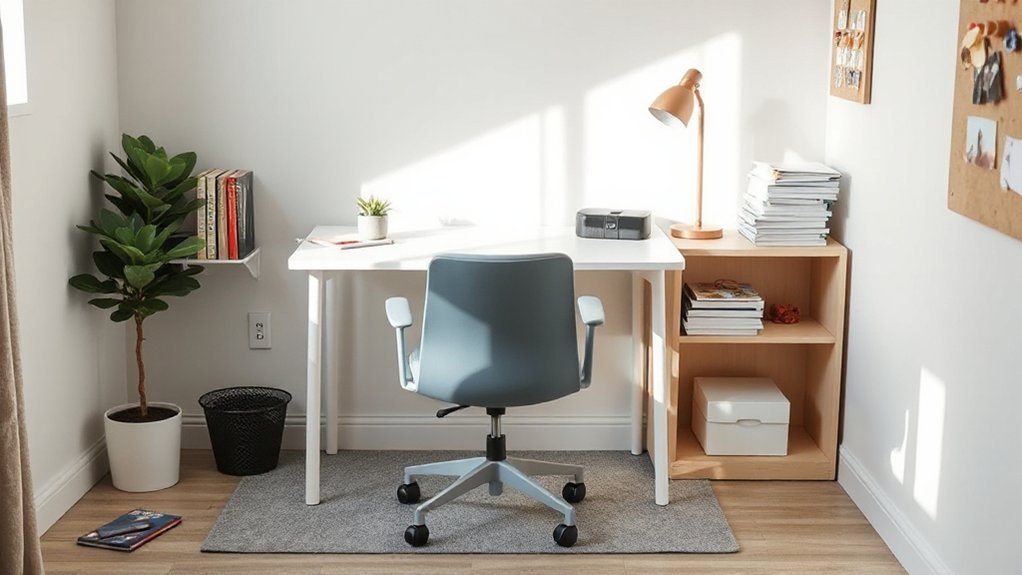
You probably don’t realize how a single, quiet corner can shift your teen’s focus from distraction to steady momentum. Start by designating a dedicated study zone with clear boundaries and minimal clutter, because consistency beats sheer effort. You’ll get more buy-in when the space feels calm and personal, yet simple enough to maintain. If you want practical steps for lighting, layout, and budget-friendly tweaks that actually stick, keep going.
Key Takeaways
- Create a dedicated, quiet study corner with a stable surface, reliable chair, and minimal distractions; inform family of study times.
- Use layered lighting (desk lamp, overhead, dimmable) with cool white for work and softer tones for breaks.
- Organize with labeled containers and a dedicated cable drawer; keep frequently used materials within arm’s reach.
- Maintain ergonomic posture and consistent study blocks with short breaks, using timers and checklists for transitions.
- Personalize on a budget with cohesive accent color, printable art, reusable storage, plants, and DIY decor.
Set a Calm Study Zone: Define Purpose, Space, Boundaries
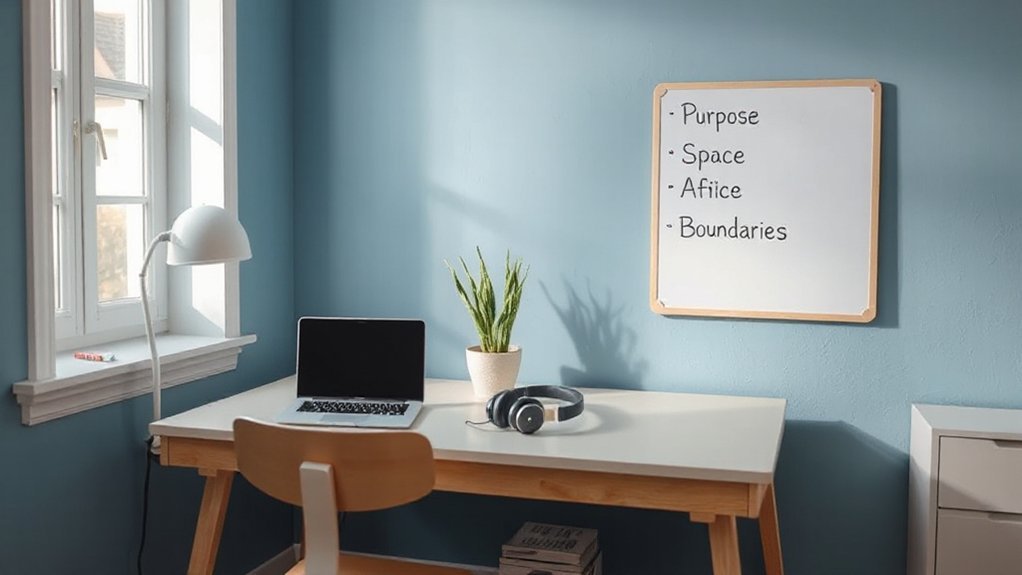
To set a calm study zone, start by defining its purpose, designate a dedicated space, and establish clear boundaries. You must know what you’re trying to achieve—focus, consistency, and minimal distraction.
Choose a quiet corner with a stable surface for notes and a reliable chair, and keep peripherals to a minimum. Set boundaries by limiting non-study items, curating a small, calming kit, and informing family of study times.
Use motivational posters that remind you of your goals without clutter, and place scent therapy within reach to cue focus—gentle, non-intrusive aromas work best.
Establish routines: a pre-study five-minute setup, a tracker for tasks, and a post-study review. This clarity helps you stay on track, reduces resistance, and makes study sessions genuinely productive.
Choose Lighting and Colors That Boost Focus
Lighting and color aren’t cosmetic extras here—they directly shape focus. You’ll pick lighting options that reduce eye strain and improve alertness during long study sessions. Favor a bright, cool white around 4000–5000K for tasks, and reserve softer tones for breaks to signal rest.
Use layered lighting: a steady desk light, ambient overhead, and a dimmable option for evenings. Avoid harsh, single-point glare that creates fatigue.
For color, lean into color psychology: cool blues and greens support concentration, while warm accents reduce sterility without overpowering the room. Keep walls neutral or muted; introduce small, purposeful color pops through desk accessories or a plant pot.
Test, adjust, and commit to a consistent lighting routine that sustains momentum.
Organize With Smart Storage and a Pro-Desk Layout
A tidy, well-planned desk setup boosts focus as much as better lighting does. You’ll organize with smart storage and a pro-desk layout that minimizes clutter and distractions.
Choose compact, labeled containers for supplies and vertical organizers to keep frequently used items within easy reach. Use a single, dedicated drawer for cables, chargers, and headphones to reduce tangles and time wasted searching.
Position the main work zone near power outlets, with a clear surface for reading, writing, and digital work.
Implement layout optimization by placing materials you use daily within arm’s reach and storing rarely used items out of sight.
Regularly purge old papers and swag, keeping only what supports study momentum and clear thinking.
Build Ergonomics and Habits for Consistent Studying
Good ergonomics and steady habits turn a good study space into a productive one: start with a chair that supports your lower back, feet flat on the floor, and a desk at elbow height to prevent slouching. Then, build habits that reinforce focus and consistency every day.
- Maintain posture awareness by checking alignment: ears over shoulders, shoulders relaxed, hips squared.
- Schedule dedicated study blocks with short breaks to boost time management and avoid burnout.
- Use tactile cues (hourglass timer, checklist) to signal transition between tasks.
- Prioritize a consistent routine: same start time, same setup, same end goal.
With posture awareness and time management in place, you’ll sustain steady effort without fatigue or distraction.
Personalize on a Budget: Easy, Teen-Approved Tweaks
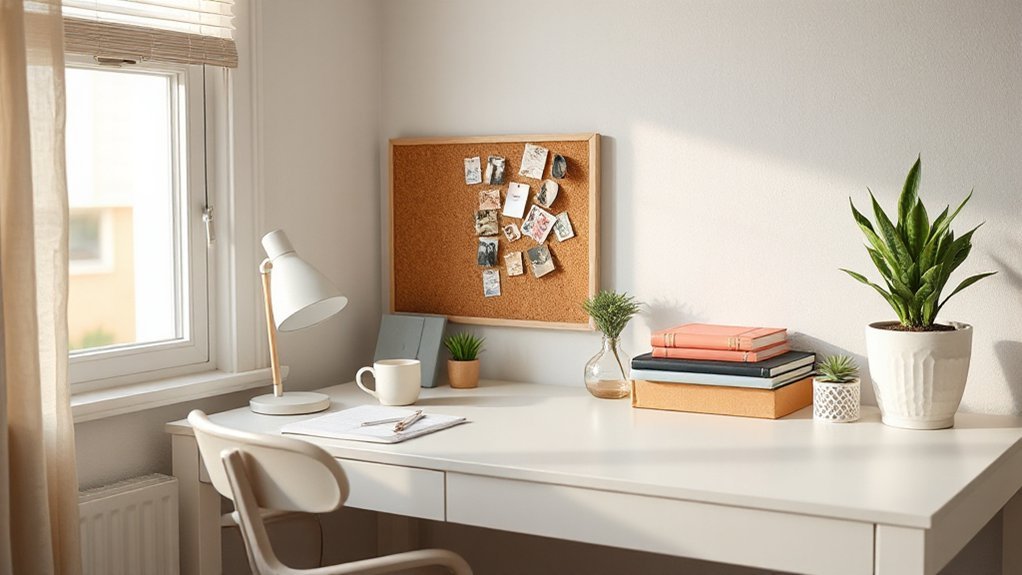
You already set up ergonomic basics and steady habits; now you can tailor your space without blowing your budget. Start with DIY decor that refreshes the vibe without costing a fortune.
Pick a single accent color and repeat it across inexpensive elements to create cohesion. Use budget friendly accessories like simple desk organizers, a corkboard, and a lightweight lamp to boost function and mood.
Swap out generic posters for printable art you personally love; frame and rotate quarterly to keep the space fresh.
Add plants or their cuttings for a natural feel that improves focus and air quality.
Reuse containers, jars, or tins for storage to reduce clutter.
Simple upgrades, worn lightly, yield a calmer, more personal study zone.
Frequently Asked Questions
How Can Teens Maintain Focus During Long Study Sessions?
Focus strategies help you stay steady: break long sessions into focused blocks, 25–50 minutes, with short breaks. Use a timer, set clear goals, and tackle the toughest tasks first.
Time management matters—prioritize, schedule, and limit distractions by turning off nonessential notifications.
Stay accountable with quick check-ins or a study buddy.
Stay hydrated, stretch, and breathe deeply between blocks to reset.
You’ll maintain momentum, finish more, and feel in control throughout the session.
What Affordable Plants Boost Mood Without Causing Allergy Issues?
Perk up your mood with indoor foliage that’s budget-friendly and low allergy. Choose rubber plant, snake plant, and pothos in bright indirect light; you’ll gain color and air freshness without triggering allergies.
Look for compact varieties to keep shelves tidy, and water sparingly to avoid mold. These low allergy plants are easy to care for, and they quietly boost mood—one breath, one glance, and you’ll feel more focused, motivated, and calmer.
How to Minimize Distractions From Devices While Studying?
You minimize distractions by creating tech free zones and scheduling device breaks. Turn off notifications, keep phones out of reach, and designate a study desk where devices stay gated off during focus sessions.
Set clear rules: one 10-minute check every hour, another 15-minute mid-session break. Use timers to enforce limits, and reward compliance.
You’ll stay in flow, finish faster, and feel calmer. With discipline and structure, your study becomes intentional, productive, and less overwhelming.
Which Calming Scents Are Safe and Effective for Teens?
You discover a pleasant coincidence: teens want safe scents, so choose Aromatherapy blends made with Safe essential oils.
For calm focus, opt for lavender, peppermint, or citrus in small, well-diluted diffusers, and avoid skin application.
Use low diffusion times, monitor signals, and rotate scents to prevent desensitization.
Make sure products are labeled child-safe and fragrance-free options exist.
You’ll feel soothing ambiance without overpowering distractions, keeping study sessions practical, precise, and persuasive.
How Can Parents Involve Teens in Design Decisions?
You can involve teens by asking for their input early and letting them lead the process. Use collaborative planning to map goals, space, and budget, then blend their preferences with practicality.
Show respect for their ideas, propose options, and let them vote on final choices. You’ll gain ownership, exceed expectations, and create a space that supports focus.
Keep decisions transparent, document progress, and reassess periodically to stay aligned with teen preferences and evolving needs.
Conclusion
You’ve set the space, tuned the light, and sorted every shelf. But will the calm hold when distractions sneak back in? Picture your teen slipping into the zone, chair creaking softly, a scent cue guiding focus, a breath steadying before each task. The desk isn’t just a surface—it’s a doorway. Keep it simple, keep it consistent, and watch habits form before your eyes. The quiet room isn’t magic; it’s a plan that pays off, day after day.
About the Author