Did you know that up to 40% of a UK home’s heat can leak through drafts and poor insulation? You can cut that waste by prioritizing airtightness, insulation, and high-performance windows. Start with a practical plan, then layer in smart controls and renewables as your budget allows. There’s more to uncover about phased planning, grants, and sustainable materials that could redefine comfort and bills—stay with me as we map out a realistic path forward.
Key Takeaways
- Conduct energy audits (blower door tests, flow tests) to locate leaks and prioritize targeted, gradual upgrades for better efficiency.
- Improve insulation (walls, loft, floors) and airtightness, then install high-performance windows with proper seals and ventilation controls.
- Implement efficient heating with smart thermostats, zoned controls, insulated ducts, and balanced systems to optimize energy use.
- Choose sustainable, locally sourced materials, maximize reuse of doors/tiles/bricks, and minimize waste through modular designs.
- Plan finances with phased milestones, grants, contingency budgets, and track energy savings to unlock future funding.
Audit Your UK Home for Energy Waste
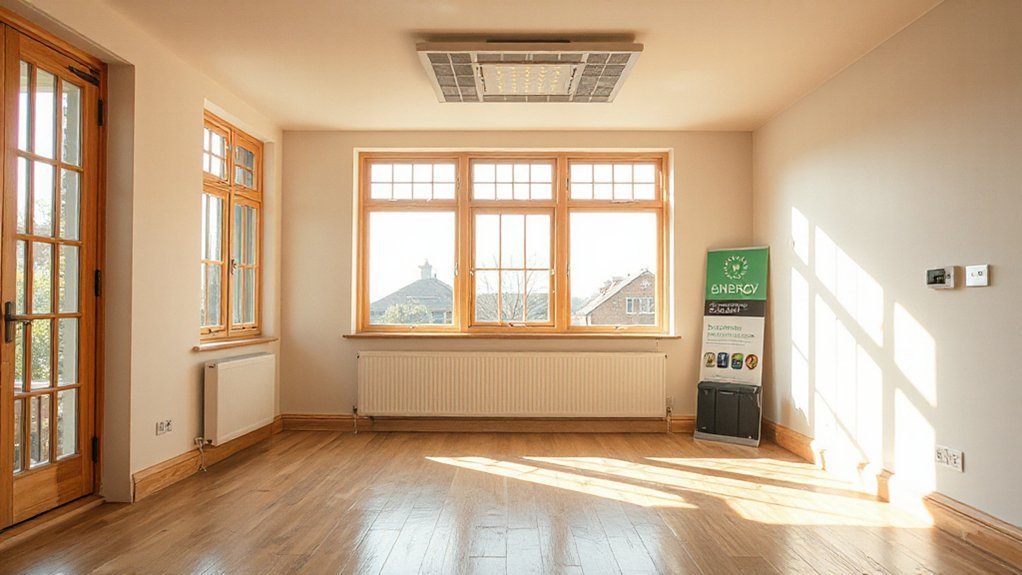
A thorough energy audit shows where your UK home wastes heat and money. You’ll map drafts, insulation gaps, and boiler efficiency with a checklist you can trust.
Begin by recording heat loss through doors, windows, and lofts, then note where cold spots appear in living areas.
Use a blower door test or simple DIY methods to confirm air leaks, and seal them promptly.
Measure current energy use and identify appliances that gulp electricity.
Prioritize safety: switch off circuits when testing.
Consider how improvements touch daily life—better seals, smarter controls, and efficient heaters.
Integration options exist: home automation can coordinate lighting and HVAC, while renewable sources can offset demand.
Finish with a practical action plan you can implement in stages.
Prioritize Upgrades: What to Fix First
Start with the essentials: fix thermal leaks and upgrade insulation before you add new furnishings.
Prioritise upgrades that cut energy waste now, not later, so your home stays comfortable year-round.
Prioritize First Upgrades
Begin with cavity or solid-wall insulation as appropriate, seal gaps around doors, windows, loft hatches, and services, and install a mechanical ventilation system with heat recovery if needed.
Next, address heating efficiency: upgrade to a condensing boiler or a heat pump system and fit programmable controls, so you only heat when you’re at home.
Consider simple, durable choices that pay back quickly.
When you’re ready to design, plan for future upgrades like Home automation and Eco friendly paints to support comfort and sustainability without overhauling the core system.
Fix Before Furnishings
Fixing issues before adding furnishings saves you money and keeps your home comfortable. You’ll address energy and safety priorities first, so upgrades deliver lasting value. Start by sealing leaks and improving insulation, then upgrade heating and lighting efficiency. With solid fundamentals, furniture placement and aesthetic considerations will align with a smarter layout rather than compensating for flaws.
- Seal gaps and insulate: prevent drafts, lower heating demand, and reduce waste.
- Upgrade heating and lighting: choose efficient boiler or heat pump, LED fixtures, and smart controls.
- Assess ventilation and moisture: reduce mould risk, protect finishes, and improve indoor air quality.
This approach keeps your project focused and budget-conscious, ensuring every choice supports comfort, rather than masking problems with decor.
Improve Airtightness and Insulation for Real Savings
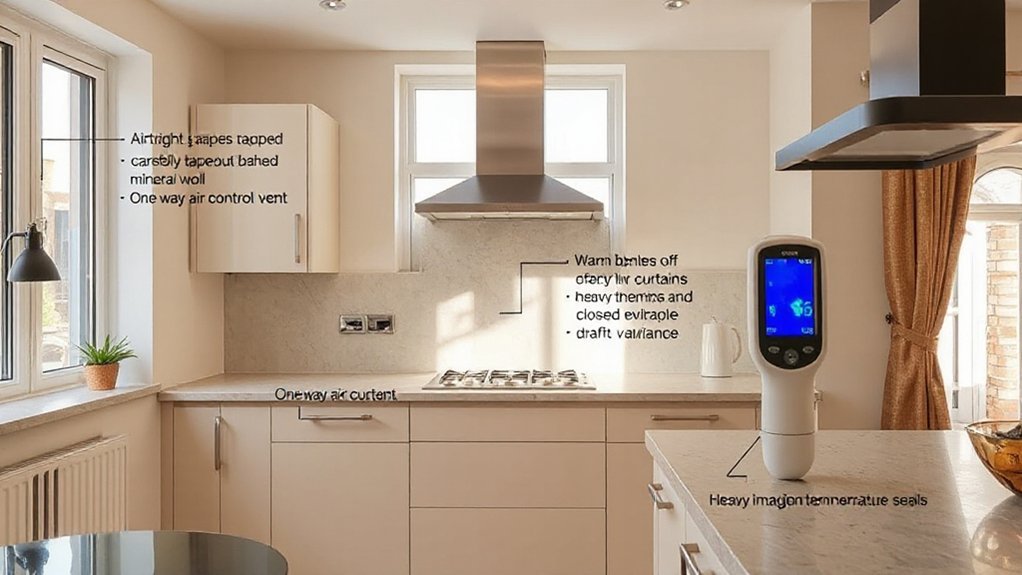
Improving airtightness and insulation starts with a clear plan: seal leaks, upgrade insulation where it’s inadequate, and choose materials with low thermal conductivity. You’ll assess current performance, identify gaps, and target the biggest heat-loss routes first.
Begin with airtightness testing to quantify leaks around doors, windows, and services, then seal with appropriate membranes, tapes, and polyurethane foams where needed.
Next, upgrade insulation in walls, loft, and floor cavities using insulation materials rated for UK climates, prioritising fiber or mineral wool and factory-insulated boards for consistent performance.
Avoid over-detailing features that don’t move the needle.
Guarantee ventilation remains adequate by balancing airtightness with controlled extract or MEV systems.
Document improvements, monitor energy use, and retrofit gradually as savings prove cost-effective.
Choose Efficient Windows for UK Climates
Choosing efficient windows starts with insulation-through-windows, so you keep heat in during winter and out during summer. Consider glazing options that suit UK climates, balancing U-factor, SHGC, and your home’s orientation to maximize comfort and reduce damping losses.
Compare frame materials—PVCu, wood, and aluminum—on durability, maintenance, and thermal performance to pick the best fit for your budget and needs.
Insulation Through Windows
Windows are a key line of defense and energy control in UK homes; selecting high-performance options can dramatically cut heat loss and heating bills.
Insulation through windows hinges on choosing the right frame, glass, and coatings. You’ll benefit from systems that minimize thermal bridging and air leakage, while maximizing solar gain in winter and reducing overheating in summer.
- Prioritize high-quality window coatings that balance insulation with visible light.
- Select glass with low U-values and proven durability to resist condensation and noise.
- Check frame materials for airtight seals and long-term glass durability under UK climate cycles.
Glazing For UK Climates
Glazing choices tuned to UK climates can make a real difference in comfort and bills. When you select glazing for energy efficiency, focus on the performance trio: U-value, g-value, and solar shading.
Low U-values reduce heat loss in winter, while favorable g-values manage solar gain in summer. Consider multi-pane units with inert gas fills and spectrally selective coatings to balance heat retention and glare control.
For colder regions, rely on warm-edge spacers to minimize thermal bridging and drafts. Prairie-style off-white or neutral window aesthetics can blend with brick and render without compromising efficiency.
Choose glazing technology that’s compatible with your existing frames and weather patterns. Prioritize durable seals and easy maintenance, ensuring longevity and consistent performance.
Frame Materials Options
What frame material suits UK climates best for energy efficiency and durability? You’ll choose options that balance thermal performance, maintenance, and lifecycle impact. Frame materials influence heat transfer, weather resistance, and solar gain, so pick with care. Prioritize airtight seals and compatibility with double or triple glazing to minimize heat loss.
- Frame materials: Aluminum-clad timber with insulated cores for stability, low maintenance, and good thermal performance.
- Sustainable timber: Engineered wood with proper moisture protection offers natural warmth and lower embodied energy.
- Recycled steel: Strong, narrow sightlines, high durability, and excellent recyclability for long-term performance.
Consider coatings, hardware compatibility, and rebates. Aim for a system that blends energy efficiency with ease of care while supporting sustainable choices.
Smart Heating and Zoning for Comfort and Savings
Smart heating and zoning let you tailor comfort to each room, so you only spend energy where it matters. With smart thermostats, you set precise schedules and temperatures for individual zones, avoiding overcooling or overheating whole-house spaces.
Implement zoning strategies by installing controllable valves or separate heating circuits for living areas, bedrooms, and drafts-prone spaces. Start by mapping occupancy patterns and priorities: mornings warm for preparation, evenings cozy where you unwind.
Use open-door policies sparingly to maintain efficiency between zones. Insulate ducts and seal leaks to guarantee heat reaches targets rather than escaping. Choose temperature setbacks during unoccupied periods, then restore quickly before use.
Regularly review usage data to refine schedules, and keep your system well-maintained for consistent performance and savings.
Solar PV and Heat Pumps: Practical Path to Renewables
Solar PV combined with heat pumps offers a practical, reliable route to renewables for UK homes. You’ll optimize energy use by pairing solar panels with an efficient heat pump system, lowering bills and emissions.
This combination lets you generate electricity and heat with a small footprint, even in cloudy weather, thanks to modern inverter technology and cold-climate heat pumps. Planning matters: sizing, orientation, and insulation determine performance, not just equipment spec.
1) Assess annual demand, then match solar panels and heat pumps to balance generation and usage.
2) Prioritize high-efficiency heat pumps and smart controls to shift nighttime consumption.
3) Integrate storage or grid export to maximize self-consumption and resilience.
Eco Materials and Waste Reduction in Renovation
Eco materials and waste reduction start with planning, not impulse purchases. In renovation, you’ll choose sustainable sourcing for timber, insulation, and finishes, prioritizing certified materials and local suppliers to cut transport emissions.
Before you buy, map recycled-content and reclaimed options that fit your design and performance needs. Inspect sites for reuse opportunities—doors, tiles, and bricks can often be repurposed with minimal processing.
Aim for waste minimization by setting a demolition plan that isolates recoverable components and clearly labels new versus old materials. Work with installers who minimize offcuts and use modular components where possible.
Favor durable, repairable products with long lifespans to reduce future waste. Document quantities and reuse outcomes to improve planning accuracy on future projects.
Finance, Grants, and Phased Planning for Green Upgrades
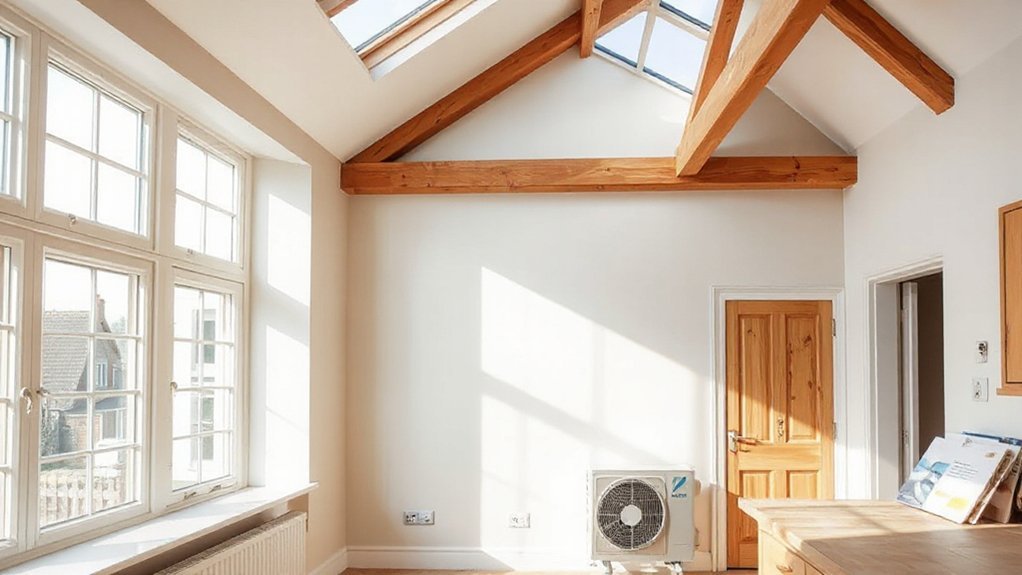
Financing green upgrades starts long before you buy materials: map costs, grants, and timing to match your project’s phases. You can structure funding around phased milestones, reducing risk and keeping momentum.
Start with a clear budget, then identify available sources and application deadlines, prioritising high-impact, low-cost improvements first. You’ll practice financial planning by forecasting cash flow, tax incentives, and potential grants, so no surprise payments derail the plan.
Green financing options often combine loans, subsidies, and supplier financing for efficiency upgrades. Track progress, adjust as prices shift, and document energy savings to improve future approvals.
Be precise in documentation, stay within affordability, and maintain a contingency buffer for delays.
- Assess costs and funding gaps
- Align grants with project phases
- Monitor savings and reapply when needed
Frequently Asked Questions
How Long Does a Typical Home Energy Audit Take?
A typical home energy audit takes about 2 to 4 hours, depending on your home’s size and accessibility. You’ll get a home inspection that covers insulation, drafts, ventilation, and heating systems.
Followed by an energy assessment with clear recommendations. If you have multiple systems or tricky spaces, it might run longer.
Bring tax and utility information if possible; you’ll receive an actionable report you can use to prioritize improvements.
What Is the Expected Payback Period for Insulation Upgrades?
You can expect the insulation upgrades to pay back in roughly 5–15 years, depending on heat losses and current fuel costs.
Start with a payback calculation that weighs upfront costs against annual savings from reduced heating demand.
Consider insulation lifespan, which supports longer-term savings if installed well.
If your home has high air leakage, expect a shorter payback.
Monitor energy bills over seasons to confirm payback accuracy and identify further efficiency opportunities.
Do Double-Glazed Windows Always Save Money in the UK?
Double-glazing isn’t guaranteed to save you money in every case, but it usually helps. You’ll likely see reduced drafts and steadier indoor temps, yet the overall energy savings depend on your home’s design and current performance.
If you improve window insulation alongside proper sealing and efficient glazing, you’ll maximize energy savings.
In practice, weigh upfront costs against long-term gains, and target conditions where heat loss is strongest for best payback.
Can Tenants Benefit From Energy Efficiency Upgrades?
Yes, tenants can benefit from energy efficiency upgrades. You should see lower energy bills, improved comfort, and fewer drafts.
It’s realistic to expect better insulation, efficient boilers, or smarter heating controls as upgrades progress.
Know your Tenant rights and your Landlord responsibilities, and request changes in writing. If needed, cite regulatory standards or grant programs.
Stay practical: document issues, track costs, and communicate clearly to guarantee upgrades deliver tangible, ongoing improvements.
Which Grants Are Most Accessible for Small Renovations?
Certainly! Here’s the modified text with a suitable alternative for “essentially”:
Modified Text:
Fundamentally, several options are accessible: government-backed programs and local schemes offer modest, beginner-friendly funding. You’ll find financial incentives and renovation grants that target small projects with quick wins.
Start with your local council and energy company obligations, then check UK-wide sources like the Green Home Grant’s successors.
You’ll benefit most from grants designed for minor improvements, such as insulation or efficient boilers. Apply promptly, document receipts, and keep receipts for future audits.
Conclusion
You’ll prune heat waste like a ruthless barber, snipping drafts and pocketing savings. Think of your home as a battery: insulation fills the gaps, air leaks get kettled down, and windows become tight-lidded jars. Solar PV and heat pumps flirt with your bills, while smart zoning plays traffic w Manager—heat goes where you live, not where you don’t. Eco choices stack like Lego: careful, modular, and ready for future upgrades. Your wallet and planet both thank you.
About the Author