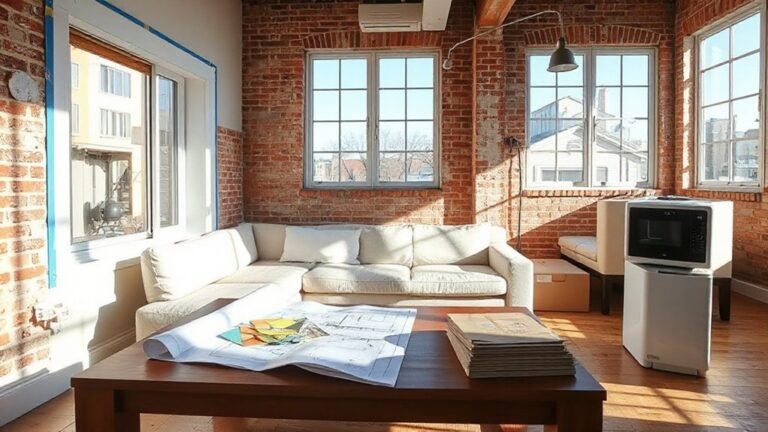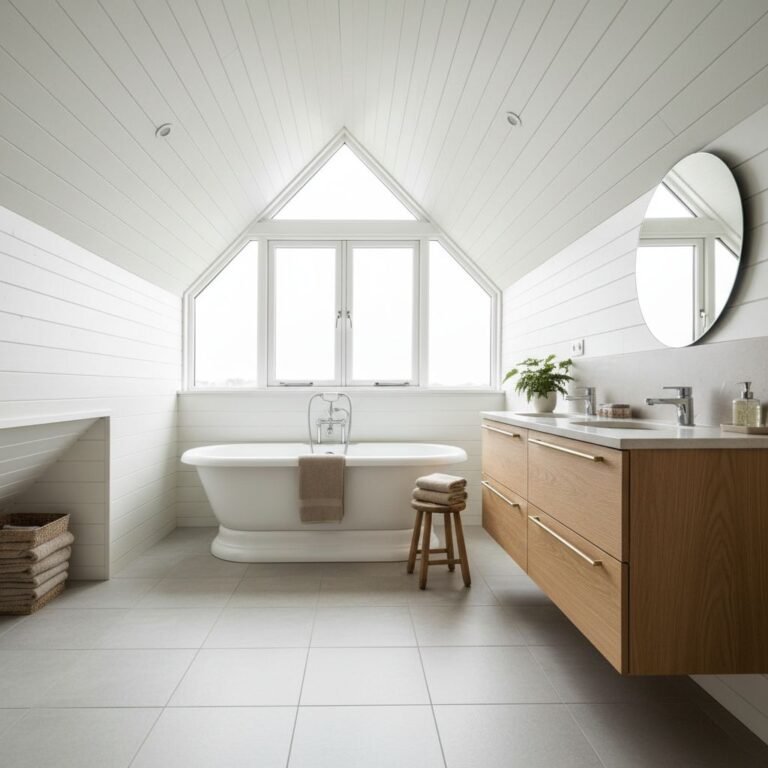
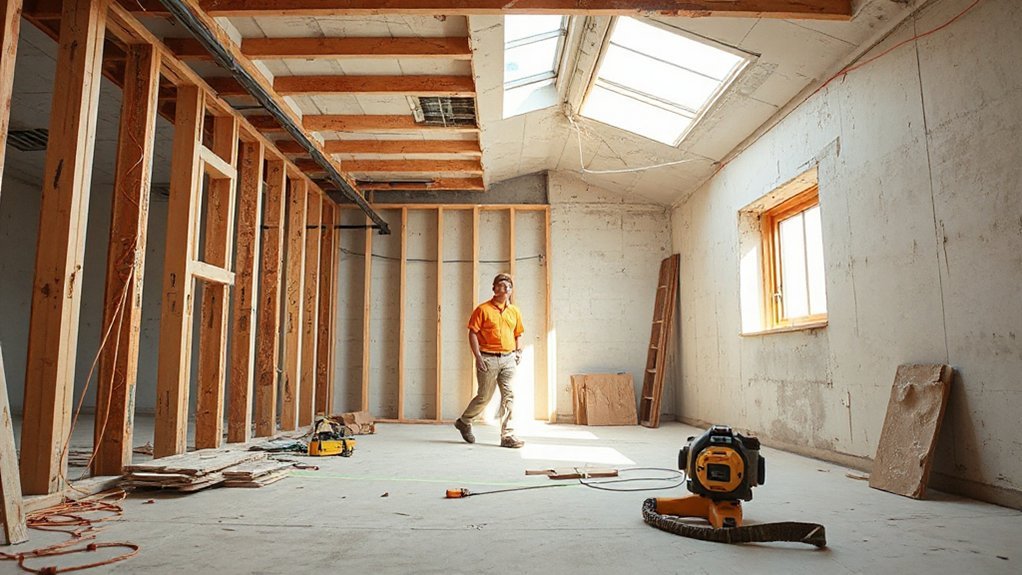
From shell to showpiece, you reshape more than walls—you redefine how space functions, flows, and endures. You balance scope, budget, and schedule with precision, coordinating trades to keep momentum. You anticipate surprises, translate vision into actionable plans, and curate materials that marry durability with design. The journey demands disciplined decisions and collaborative problem-solving, yet the moment you step into the completed space, the transformation speaks for itself—and you’ll want to see what comes next.
Key Takeaways
- A full gut renovation redefines structure, systems, and layout to transform functionality, efficiency, and long-term performance from shell to showpiece.
- Pre-construction coordination, feasibility, and risk assessment ensure scope clarity, budgeting accuracy, and compliant design before demolition begins.
- Early structural and MEP planning prioritizes load paths, utility routing, and vibration control for reliable core systems.
- Thoughtful layout optimization creates intuitive zones, clear circulation, and efficient workflows aligned with daily routines.
- Material selection and finishes balance durability, low maintenance, and cohesive aesthetics that elevate the space while preserving heritage.
What Makes a Full Gut Renovation Transformative
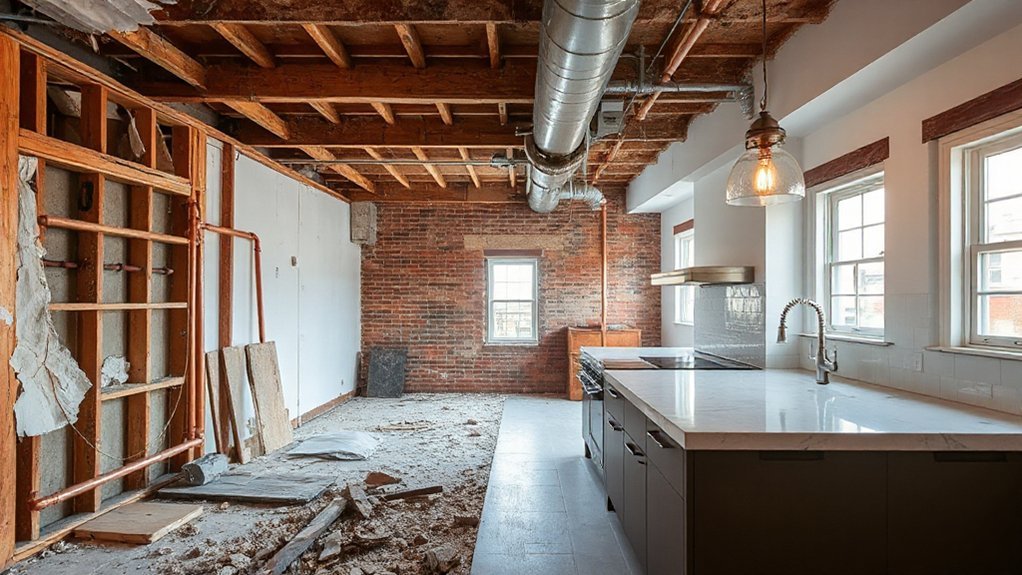
A full gut renovation is transformative because it redefines layout, structure, and performance from the ground up, aligning every element with your current needs and future goals. You guide the process by identifying core objectives, then align systems, finishes, and details to meet them.
The transformation isn’t cosmetic; it’s structural, energy, and function-driven, yielding a cohesive living environment. You’ll prioritize durable, efficient components, planning for long-term reliability and ease of maintenance.
Historical preservation can inform choices that honor heritage while enabling modern usability, assuring character is retained where meaningful. You’ll also emphasize eco-friendly materials, selecting sustainable options that reduce embodied energy and improve indoor air quality.
Collaboration with trades and designers ensures precise execution, transparent decisions, and timely milestones as you move from plan to tangible, optimized space.
Planning the Shell: Scope, Budget, and Timeline
You’ll map the shell’s scope by clearly defining what stays and what goes, so Budgeting Timeline Milestones line up with real-world constraints.
You’ll set a precise budget anchored to the Shell Scope Essentials, then establish milestones that keep the project on track and transparent.
You’ll coordinate with stakeholders now to prevent scope creep and guarantee a feasible, documented plan.
Shell Scope Essentials
To plan the shell effectively, establish a clear scope, a realistic budget, and a decisive timeline upfront, then align them with your renovation goals and constraints. You’ll define structural boundaries, essential systems, and finish levels, avoiding scope creep through written agreements and change orders.
Pinpoint utility access, moisture controls, and ventilation needs early to prevent costly revisions later. Budget with line items for demolition, site preparation, shell enclosure, and permitting, reserving contingency for unknowns.
Timeline should reflect permit cycles, lead times, and weather windows, plus critical path milestones you’ll monitor weekly. Coordinate with trades to confirm dependencies, risk factors, and sequencing.
Balance form and function, keeping garden landscaping and interior decor in mind for future phases while you secure a solid, reliable shell. Stay collaborative, precise, and pragmatic.
Budgeting Timeline Milestones
Budgeting the shell hinges on clear milestones that align with scope and timeline. You establish a baseline cost model from the approved scope, then layer in contingency for unknowns.
Define a phased payment schedule tied to tangible milestones, not calendar dates alone, so cash flow remains predictable. Track changes with a formal process: document impact on materials, labor, and lead times, and reforecast monthly.
Historical context matters: past projects reveal where overruns hide and how overruns propagate through scheduling. Consider eco-friendly materials early, since their procurement often affects lead times and costs.
Align procurement, trades, and design decisions to minimize backtracking. Finally, maintain a collaborative, transparent log shared with stakeholders, ensuring every milestone reflects scope, budget, and the overarching timeline.
Full Gut Renovation: Feasibility and Design Intent
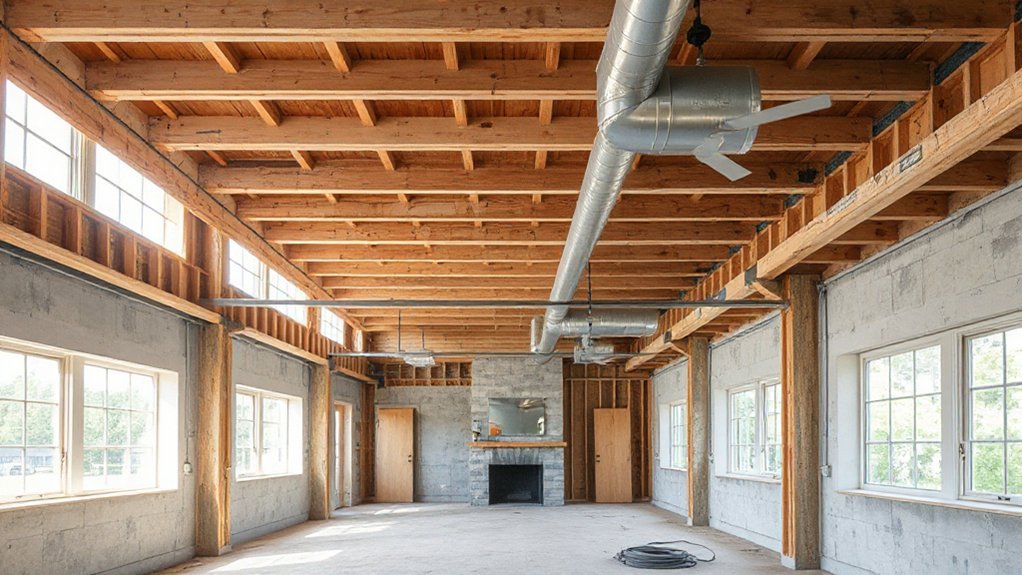
You’ll verify site feasibility early to prevent costly surprises and confirm zoning, access, and structural constraints.
Next, you’ll define space planning intent that aligns with your program while preserving critical systems and flows.
Finally, you’ll scope structural and systems work to support your design goals without overreaching constraints.
Site Feasibility Check
What does a Site Feasibility Check entail for a Full Gut Renovation, and why does it set the tone for the design intent? You assess constraints, opportunities, and regulatory limits that shape feasibility, schedule, and budget. You review zoning, setbacks, utilities, drainage, and access routes, confirming what’s buildable and where.
You evaluate site conditions, soil stability, and potential environmental impacts to prevent costly surprises. You consider climate resilience, drainage strategies, and integration with existing structures, guiding decisions early.
You frame design intent around practical realities, ensuring the project aligns with cost, timing, and risk tolerance. You collaborate with engineers, contractors, and designers to translate findings into a responsive plan, addressing garden landscaping and the exterior facade as integral, harmonized elements, not afterthoughts.
Space Planning Intent
From the outset, you translate site realities into a coherent layout strategy, ensuring every square foot serves the project goals while respecting constraints identified in the feasibility phase.
Space Planning Intent concentrates on flows, adjacencies, and functional zones that support daily use and future adaptability. You balance living, work, and circulation with a focus on energy efficiency and harmonious garden landscaping integration. Clear zoning, door swings, and storage benchmarks guide decisions, reducing waste and misalignment before construction begins.
- Define core rooms and circulation loops that minimize travel and optimize daylight.
- Map service routes (mechanical, plumbing, electrical) to reduce redundancy.
- Prioritize flexible spaces that evolve with needs.
- Align outdoor-edged connections to indoor spaces for seamless garden landscaping.
Structural and System Scope
You coordinate mechanical, electrical, and plumbing layouts to service efficiency, accessibility, and future adaptability. You prioritize airtight assemblies, thermal breaks, and moisture management to improve environmental sustainability without compromising comfort.
You balance preservation with modernization, pursuing historical preservation where feasible while meeting current code and performance targets.
You detail demolition sequencing, contingency allowances, and phased execution to reduce disruption. You document inspection checkpoints, testing protocols, and warranty considerations, ensuring accountability, clarity, and collaboration across design, construction, and governance teams.
The First Mockups: Translating Vision Into Plans
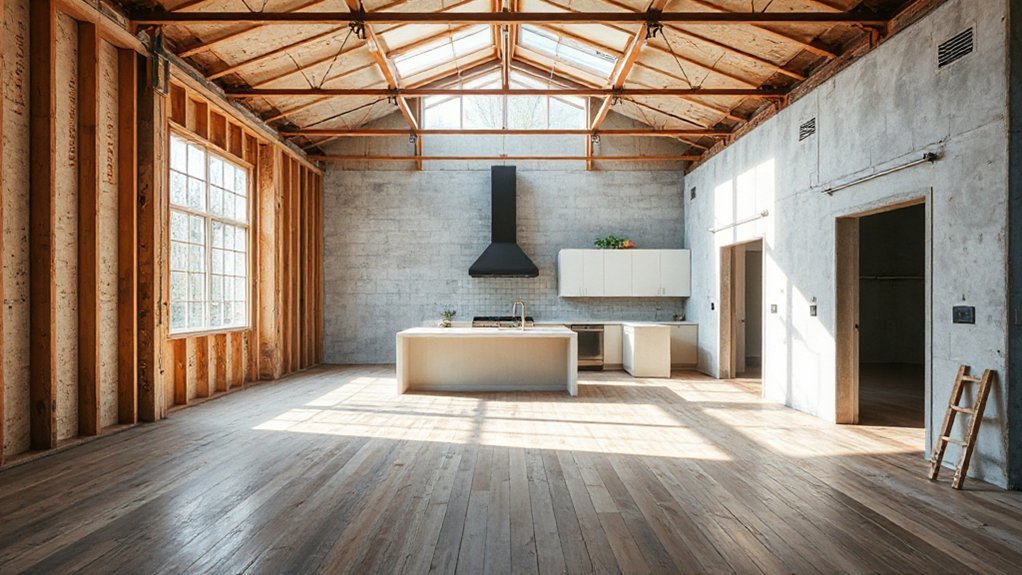
The first mockups translate your vision into tangible plans, turning sketches into concrete layouts you can critique and refine. You’ll see how spatial relationships, flows, and dimensions translate into workable rooms, corridors, and entry points. This stage sets the baseline for decisions, cost, and collaboration with specialists, ensuring feasibility before big commitments.
Precision matters: you compare layouts against real-site constraints, daylight, and acoustics, aligning the design with your goals and values. Historical preservation and eco-friendly materials guide choices, balancing heritage details with modern performance. You gain a shared language with contractors, vendors, and designers, reducing misinterpretations and change orders.
- Define nonnegotiables and adaptable zones.
- Validate structural implications early through schematic plans.
- Audit materials for sustainability and aesthetic resonance.
- Establish a clear approval loop before drafting final specs.
Demolition Realities: Surprises That Shape the Build
Unexpected discoveries during demolition can redefine the timeline and budget, so you shouldn’t pretend otherwise. You’ll encounter unseen debris, hidden plumbing, or asbestos risk that forces quick reassessments.
Demolition isn’t just tearing down walls; it’s a diagnostic phase, revealing constraints you’ll need to address before framing. You’ll coordinate closely with your contractor to map everyday realities to the plan, balancing ambition with practicality.
Expect swings in material availability and crew schedules, which shape sequence and pacing. Document every finding and reprice accordingly, so stakeholders stay aligned.
Construction challenges emerge from mismatched expectations, while permit processes may require expanded documentation or revised scopes.
Stay disciplined: log changes, update budgets, and communicate clearly to keep the project on track without compromising safety or quality.
Structural and MEP Essentials: Getting the Core Right
As you move from demolition realities to the core of your gut renovation, you’ll anchor the project in solid structure and reliable MEP systems. You’ll prioritize load paths, secure framing, and resilient connections, so later finishes stay true to design intent.
Simultaneously, you’ll align mechanical, electrical, and plumbing to minimize disruption and optimize efficiency. Keep interior textures and color palettes in mind as you specify finishes that won’t stress systems or conceal critical access.
1) Inspect structural integrity and reframe where needed to support long-term performance.
2) Track MEP routes early, coordinating with trades to prevent clashes and delays.
3) Budget for containment, vibration control, and access for maintenance.
4) Plan first-floor detailing and ceiling heights to reveal clean lines and honest materiality.
Layout Makeovers: From Footprint to Functional Flow
You’ll optimize space flow by aligning each zone with its natural use, ensuring clear paths and intuitive shifts between rooms. Prioritize circulation and access so every move feels effortless, with doors, thresholds, and sightlines serving the whole layout.
We’ll examine how footprint changes can improve efficiency while preserving function and flow across the home.
Space Flow Optimization
- Define primary pathways and zone adjacency to reduce friction and save steps.
- Align storage with usage to keep counters uncluttered and tasks streamlined.
- Place work zones to support sequence of operations in daily routines.
- Integrate light, texture, and color to enhance mood without compromising flow.
Circulation And Access
Evaluate corridor widths, doorway dimensions, and storage access to sustain steady pace and safety. Coordination with structural changes ensures openings align with load paths while preserving usability. Emphasize ventilation efficiency and air circulation within the routing, locating intake and exhaust near high-occupancy areas to sustain comfort.
Avoid dead-end routes by continuous paths that encourage natural progression from one function to the next. Document circulation diagrams and review with trades to confirm alignment with daylighting, acoustics, and furniture layouts, delivering a cohesive, functional, and aesthetically coherent plan.
Materials Deep Dive for a Full Gut Renovation: Flooring, Cabinetry, Finishes, and Fixtures
A full gut renovation hinges on selecting materials that balance durability, aesthetics, and value, starting with flooring, cabinetry, finishes, and fixtures that perform well in real-world use. You’ll evaluate wear, moisture resistance, and maintenance, aligning choices with long-term cost and style.
Prioritize sustainable materials and outdoor landscaping integration to extend the design beyond interiors, while considering environmental impact and indoor air quality.
- Choose sturdy, low-maintenance flooring that harmonizes with cabinetry tones and finishes, prioritizing moisture resistance where needed.
- Select cabinetry with solid wood or high-quality veneers, backed by robust hardware and smart storage solutions.
- Opt for finishes and fixtures that resist scratches, fingerprints, and wear, while maintaining ease of cleaning.
- Verify supplier transparency on materials sourcing and lifecycle impacts to ensure sustainable practices and long-term value.
Lighting and Atmosphere: Creating Mood and Function
Lighting sets the tone and functionality of a full gut renovation, so start by aligning your lighting plan with the materials you’ve chosen for flooring, cabinetry, finishes, and fixtures.
You’ll layer sources to support daily tasks and highlight architectural details without glare. Ambient lighting anchors mood creation, balancing warmth with brightness for zones like kitchens, baths, and living areas.
Pair recessed or linear fixtures with dimmers to flex between tasks and relaxation. Use fixtures that complement finishes, avoiding color clashes while ensuring even coverage.
Consider wall washes to enhance texture and create depth, and leverage natural light where possible to reduce artificial load.
Finally, document your plan in a centralized schedule to guarantee integration across cabinets, surfaces, and lighting hardware.
Trade Coordination: Keeping Trades on Schedule and Cohesion
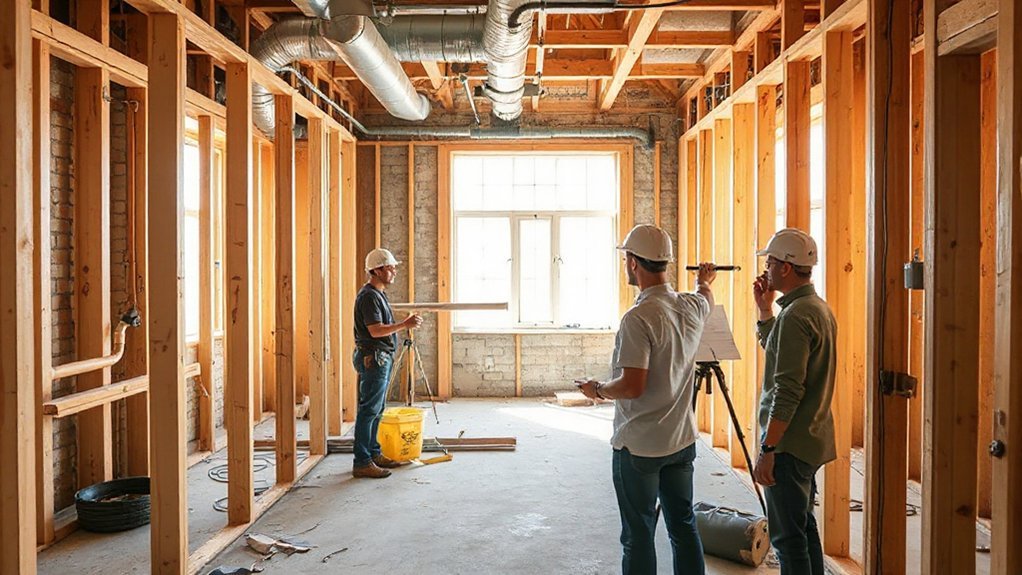
Effective trade coordination hinges on clear expectations, a detailed schedule, and continuous communication. You align teams early, set milestones, and maintain visibility so every trade knows what’s due and when.
When conflicts arise, you document decisions, renegotiate timelines, and keep the flow intact, minimizing trade delays and preserving quality. Your approach to contractor coordination emphasizes proactive problem-solving, not blame, so field issues are resolved before they stall progress.
- Define roles, responsibilities, and interfaces from day one
- Align milestones with critical path items and lead times
- Establish daily huddle check-ins and transparent, shared progress notes
- Escalate blockers promptly with documented decisions and revised dates
The Final Reveal: From Bare Shell to Liveable Showpiece
The final reveal begins by aligning your vision with tangible outcomes: a bare shell becomes a livable showpiece through deliberate light, layout, and finish choices that support daily life and long-term performance.
You finalize spatial logic, ensuring flow supports routines and occupancy patterns. Lighting layers are calibrated for function and ambiance, with controls that simplify daily use. Materials are selected for durability, maintenance, and timeless appeal, balancing warmth and practicality.
Outdoor landscaping integrates the interior footprint with site context, extending usable living spaces and curb appeal.
Interior decor echoes your established palette, texture, and proportion, creating cohesion from entry to end use.
The result is a cohesive, resilient home, where every element—from cabinets to landscape—sustains value, comfort, and liveability.
Frequently Asked Questions
How Long Does a Full Gut Renovation Typically Take?
A full gut renovation typically takes several months, usually 3 to 6, depending on scope and approvals. You’ll coordinate design, permits, framing, utilities, and finishes with your team, maintaining a tight schedule.
You should budget for unexpected delays and weather.
Prioritize historical preservation where relevant, and choose eco-friendly materials to reduce long-term costs.
You’ll protect timelines by proactive communication, detailed planning, and frequent site reviews, ensuring quality and collaboration throughout the project.
What Unforeseen Issues Commonly Delay Projects?
Unforeseen issues commonly delay projects, with permit delays and material sourcing problems ranking highest. About 40% of renovations stall due to permit disputes.
Material sourcing delays can push schedules by weeks. You’ll feel the impact when inspectors flag code gaps or backordered finishes.
Stay proactive: align timelines with suppliers, secure permits early, and maintain open communication with contractors. You’ll minimize risk by documenting approvals, tracking orders, and budgeting buffers for unexpected holds.
How Is Code Compliance Verified Early in the Process?
You verify code compliance early by aligning plans with the permitting process and reviewing inspection protocols before you start. You submit drawings, confirm zoning and safety specifics, and secure approvals from the building department.
You incorporate feedback promptly, schedule pre-construction meetings, and maintain a documented trail of revisions.
You coordinate with code officials, electricians, and plumbers to guarantee inspections pass at each stage, reducing backtrack and keeping the project moving smoothly.
What Trimming or Finish Selections Impact Timelines Most?
Textural stakes rise fastest with trim material and finish details. You’ll notice that switching to dense woods, moisture-resistant composites, or pre-finished millwork shifts scheduling, procurement, and subcontractor coordination.
Finish details—caulking, trim profiles, paint coats, and stain timing—often become the critical path drivers. You’ll need clear approvals, phased selections, and staged orders to keep on track.
We collaborate to lock specs early, confirm lead times, and minimize back-and-forth that stalls your project timeline.
How Is Budget Contingency Managed During the Build?
You manage budget contingency by setting aside a dedicated fund for unknowns and monitoring it weekly.
Contingency planning guides when to reallocate, adjust scopes, or accelerate purchases to avoid delays.
You establish clear triggers for budget adjustments, document every variance, and require approval from stakeholders before spending.
You maintain transparency, track costs against baseline, and forecast closeout needs.
You communicate changes promptly, ensuring the team stays aligned while protecting project milestones and quality.
Conclusion
In the end, you’ve shaped a space that’s more than brick and plaster—it’s a living plan you control. You aligned scope, budget, and timeline, then turned vision into reality with careful mockups, fearless demolition, and disciplined trade coordination. The result isn’t luck; it’s precision, collaboration, and steady momentum. As the adage goes, measure twice, cut once—and you’ve shown how deliberate thinking yields lasting impact, a truly liveable showpiece.
About the Author