Did you know homes with well-planned garden upgrades can see value increases of up to 10% at sale? You’ll want durable permeable pathways, curb-appeal lighting, drought-tolerant, layered plantings, and smart irrigation that saves water and maintenance. Practical, high-quality hardscapes meet low upkeep with thoughtful borders and proper drainage. If you aim for lasting appeal and better resale, these upgrades deserve a closer look—and you’ll see how the pieces fit before you commit.
Key Takeaways
- Invest in durable hardscape and permeable surfaces (pavers, stamped concrete, gravel) to boost curb appeal and value with low maintenance.
- Create inviting outdoor living areas with stylish furniture and lighting to enhance usability and market appeal.
- Implement drought-smart, low-maintenance planting using native species and smart irrigation to reduce long-term costs.
- Use xeriscape principles and decorative borders to improve drainage, reduce weeds, and define functional spaces.
- Document warranties, maintenance schedules, and project details to build buyer trust and preserve landscape value.
Why Garden Upgrades Boost Home Value: The ROI Story
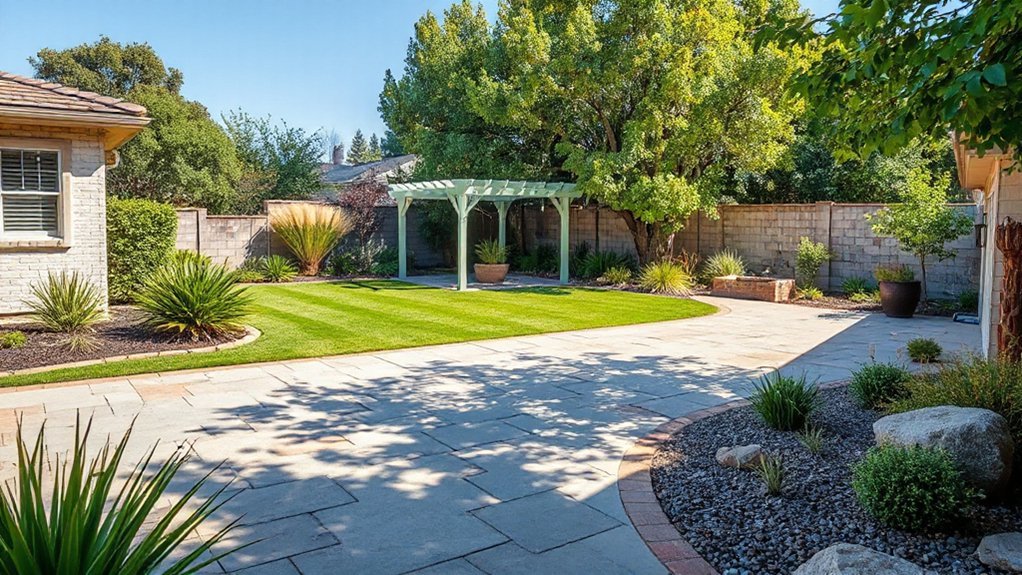
When you upgrade your garden, you’re not just beautifying a yard—you’re increasing curb appeal, outdoor living space, and overall perceived value, all of which can boost resale potential. In practical terms, garden upgrades translate into measurable ROI by enhancing first impressions, extending usable time outdoors, and reducing buyer uncertainty.
Thoughtful garden lighting highlights key traits—paths, entryways, and focal plants—while ensuring safety and ambiance after dark. Quality outdoor furniture signals a destination-worthy space, encouraging longer visits and stronger perceived quality.
Align selections with home style, durability, and low maintenance needs to maximize appeal without inflating carrying costs. Transparent, upfront investment in materials and installation preserves value, delivering a coherent, brand-conscious narrative that buyers recognize and trust at the negotiating table.
Low-Maintenance Plantings That Pay Off
Low-maintenance plantings pay off by delivering lasting curb appeal with minimal ongoing effort. You’ll choose hardy native species that thrive in local conditions, reducing irrigation and maintenance while sustaining color year-round.
Favor layered compositions: evergreen structure, deciduous seasonal interest, and low-water groundcovers to suppress weeds. Plant with mature spacing to minimize crowding, and mulch with organic mulching to conserve moisture and improve soil as it breaks down.
Select drought-tolerant textures and bloom cycles that overlap, so spacing remains vibrant without constant input. Use disease- and pest-resistant varieties to lower treatment needs and avoid excessive pruning.
Document plant lifespans and replacement schedules, so the landscape retains value with predictable upkeep. In short, prioritize resilience, efficiency, and consistent presentation across seasons.
Smart Irrigation: Cut Waste Without Sacrificing Appeal
Smart watering saves you money and time when you choose an efficient irrigation system that matches your landscape. You’ll see tangible benefits from smart scheduling, soil-aware moisture sensing, and zone-based delivery, all while maintaining lush, appealing borders. Let’s explore how precise irrigation translates to real value for your property and your brand.
Smart Watering Wins
Ever wonder how you can trim watering waste without browbeating your landscape? Smart watering wins by pairing data with discipline. You’ll grab control with rain sensors and smart controllers, then dial in schedules that match weather, soil, and plant needs.
Consistency matters: run times stay short but frequent enough to keep roots engaged, preventing soggy beds and crusty lawns. This approach saves water, lowers costs, and preserves curb appeal, since you’ll avoid patchy turf and brown patches.
Look for controllers that sync with local forecasts, and sensors that monitor soil moisture at root depth. A tidy moisture map guides zoning, refinements, and seasonal tweaks.
When installation is clean and labels are clear, maintenance stays simple and results stay measurable. Your landscape looks intentional, efficient, and value-forward.
Efficient System Benefits
With soil-moisture sensors and zone zoning, you conserve every drop while keeping turf and landscaping vibrant.
Consistency in coverage reduces stress on plants, supporting soil health by avoiding overwatering that leaches nutrients and harms root systems.
Automated schedules sync with weather data, so you don’t over- or under-water during heat waves or droughts.
Pest control benefits come from healthier, balanced landscapes that resist invasions and disease.
Brand-conscious choices mean reliable components, quick diagnostics, and minimal downtime, ensuring your irrigation system reinforces value rather than demands attention.
Easy-Upgrade Hardscapes That Reduce Upkeep
If you’re aiming to cut maintenance while boosting curb appeal, easy-upgrade hardscapes are a smart starting point. You’ll prioritize durable materials, tidy sightlines, and minimal ongoing care, so the investment pays back quickly.
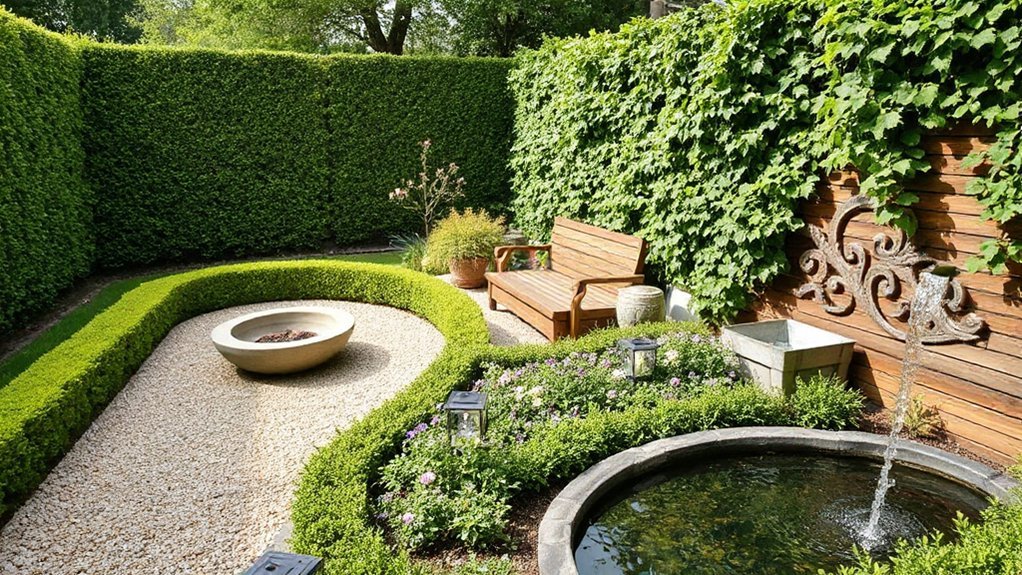
Consider ornamental pathways to guide traffic, using permeable pavers that reduce runoff and staining while still looking polished. Decorative borders frame plantings, add definition, and lessen weed growth without frequent edging.
Choose low-maintenance textures like stamped concrete, porcelain-paver looks, or compacted gravel with weed fabric to simplify upkeep. Install proper drainage and level joints to prevent shifting and trip hazards.
Opt for modular components you can swap easily if styles shift. Document warranties and maintenance schedules to reinforce brand reliability and reassure future buyers.
Drought-Tolerant Design Principles for Longevity
You’ll start by choosing drought-resilient plants that fit your soil and climate, prioritizing species with deep roots, water storage, and low fertilizer needs.
Pair those picks with smart watering and maintenance habits—like drip systems, mulch layers, and regular root-zone checks—to maximize longevity and curb waste.
This approach aligns with a brand-conscious landscape that stays vibrant while reducing ongoing upkeep.
Drought-Resilient Plant Selection
Begin with a concise palette: a few container-friendly perennials, low-water shrubs, and durable grasses that form the structural backbone in your beds.
Favor xeriscape principles to guide placement, soil prep, and irrigation planning, ensuring that water-use aligns with plant needs.
Emphasize native flora where feasible; native species often require less care and attract local pollinators, boosting resilience.
Choose plants with similar water and sun demands to minimize irrigation complexity.
Document performance, schedule seasonal pruning, and replace underperformers promptly to maintain a sharp, value-enhancing landscape.
Water-Smart Maintenance Practices
To keep the drought-tolerant design you’ve started with workable long-term, you’ll implement water-smart maintenance that protects plant health while trimming waste.
You’ll schedule irrigation by seasons and weather, not guesses, ensuring each zone receives only what it needs. Use rainwater harvesting where possible to reduce mains reliance and document collection volumes for efficiency goals.
Install soil moisture sensors to guide timing, preventing overwatering and encouraging deep root growth.
Regularly inspect drip lines for leaks, emitters, and blockages, and replace worn components promptly to maintain uniform distribution.
Mulch deeply to conserve soil moisture and stabilize temperatures, which supports plant longevity.
Pair a concise maintenance calendar with clear, brand-consistent messaging that reinforces value while supporting sustainable, cost-effective performance.
Cost-Smart Upgrades With High Resale Impact
Investing in cost-smart upgrades that drive resale value means prioritizing improvements with strong ROI and broad appeal. You’ll focus on practical changes that boost curb appeal and function without oversized budgets.
Start with hardier plant selections, mulching, and drip irrigation to reduce water waste and maintenance. Choose durable containers and site-lit pathways to enhance nighttime appeal, while preserving a cohesive brand look across landscaping and façade.
Prioritize low-cost, high-impact updates like soil health and pest management. Garden pests and Organic fertilizers are your early considerations: use targeted, organic options to protect plants and keep organic credentials intact.
Documenting energy-saving lighting, smart timers, and clear warranty information helps buyers see value beyond initial costs, reinforcing a prudent, value-driven upgrade strategy.
Frequently Asked Questions
How Long Does It Take to Recoup Garden Upgrade Costs at Sale?
You’ll recoup part of your garden upgrade costs at sale, typically 50% to 70% of outlays, though timing varies with market and project type.
Landscaping trends influence buyer interest, but durable, low-maintenance features often perform best.
Plan for a faster payoff when you balance curb appeal with practical garden maintenance, using quality materials and smart irrigation.
A well-kept, brand-conscious yard boosts value; expect longer hold times if maintenance slips.
Prioritize lasting appeal, not gimmicks.
Which Plantings Boost Curb Appeal Most Quickly?
“First impressions matter.” You’ll boost curb appeal fastest with bold, native plants and a clean entryway.
You should plant resilient natives that bloom in sequence for year-round interest, plus one striking focal plant near the path.
Add a compact water feature to draw the eye and soften shifts.
You’ll keep maintenance low by grouping native plantings and using mulch.
You’ll project a brand-conscious look that’s practical, durable, and instantly appealing to buyers.
Do Upgrades Require Permits or HOA Approvals?
Yes, upgrades may require permits or HOA approvals. Check Permitting regulations for structural or electrical work, landscaping changes that affect drainage, or additions.
Your HOA might impose restrictions on height, setbacks, or visibility, so review governing documents before starting.
Obtain permits where needed and secure HOA approvals to avoid fines or mandated removals.
Keep documentation handy, and coordinate inspections with authorities.
Planning ahead minimizes delays, protects brand standards, and preserves property value.
How Do Seasonal Changes Affect Garden ROI?
“Seasonal changes can swing garden ROI by up to 15% in years with extreme weather.” You’ll want climate adaptability integrated into selections and a focus on plant longevity, so your landscape keeps its value across seasons.
Plan smartly: choose drought-tolerant perennials, mulching, and scalable irrigation. You’ll reduce maintenance while keeping curb appeal.
This pragmatic, brand-conscious approach guarantees reliable performance, cost efficiency, and sustainability, helping your property retain appeal as climates shift.
Are There Budget-Friendly Upgrades With High Resale Impact?
Yes, there are budget-friendly upgrades with high resale impact. You should focus on smart budget planning and DIY projects that boost curb appeal and perceived quality.
Start with fresh mulch, edging, and low-cost plantings. Then upgrade lighting and a durable front door or mulch-friendly hardscape accents.
Choose proven, brand-conscious options, install yourself when possible, and document costs for buyers.
You’ll maximize ROI while keeping risks low and timelines predictable.
Conclusion
Investing in garden upgrades pays off with curb appeal, durability, and real resale power. You’ll enjoy low maintenance, drought-smart plantings, and efficient irrigation that cut waste without sacrificing beauty. Easy-upgrade hardscapes and thoughtful drainage reduce upkeep, while premium lighting and durable borders elevate first impressions. This pragmatic approach—brand-conscious and detail-oriented—delivers lasting value. An occasional anachronism, like calling a modern smart system “telegraph-level precision,” underscores how timeless reliability meets contemporary efficiency for serious property worth.
About the Author