
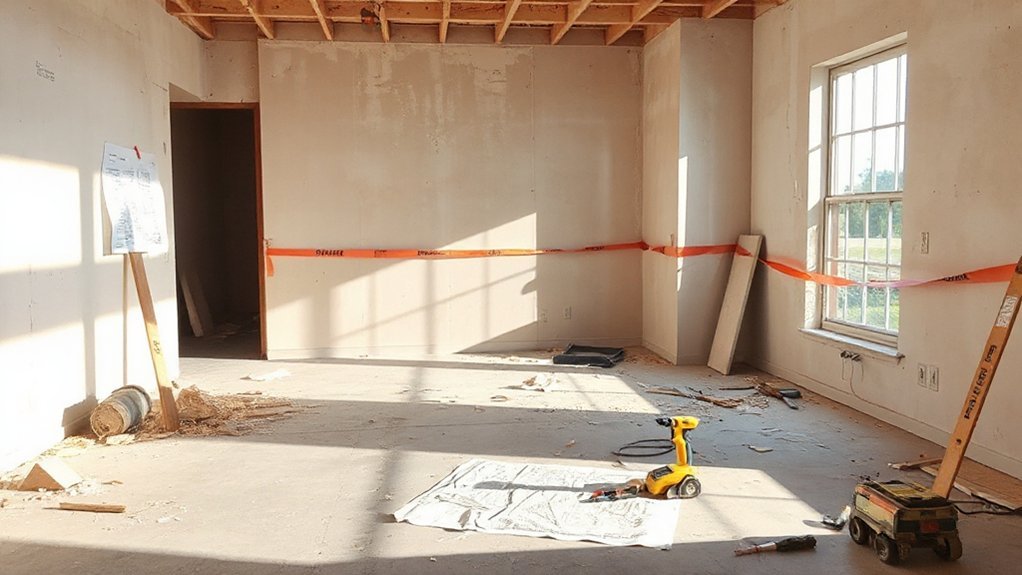
Hidden costs in home renovations creep up when you least expect them: permit fees, delays, material shortages, and surprise structural issues can quietly blow up your budget. You’ll need a practical plan: budget for contingencies, set a clear change process, and prepare for cash-flow hiccups as work shifts. It’s not just the dollar amounts—it’s the timing and disruption. Start with realism, then stay flexible; the real challenge often isn’t the visible price tag but what lies behind the scenes.
Key Takeaways
- Permit costs hidden in up-front budgeting: account for plan checks, processing times, and potential rework separate from materials and labor.
- Delays and cash flow: build realistic schedules with buffers, confirm lead times, and tie invoicing to milestones.
- Scope creep risk: implement a formal change process with impact assessments and baseline-based updates to timelines and costs.
- Coping during renovation: establish a predictable daily routine, organized temporary workspace, and clear communication with the team.
- Unseen costs and contingencies: include 10–20% contingency, fixed-price estimates, and ongoing budget reviews to prevent small overruns.
Hidden Permit Costs to Budget for Up Front
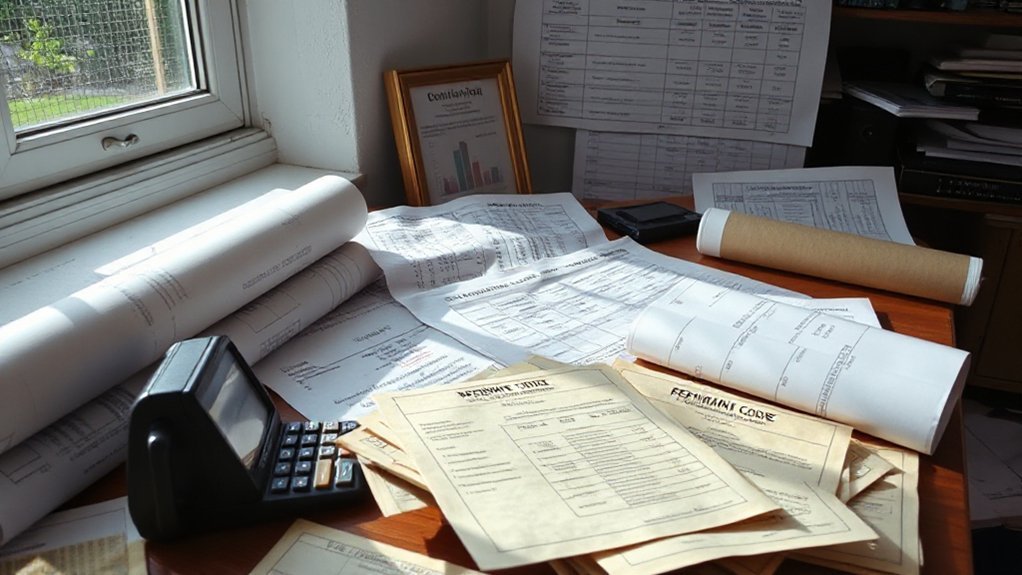
Hidden permit costs can quietly spike your budget if you don’t plan for them upfront. You’ll want a clear map of required permits before you shop contractors.
Start by listing project steps that trigger approvals, such as structural changes, electrical work, or plumbing relocations. Check local regulatory portals or call the building department to confirm which permits apply and typical processing times.
Add a realistic buffer for permit review, plan checks, and possible rework. Budget for permit fees separately, not as a percent of cost, to avoid hidden fees skewing your totals.
Ask contractors for a transparent breakdown that separates material, labor, and permit charges. Track any changes that create new permit needs, and update your budget promptly to avoid surprises.
permit surprises, hidden fees.
How to Minimize Delays and Protect Your Cash Flow
Delays can drain your budget faster than overruns, so you should build a plan that spots risk early and keeps money flowing. Start with a realistic schedule, embed buffers for critical path tasks, and align them with your payment milestones.
Material selection should reward reliability over lowest price; confirm lead times, substitutions, and storage needs upfront to avoid buy-ins or shortages mid-project.
Maintain daily progress logs, flag late deliveries, and trigger reallocations before costs spiral.
Contractor negotiations matter: lock warranties, define scope, and insist on written change procedures to prevent finger-pointing.
Predefine contingency funds, insist on phased invoicing tied to milestones, and review cash flow weekly.
Communicate transparently with all parties and adjust plans promptly to sustain momentum and protect your finances.
Guarding Against Scope Creep With Clear Change Processes
Clear change processes are your best defense against scope creep. In practice, implement a formal scope management framework at project start, detailing deliverables, milestones, and acceptance criteria so expectations stay aligned.
Establish a written change control protocol that requires requests to be documented, assessed for impact on time and budget, and approved by you or a designated authority before work begins. Tie every alteration to a baseline plan, updating timelines, costs, and resources accordingly.
Communicate processes clearly to contractors and stakeholders, so you’re not negotiating midstream. Regularly review change logs to detect patterns that signal creeping scope, and intervene early.
Living Through a Renovation: Practical Coping Strategies
Living through a renovation demands structure and mindset as much as materials and timelines, so you’ll want practical strategies you can trust. You’ll manage stress by creating predictable routines, protecting essential spaces, and setting clear daily goals.
Emotional resilience grows when you acknowledge frustration, then reset with grounding techniques and deliberate breaks. Stay flexible, but bound by reasonable expectations, so setbacks don’t derail progress.
- Establish a daily routine with fixed start/end times and lapse buffers.
- Designate a temporary, organized workspace to limit clutter and decision fatigue.
- Schedule short breaks for movement, hydration, and breath work to reset.
- Communicate openly with your team about needs, timelines, and boundaries. Stress management and emotional resilience hinge on preparation, pace, and perspective.
Build a Realistic Budget for Unseen Costs

A realistic budget for unseen costs starts before you pick a contractor and continues through every phase of the project. You map potential overruns by listing typical gaps: permit delays, design changes, and material shortages.
Prioritize material quality because failures here ripple into fixes and rework, driving up costs later. Build contingencies into line items for unforeseen conditions, and set aside a rate-based cushion (typically 10–20%).
When you assess contractor selection, require detailed, fixed-price estimates with clear scopes and exclusions, plus a transparent change-order process. Track every assumption, including lead times and subcontractor availability, so you aren’t surprised by rushed decisions.
Regularly review the budget against progress, and adjust promptly to prevent small overruns from spiraling. A disciplined approach protects value while you pursue durable, quality outcomes.
Frequently Asked Questions
How Do I Choose a Trustworthy Contractor Quickly?
To choose a trustworthy contractor quickly, verify contractor credentials and check references first. Ask for licenses, insurance, and bonding; confirm them with agencies, and review past project photos.
Prioritize clear communication strategies: set expectations, milestones, and a written schedule. Then request a detailed written proposal with costs.
Trust your gut, but rely on documented proof. Compare bids, note responsiveness, and confirm warranty terms.
You’ll feel confident when credentials check out and communication stays steady throughout the process.
Are Temporary Living Arrangements Ever Covered by Insurance?
Temporary coverage can apply, but it varies. You should check your policy’s temporary living expenses clause and file insurance claims promptly if displacement occurs.
If your builder’s delay or damage triggers coverage, you might recover lodging, meals, and other essentials.
Stay vigilant: document costs, keep receipts, and communicate clearly with your insurer.
You’ll want to understand limits, waiting periods, and eligibility to maximize insurance claims and minimize out-of-pocket burden.
What Hidden Costs Occur After Project Closeout?
Hidden costs after project closeout include hidden fees from warranty work, post-renovation cleanup, and last-minute punch-list fixes.
You might face unexpected delays if subcontractors schedule overruns or permit issues arise.
Keep a detailed final bill, demand itemized line items, and confirm timelines in writing.
You’ll benefit from a clear warranty scope, negotiated post-completion inspections, and a contingency fund to cover any surprises beyond the contract.
Stay proactive to minimize surprises and protect your budget.
How Can I Finance Renovation Overruns Without Stress?
How can you finance renovation overruns without stress? You start by choosing practical financing options and crafting tight budget planning.
Consider a line of credit or a cash-out refinance for flexibility, or a personal loan with a manageable rate.
Build a contingency into your plan and lock in costs early.
Stay proactive: compare terms, track expenses weekly, and avoid using credit for nonessential upgrades.
Are you committing to a debt plan you can actually sustain?
Do Permits Impact Project Timelines Beyond Initial Estimates?
Yes, permits can extend timelines beyond initial estimates. You’ll encounter permit delays and possible zoning restrictions that stall approvals, inspections, and occupancy dates.
To minimize impact, plan for contingencies in your schedule and budget, start permit submissions early, and maintain clear communication with your contractor and local authorities.
Track each milestone, promptly address documents, and factor review cycles into your timeline. By anticipating these factors, you avoid surprises and keep the project on track.
Conclusion
You’re anchoring a ship through a storm you can’t see coming. Hidden costs are the hidden reefs under the surface—permit fees, delays, and scope creep waiting to snag your plans. Plan with a cushion, insist on clear change processes, and protect your cash flow like a lifeboat. Budget for unseen costs, stay flexible, and communicate openly. When the weather turns, your preparedness becomes momentum—steady, precise, and resilient—carrying you safely to a well-executed, finally completed home.
About the Author