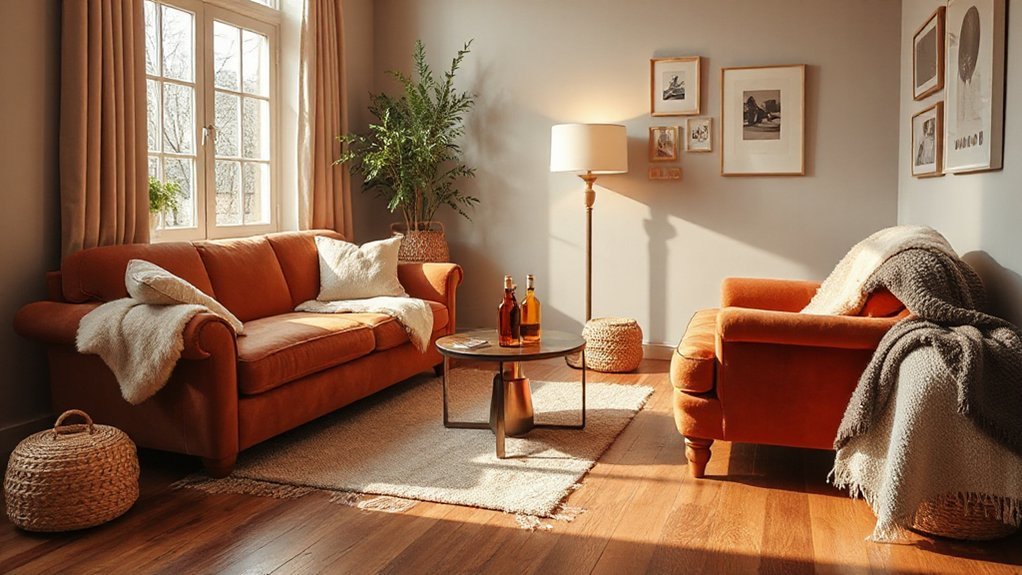
Creating a cozy home without losing style starts with a warm, cohesive palette and texture-rich layers you can touch. You’ll blend wool rugs, linen drapes, and woven throws with clean-lined furniture, then soften the scene with scalable lighting and dimmers. Thoughtful storage keeps surfaces calm, while a few personal, budget-smart upgrades prove comfort and polish aren’t mutually exclusive. Start with a small, deliberate change and feel the balance shift—there’s a lot to explore beyond the basics.
Key Takeaways
- Start with a warm, cohesive palette of 2–3 neutrals plus 1–2 accents, tested in natural light for harmony.
- Layer textures and materials (wool, linen, leather, wood) to add warmth without visual chaos.
- Use flow-first layouts with open sightlines, defined zones, and purposeful pathways for comfort and function.
- Choose cozy, well-proportioned furniture with consistent rhythm and comforting cushions for inviting, uncluttered spaces.
- Incorporate soft lighting, dimmers, and well-placed décor to create ambiance that feels stylish and personal.
How to Build a Warm, Cohesive Color Palette
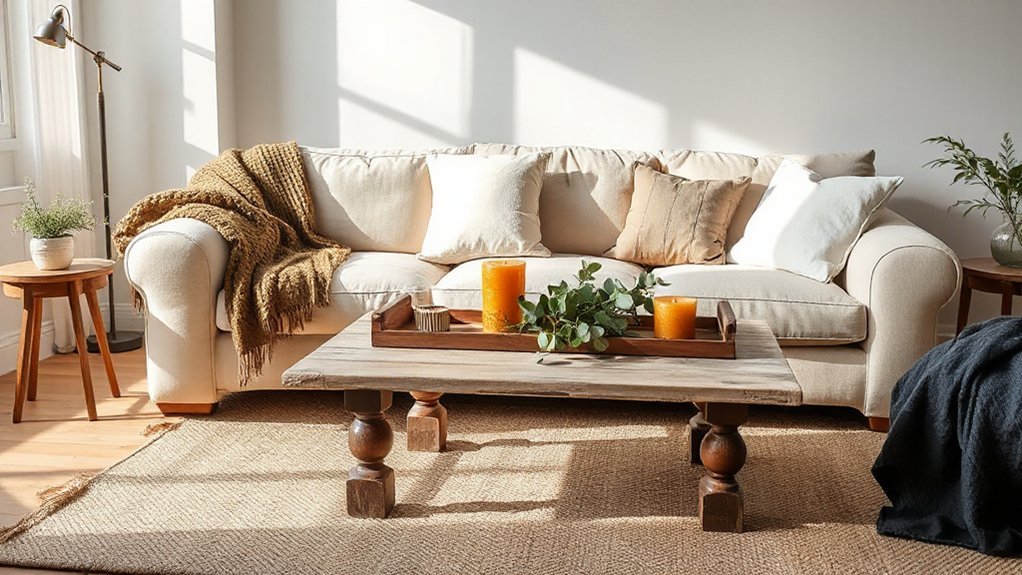
A warm, cohesive color palette starts with a few core tones you’ll use as anchors throughout every room. You’ll pick two to three neutrals as your base, then add one or two accent hues for contrast.
Focus on color coordination by selecting shades with complementary undertones—warm whites, greiges, and soft taupes pair well with earthy greens or muted blues. Aim for palette harmony, not exact matches; vary lightness and saturation to create depth without chaos.
Test chips in natural light, visualize furniture finishes, and map each room’s purpose to its mood. Establish a simple rule: anchor walls, major textiles, and largest surfaces share the same foundation.
With deliberate choices, your home reads cohesive, inviting, and quietly refined.
Layer Textures for Instant Warmth: Practical Techniques
Layering textures is the fastest way to add warmth without clutter. To begin, prioritize textural contrast in a single room by pairing matte walls with tactile fabrics and subtle sheen accents.
Use material layering to ground a space: place a wool rug under a leather sofa, add woven throws, and dress windows with linen curtains. Mix natural fibers—cotton, wool, jute—and a touch of heirloom wood or ceramic for depth.
Keep scale deliberate: large, soft textiles balance small, crisp surfaces like glass or metal. Introduce warmth through color warmth in textures rather than paint alone.
Layer accessories thoughtfully—one statement textile per focal area—ensuring cohesion with your palette. Avoid overcrowding; let each texture earn its presence.
Choose Cozy, Clean-Fitting Furniture: Size, Scale, Comfort
Choosing cozy, clean-fitting furniture means prioritizing size, scale, and comfort that work together with your room’s layout. You’ll balance furniture proportion so pieces don’t overwhelm or vanish, ensuring a coherent flow from wall to wall.
Prioritize comfort prioritization by selecting cushions and supports that invite lingering rather than quick sits; test in person if possible.
Opt for low- to medium-profile sofas and chairs that retain openness and sightlines, pairing with appropriately scaled coffee tables and side surfaces.
Avoid oversized bulk in tight rooms, and resist ultra-minimalism in small spaces, which can feel stark.
Aim for a consistent leg style and edge rhythm to knit the room together.
Create Ambient Lighting That Flatter Your Space
To flatter your space, start with soft glow techniques that cast gentle, even illumination without harsh shadows. Layer lighting ideas—ambient, task, and accent—and tailor each layer to the activity and mood you want.
Keep the setup practical: place warm fixtures at eye level, use dimmers, and blend sources for a cohesive, flattering atmosphere.
Soft Glow Techniques
Soft glow lighting instantly elevates a room by shaping warmth and depth without overpowering its character. You’ll refine ambiance with scalable, warm-toned fixtures, avoiding stark white glare. Choose lamps with diffusers or frosted glass to deliver ambient ambiance and gentle illumination without harsh edges.
Position sources low to the ground and behind furniture to cast soft shadows that sculpt dimension. Use dimmers to modulate intensity, targeting a cozy baseline for evenings and a subtle uplift for daytime routines.
Favor lamps that complement your decor—ceramic bases, matte metals, or fabric shades—over clinical, high-contrast options. Keep cords tucked and switches accessible, preserving clean sightlines.
Test one room at a time, adjusting color temperature around 2700–3000K to sustain a natural, inviting glow.
Layered Lighting Ideas
Layered lighting reveals a room’s character by combining tasks, accents, and ambient levels. You’ll balance function with mood, using three layers to flatter every corner.
- Accent wall glow: drape a warm wall-wash or wall sconces to highlight texture or art without overpowering the space.
- Pendant lighting focal point: hang a statement pendant over a seating area or dining nook to create a visual anchor and inviting glow.
- Ambient foundation: pair ceiling and floor lamps for steady, soft coverage that smooths shadows and unifies the room.
Keep contrasts subtle and scale proportional to the space. Accent wall and pendant lighting work together to shape atmosphere, while general lighting guarantees comfort from couch to desk.
Hidden Storage Solutions That Look Deliberate
Hidden cabinet aesthetics go beyond concealment; they should read as intentional design, not excuses for clutter. You’ll favor integrated hardware, matched paneling, and slim profiles that blur the line between furniture and storage.
Start by choosing storage that echoes the room’s materials and lines to create seamless, deliberate pull-outs or hidden compartments.
Hidden Cabinet Aesthetics
When you want storage that feels intentional, hidden cabinet aesthetics strike the balance between function and design. You’ll prioritize clean lines, tactful hardware, and finishes that blend with your surroundings, creating aesthetic concealment without shouting for attention. The goal is seamless integration that stays practical in daily use.
Consider these ideas:
- Choose door panels that mimic surrounding cabinetry or wall material for cohesion.
- Use push-to-open or magnetized mechanisms to avoid handles and maintain smooth surfaces.
- Locate cabinets where clutter naturally gathers, so concealment feels purposeful rather than clever.
With this approach, a hidden cabinet becomes a quiet feature, not a secret. It emphasizes organization, reduces visual noise, and preserves a cozy, curated atmosphere.
Seamless Storage Illusions
Seamless storage should feel intentional, not intrusive, so you tuck away essentials behind surfaces that read as part of the room. You choose hidden compartments that blend with your design, not shout for attention. Think integrated shelving, panel doors, and furniture with recessed drawers.
Each solution should maintain line, texture, and color harmony, so storage feels like a natural extension of the space. Prioritize accessibility, not complexity; simple mechanisms reduce visual clutter and frustration.
Implement storage hacks that offer daily utility while remaining discreet. Use magnets, soft-close slides, and tall cabinetry to minimize footprint without sacrificing capacity. Labeling stays out of sight, preserving calm aesthetics.
The result is practical elegance: concealed functionality that reinforces a serene, well-organized environment.
Add Plush Textiles Without Creating Clutter
To add plush textiles without creating clutter, choose a few statement pieces and pair them with lean surroundings. You’ll achieve warmth without overwhelm by prioritizing texture over quantity, using textiles as deliberate accents rather than full-room swaths. Focus on quality materials and neutral tones to keep the space cohesive.
Textile layering should be intentional, not layered for its own sake, so balance soft furnishings with simple furniture and ample negative space to support clutter reduction.
- Select one bold throw or rug as a focal point, then limit additional textiles to complementary pieces.
- Layer fabrics with care—alternate matte and sheen, light and dark—avoiding busy patterns.
- Fold or roll extras and store behind closed doors when not in use to maintain calm aesthetics.
Create Zones That Invite Staying Awhile
If you create cozy ambience zones, you’ll guide guests to linger by clearly defined areas that feel intimate and calm.
Build inviting seating areas with varied focal points and comfortable textures, so conversations flow naturally.
Keep the layout flow-first, ensuring pathways connect rooms smoothly while reinforcing purposeful zones.
Cozy Ambience Zones
Creating cozy ambience zones means thoughtfully separating spaces so guests feel invited to linger. You design distinct areas with cues that tempt conversation, rest, and focus, while keeping sightlines open. Use textures, lighting, and furniture grouping to signal purpose without barriers.
Aim for balance between function and flow, so passages feel intentional, not cramped. Key features to emphasize include fireplace mantels as focal anchors, cozy seating arrangements for intimate chats, and quiet corners that invite reading or reflection.
Plan zones that feel approachable yet cohesive, so your home reads as one curated story rather than stitched rooms. Incorporate these elements:
- Fireplace mantels as warm visual anchors and gathering spots.
- Cozy reading nooks with comfy seating and soft light.
- Boundary cues—area rugs, shelving, and lamps guiding movement.
Inviting Seating Areas
Place a sofa anchor with a pair of comfortable chairs on a generous, unobstructed plane, then add a slim coffee table or ottoman for accessible surfaces. Guarantee sightlines to focal points—fireplace, window view, or art—so guests feel included.
Layer soft textiles, warm wood accents, and ambient lighting to amplify rustic charm without sacrificing modern elegance. Choose durable upholstery in timeless neutrals, and weave in seasonal accents to refresh the mood.
Keep traffic clear and corners uncluttered, so every seat feels welcoming and purposeful.
Flow-First Room Layout
Flow-first layouts arrange rooms around purposeful zones that encourage people to linger. When you plan, aim for open floor ideas that maintain clear sightlines while defining use.
Flow harmony comes from intentional pathways, not barriers, guiding traffic from one area to the next with minimal friction. You’ll create zones that feel connected, so conversations flow and foot traffic feels natural.
Use furniture placement to signal shifts, like a seating cluster anchored by a rug or a console that marks a corridor’s edge.
- Define a primary gathering area with a focal point.
- Position secondary zones along logical routes.
- Keep visual cues cohesive with consistent materials, colors, and scale.
This approach yields a cohesive, inviting home that stays functional and stylish.
Use Small Decor for Big Impact
Small decor items can punch above their weight when chosen thoughtfully. You’ll elevate rooms by selecting a few well-placed pieces rather than crowding surfaces.
Focus on proportion: a single, well-lit vase, a compact sculpture, or a framed print can anchor a coffee table or mantle without overpowering the space. Use small accents to repeat color, texture, or pattern from larger elements, creating cohesive mood without clutter.
Favor decorative accessories with clean lines and durable finishes that age gracefully. Place items at eye level for impact and group two or three pieces in odd numbers to feel curated, not random.
Keep surfaces sparse, storage practical, and textiles deliberate—this approach yields warmth and polish without sacrificing flow or function.
Invest in Statement Pieces You Truly Love
- 1 bold centerpiece that draws the eye and sparks conversation
- 2 complementary textures that balance warmth and intrigue
- 3 functional accents that elevate comfort without overloading the eye
With purpose, select pieces that harmonize color, form, and scale. Avoid overstuffing; each item should earn its place.
Budget-Friendly Swaps for Everyday Luxury
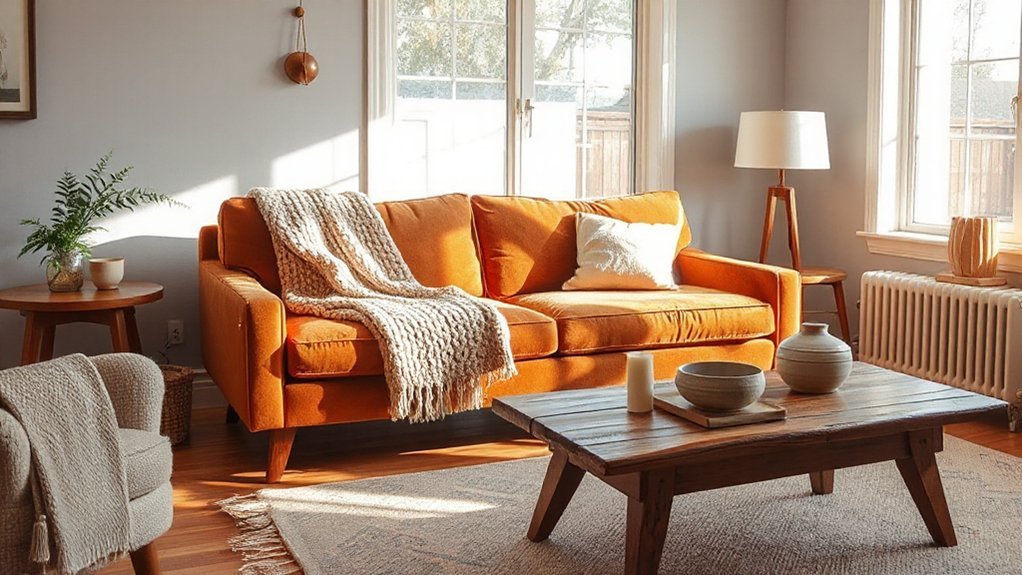
You don’t need to gut your budget to achieve everyday luxury; smart swaps let you upgrade without overspending. Start with textiles: swap generic throws for high-quality, affordable decorating options in neutral tones to elevate rooms instantly. Choose timeless silhouettes over trends to maximize use and curb waste.
When shopping, prioritize fabric durability and craft quality rather than size of the discount. Reimagine lighting with well-made, lower-cost fixtures that cast flattering glow, rather than relying on conspicuous designer labels.
In storage, select organizers that blend with decor, reducing clutter while adding perceived luxe. For surfaces, opt for matte finishes and subtle textures that read premium without a premium price tag.
Practice budget conscious shopping by comparing prices, and leverage sales without sacrificing style.
Greenery and Natural Elements for Softness
Greenery and natural elements soften a space instantly, adding warmth and texture without clutter. You’ll create depth by pairing indoor plants with tactile natural materials, striking a balanced, breathable mood.
- Place a tall fiddle-leaf fig beside a linen sofa, letting its vertical presence anchor the room.
- Layer textures with jute rug, cotton throws, and a wood coffee table to invite touch.
- Accent corners with air-purifying greens in ceramic pots that echo your furniture’s color.
Keep plant placement intentional, not crowded. Choose indoor plants that thrive under your light, and swap out pots to reflect seasonal shifts.
Natural materials—woven textiles, untreated wood, stone—enhance softness while staying durable. This approach yields a cozy, polished space you can enjoy daily.
Finishing Touches: Personal Details That Tie It All Together
Finishing touches are what elevate a cozy space from polished to personal. You curate what you display, balancing meaning with aesthetics so every item earns its place.
Begin with personal mementos—photos, letters, or souvenirs—that spark joy without clutter. Group them in small, thoughtful collages on a single wall or surface, ensuring frames vary in size but share a unifying tone.
Next, integrate decorative accents that reinforce your style: textured throws, artisanal ceramics, or matte metals. Keep color and material repetition to create cohesion.
Avoid overloading surfaces; allow negative space to breathe. Rotate pieces seasonally to refresh the mood without full redecorating.
Finally, align lighting to spotlight these details, using warm bulbs and dimmers to soften the vibe.
Frequently Asked Questions
How Can I Balance Coziness With a Modern Aesthetic?
Yes—you balance coziness with a modern aesthetic by layering warmth over clean lines.
Start with neutral walls, add Vintage accents like a distressed wood console, and choose statement lighting that doubles as art.
Incorporate textures: plush rugs, knotted throws, and tactile upholstery.
Let metal fixtures stay sleek, not ornate, and keep clutter minimal.
Use silhouettes with soft edges, then punctuate with a bold accent color to unify comfort and contemporary edge.
Which Colors Read Warm Without Feeling Heavy?
Warm colors read inviting without feeling heavy by using muted or balanced tones. Think soft terracotta, warm taupe, and gentle olive alongside crisp neutrals.
You’ll avoid overwhelm by pairing saturated hues with plenty of white or light wood. Color psychology shows these tones boost coziness without claustrophobia, especially in natural light.
For a polished look, combine warm color palettes with clean lines, and add texture to keep depth. This approach keeps space lively yet calm.
What Are Quick, Affordable Ways to Layer Textures?
Layer textures quickly by layering Textured throws over sofas and chairs, and tuck a Faux fur rug at entryways or under a coffee table.
Opt for affordable knit blankets, velvet cushions, and sheepskin accents to boost depth without heavy costs.
Mix solids with subtle patterns, keep a cohesive color palette, and rotate items seasonally.
You’ll achieve tactile warmth and visual interest fast, using practical swaps that feel intentional and stylish.
How Do I Choose Furniture for Small Spaces?
You should pick furniture that fits your floor plan and multitasks. Look for multifunctional furniture, like storage ottomans, sleeper sofas, or nesting tables, to maximize every square foot.
Favor compact silhouettes, light colors, and leggy designs to keep sightlines open. Use space-saving decor—wall-mounted shelves, mirrors, and vertical storage—to add function without bulk.
Measure doorways and radiators first, then prioritize flexibility so pieces adapt as your needs change. You’ll create a roomy, polished feel.
How Can I Personalize a Cozy Home Without Clutter?
Did you know 70% of people feel calmer in spaces with personal meaning? You personalize a cozy home by curating vintage accents and scented candles that reflect you, not clutter.
Start with a single, meaningful piece, then layer textures—soft throws, natural fibers, and warm lighting.
Keep surfaces clear and store extras. Rotate accents seasonally to stay fresh, and let each item earn its place.
You’ll enjoy intentional warmth without sacrificing style.
Conclusion
You’ve laid the groundwork for a truly inviting space, blending warmth with refinement. By layering textures, selecting cozy, well-proportioned furniture, and lighting with warmth, you’ve built comfort into every corner. Thoughtful storage and personal touches keep things effortless and polished. Ready to live in it daily and still feel elevated? Wrap it all with a few green accents and a favorite piece you love, and you’ve got a cozy, stylish home you’ll enjoy for years.
About the Author