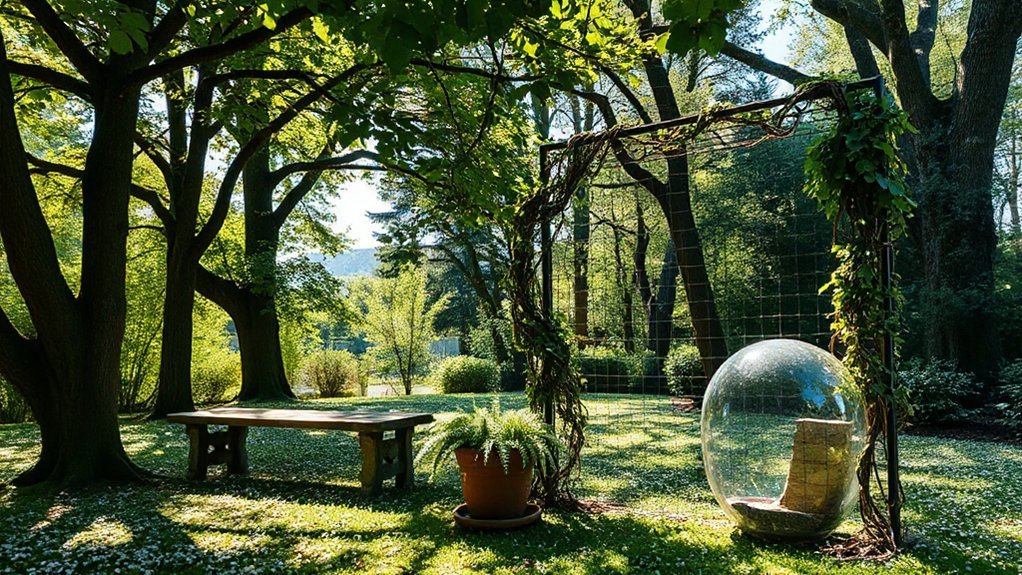
You can create shade in your garden without building a structure by choosing fast-growing trees, shrubs, and climbing plants that form a native or layered canopy over time, while using movable sails or umbrellas to tweak sun angles now. Think vertical reach, layered textures, and soil-cooling groundcovers that stay put when wind shifts. Start with a practical plan and scalable steps, then balance permanent plantings with flexible shade options to keep your space comfortable as the sun moves—and see what emerges next.
Key Takeaways
- Utilize movable shade options like fabric canopies, shade sails, umbrellas, and portable screens to create flexible, non-structural shade zones.
- Leverage planting design with shade-tolerant trees, tall shrubs, and layered textures to cast natural shade without buildings.
- Use groundcovers and mulch to cool soil and reduce radiant heat while maintaining airflow around plantings.
- Employ microclimate strategies—monitor sun angles, wind patterns, and cooled pocket areas to optimize shade placement.
- Integrate deciduous and evergreen plantings to provide seasonal shading while preserving light in winter.
Why You Want Shade in Your Garden (and What Success Looks Like)
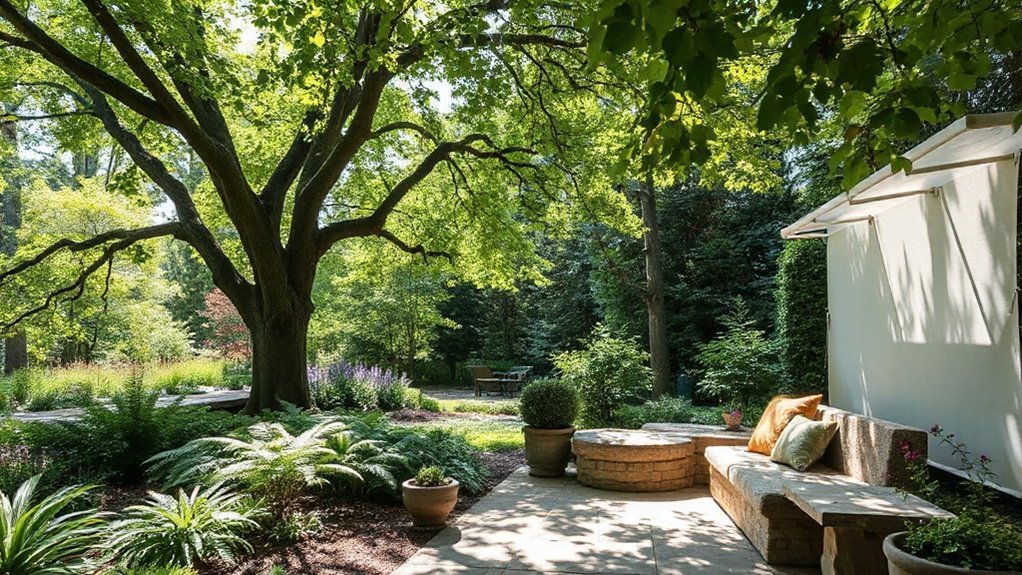
Shade isn’t a decorative afterthought; it’s a foundational element that protects plants, people, and soil from harsh sun, heat, and glare. You want shade because it stabilizes microclimates, preserves soil moisture, and lengthens growing windows.
When you measure success, you’re aiming for steady growth, fewer scorch injuries, and resilient yields across diverse species. In practical terms, shade elevates plant vigor while reducing watering stress, waste, and disease risk.
You’ll see a calmer garden rhythm, where plant pests are easier to monitor and manage without constant stress signals from sun exposure. Visual appeal matters too; garden art becomes intentional, not accidental, as you shape light pockets and shadows that guide attention.
Your shade strategy integrates performance, beauty, and long-term sustainability.
Sun Science for Shade: Microclimates and How Shade Behaves
Microclimates form wherever shade and sun meet, shaping temperatures, humidity, and wind on a patch-by-patch basis. You’ll notice that small shifts in solar angles create distinct microzones between sunlit gaps and shaded pockets.
Track how shade patterns evolve through the day—early-morning cool pockets lengthen, while afternoon shade compacts around focal plantings. Use precise observations: map which surfaces heat fastest, where cool air pools, and how breeze routes around obstructions.
This awareness lets you place demand-heavy species into favorable microclimates and reserve sun-loving varieties for brighter edges. By predicting shade behavior, you design resilience, not just cover.
Align your layout with constant solar-angle changes, then validate with quick, repeatable checks to confirm consistent protection and productivity across seasons.
Quick-Start Shading: Fast, Movable Fixes You Can Deploy Today
You’ll grab quick shade with movable garden canopies that go up in minutes and stay put when the wind picks up. These fast fixes empower you to rework sun exposure on demand, shifting heat and glare away from beds and seating areas.
Think portable, sturdy solutions that blend practicality with a clear vision for how your garden reads light today.
Quick Shade Fixes
Here are five fast shade fixes you can deploy today, starting with movable or temporary solutions that don’t require digging in the soil. You gain immediate relief by using shade fabrics stretched over lightweight frames, tethered tents, or freestanding screens to create microclimates that cool hot zones.
Sun filters installed as window films or exterior panels reduce radiant heat while preserving visibility and airflow.
Portable shade sails and umbrellas give you agile coverage, reconfiguring as sun angles shift.
Ground-level awnings or lattice panels on freestanding posts offer near-instant protection without permanent alteration.
For plant protection, position perforated screens to balance light and air, avoiding scorch while maintaining growth.
Precision placement and durable, weather-ready hardware ensure repeatable, reliable performance with minimal effort.
Movable Garden Canopies
The system stays modular, compact, and reusable, making it a reliable first line of defense against overheating. Use it to frame dining corners, concentrate airflow, and reveal hidden garden sculptures as light changes.
- Choose UV-stable fabric and powder-coated frames for durability.
- Use stakes or wheels for easy relocation and stable bracing.
- Plan scenes by rotating canopies to accent focal elements and microclimates. This approach keeps design practical, precise, and forward-looking.
Choosing Shade-Friendly Plants: Perennials and Textures That Thrive in Sun-Spots
Shade-loving perennials can transform sun-spots into lush, tactile groundcovers and borders that stay vibrant through the season. You’ll prioritize shade tolerant varieties that bloom consistently and mature into durable, low-maintenance patches.
Start with leaf texture as your guide: pair coarse, sculpted foliage with finer, airy textures to create contrast and movement without glare. Consider perennial textures that resist sun scorch and resist drought, ensuring resilience in hot pockets.
Mix evergreen fillers with seasonal performers to maintain year-round interest, and group plants by water needs to simplify maintenance. Use compact, slow-spreading forms for edging, and interpolate with taller, vertically dramatic options for depth.
Plan for succession blooms so color shifts feel intentional, not random, as light changes across the day.
Layered Shading Without Bulk: Trees, Shrubs, and Grasses for Height
Layered shading achieves height without bulk by stacking trees, shrubs, and grasses in tailored strata that read as a single, cohesive canopy. You’ll balance shade trees atop a mid-layer of shrubs, with grasses defining the ground plane, crafting a vertical profile that cools without crowding footpaths.
This approach concentrates on breathable structure, not volume, so airflow remains clear and plant health thrives. For quick impact, consider:
- Strategic shade trees with fast growth and deep roots
- Shrub layering to bridge canopy gaps and soften progressions
- Grasses that hold soil, provide light dapple, and extend the height illusion
This method emphasizes function and form, delivering durable shade and a visionary, low-bulk landscape you can maintain with precision.
Smart Planting Layouts: Grouping and Spacing for Cooler Pockets
Strategic planting layouts group trees, shrubs, and grasses to create cooler pockets with minimal crowding. You’ll map sun paths and heat points, then cluster densely shaded microclimates with transitional plant pairs.
Use staggered rows to break wind and reduce surface heating, ensuring root zones stay cool. Pair evergreen understories with deciduous canopy gaps to maintain year-round shade while allowing seasonal warmth when needed.
Alpine flora earns high-value, compact canopies, while Succulent varieties offer water efficiency and reflective surfaces that modulate soil temperature.
Label zones by soil type, moisture, and airflow, then rotate plant groups every two to three seasons to prevent thermal pockets.
Precision spacing matters: allow air convection, minimize leaf overlap, and preserve root integrity for resilient, cooler pockets.
Sleek Pergola-Trellis Hybrids: Function-Forward Shade That Feels Light
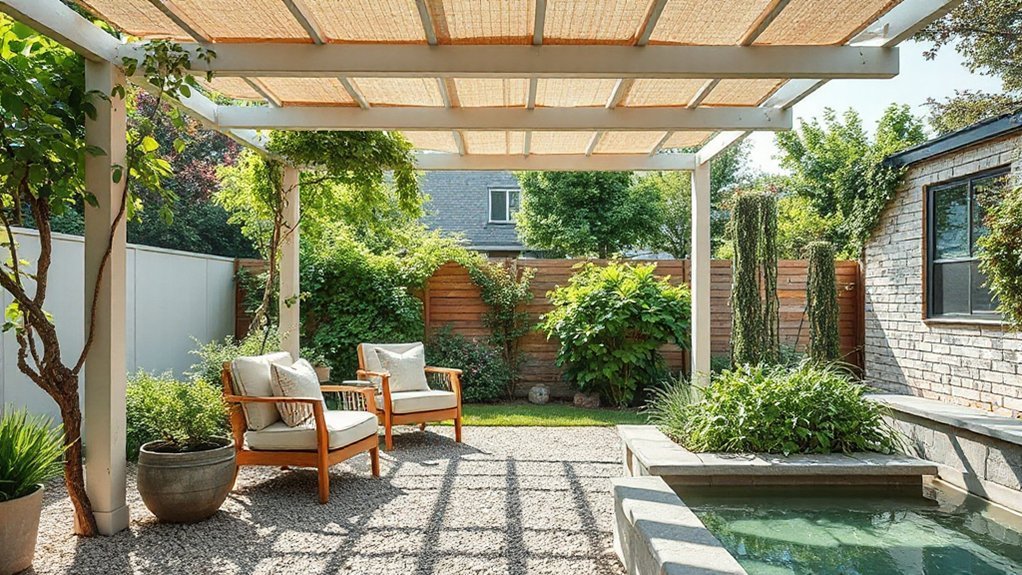
A sleek pergola-trellis hybrid blends structure with shade by design, creating a light, breathable cover that still feels airy. You’ll maximize airflow while delivering steady, controlled light for undergrowth and seating.
This hybrid supports plants and materials that minimize heat gain, so you enjoy cooler afternoons without sacrificing view. To implement effectively, focus on spacing, venting, and material choice that balance strength with weight.
Use a grid that supports sun angles and seasonal shifts, reducing glare and conserving energy.
- Choose lattice density that tunes sun penetration.
- Integrate climbing plants that thrive on sustainable watering.
- Add modular trellis panels for future reconfiguration and wildlife habitats.
Portable Screens and Fabrics: Versatile Shade for Changing Sun
Portable screens and fabrics offer quick, adaptable shade that you can deploy as sun angles shift. You choose lightweight frames or freestanding panels that can be placed along paths, patios, or beds, then adjust position as light moves.
Look for UV-stable materials and reinforced seams so you can rely on them season after season. For efficiency, pair screens with fabrics that block glare while preserving view, using color coordination to unify the scene.
Consider fabric patterns that complement existing plant palettes without overpowering focal specimens. When you anchor screens, use pegged bases or weighted sleeves to prevent drift on breezy days.
Fold-and-store routines should be fast, so you can reconfigure zones as tasks change—dining, lounging, or gardening—without noise, tools, or downtime.
Groundcovers That Cool and Protect Soil
- Select dense, low-growing varieties for fast canopy.
- Mix drought-tolerant groundcovers with native grasses for resilience.
- Introduce Wildflower meadows in sun seams to boost vigor.
This approach yields cooler soil, less runoff, and a more resilient garden.
Mulch, Soil, and Irrigation Tweaks That Boost Shade Effectiveness
Shade effectiveness hinges on how you layer mulch, sculpt soil life, and tune irrigation. You optimize mulch benefits by choosing coarse, breathable materials that suppress weeds and retain moisture without smothering roots. Apply a 2–4 inch blanket, then refresh annually to maintain coverage and airflow.
For soil amendments, mix compost and aged manure to boost microbial activity, improving nutrient cycling and water retention. Target a slightly acidic to neutral pH for most shade-loving perennials, adjusting with lime or sulfur as needed.
Irrigation tweaks matter: adopt drip lines with emitter spacing aligned to plant canopies, run cycles during cool periods, and mulch the irrigation zone to minimize evaporation.
Track results with simple soil checks and plant vigor observations to refine over time.
Seasonal Shading Strategies: Adjusting Plant and Material Choices Through the Year
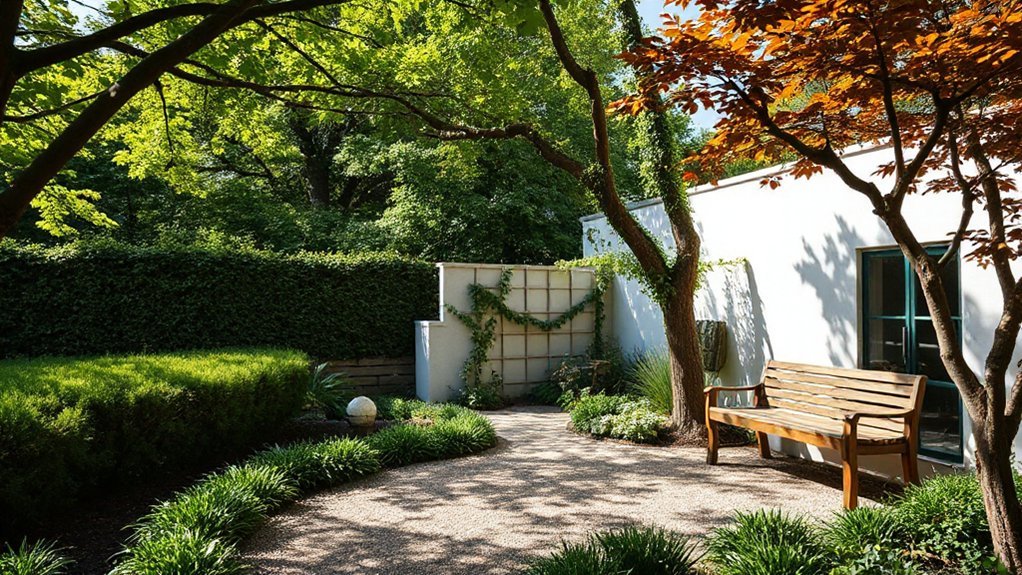
As seasons shift, you’ll adjust plant selections and shade materials to match changing sun angles and heat loads.
Start by aligning seasonal plant adjustments, material shading progressions, and timing of light and heat to maximize cooling and coverage.
This approach keeps your garden efficient year-round, with clear steps you can implement now.
Seasonal Plant Adjustments
Seasonal shading adjustments start with anticipating how sun paths change over the year and selecting plants and materials that respond accordingly. You’ll tune plant height, spread, and foliage texture to match seasonal light shifts, aiming for sustained shade without crowding. Think about how deciduous leaves create daily relief in summer and reveal winter light pockets.
Choose species with complementary forms to preserve depth: creeping groundcovers beneath taller layers, and upright perennials for seasonal structure. Plan adjustments now to maintain consistent shading later.
- Track sun angles monthly and stagger bloom timing for layered protection.
- Mix evergreen anchors with deciduous accents to balance year-round cover.
- Prioritize foliage contrast and color variations to preserve visual interest through the seasons.
Material Shading Transitions
To manage material shading shifts effectively, start by aligning the selection of hardscape, fabrics, and structural elements with expected sun shifts and seasonal moisture patterns.
You’ll guide the daytime microclimate by choosing shade fabrics that tolerate humidity swings and UV aging, then test color and weave for airflow.
Emphasize modular alignment, so material layering can evolve with the season: lightweight screens in spring, denser panels for summer, removable trellises in autumn.
Prioritize durability, easy maintenance, and clear progression points between zones.
Document sun angles and wind pockets to time adjustments precisely.
Combine textiles with solid surfaces to manage reflected heat, while retaining visual continuity.
This approach keeps shade consistent, accessible, and adaptable, enabling you to refine the garden’s mood while sustaining plant health and user comfort.
Light and Heat Timing
Do you know how sun angles and heat peaks shift through the year, and how that guides what to plant and what shade to deploy? You’ll align planting and shade timing with seasonal sun patterns, using plants and materials as living sensors.
Plan for faster shade in late spring and early summer, then allow higher sun exposure as angles drop in autumn.
- Time garden art and decorative features to the solstices and equinoxes for drama and function.
- Choose heat-tolerant understory plants when sun is strongest; let them wane as days shorten.
- Phase in movable screens or lattice elements to echo seasonal light shifts.
This approach blends precise planning with visionary design, keeping your garden art functional and aesthetically coherent through the year.
Troubleshooting Shade Gaps: What to Do When Spots Stay Hot or Dry
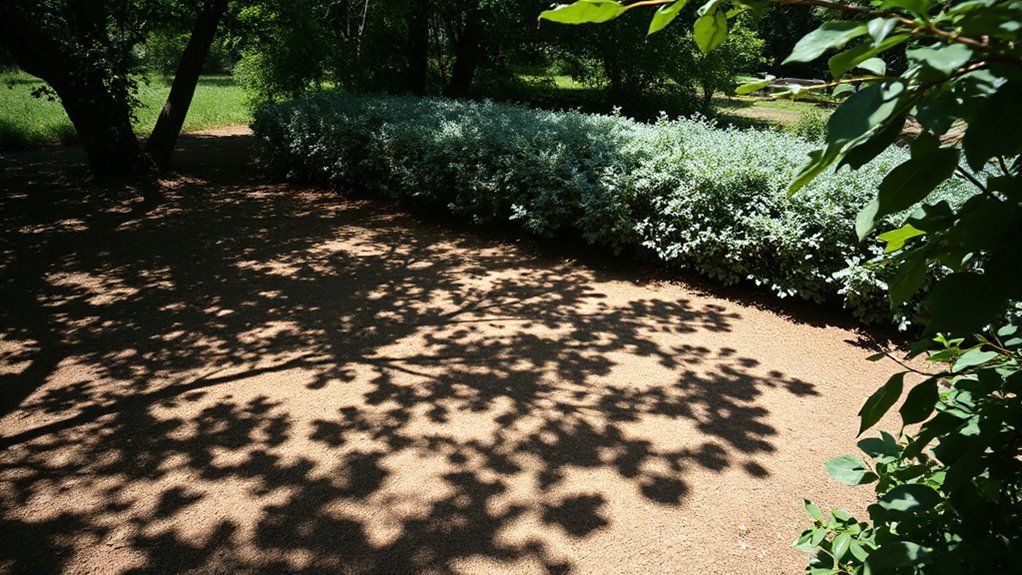
When shade gaps persist and spots stay hot or dry, start by confirming the sun exposure pattern and soil moisture where the gaps form. Then target the underlying causes rather than just the symptoms. You’ll diagnose microclimates—edge effects, reflected heat, and airflow barriers—before altering plant placement.
Measure with a simple sun map over a week and check soil moisture at mid-afternoon. If spots remain hot, consider increasing shade pressure via selective canopy pruning, taller companion plants, or movable shade cloth positioned for steady light diffusion.
Dry pockets signal root competition or soil texture limits; amend with organic matter and mulch to stabilize moisture.
Prioritize shade aesthetics and garden lighting harmony, so interventions feel intentional, not reactive, and cultivate a resilient, visually cohesive space.
Frequently Asked Questions
How Does Wind Affect Shade Effectiveness and Maintenance?
Wind affects shade by bending and shaking fabric or foliage, reducing coverage duration and creating gaps. You’ll notice gusts loosen mounts, tilt trees, and thin canopies, so plan for tighter anchoring and higher durability.
Wind impact demands sturdy connections and momentary adjustments to maintain even shade. Choose durable, flexible materials, and regularly inspect fasteners.
With this approach, shade durability improves; you preserve comfort while aligning with your practical, precise, and visionary garden goals.
Can I Create Shade Without Sacrificing Aesthetics?
Yes, you can create shade without sacrificing aesthetics. You’ll blend artistic plant arrangements with decorative shade fabrics, curating a scene that’s both practical and visionary.
You’ll place tall, sculptural greens for dappled relief, then drape decorative shade fabrics to soften lines and unify color.
You’ll test wind tolerance, anchor securely, and keep maintenance lean.
You’ll enjoy cool, stylish shade that feels deliberate, not gimmicky. Your garden stays beautiful, purposeful, and accessible.
Which Low-Water Options Still Provide Good Shade?
Yes—drought tolerant trees and xeriscape plants can provide solid shade with minimal water. Choose large-canopy options like drought tolerant trees, plus fast-growing xeriscape plants beneath them to fill gaps quickly.
Pair evergreen shade with deciduous layers for seasonal resilience. Mulch deeply to conserve moisture, and group plants by water needs to prevent waste.
You’ll gain effective shade, lower irrigation, and a visionary landscape that stays beautiful through drought.
How Long Does Temporary Shade Last in Heatwaves?
In heatwaves, temporary shade can last from a few hours to several days, depending on sun exposure and material. About 60 minutes of dense sun can drop temperatures noticeably within a yard.
You’ll maximize temporary coverage by selecting reflective fabrics, positioning arrays for peak sun, and anchoring edges. This boosts heat resilience while you plan longer-term solutions.
Aim for continuous micro-shading, adjust, and test. You’ll notice fresher air and steadier plant growth with sustained temporary coverage.
Are There Shading Options for Small Balconies?
Yes, you have shading options for small balconies. Try balcony privacy screens, retractable awnings, or shade sails for instant relief.
Pair with vertical plantings to soften glare and improve privacy without crowding floor space. Use tall, slender planters and climbers to maximize coverage while preserving views.
You’ll create microclimates that stay cooler, even in heatwaves. Consider outdoor blinds for controlled light, plus wind-friendly fabrics to maintain shade during breezy days.
Conclusion
You’ve got options that don’t hinge on permanent builds, from fast-growing canopies to movable sails, so you can shade smartly as the sun shifts. An interesting stat: shade trees can cut daytime garden temperatures by 5–15°F, slicing glare and cooling soil up to 25°F cooler than exposed sides. Use layered plantings, groundcovers, and adaptive fabrics to fine-tune microclimates. Stay precise, practical, and visionary: shade that adapts with seasons and your goals.
About the Author