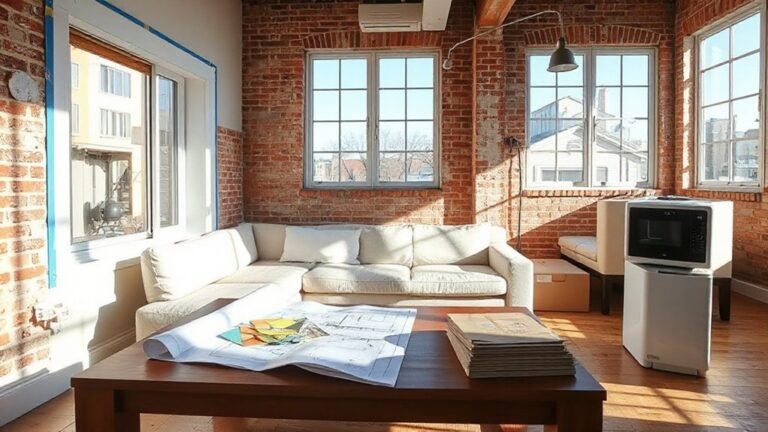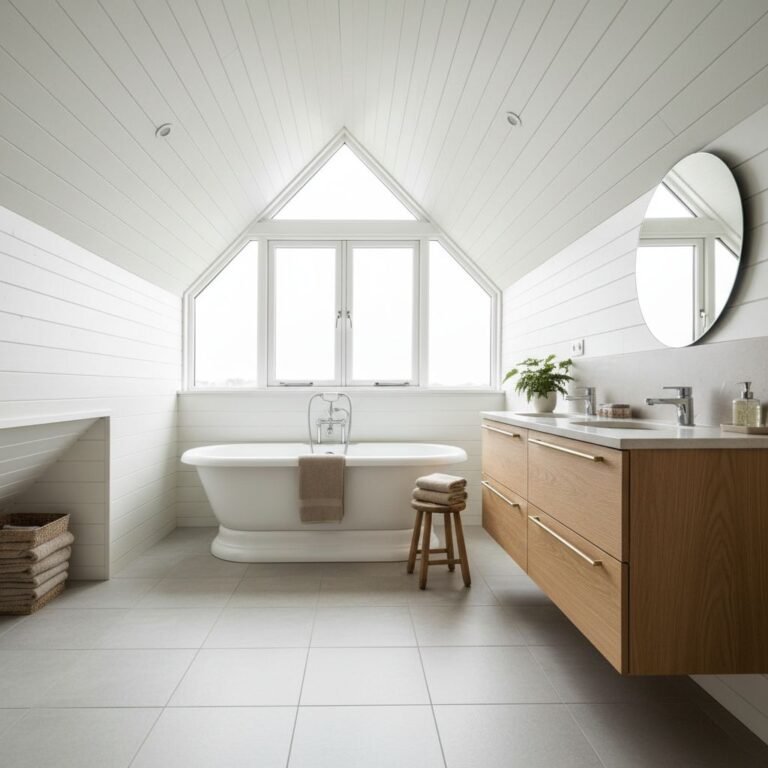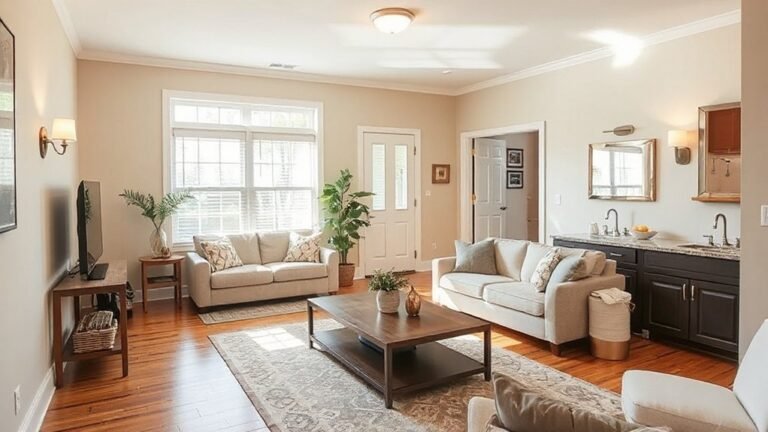
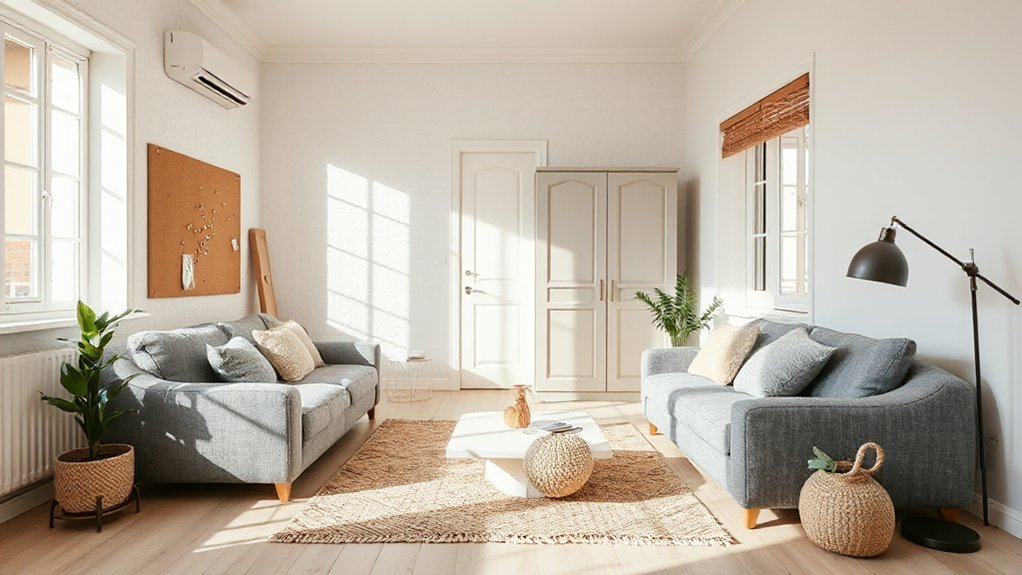
Think of your rental like a blank canvas you’ll return to pristine condition, not a forever apartment you’re allowed to hammer into place. You’ll want removable, damage-free options first—peel-and-stick wallpapers, fabric art, freestanding furniture, and clever lighting—so nothing sticks or leaves marks. You’ll need a plan for temporary displays and clear landlord guidelines, plus a quick snag-list to keep deposits intact. Keep going to get practical, field-tested steps you can apply today.
Key Takeaways
- Know and follow your lease rules on painting, nails, and alterations; prioritize reversible, non-damaging methods.
- Use removable decor (decals, fabric art, lightweight prints) and document existing conditions before decorating.
- Opt for portable, multi-purpose furniture and freestanding pieces to avoid wall damage.
- Enhance space with damage-free lighting, peel-and-stick features, and non-permanent wall accents.
- Plan for move-out by reverting changes, patching holes, and photographing the space before leaving.
Why Rental Decorating Matters for Your Space and Deposit
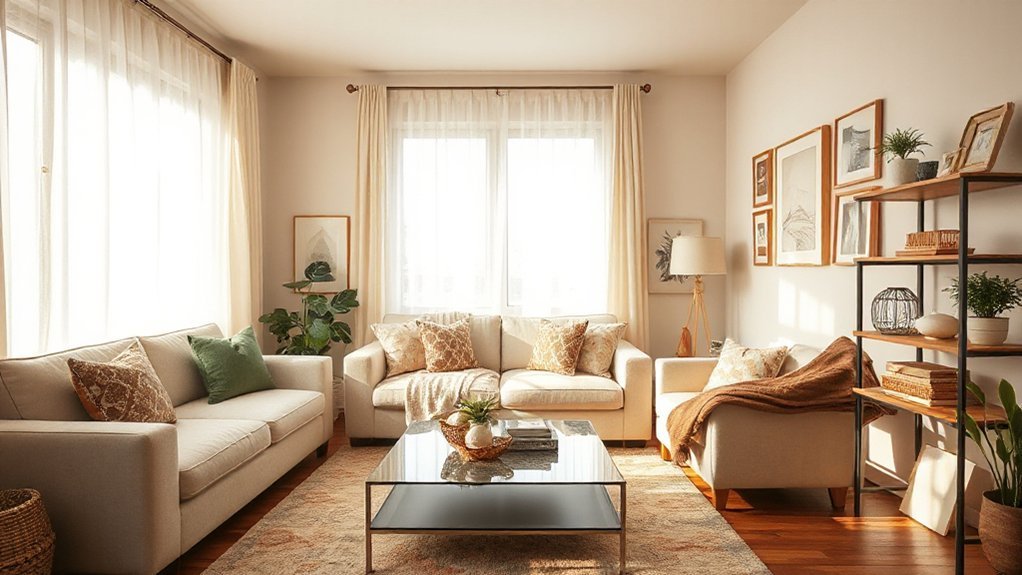
Decorating a rental matters because it shapes how you live day to day—and it can affect your deposit. You’ll feel more at home when spaces reflect your routine, but you must balance comfort with compliance.
Start by knowing Decorating rules from the outset; they guide what you can and can’t alter, so you plan around them. Landlord restrictions often specify paint, wallpaper, and hardware changes, plus requirements for restoring surfaces before move-out.
Map your layout with renter-friendly options: removable wall decor, furniture placement, and temporary textiles that don’t damage finishes. Document existing conditions to reference later, and choose noninvasive upgrades like smart lighting or fabric accents.
Quick Wins: Non-Damaging Accents You Can Use Today
You’ve set the stage with the basics of tenant-friendly decorating, so let’s jump into quick wins you can use today that won’t harm walls or surfaces. Choose removable, non-damaging accents to transform mood fast.
Start with vintage accents like decorative trays, glass bottles, and small porcelain pieces that sit on shelves or tables, not walls. For color pops, use fabric swatches, vintage-style textiles, or throw pillows that wash easily.
Add DIY art by framing lightweight prints or fabric art with poster rails or tension-mounted screens—no nails needed. Use plant stands and freestanding mirrors to reflect light without touching walls.
Keep adhesives to microdots or removable strips for any temporary decor. These moves deliver personality, cost efficiency, and a curated feel without damage.
Removable Wall Ideas That Look Intentional
If you want walls that feel intentional without nails or damage, start with modular, removable options that anchor the room. Choose removable murals to introduce color or texture without commitment, then layer with peel and stick tiles to define zones or create a feature wall.
Prioritize pieces that cling evenly and remove cleanly, so you can reposition as your layout evolves. Plan a cohesive palette—two or three hues max—to keep the look deliberate, not DIY-chaotic.
Install murals on clean, smooth surfaces and seal edges with a quick bead of clear tape if needed for a crisp boundary. Peel and stick tiles work well to frame a bed wall, entry, or desk area, offering instant impact with minimal effort and no damage.
Temporary Furniture Hacks to Maximize Space and Style
When space is tight, quick, practical furniture hacks make a room feel bigger without sacrificing function. You’ll maximize floor area by choosing multi‑purpose pieces: a storage ottoman, a fold‑out desk, and a sofa with hidden drawers.
Place tallest items against walls to open sight lines and use vertical space for shelves or wall hooks. Furniture arrangement should prioritize traffic flows; keep a clear path from door to the main living zone.
Use lightweight or movable furniture for seasonal decor updates, swapping textiles and accents rather than large pieces. Layer textures with throws and cushions to add warmth without bulk.
Choose compact silhouettes, avoid deep seating, and store off‑season items in labeled bins. Rotate seasonal decor to refresh the space without clutter.
Color Strategies for Renters That Don’t Involve Painting or Drilling
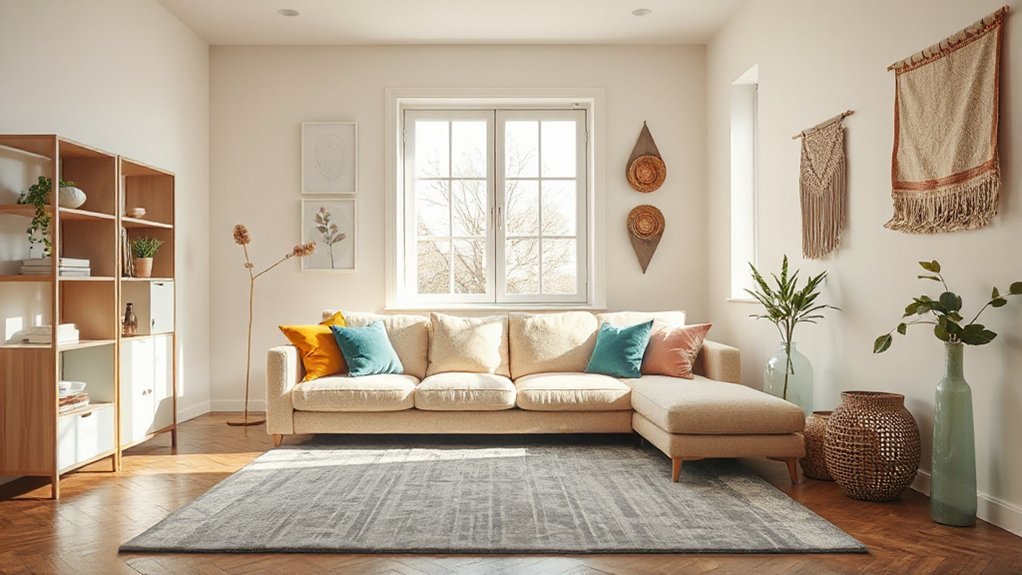
You can change the room’s mood with non-permanent wall color options like removable wallpaper or decals, plus fabric swatches or tapes to create focal spots.
Layer light and texture with smart lighting, opaque curtains, and textiles in complementary tones to blend color without paint or drilling.
Start with a simple palette tied to your textiles and adjust with temporary accents for flexible, damage-free results.
Non-Permanent Wall Color
Start with color palettes that suit natural light and room function: cool tones for calm in bedrooms, warm neutrals for living areas, and bold accents for small spaces.
Apply large swaths with removable wallpaper tiles or fabric-backed decals that lift cleanly. Wall decals offer quick, reversible personality without residue; place them where they’ll be admired most and remove without damage when you move.
Complement with color-tested adhesive strips or magnetic paints for temporary contrast, then swap as trends shift.
Plan around high-traffic edges to minimize wear, and document changes for future renter needs.
Temporary Textile Accents
Start with a neutral base and build contrast with cushions, curtains, and a statement throw. Opt for durable, machine-washable fabrics to simplify swaps between seasons or moods.
When arranging, consider scale: large panels for windows, smaller pieces for seating areas. Use fabric swapping to refresh focal points, rotating textures to echo accents across rooms.
Secure light items with removable hooks or tension rods, avoiding adhesives. Store leftovers in labeled bins for easy future reuse, maximizing impact with minimal effort and cost.
Lighting and Ambience Hacks
Lighting isn’t just about visibility; it shapes mood, scale, and how color reads in a rental. You can influence ambiance without altering walls or ceilings by choosing strategic color schemes and smart lighting.
Start with a neutral base and layer warm and cool tones through lamps, curtains, and textiles to shift perceived space. Use dimmable luminaires to soften harsher daylight and evenings, which helps colors appear richer without paint.
Position lighting to highlight architectural features or art, not clutter. Opt for adjustable color temperatures: warmer light in living areas, cooler in workspaces for focus.
Choose compact, versatile lighting fixtures that fit rental restrictions and furniture layouts. Invest in AI-friendly smart bulbs for presets, scenes, and energy savings, keeping adjustments quick and unobtrusive.
Texture and Pattern: Add Depth Without Damaging Walls
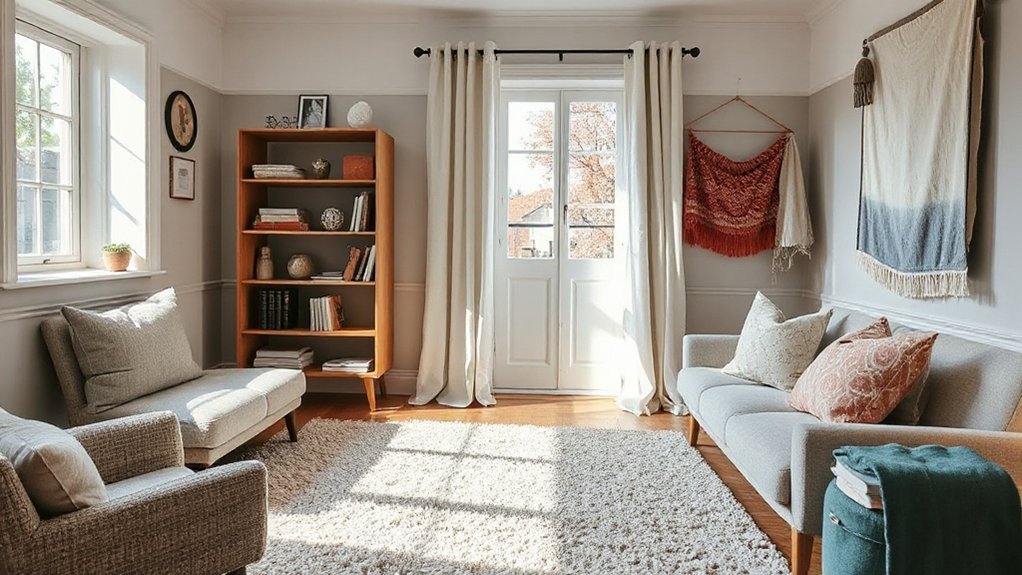
Texture and pattern add depth without risking wall damage, so you can upgrade your space without commitment. Use removable options like wall decals, fabric panels, and textured textiles to create visual interest that reads as dimension.
Pair subtle patterns with solid neutrals and smart lighting to keep the look cohesive and renter-friendly.
Texture Adds Depth
Texturing walls can add instant depth without committing you to permanent changes. You’ll leverage texture to create visual interest while keeping walls damage-free and easy to revert. Focus on achievable, noninvasive options that emphasize textural contrast and tactile layering.
- Use removable fabric or wallpaper panels with subtle grain or woven patterns to introduce dimension without glue-heavy commitment.
- Add 3D wall decals or lightweight molding accents that press on and remove cleanly, enhancing shadow play and depth.
- Layer textiles near walls—tossed blankets, tapestries, or canvas hangings—paired with varying finishes to create tactile contrast.
Keep color consistent, measure wall areas, and test samples before full application. This approach yields depth through texture, not permanence.
Pattern Without Damage
Pattern adds interest without denting your walls by combining nonpermanent textures with simple shapes or grids. You’ll layer removable decals, temporary wallpaper, and soft fabrics to create pattern without nails.
Choose patterns that repeat in small scales, so they don’t overwhelm a room or call attention to walls. Use low-adhesion organizers, washi tape, and peel-and-stick stencils for defined lines without commitment.
When you mount, stay within existing trim to reduce patchwork later, and remove before you move. Rotate pieces quarterly to refresh the look without damage.
For protection, select fabrics with stitched edges and avoid sewing directly onto walls. Pattern protection comes from clean surfaces and proper removal; Damage prevention rests on nonpermanent methods, precise placement, and timely maintenance.
Lighting Upgrades That Transform a Space Without Permanent Changes
If you want your rental to feel brighter and bigger without risking security deposits, start with smart lighting choices that aren’t permanent. You’ll gain ambiance, adjust mood, and avoid wall damage. Keep fixtures flexible and reversible, using portable options that spotlight focal zones. Combine lighting with decor to enhance perceived space and texture.
1) Use floor lamps with dimmers to layer light without taps or switches on walls.
2) Add LED strips under shelves or behind furniture for glow that expands ceilings and corners.
3) Choose warm-to-neutral bulbs and accent light on indoor plants and vintage furniture to enrich depth and color.
These strategies work with vintage furniture and indoor plants, elevating atmosphere while staying rental-safe and affordable.
Wall Storage and Display Ideas That Protect Your Walls
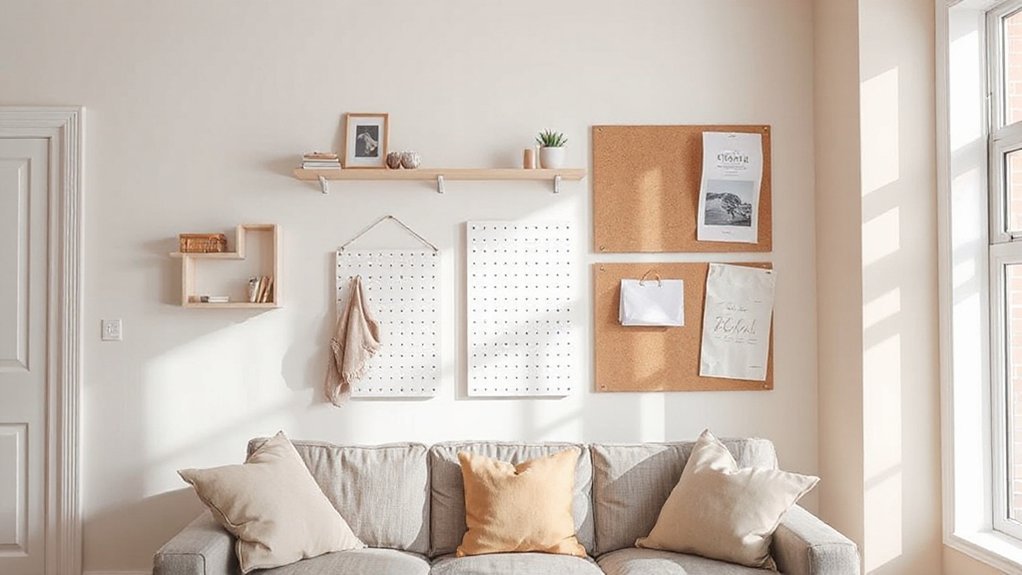
Think through wall-friendly shelving and damage-free hangers that still give you storage and display options without nails. You’ll want options that grip or mount gently, so you protect paint and paper.
Start by evaluating weight limits and wall types to choose the right system for your space.
Wall-Friendly Shelves
When you decorate a rental, choosing wall-friendly shelves helps protect paint and plaster while still giving you style. Solid, lightweight options with modular brackets reduce damage and let you reconfigure as you settle in. Use shelves that mount with minimal fasteners or peel-and-stick tracks rated for weight you’ll load. Keep displays simple to avoid wall fatigue: rotate items, not shelves, to refresh the look.
- Floating plants and small accents sit neatly on open shelves, adding life without crowding walls.
- Use wall decals near shelves to define zones without drilling, keeping decor flexible.
- Pair slim brackets with shallow shelves for a clean, uncluttered silhouette that transfers easily.
These tactics maintain utility, protect walls, and keep your space adaptable.
Damage-Free Hangers
For art or photos, lean toward wire + frame supports that don’t require wall punctures, and keep strings tight to avoid sag. Employ wall decals and non-permanent adhesives to create sections for notes, calendars, or mini galleries, then swap as moods change.
Label zones so you don’t overpack a single area. Reposition frequently, and store hardware in a box labeled by room. With careful planning, you preserve walls while achieving organized, adjustable storage.
Rent-Friendly Decor Dos and Don’ts to Safeguard Your Deposit
Rent-friendly decor isn’t about patching over defects; it’s about choosing temporary, damage-minimizing options and smart placements that preserve your deposit. You’ll stick to rental-approved options, avoid adhesive damage, and plan swaps that wash out with move-out. To keep the space stylish and compliant, prioritize reversible changes and clear labeling when needed.
- Use removable hardware and non‑scarifying solutions for shelves, hooks, and art.
- Opt for fabric or removable wallpaper accents, plus potted indoor plants, avoiding water leaks and staining.
- Respect the rule of thumb: preserve original finishes, document condition, and revert everything before you leave.
Tailor ideas around vintage accents and indoor plants to add character without committing permanent changes.
Packing up With Style: Restoring the Space for Move-Out
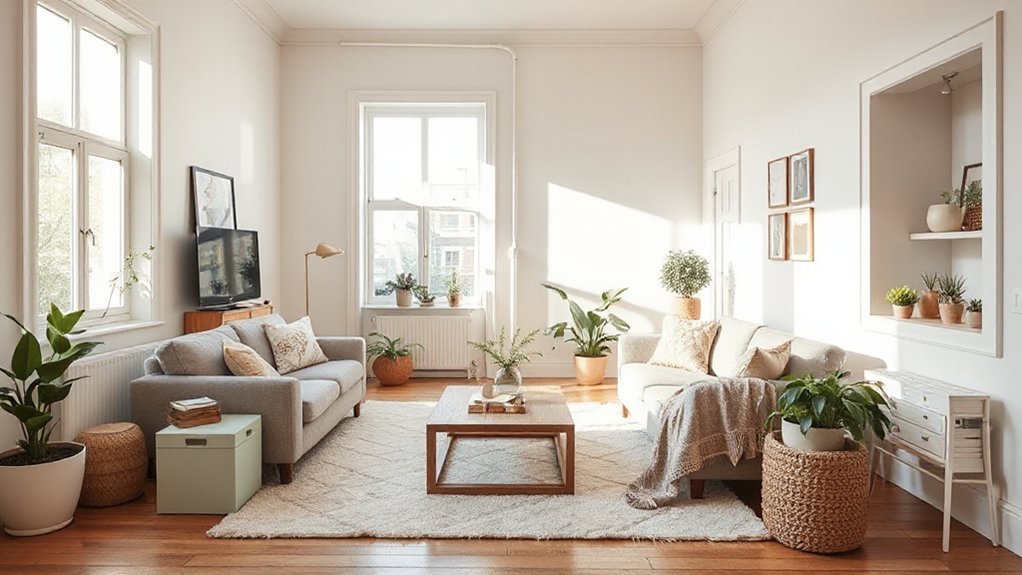
Packing up with style means you finish the move with the same care you showed for decorating: restore the space so it mirrors its original state while keeping found-and-loved details out of the way.
To move out cleanly, plan a quick purge of belongings you won’t miss, then label boxes clearly so you can reverse the process later.
Use creative storage tricks to minimize clutter during a final walkthrough: stackable bins, under-bed totes, and door hooks keep items organized without damaging walls.
When you remove temporary wallpapers, do so gently, score and peel if needed, and touch up with matching paint. Leave minimal marks, and document return conditions with photos.
A tidy, well-documented exit preserves your deposit and your reputation.
Frequently Asked Questions
How Can I Hang Art Without Leaving Holes or Marks?
You can hang art without holes by using temporary wall hooks or Command strips. Choose lightweight frames, apply strips to both the frame and wall surface, press firmly for a full 30 seconds, and hold off on removing for the recommended cure time.
Plan placement at eye level, test with gentle pressure, and avoid painted wallpaper.
When removing, pull slowly at a 45-degree angle to minimize residue. Store strips for future reuse.
What Are Budget-Friendly Renter-Friendly Rug Options?
You’ll find budget-friendly options like area rugs and carpet tiles give big impact without breaking the bank. Look for durable, stain-resistant materials in neutral tones to blend with most walls.
Consider carpet tiles for easy replacement and added padding underfoot. Use non-slip pads to prevent shifting and protect floors.
Measure rooms accurately, buy slightly oversized for a snug fit, and choose modular tiles for simple customization and quick DIY installation.
Can Removable Wallpaper Protect Walls During Moves?
Yes, removable wallpaper can protect walls during moves. Use temporary wall coverings that peel off without residue, and apply Damage free hanging methods for extra protection.
Choose lighter patterns to avoid bulk, and pre-measure corners to prevent stretching. When packing, leave some wallpaper on intact areas to cushion edges, then remove after unload.
Keep a small edge guard handy for door frames. You’ll save touch-ups and minimize damage while staying renter-friendly.
How Do I Store Decor Without Overloading Shelves or Walls?
To store decor without overloading shelves or walls, you should use temporary storage strategies and creative organization.
Group items by weight, size, and frequency of use, then stack light pieces on lower shelves and store bulkier items in labeled bins.
Use wall-mounted hooks only for lightweight decor, not heavy items.
Rotate seasonal pieces to keep displays fresh, and label everything clearly.
Plan ahead, declutter regularly, and compress flat items when possible to save space.
Are There Rental-Approved Magnetic or Adhesive Wall Solutions?
Yes—you can. For rental-friendly walls, try temporary adhesive hooks and magnetic paint options. Quick, practical, and minimally invasive, they let you swap accents without nails.
Place sturdy hooks along studs for heavier pieces, and use magnetic paint or strips to hold lighter art or photos.
Remember to test surfaces first and follow weight limits. When you switch decor, reuse hooks or magnets, keeping walls clean and damage-free.
Conclusion
You’ve got the ammo to transform your rental without leaving a mark. Imagine returning the space exactly as you found it, plus a little personal polish you loved. As you pack, every item should feel reversible, every surface pristine. But what about that final reveal—will your landlord notice the care you took, or simply the better, brighter home you created? Stay ready to restore, and let the memory of your stylish, damage-free stay linger long after you move.
About the Author