
Did you know most of your energy loss happens at the envelope and with old controls, not just big-ticket equipment? You’ll want a practical, data-driven plan that pins down leaks, boosts insulation, and then locks in savings with smart thermostats and efficient appliances. Visualize a phased 12-month budget that targets payoff timelines, rebates, and measurable metrics. Curious how to turn those steps into repeatable gains without breaking the bank? Let’s map it out.
Key Takeaways
- Prioritize high-impact upgrades: improve heat loss/air leakage, upgrade to heat pumps with smart thermostats, and replace aging water heaters with efficient models.
- Seal and insulate: weatherstrip doors, seal window perimeters, and add attic insulation to meet climate-specific R-values.
- Deploy smart controls and efficient appliances: use smart thermostats, ENERGY STAR devices, and grid-responsive modes to cut 10–20% usage.
- Track utility data and rebates: monitor bills, usage, and peak periods; pursue utility/manufacturer rebates with documentation.
- Plan in 12-month phases: baseline audits, insulation checks, then scalable upgrades with dashboards to compare projected vs actual savings.
Start With Big-Win Upgrades for 2026 Energy Savings
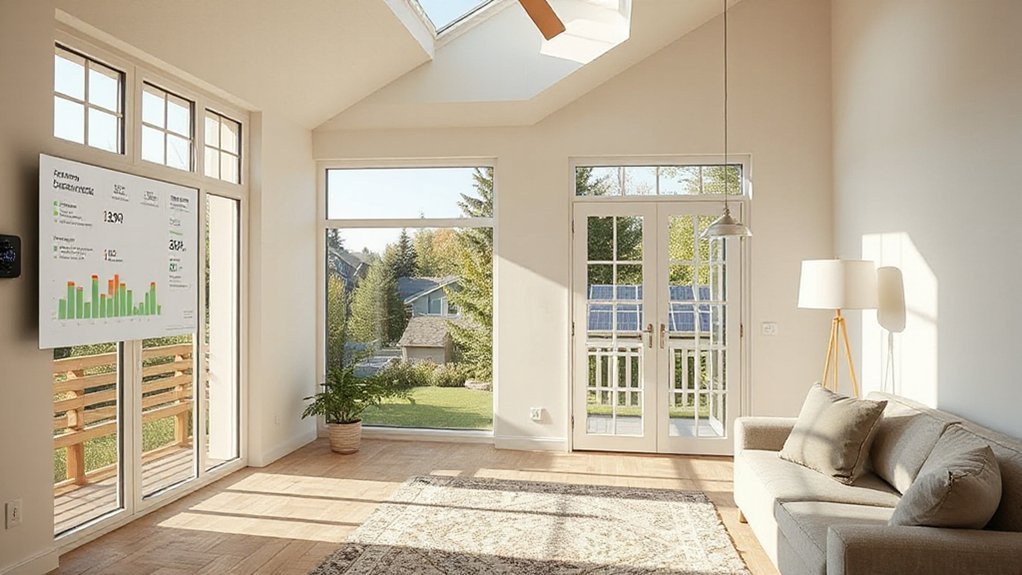
Start with big-win upgrades that deliver the largest, fastest energy savings. You’ll trim bills by targeting heat loss and efficiency bottlenecks first, then validate gains with energy monitoring data.
Prioritize cooling and heating efficiency to exploit renewable sources whenever possible, such as heat pumps paired with high-performance thermostats.
Replace aging water heaters with modern, efficient models and install smart controls that adjust based on occupancy and weather forecasts.
Upgrade to LED lighting and time-of-use-aware electronics to reduce baseline draw.
Use appliances with high Energy Star ratings and seal air leaks around major ducts and zoning issues.
Track metrics—monthly usage, temperature setpoints, and runtime—so you can see tangible reductions and iterate.
The result: measurable, scalable savings powered by renewable sources and precise energy monitoring.
Seal and Insulate: Doors, Windows, and Attic for Comfort and Savings
Sealing and insulating doors, windows, and the attic cuts heat loss at its source, delivering immediate comfort and lower bills. You’ll notice tighter thresholds on drafts, steadier indoor temperatures, and measurable gains in comfort hours.
Start with door weatherstripping: choose a stick-on or compression type, apply along the door jamb, and test with a simple lighted match—watch for gaps >1/8 inch.
Next, seal window perimeters with low-expansion polyurethane foam in larger cracks, plus weatherstripping on operable sashes where needed.
For the attic, install attic insulation to meet recommended R-values for your climate, ensuring an even thickness and proper ventilation. Verify gaps around penetrations with caulk or foam.
The result: reduced heat transfer, clearer comfort zones, and more predictable energy use year-round.
Smart Thermostats and Efficient Appliances That Cut Bills
Smart thermostats and efficient appliances directly reduce energy use by matching demand to actual need and running only what’s necessary. You’ll see better control with programmable schedules, occupancy sensing, and real-time data dashboards that show cooling, heating, and appliance loads side by side.
With efficient units, you minimize standby power and optimize cycling, which lowers peak demand and your bill. A smart thermostat blends weather, occupancy, and utility signals to adjust setpoints intelligently, while ENERGY STAR-certified appliances cut consumption without sacrificing performance.
Embrace a smart grid mindset: devices respond to grid signals during high-cost periods, supporting renewable integration and grid reliability.
Visualize gains through monthly charts, target a 10–20% reduction in daily usage, and tune settings for seasonal shifts.
Read Your Utility Data and Snag Rebates to Pay for Upgrades
Reading your utility data is the quickest way to verify savings from upgrades and identify the best rebates to chase. You’ll spot trends in energy use, pinpoint peak hours, and quantify payback with clear numbers.
Gather monthly bills, energy dashboards, and past meter reads to build a baseline you can compare against after upgrades. Focus on utility data that shows consumption, demand, and cost per kWh; this highlights where small changes deliver big returns.
Then explore rebate programs offered by your utility, manufacturers, and local governments. Map eligible items to incentives, noting eligibility, caps, and timelines.
Apply early, document savings, and keep a simple tracker to ensure you maximize rebates while validating actual results.
Plan in Phases: A Practical 12-Month Budget for Home Upgrades
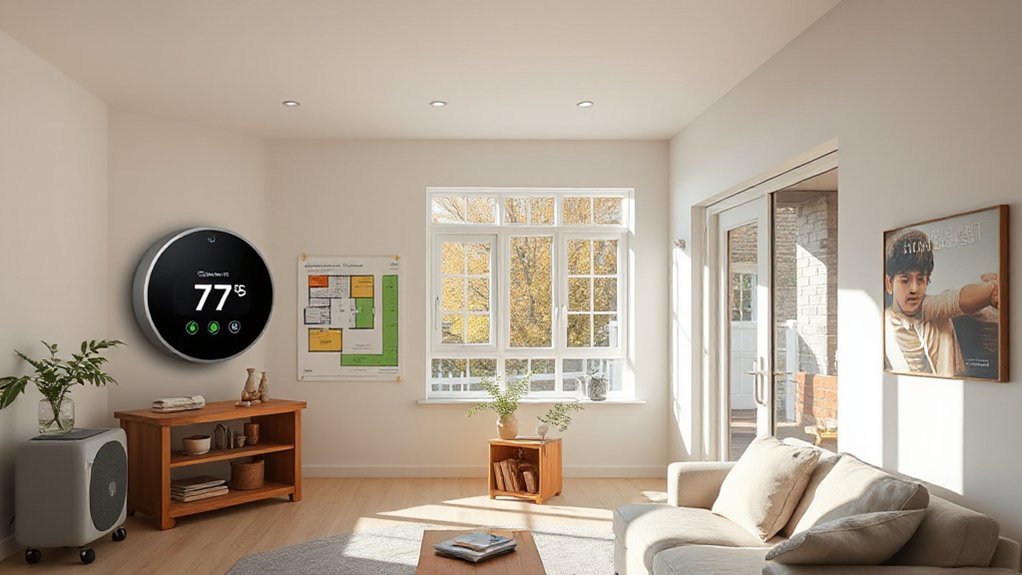
A practical 12-month plan keeps upgrades affordable and measurable, letting you pace investments while tracking impact. You’ll map 12 distinct phases, each with a concrete scope, cost ceiling, and expected energy return.
Begin with an alignment month: baseline audits, insulation checks, and window performance, then prioritize high-ROI moves. Use a monthly dashboard to compare projected versus actual spending, watts saved, and comfort gains.
Frame the plan around home automation milestones, like smart thermostats and zoning, so installation cadence stays clear. Allocate early budget for renewable energy feasibility tests, and reserve later months for equipment upgrades and system integrations.
Maintain visuals: charts of predicted savings, timelines, and after-action snapshots. This phase plan keeps upgrades transparent, scalable, and data-driven, guiding steady progress toward lower utility bills.
Frequently Asked Questions
How Do I Prioritize Upgrades for Maximum ROI in Year One?
Prioritize upgrades with the fastest, most verifiable returns. Start with Smart thermostats to cut HVAC waste, then target insulation and air sealing for ongoing savings.
Next, install solar panels if your roof and finances align; they reduce long-term energy costs and can boost value. Compare payback periods, utility rate forecasts, and climate data.
Avoid shiny gadgets; measure carbon, cost per kWh saved, and month-by-month bill impact to maximize year-one ROI.
Which Home Areas Deliver the Fastest Energy Payback?
Sun and savings clash: you’ll feel the heat of high bills, then the cool rush of fast payback.
You’ll install smart thermostats in major living areas and see rapid reductions, while insulated walls keep the warmth from slipping.
The fastest gains come from upgrades you can quantify: solar panels, efficient HVAC, sealing leaks.
You’ll compare monthlies, track kWh, and watch ROI tighten.
Practice precision: measure, compare, deploy, repeat.
Can Renters Benefit From Energy Efficiency Without Major Renovations?
Yes, renters can benefit from energy efficiency without major renovations. You’ll see lower bills through smart behavior and targeted changes.
Renting benefits include utility-embedded incentives and projected payback on simple upgrades you can discuss with your landlord.
Cost sharing opportunities exist for devices like programmable thermostats and LED upgrades.
Track your energy use with visuals, compare before/after data, and document savings to strengthen your case for collaborative improvements.
What Are Hidden Costs Beyond Installation and Equipment?
Did you know 60% of energy upgrades fail to deliver promised savings due to untracked costs? Hidden expenses show up as permit fees, inspection charges, and supplier price escalations.
You’ll face maintenance costs like filter replacements, part wear, and software updates. Plan for ongoing service contracts and potential retrofit adjustments.
Budget for hidden expenses, and track maintenance costs alongside installation savings to keep your efficiency project truly cost-effective.
How Long Before Rebates Actually Reduce Out-Of-Pocket Costs?
Rebate timing varies, but most programs refund within 4–12 weeks after you submit the required documentation. You’ll see reduced out-of-pocket costs as soon as your rebate is processed, then again when you claim it on your taxes if eligible.
For solid financial planning, assume a 6–8 week average and build a contingency. Track deadlines, keep receipts, and forecast cash flow with visuals showing expected refunds versus upfront costs.
Rebate timing drives your budgeting precision.
Conclusion
You’ll wrap 2026 with a tighter, smarter home. Picture the energy ledger as a compass, guiding every upgrade from sealing gaps to smart thermostats. Each data point is a spark—showing where heat leaks sleep and savings wake. With phased, budget-smart steps, you’ll watch bills shrink like ice in sun, while comfort rises. It’s precision, visuals, and practicality fused: a home that breathes efficiently, pays back faster, and stays consistently delightful through every season.
About the Author