
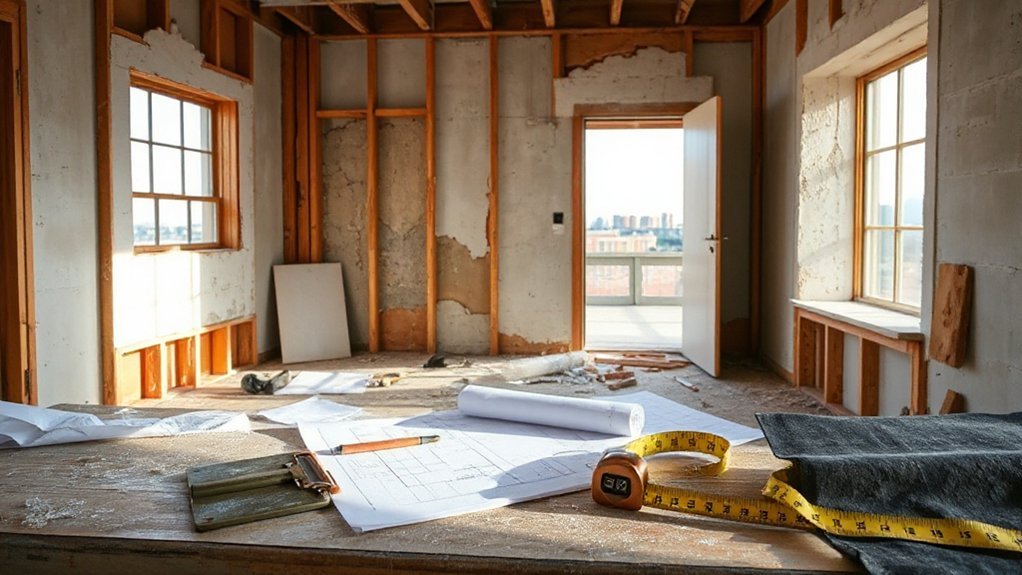
Like a chess move you saw in a game long ago, you’ll set a clear framework for negotiating a fixer-upper. You’ll lock budget caps, identify non-negotiables, and gather multiple contractor bids to ground every ask in reality. You’ll translate inspection findings into credits or contingencies, justify offers with local market data, and stay transparent with the seller. The path isn’t simple, and the key decisions you make next will shape whether the deal sticks or slips away.
Key Takeaways
- Build a data-driven framework with a clear scope, non-negotiables, and documented assumptions to guide practical negotiations.
- Gather multiple contractor bids to create a repair-cost baseline and anchor offers with credible figures.
- Identify red flags (structural, mechanical, safety) early, verify with licensed pros, and request credits or contingencies.
- Tie price and contingencies to verifiable repair needs, timelines, and warranties, supported by local comps and cost data.
- Verify final repairs, permits, title issues, and HOA or zoning constraints before closing to prevent post-sale surprises.
A Negotiation Framework for Fixer-Uppers

A solid negotiation framework for fixer-uppers starts with a clear, data-driven plan. You map project scope, asset value, and risks before ever making an offer, tying price to concrete costs and timelines.
You define non-negotiables, like essential repairs and regulatory hurdles, then identify concessions that won’t erode value. You weight buyer protections, contingency thresholds, and walk-away criteria so you aren’t blindsided by surprises.
Historic preservation informs your leverage: you highlight character features worth protecting, avoid over-improvement, and align with community standards to strengthen credibility.
Environmental considerations shape diligence, prompting environmental disclosures, drainage reviews, and insulation benchmarks that justify price adjustments.
You document everything, maintain calm tone, and disclose assumptions to preserve options, ensuring negotiations stay focused, practical, and outcome-driven.
Build a Repair-Cost Baseline With Contractor Bids
To put real numbers behind your offer, you’ll build a repair-cost baseline using contractor bids. Begin by gathering at least three bids for essential projects (roof, plumbing, electrical, HVAC, and cosmetic updates) to triangulate costs.
Ask each contractor for scope details, unit costs, contingencies, and a realistic timeline; request itemized line items to prevent vague totals. Compare bids not just on price but on approach, warranties, and communication.
Incorporate anticipated expenses for home staging and any property disclosures you’ll uncover during inspections, so you’re not blindsided later. Document assumptions and include a rider for post-inspection adjustments.
Use the baseline to craft a precise negotiation target, then anchor your offer with a credible, data-backed repair figure that reflects true market risk.
Red Flags That Impact Price: Structural, Mechanical, and Cosmetic Issues
Structural and mechanical red flags can hit your bottom line fast, so you should spot issues like cracks in load-bearing walls, uneven floors, corroded pipes, and outdated systems early.
These problems often hide costly repairs, so you’ll want to verify with a licensed pro and get solid bids before you commit.
Structural Red Flags
Look for framing rot, past overhauls, and signs of moisture intrusion—water leaks, efflorescence, or stained ceilings—that hint at long‑term damage.
Wiring and plumbing deserve scrutiny, too; old panels and corroded pipes can trigger hefty upgrades.
Prioritize items with the greatest impact on safety and stability, and quantify repair estimates before making an offer.
As you negotiate, weave practical concerns into your offer, like garden landscaping adjustments or interior decor changes you’ll want to tackle after stabilizing the structure.
Stay precise, informed, and ready to walk away if red flags outweigh value.
Mechanical Red Flags
Cosmetic flaws catch the eye, but mechanical issues quietly drive up costs and halt projects. You’ll want to verify major systems early, because hidden failures can derail a deal after closing.
Inspect the furnace, water heater, and electrical panel for age, capacity, and code compliance; replacements can cost you thousands. Look for signs of leaks, inadequate ventilation, and drainage problems that hint at mold or structural stress.
Mechanical red flags often unfold in phases: worn components, then cascading failures, then higher insurance and financing friction. Historical trends show systems rarely fail in isolation, so budget for simultaneous fixes.
When negotiating, address financing options that cover immediate repairs, not future surprises. Document findings, request credits, and embed contingency allowances to protect your price and timeline.
Translate Repairs Into an Offer: Contingencies and Price Adjustments
When you translate repairs into an offer, you’ll anchor the deal to reality by tying price and contingencies to verifiable needs rather than vague optimism. You’ll itemize fixes with certified estimates, attach them to a clear price adjustment, and set contingencies that protect you if work isn’t completed or quality falters.
Prioritize major, non-negotiable repairs and propose credits or price reductions for cosmetic items you can handle later. Specify a realistic timeline and require seller cooperation for access and warranties.
Use home staging insights to visualize value changes against cost. Consider mortgage options that tolerate contingencies and short timelines, avoiding overextension.
Keep negotiations precise: document, verify, and request documented workmanship, guarantees, and a revised appraisal if needed.
Use Local Market Data to Price Your Fixer-Upper Bid
To price a fixer-upper bid accurately, pull recent local comps that reflect how much buyers actually pay for similar fixes in your area, not just asking prices. You’ll compare finished costs and sale prices for homes with comparable renovations, adjusting for scale, quality, and timing.
Use Market trends to gauge how renovation demand shifts value now, and spot which fixes yield the strongest resale premium.
Do a Neighborhood analysis to confirm your target price aligns with nearby sale prices, durations, and buyer sentiment. Don’t rely on national averages—local data drives credibility and offers.
Then anchor your bid by showing how each major repair affects value, liquidity, and risk, so you negotiate from a position grounded in current, actionable numbers.
Craft Transparent Seller Communications That Protect Your Interests
Transparent seller communication is essential to protect your interests while you navigate a fixer-upper deal. You’ll establish clear expectations from the start by outlining what you know, what you don’t, and how you’ll verify issues.
Emphasize seller honesty in disclosures and request written responses to key questions about structural, systems, and code concerns. Tie every claim to documentation—inspection reports, permits, repair receipts—and insist on disclosure transparency in every meeting and email.
Use precise language: dates, defect specifics, and remediation timelines. Set a cadence for updates, so discoveries don’t derail progress.
Frame requests as mutual safeguards rather than confrontations, and keep emotion out of negotiation notes. This disciplined transparency reduces surprises, speeds due diligence, and strengthens your leverage when negotiating contingencies and repair credits.
Smart Negotiation Tactics to Keep the Deal Alive
Smart negotiation tactics keep the deal alive by focusing on practical levers that matter to both sides. You’ll anchor value in verifiable items, like timelines, contingencies, and scope clarity, so you avoid stalemates.
Start with a detailed inspection summary, highlighting repair costs and potential upsides. Then propose phased concessions tied to milestones.
Emphasize historic preservation elements where applicable, framing compliance as a shared benefit rather than a burden.
When discussing landscaping enhancements, offer cost-effective upgrades that improve curb appeal without inflating price, creating a win-win optics for both parties.
Use a neutral, data-driven tone, presenting competing estimates side by side to reduce guesswork.
Keep requests specific, measurable, and time-bound, ensuring each party can verify progress.
If a roadblock appears, switch to alternatives that preserve momentum without overpaying.
Escalation Clauses and Tie-Breakers for Fixer-Uppers (Without Overpaying)
Escalation clauses and tie-breakers can keep a fixer-upper deal from derailing when price gaps pop up, yet they won’t blow your budget. You use them to cap increases and preserve leverage without overpaying for cosmetic swings or competing bids. Set a clear ceiling, define how much above the offer you’ll tolerate, and require verification of competing bids.
Tie-breakers like flexibility on possession dates or closing timelines can win without cash overkill. When evaluating additions, screen for hidden costs tied to luxury upgrades that inflate value but not function.
Also check zoning restrictions early: if upgrades require variances or setbacks, you may face delays or renegotiations. This clarity helps you negotiate confidently and avoid costly surprises after contract.
Handling Inspections and Post-Offer Renegotiations Gracefully
During inspections, lock in timing to avoid delays and align report delivery with your decision deadline.
Use clear renegotiation triggers after the findings and document every requested change with precise, credible evidence.
Keep your requests focused on verifiable items and attach photos, contractor estimates, and scope notes to strengthen your case.
Inspections Timing Strategies
Inspections timing is about pairing momentum with diligence: you want to uncover deal-breaking issues early without derailing the negotiations. You plan Inspection scheduling to maximize insight and minimize delays, so set a concrete window after you’ve written the offer but before contingencies spiral.
Align the vendor’s access with your contractor’s availability, and confirm who’ll be present for key features. During the visit, jot precise notes on structural, mechanical, and safety items, then translate findings into actionable priorities.
Use timing negotiations to push for reasonable remediation or credit, not punishment. Communicate clearly with the seller about expectations, milestones, and deadlines, maintaining a collaborative tone.
Avoid overreacting; focus on material defects and fair solutions that keep your closing on track.
Renegotiation Triggers After Reports
When a report comes back with defects, you don’t sit on your hands—you set clear triggers that prompt fair renegotiation rather than blame.
You translate repair report insights into actionable terms, focusing on changes that preserve value and minimize risk. Your goal is to reframe the deal, not rehearse fault.
- List minimum repairs and associated costs, tied to purchase price adjustments.
- Establish acceptable post-inspection contingencies, with realistic timelines and credits.
- Define cap on future fixes, separating cosmetic items from structural concerns.
These renegotiation triggers keep discussions constructive, enabling you to secure fair concessions without derailing the deal.
Stay precise, document every pact, and revisit terms only as repairs progress.
Documentation For Credible Changes
Clear documentation is your backbone for credible changes, especially after inspections or when negotiating post-offer concessions. You’ll assemble a tidy packet: inspection reports, repair bids, photos, and a candid impact assessment.
Present each item with a short, objective summary that ties every issue to a specific dollar figure and a realistic timeline. Keep language concise, avoiding hype, so the seller sees your positions as grounded.
Use a neutral tone when describing repairs, potential hazards, and compliance steps, and attach neighborhood comparison data to show value context.
Include a brief note on how home staging can influence perceived value, even when you’re negotiating repairs. This disciplined record strengthens credibility and supports measured concessions.
Final Checks Before Closing on Your Fixer-Upper
Before you close, run through a tight final checklist to protect your investment and avoid costly surprises: verify that all agreed-upon repairs are completed, review contractor invoices for accuracy, and confirm permits and disclosures are in order.
You’ll want to confirm historical property considerations aren’t overlooked, and that zoning regulation impacts won’t derail your plans after closing. This is your last chance to catch mismatches between scope and payment, latent code issues, or disclosure gaps that could cost you later.
1) Double-check permits, licenses, and approved inspections; obtain copies for your records.
2) Reconcile invoices with the original scope, noting any change orders and approved extras.
3) Confirm title insurance, HOA rules if applicable, and any historical preservation constraints that affect future renovations.
Frequently Asked Questions
How Soon Should We Schedule Repairs After Closing?
Schedule repairs as soon as you close, ideally within two to four weeks, so you don’t delay move-in or incur storage costs.
Create a Renovation timeline with concrete milestones, and prioritize safety and essential systems first.
Use Repair prioritization to list items by impact and cost, tackling critical fixes before cosmetic ones.
Coordinate with your contractor, secure permits if needed, and set milestones and payment triggers to stay on track and protect your investment.
Can I Negotiate Price Before an Inspection?
Yes, you can negotiate price before an inspection, but it’s risky. Focus on pricing flexibility and set clear conditions if the inspection reveals needed work.
You’ll want a strong offer with a contingency tied to inspection timing, allowing price adjustments or credits after findings.
Be prepared to justify your number with market data, repair estimates, and recent comps.
Stay concise, proactive, and collaborative to avoid stalling the deal.
What Contingencies Best Protect Fixer-Upper Buyers?
You should include a thorough financing contingency and a repair contingency to protect yourself. Use a mortgage options plan to line up funding if the appraisal lands low.
Add a seller’s credits and a cap on how much you’ll cover for repairs. Pair this with staging strategies to help you see value clearly, then insist on inspections.
This approach keeps contingencies practical, concrete, and enforceable, while boosting your negotiating leverage.
How Do I Compare Contractor Bids Effectively?
When you compare bids, treat each one like a blueprint, a map guiding your renovation budgeting. You’ll look beyond price to scope clarity, line-item detail, and assumed timelines.
Check materials, warranties, and the contractor’s progress tracking. Prioritize supplier questions, change-order policies, and lien waivers.
Use a side-by-side grid, rate each factor, and score consistency. It makes contractor selection practical, precise, and persuasive, helping you choose the bid that fits your budget and your vision.
When Is It Worth Asking for Seller Credits?
You should ask for seller credits when you detect strong motivation to move, a dated listing, or credible repair estimates that exceed your renovation budgeting.
If seller motivations align with a quick close or price flexibility, requesting credits can keep the deal intact.
Present precise numbers, backed by bids and contingency plans.
Use credits to cover closing costs or specific repairs, and show you’ve prepared a feasible renovation budget to justify the concession.
Conclusion
You want a fixer-upper deal that survives the zombie apocalypse of give-and-take? Then negotiate like a surgeon with a hammer. Build your baseline, vet every crack, and translate fixes into dollars. Use real-market data, not fairy-tale wishlists, and keep contingencies handy like spare paint in the shed. Stay transparent, document everything, and don’t fear a counteroffer. If it survives inspections and escalation clauses, you’ll actually close—without overpaying, or pretending every squeak is a treasure.
About the Author