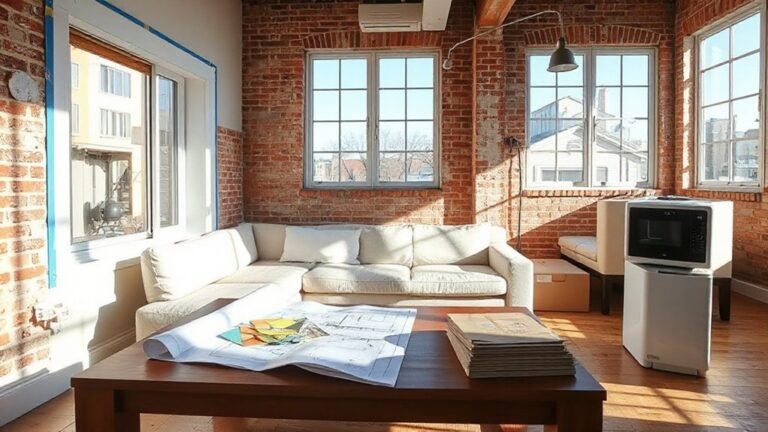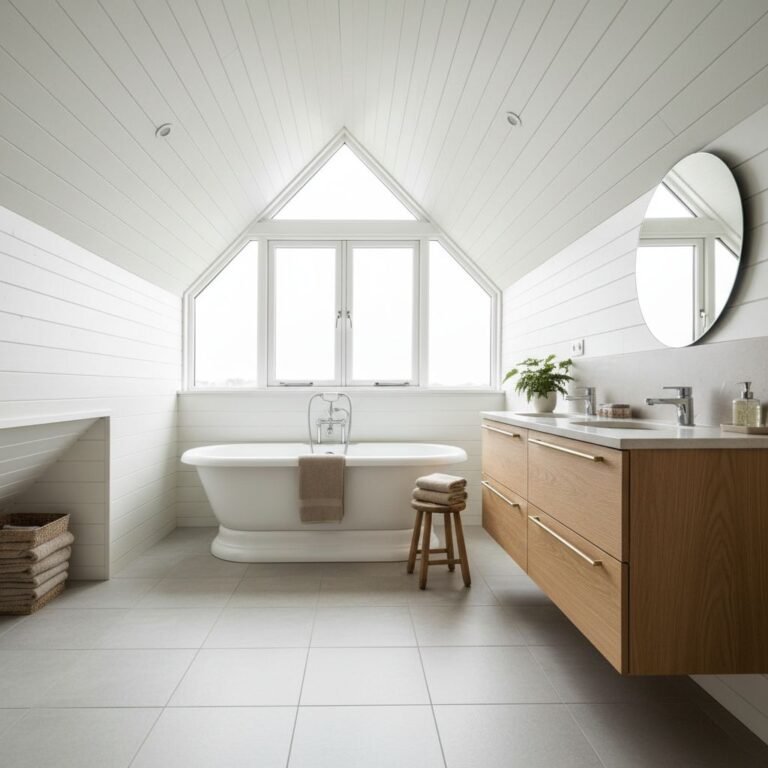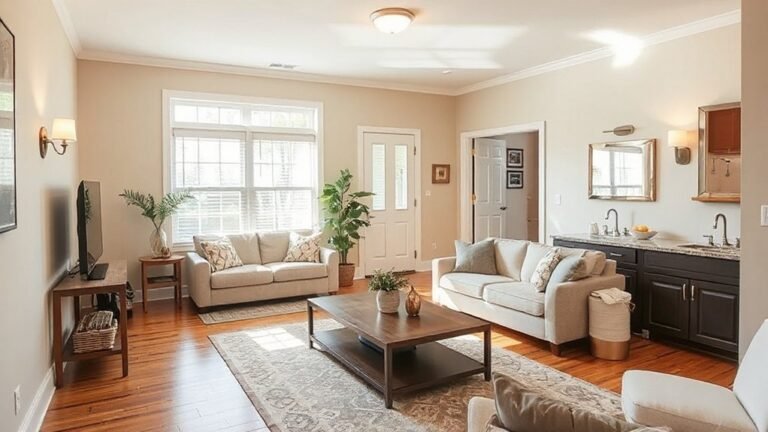
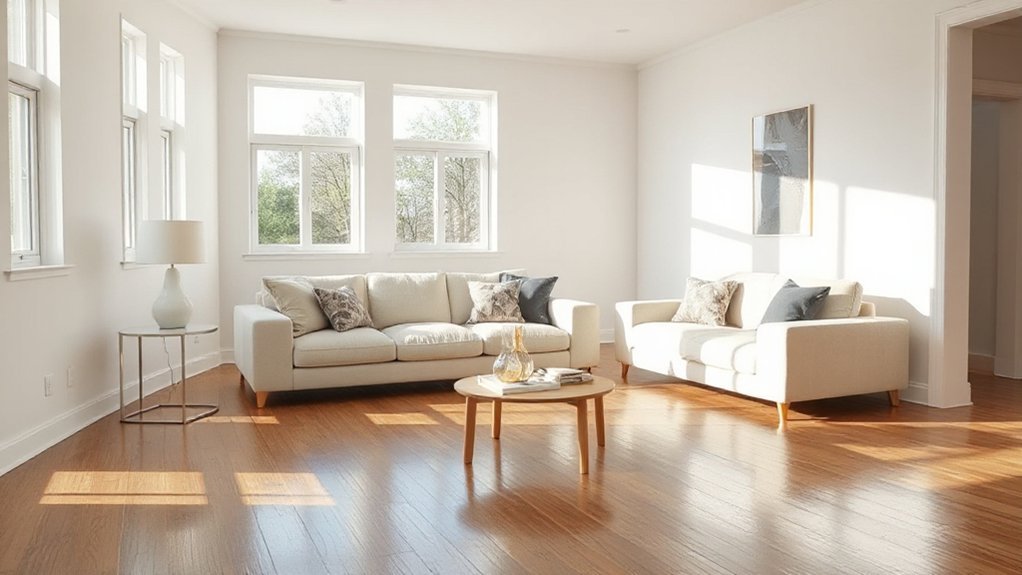
Price it right from Day One using current comps, recent sales, and days-on-market trends, then set a minimum acceptable price and a target for multiple offers. Prioritize high-impact repairs, cosmetic updates, and safety fixes, while documenting permits. Boost curb appeal with clean exteriors, smart landscaping, and welcoming lighting. Stage clean, neutral interiors and capture photography that highlights space. Prepare disclosures and align closing docs early. Timing matters—launch when buyer activity peaks and be ready to respond to bids quickly. There’s more to sharpen your edge as you move forward.
Set the Right Price From Day One
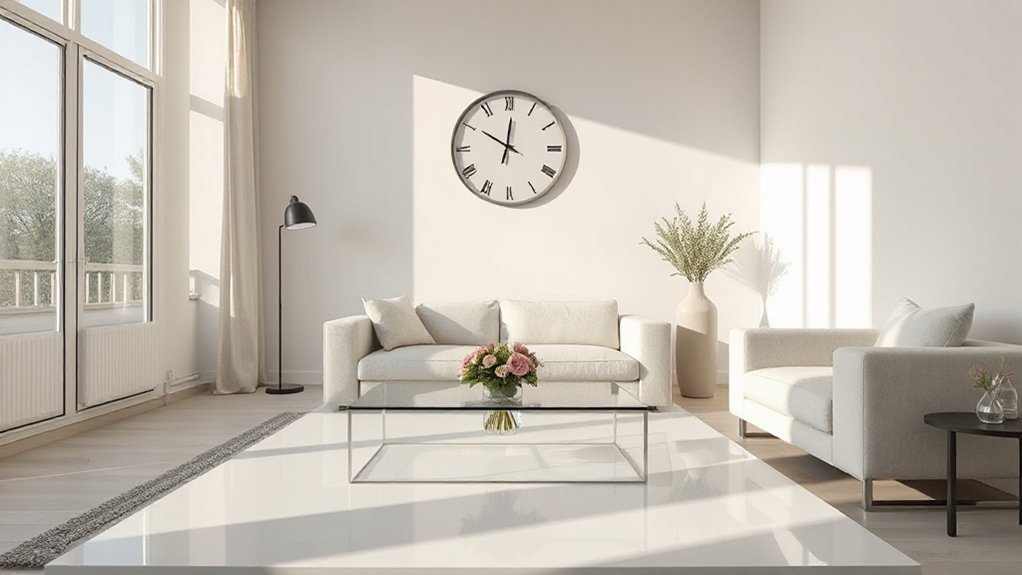
Pricing a property correctly from the start isn’t optional—it’s essential. You set the tone for the entire listing by anchoring your price to a solid Pricing strategy and thorough market analysis.
Begin with current comps, recent sales, and days-on-market trends to establish a realistic range. Identify your minimum acceptable price and a target to attract multiple offers without underselling.
Consider inventory levels, seasonal demand, and local appraisal norms to fine-tune your number. Communicate value clearly, linking features, condition, and recent upgrades to the price point.
Reassess if new data emerges, especially after showings or feedback. A precise initial price reduces negotiation length, speeds interest, and improves perceived fairness, helping you attract serious buyers while preserving your bottom line.
Prioritized Repairs That Increase Your Home’s Value
Prioritized repairs focus your budget on the areas that buyers notice first, starting with essential cosmetic updates that refresh the look without overhauling the whole home.
Then tackle structural and safety priorities to protect value and guarantee a solid selling point.
Followed by high-impact mechanical fixes that reduce post-sale surprises.
Essential Cosmetic Updates
To maximize buyer appeal without breaking the bank, focus on essential cosmetic updates that deliver the highest return: fresh paint in a neutral palette, updated lighting, clean and functional bathrooms, and well-kept kitchens.
You’ll achieve immediate impact with simple, low-cost fixes that feel brand-new. Prioritize Cosmetic enhancements that brighten spaces, create flow, and reduce perceived risk for buyers. Opt for energy-efficient bulbs, modern fixtures, and cohesive finishes that read as move-in ready.
Declutter surfaces, refresh hardware, and repair minor flaws—stains, scuffs, or uneven caulk—that signal upkeep. Visual upgrades don’t require major renovation; they require deliberate choices that elevate perception of space and quality.
Document updates to reassure buyers, and avoid overfitting rooms with personal decor.
Structural and Safety Priorities
Structural and safety concerns should be addressed first because they directly affect livability and risk, even before cosmetic tweaks. You’ll prioritize issues that buyers notice most: foundation stability, structural integrity, and fire safety.
Begin with a professional assessment to confirm load paths and any settlement signs. Then address cracks, sticking doors, and uneven floors that undermine confidence.
Next, verify grading, drainage, and gutter alignment to prevent water intrusion near the foundation.
Update or repair essential systems only if they impact safety or habitability, avoiding cosmetic detours. Install or upgrade smoke and CO alarms, ensure clear egress, and verify fire barriers where required.
Document repairs with permits and inspections to bolster trust, so negotiations focus on value rather than uncertainty.
Prioritizing these elements reduces risk and accelerates smoother offers.
High-Impact Mechanical Fixes
You’ve addressed the big structural and safety items, now focus on the mechanical fixes that buyers value most and that move offers faster. Prioritize high-impact updates to mechanical systems that commonly deter offers if aging or inefficient. Budget for targeted upgrades that yield strong perceived value without over-investing.
Start with the essentials: efficient heating and cooling, reliable hot water, and proper ventilation. Assess the electrical service and ensure breakers and outlets meet modern needs. Consider appliance upgrades that appeal to buyers seeking modern convenience, such as energy-efficient refrigerators or smart thermostats.
Replace worn components in plumbing and ensure no hidden leaks, which can erode buyer confidence. Document warranties and maintenance records to demonstrate ongoing care. These moves minimize friction and elevate overall home performance.
Curb Appeal Tricks That Stop Buyers in Their Tracks
First impressions matter, and curb appeal sets the tone before buyers even step inside. You’ll grab attention with clean fascia, trimmed hedges, and a focal entry that signals care.
Use landscaping ideas that guide the eye toward the door: a simple path, strategic planting, and seasonal color that doesn’t overpower the home’s architecture.
Exterior lighting should enhance safety and highlight key features without glare; install low-level path lights and a warm porch glow to invite exploration after dark.
Replace worn house numbers, refresh the mailbox, and fix loose shutters to convey reliability at a glance.
Keep clutter away from the entry and guarantee sounds of a quiet yard—muttering irrigation, trimmed lawn, and clear sidewalks.
Precise presentation outpaces vague promises in the buyer’s mind.
Stage for Maximum First Impressions on a Budget
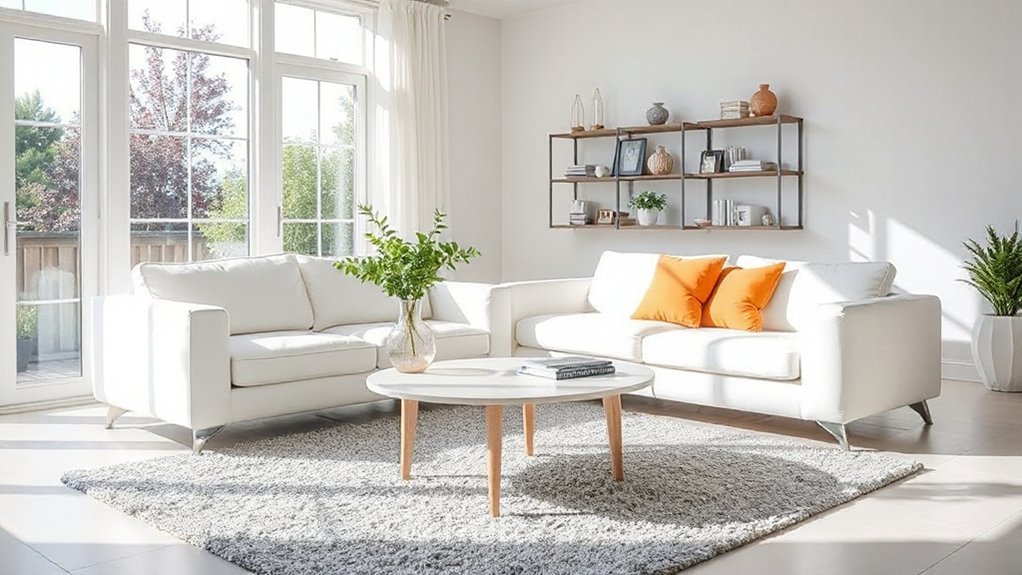
To make a strong first impression on a budget, focus on a few high-impact, low-cost updates that buyers notice within seconds. Prioritize curb-appeal tweaks, then move indoors with clean lines and purposeful touches.
Quick wins include fresh paint in neutral tones, updated lighting, and decluttered, airy spaces. Fix squeaks, tighten trims, and replace old hardware with modern, affordable options.
For exterior impact, concentrate on garden landscaping at entry zones: trim hedges, add fresh mulch, and plant a few color accents to frame the door.
Inside, apply cohesive interior decor by coordinating textiles, accents, and art for each room. Keep traffic patterns clear and staging minimal yet intentional, so buyers envision living there without distraction.
These steps maximize value without overspending.
Take Photos and Videos Buyers Can’t Ignore
Staging for photos, lighting, and angles sets the stage for all your listings, so you start strong with every shot. You’ll maximize appeal by highlighting clean lines, balanced lighting, and angles that showcase space and flow.
Let’s discuss how to pair these elements with purpose to create visuals buyers can’t ignore.
Staging For Photos
Are your listing photos selling the home before buyers even step inside? Staging for photos means you present rooms at their best, with clean lines and purposeful decor. Prioritize clutter-free spaces, balanced furniture, and open sightlines that guide the eye through each shot.
Focus on cohesive interior decor that feels modern yet timeless, avoiding personal mementos. Use neutral tones as a base, then add strategic pops of color in textiles and art.
Yard and entryway shots should hint at curb appeal, including garden landscaping that looks manicured but natural. Plan shots to emphasize room proportions and function, not overcrowding.
Pay attention to lighting, reflections, and angles only as they relate to staging choices. Maintain consistency across rooms to convey a polished, high-value home.
Lighting And Angles
Use Camera angles that flatter layouts: shoot corners, doorways, and entryways to guide the eye through each room. Keep lines straight, walls uncluttered, and ceilings high in perspective shots.
For kitchens and baths, capture clear countertops and fixtures without distortion, and highlight storage beneath cabinets.
Exterior photos should include a welcoming approach, with staged entry and curb appeal.
Finally, mix wide establishing shots with tight detail captures to convey scale and function, ensuring buyers grasp how spaces meet daily needs.
Write a Compelling Property Description That Sells
You’ll attract serious buyers by highlighting the space’s best features and what it makes easy to live here, from a sunlit kitchen to a quiet, low-maintenance yard. Your description should be concise, precise, and purpose-driven, guiding readers to envision daily life in the home. Lead with the standout spaces, then quantify benefits: flow between living areas, storage capacity, updated systems, and flexible rooms that adapt to work or family needs. Weave in Outdoor landscaping to signal curb appeal and easy upkeep, and mention Home security features as reassurance for peace of mind. Use active verbs, omit fluff, and avoid generic superlatives. Close with a clear call to action, inviting a viewing or further information to convert interest into offers.
Open Houses and Showings That Convert Offers
To turn the momentum from a strong property description into real offers, you should plan open houses and showings that feel inviting and efficient for buyers. Begin by aligning showings with neighborhood trends so visitors sense the property fits the area’s rhythm. Schedule peak times when foot traffic is highest and buyers’ agents are most active, minimizing wait times and maximizing exposure.
Provide a clean, logical flow: foyer, living spaces, kitchen, primary suite, and storage highlights, with micro-staging that highlights function. Train your hosting team to answer questions concisely and reference market analysis to justify price positioning without overpromising.
Collect quick feedback and flag recurring concerns for rapid action. Post-tour follow-ups should reiterate value, next-steps, and upcoming open-house dates to sustain momentum.
Marketing Channels to Reach Ready-to-Buy Buyers
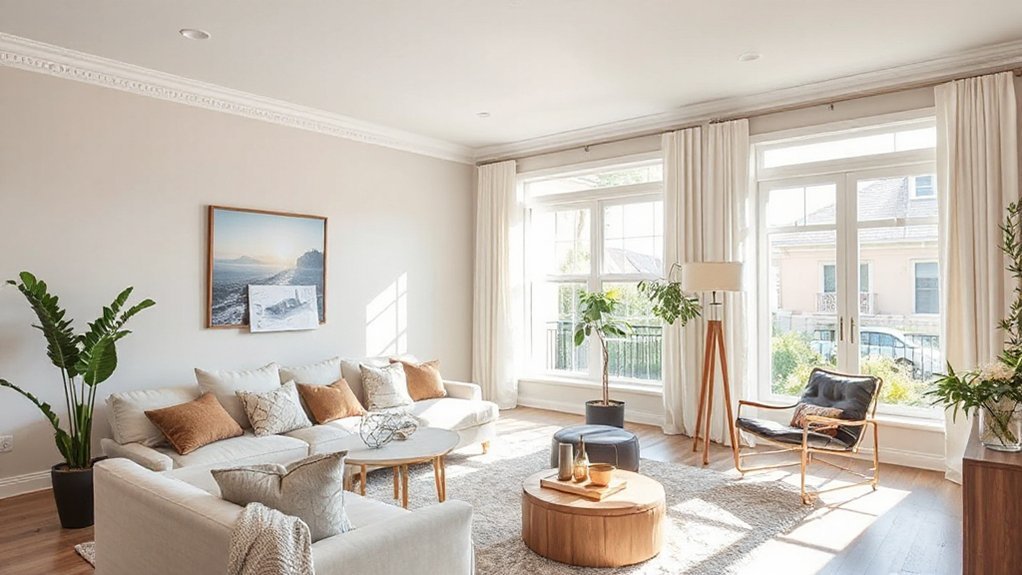
To reach ready-to-buy buyers, you should deploy a targeted mix of marketing channels that combines immediacy with credibility. You’ll leverage fast, measurable results while preserving trust, using channels that align with buyer intent and property specifics.
- Social media ads targeted by location, price range, and interests
- Organic posts and stories highlighting key features and recent upgrades
- Direct mail with compelling visuals and a clear call to action
- Email campaigns to your seller’s contact list and qualified prospects
- Virtual tours and 3D walkthroughs linked from all channels
Coordinate timing across channels to reinforce messages. Track response rates, adjust spend, and refine audiences weekly. Maintain consistency in branding and value proposition to build credibility with ready-to-buy buyers.
Negotiation Tactics That Protect Your Bottom Line
You protect your bottom line by framing offers with solid terms and contingencies. Use buyer incentives strategically to drive value without eroding net proceeds.
Set clear deadlines to create momentum. By balancing leverage, incentives, and timing, you guide negotiations toward outcomes that sustain your profit.
Protect Your Bottom Line
Negotiating to protect your bottom line starts before the first offer arrives; set clear guardrails on what you’ll and won’t concede, and stick to them. You’ll improve outcomes by framing value, not just price, and by documenting your position with data like a home appraisal and neighborhood comparison.
Maintain tempo with disciplined responses, avoiding emotional swings that erode value. Target credible concessions that preserve lighting, termites, or closing timelines, while safeguarding key terms. Prepare fallback options and walk-away points to deter lowball tactics.
Build leverage through parallel deadlines and transparent disclosures to deter buyers from exploiting information gaps.
- Establish non-negotiables early
- Cite objective data (home appraisal, comps)
- Separate price from terms
- Use time-limited offers
- Confirm all contingencies in writing
Leverage Buyer Incentives
Tie incentives to verifiable milestones, like inspections or appraisals, to prevent creeping concessions. Frame negotiations around total value, not just sticker price, and document every concession in writing to avoid ambiguity.
Balance is essential: offer incentives that attract qualified buyers while deterring lowball bids. Incorporate clear limits and a fallback plan, so you don’t escalate beyond your bottom line.
With thoughtful buyer incentives, you preserve negotiation strategies that protect your financial outcome.
Set Clear Deadlines
- Define offer due dates that align with market activity
- Schedule inspections within a tight window to avoid delays
- Tie contingencies to explicit calendar dates
- Align showings with staging progress and marketing milestones
- Reassess terms after each milestone to stay competitive
This disciplined approach keeps negotiations concise, focuses discussions, and supports informed decisions about value and risk in home staging and neighborhood research.
Disclosures and Legal Must-Haves for a Smooth Close
Disclosures and legal must-haves aren’t optional extras—they’re your shield and your checklist for a smooth closing. You’ll confirm disclosure obligations early, aligning seller representations with state and federal rules to prevent post-close disputes.
Gather all legal documentation: property deeds, title reports, survey maps, and any prior amendments. Be transparent about known defects and material changes since the listing, and document communications with buyers.
Attach disclosures to the purchase agreement, ensuring consistency across all forms. Verify that signatures, dates, and acknowledgments are complete to avoid hold-ups.
Work with your agent or attorney to review responsibilities for lead paint, mold, disclosures about neighborhood hazards, and the status of permits. Clear, compliant disclosures minimize risk and accelerate the closing process.
Timing Your Sale for Peak Market Windows
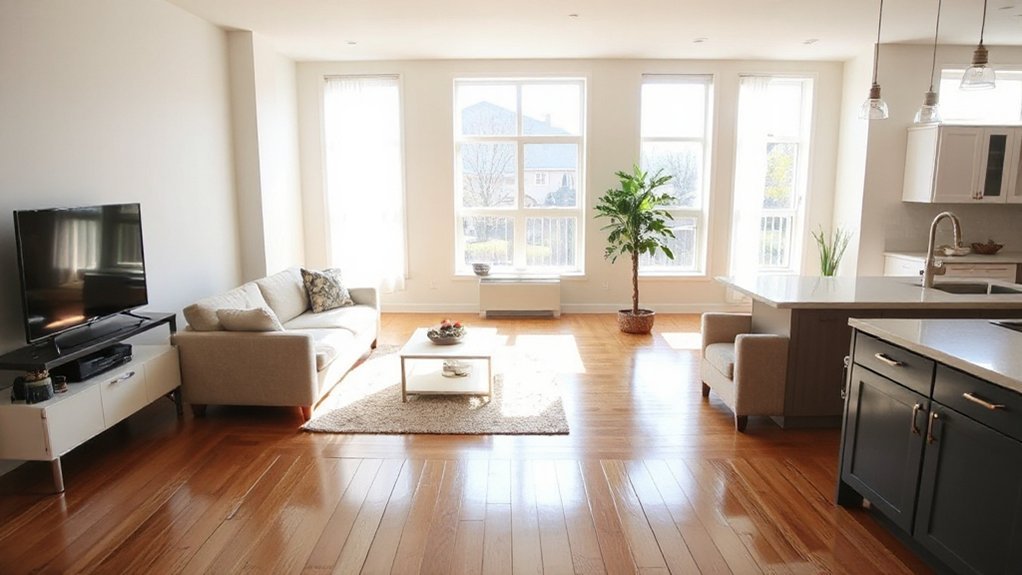
- Target high-activity months with steady inventory
- Coordinate marketing bursts around open houses and weekends
- Leverage energy efficiency features in photos and copy
- Emphasize nearby parks, transit, and schools to boost appeal
- Monitor local market signals for quick adjustments
Handling Offers and Competing Bids Like a Pro
When you receive offers, respond quickly with a clear strategy: compare price, terms, and contingencies, then decide which offers to pursue or counter. You’ll evaluate efficiency, deadlines, and inspection expectations to avoid stalls.
Use a proactive approach: acknowledge receipt, outline next steps, and set a firm response timeline.
Conduct a concise neighborhood analysis to gauge how competing bids stack up against market norms, ensuring offers reflect true value.
Leverage home staging insights to interpret buyer interest beyond price, noting how presentation influenced interest and perceived risk.
If multiple bids arrive, create a ranked matrix and consider countering top offers with favorable terms rather than simply bidding higher.
Maintain transparency with all parties, preserve leverage, and minimize reveals that could trigger unnecessary bidding wars.
Final Prep Steps Before Listing Launch
Before listing, lock in your essentials: verify pricing strategy, finalize disclosures, and confirm all required paperwork are in order, so your launch proceeds without delays.
You’ll wrap final prep with crisp presentation, ensuring every detail reinforces your selling proposition and minimizes objections.
Focus on two levers: Staging ambiance and Neighborhood appeal, which shape buyer perception first glance and sustained interest.
- Confirm curb appeal tweaks and sunlit, clutter-free interiors
- Finalize staging plan that highlights key rooms and flow
- Polish photos and virtual tour for maximum online impact
- Align disclosures and utility schedules with listing date
- Prepare a concise neighborhood brief to reinforce value
Frequently Asked Questions
How Long Does It Take to Sell a Home in a Hot Market?
In a hot market, you’ll typically sell within days to a couple weeks. Your pricing strategy and market timing matter most—price too high or delay, and you’ll miss momentum. Price right, act fast, and attract multiple offers.
What Hidden Costs Should I Budget for Beyond Closing?
You should budget for legal considerations and environmental inspections, plus potential disclosure costs, title insurance, closing adjustments, and agent commissions. Plan for repairs, appraisal gaps, and possible HOA or permits fees to avoid surprises.
How Do I Handle Multiple Offers Ethically?
You handle multiple offers ethically by pricing strategically, using transparent criteria and timely disclosures. Use fair negotiation techniques, respond promptly, and avoid coercion. Communicate clearly with all parties, document decisions, and protect buyer interests while maximizing your outcome.
Should I Allow Virtual Tours in a Competitive Market?
Yes, you should allow virtual tours. They expand reach and speed up interest. Virtual tour advantages include broad exposure; privacy considerations require secure access, watermarking, and non-disclosure agreements to protect seller data while showcasing your property effectively.
Can Staging Influence Appraisal Value?
Staging can influence appraisal value, increasing perceived quality. In fact, homes with well-executed interior upgrades and strong curb appeal often appraisal higher. You’ll boost value by prioritizing interior upgrades and curb appeal for competitive markets.
Conclusion
You’ve lined up the price, prioritized repairs, and boosted curb appeal, so buyers feel confident from the first glance. You’ve staged, captured killer photos, and lined up disclosures for a smooth close. Now, you wait for the right bid, manage offers with clarity, and time your launch for peak interest. Final prep is about the details—your knowledge, your readiness, your timing. And yes, even a Mason jar of cookies can’t hurt in sealing the deal—trust your plan, execute, and win. Anachronism: churning butter while drafting your strategy.
About the Author