You want your home to shine in photos and during showings, so start with a clear plan: declutter, deep clean, and stage to highlight flow and features. Keep pathways open, maximize natural light, and present a fresh, neutral ambience. Secure valuables and manage signage and parking ahead of time. Stay organized and consistent, and align with your agent on targets. Get the basics right now, because the smallest detail can make a decisive impression when buyers first arrive.
Key Takeaways
- Declutter, clean, and secure valuables; lock belongings and clear surfaces to create a spacious, inviting feel for photos and viewings.
- Maximize curb appeal with tidy landscaping, visible house numbers, clear pathways, and designated parking to guide visitors.
- Stage key rooms by highlighting focal points, arranging furniture to promote flow, and using minimal accessories to reduce visual noise.
- Maximize natural light with open curtains, clean windows, mirrors, and layered lighting to ensure consistent brightness across spaces.
- Define viewing goals and share targets with the agent; schedule convenient times and ensure access, signage, and spare keys are ready.
Set Clear Photo and Viewing Goals for Your Home
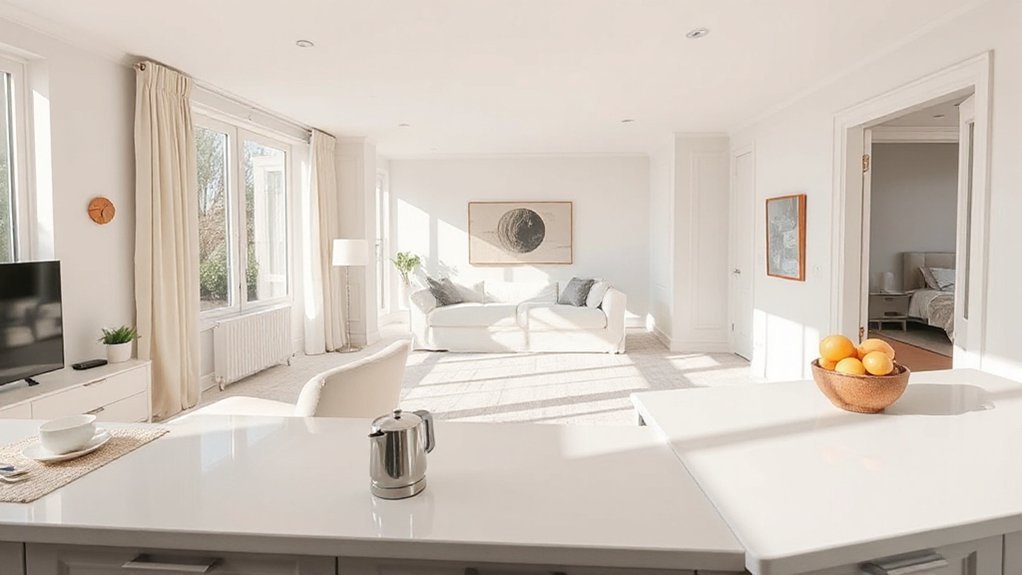
Setting clear photo and viewing goals helps you direct the preparation and set realistic expectations for buyers. You’ll define which rooms and features to feature first, aligning shots with your marketing strategy.
Start by mapping your property valuation priorities: what price you’re targeting, which spaces most influence value, and how lighting will highlight strengths. Then translate those priorities into concrete photo goals—angles, time of day, and focal elements—that guide staging and timing.
For viewings, specify arrival windows, preferred access, and key talking points to emphasize during tours. Document these targets and share them with your agent so the photography and viewing plan stays cohesive.
Clear goals keep actions purposeful, efficient, and aligned with your overall real estate strategy.
Declutter Fast: Create a Clean, Inviting Backdrop
Clear surfaces create an instant, big impact, so hide clutter and reveal open space with neutral tones.
Let bright lighting lock in a clean backdrop that feels welcoming in every room.
Focus on essentials, keep it simple, and your photos will read as polished and spacious.
Clear Surfaces, Big Impact
Too many objects can distract viewers from your space, so start with a fast, focused declutter to create a clean, inviting backdrop for estate photos and tours. You’ll remove nonessential items from horizontal surfaces, wipe down surfaces, and store away personal clutter.
Aim for a neutral baseline to let architectural features shine. Then place a few decorative accessories deliberately—one or two tasteful pieces that echo the room’s mood—so color coordination guides the eye without competing with the space.
Keep cords tucked, magazines stacked neatly, and remote controls out of sight. Lighting should feel natural and even, with no harsh shadows.
The result is a crisp, calm canvas that highlights scale, proportion, and flow, helping buyers imagine living there without distraction.
Hide Clutter, Reveal Space
Declutter fast to reveal space, because a tidy backdrop instantly strengthens perception of size and flow. You’ll create a commanding first impression by removing excess, prioritizing essential furniture, and stowing personal items out of sight.
This clutter control sharpens thoughts for buyers and guides their gaze toward architecture and flow, not belongings. Use these targeted steps for space enhancement:
- Clear horizontal surfaces and store away miscellany
- Tidy cords, magazines, and remote controls
- Reconfigure furniture to maximize walkway width
- Box seasonal items and rotate decor sparingly
Maintain a calm palette and aligned accents to reinforce openness. Regular quick checks prevent buildup between viewings. Your disciplined approach yields cleaner photos, faster interest, and a more spacious feel.
Neutral Tones, Bright Lighting
Neutral tones and bright lighting form the backbone of a welcoming backdrop. With careful decluttering, you’ll create a clean canvas that enhances space and highlights architectural flow.
You’ll choose neutral color palettes that breathe coherence across rooms, avoiding jarring contrasts that distract buyers. Keep walls soft, furniture streamlined, and accents minimal; this precision prevents visual clutter and supports a seamless flow.
Regarding lighting techniques, maximize natural light by opening drapes and positioning mirrors to reflect it deeper into each space. Supplement with well-placed, softly diffused artificial light to eliminate shadows without harsh glare.
Test every fixture at different times of day to guarantee consistency in tone. Aim for balanced illumination that reveals proportions, textures, and real-world scale, guiding buyers toward confident, imaginative staging.
Stage Key Rooms: Simple Furniture Placement for Maximum Appeal
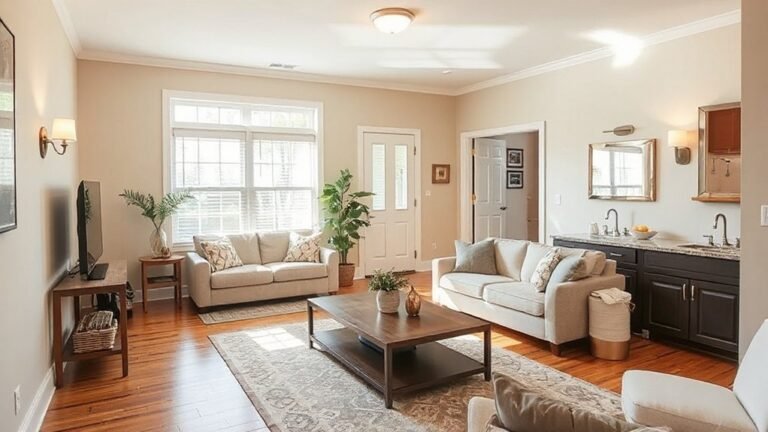
Start by mapping each key room and choosing a focal point—like a fireplace, window seat, or view—then arrange furniture to highlight it. You’ll create clean sightlines and emphasize function over clutter, using decor simplicity to keep spaces calm and appealing.
- Identify the room’s purpose, then center seating around a primary focal point for natural flow.
- Keep scale balanced; pair a sofa with a couple of chairs, avoiding crowding.
- Use a single, restrained color accent and minimal accessories to reduce visual noise.
- Leave clear paths, ensuring easy traffic while preserving room definition and warmth.
This approach to furniture arrangement prioritizes clarity and buyer comfort, delivering maximum appeal without overstatement.
Maximize Natural Light: Consistent, Bright Interiors
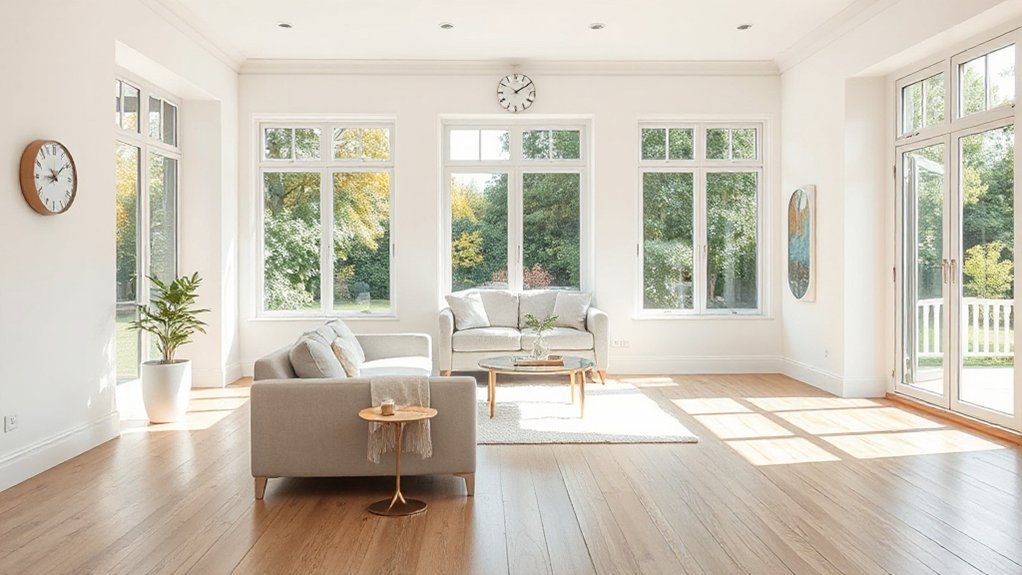
Natural light sells homes, so you should maximize brightness consistently across all photo-ready spaces. You’ll want even illumination that avoids harsh shadows, so review every room’s light sources and angles.
Use window treatments to control glare and reflect daylight without blocking it; sheer panels or light-filtering blinds let in morning sun while reducing heat. Position lighting fixtures to supplement daylight in corners and at eye level, creating inviting, balanced scenes for photos and viewings.
If a room lacks sun, brighten with layered lighting: ambient, task, and accent. Keep windows sparkling to maximize natural glow, and guarantee window sills are clear of clutter.
Consistency matters—matching tones, brightness, and angles across spaces reinforces a cohesive, appealing finish.
Keep It Fresh: Scent-Free Presentation and Air Quality Tips
As you maintain the fresh, bright feel from the previous topic, prioritize a clean, scent-free environment and air that feels inviting to all buyers. You’ll preserve neutrality by avoiding strong fragrances and optimizing airflow. Consider practical steps that support comfort and perception of space.
- Use Aromatherapy alternatives: skip perfumed products; rely on neutral scents like citrus peels or fresh coffee beans only if you personally approve, otherwise stay scent-free.
- Run Indoor air purifiers to filter dust, pollen, and odors for a cleaner environment.
- Open windows when possible to introduce fresh air without overpowering scents.
- Maintain humidity around 40–50% to prevent stuffiness and ensure a crisp, breathable atmosphere.
Protect Belongings During Showings
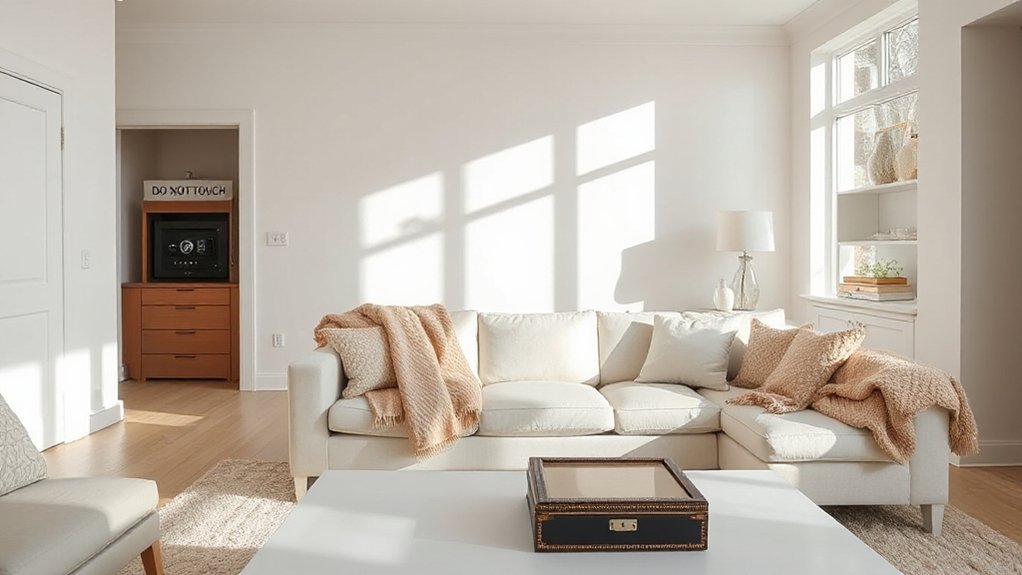
Even with the best curb appeal, dedicated protection of your belongings during showings is nonnegotiable; you should lock valuables away, remove irreplaceables from sight, and establish a clear protocol for guest access.
Implement security measures that deter tampering, such as locking cabinets, safes, and drawers, and sign-in procedures for visitors.
Remove high-value electronics, jewelry, and personal documents, then photograph or inventory items left in common areas.
Communicate access windows to agents, and use a secure, monitored entry if possible.
Confirm insurance coverage details are current, with a claim process known to all parties.
Brief your agent on what not to photograph, and re-check rooms before each viewing to maintain control and minimize risk.
This disciplined approach preserves safety while preserving appeal.
Final Prep Checklist and Day-Of Execution Tips
Before agents arrive, run through a tight final prep checklist and a streamlined day-of routine to guarantee steady, smooth showings. You’ll maximize Curb appeal and reinforce neighborhood impressions with focused actions that prevent last-minute surprises.
- Tidy entry, doors, and lighting to create an inviting first impression.
- Stage key rooms simply, maintain neutral scents, and adjust climate for comfort.
- Secure valuables, check for clutter, and prep spare keys for agents.
- Confirm parking, signage visibility, and accessibility for showings and open houses.
Frequently Asked Questions
How Long in Advance Should I Schedule Photos and Viewings?
You should schedule photos and viewings about 1–2 weeks in advance to secure ideal slots. Plan timing around peak lighting and your calendar.
Use staging furniture to create clean, inviting rooms and enhance lighting with lamps and natural light tweaks.
Coordinate with your agent to avoid conflicts, and leave buffers for touch-ups.
Confirm appointment windows, prep time, and weather considerations so you don’t rush or miss critical moments.
This proactive approach boosts appeal and reduces delays.
What Should I Wear to Present a Cohesive Look?
You should wear coordinated outfits that project a cohesive, polished look. Start with wardrobe coordination across all participants, choosing neutral tones and a few complementary accents to keep color consistency from room to room.
Avoid busy patterns that clash in photos. You’ll feel confident, not overstyled, when everyone sticks to a unified palette.
Lean toward smart-casual pieces, guarantee fits are sharp, and keep accessories minimal to preserve focus on the home.
Can Pets Be Removed for Photos and Showings?
Yes, you can remove pets for photos and showings. Coordinate pet removal, so pets aren’t stressed or in the shot. Schedule a time with a trusted friend, sitter, or day-care, and bring essentials for them.
Guarantee pet safety during removal, keeping doors closed and carriers ready. For longer shoots, consider temporary housing off-site.
This practice supports pet safety and helps buyers focus on your home during the viewing.
Should I Stage Outdoor Spaces as Well as Indoors?
Yes, you should stage outdoor spaces as well as indoors. You’ll create a seamless impression when outdoor decor and clean garden maintenance reflect your curb appeal, so buyers feel invited from curb to door.
You might notice a coincidence: a tidy path mirrors tidy interior hallways, guiding the eye. Use crisp lighting, fresh mulch, and cohesive furniture.
Keep outdoor decor simple, avoid clutter, and guarantee lawn edges are neat for photos and showings.
How Should I Handle Last-Minute Access for Agents?
When last-minute access is needed, you stay calm and organized. Confirm appointment times with the agent, and establish Access logistics, including any entry codes or key safe locations.
Share clear directions and secure locks after each visit. Keep an updated schedule and Emergency contacts, so you can quickly reach someone if conflicts arise.
Notify neighbors if you expect back-to-back showings. You’ll minimize disruption while protecting your space and privacy.
Conclusion
You’ve set clear goals, decluttered swiftly, and staged every room to guide buyers’ eyes. With natural light amplified and a fresh, scent-free environment, your home feels inviting yet neutral—the kind that makes every space look bigger and brighter. Maintain spotless floors and tidy surfaces, and keep valuables secure during showings. On game day, follow the final checklist and stay flexible. When done right, your home will sparkle so brilliantly that buyers might just believe in magic.
About the Author