You’ll audit, you’ll seal, you’ll save. You’ll switch to LED lighting, you’ll unplug idle devices, and you’ll tune your thermostat for real comfort and lower bills. You’ll target drafts, you’ll weatherstrip and caulk, you’ll block leaks around doors and windows. You’ll track your progress, you’ll notice choices compound, and you’ll discover small tweaks that add up—but there’s more to optimize, and the next steps are practical and within reach.
Key Takeaways
- Audit and map your energy use weekly to identify top culprits like heating, cooling, and appliance use, then set targeted savings goals.
- Seal drafts and improve insulation around doors, windows, and attic hatches with weatherstripping, caulk, and door sweeps.
- Switch to LED lighting, use dimmers, unplug idle chargers, and reduce standby power with smart strips or outlets.
- Calibrate thermostats, implement zoning, and optimize airflow with clean filters and well-sealed ducts for efficient heating and cooling.
- Use automation to align energy use with occupancy and solar generation, run full loads, and install low-flow fixtures to cut water- and energy-related costs.
How Your Home Uses Energy: A Quick Baseline
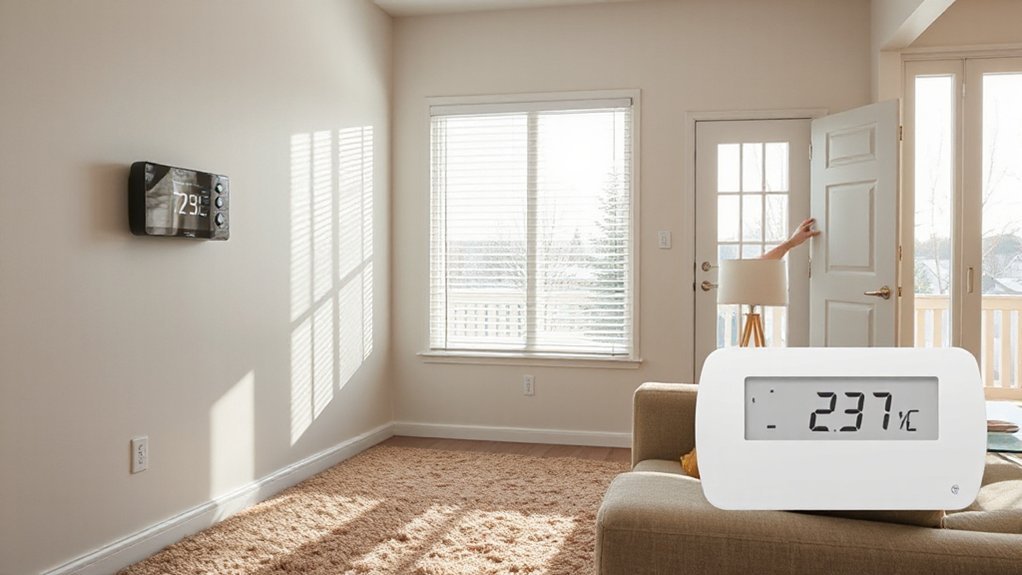
Understanding where your home uses energy starts with a quick snapshot of daily habits and major systems. You’ll map where energy goes by noting when you heat, cool, or heat water, and how long appliances run. This practical baseline helps you quantify Energy consumption without guesswork.
Track your thermostat patterns, lighting use, and electronics idle time for a week to reveal the loudest culprits. Do a quick audit of appliances’ efficiency, age, and usage frequency, and estimate monthly costs to anchor your baseline assessment.
Don’t overlook the hot water heater, laundry routines, and kitchen appliances, since tiny habits add up. With this clear snapshot, you’ll pinpoint measurable targets, set realistic goals, and begin cost-saving tweaks that deliver immediate, meaningful reductions.
Seal Drafts and Improve Insulation: Fast, Targeted Fixes
Even small drafts can waste a lot of heat, so start where you’ll see quick gains: doors, windows, and attic access. You’ll seal gaps with weatherstripping, door sweeps, and caulk to cut bill-raising air leaks without major renovations.
Focus on easy, repeatable fixes that deliver immediate results, then assess persists in cold corners—basements, closets, and shared walls. This is draft prevention done practically: identify leakage paths, patch them, and test with a simple candle or incense to confirm flow changes.
Pair sealing with insulation upgrades where needed, especially attic hatchs and rim joists, to stabilize temps and reduce heat loss long term. With deliberate air sealing, you’ll notice comfort and savings without overhauling your system.
Switch to LED Lighting and Create Simple Power-Down Habits
Switch to LED lighting now to cut energy use and improve color and comfort in your spaces.
By forming simple power-down habits, you prevent waste from lights you’ve left on, chargers, and electronics in standby.
Focus on minimizing hidden standby losses and you’ll see steady, tangible savings without sacrificing convenience.
Switch to LED Lighting
Could switching to LED lighting really trim your energy bill? Yes, and it starts with choosing the right bulbs. LEDs use up to 75% less energy than incandescent counterparts and last far longer, reducing replacement costs and waste.
Match color temperature to room function: warm for living spaces, cool for task areas. Install dimmers where appropriate to maximize efficiency without sacrificing comfort.
Turn off lights when you leave a room, and leverage motion sensors in hallways or offices. Use LED fixtures with high-quality drivers to avoid flicker and premature failure.
Pair LEDs with energy efficient appliances for compounded savings, and consider renewable energy options when feasible to further lower your overall bill. Small upgrades compound into meaningful, sustainable reductions.
Create Simple Power-Down Habits
To cut energy waste further, establish simple power-down habits that complement your LED lighting. You’ll reduce routine consumption by prioritizing immediate shutdowns and mindful runtime. Pair these habits with energy efficient appliances and consider Renewable energy options as you upgrade.
- Turn off devices at the outlet when not in use, not just on standby.
- Schedule large loads (washing, drying, charging) for off-peak or sunlit periods to align with renewable energy availability.
- Create a quick daily routine: power down lamps and displays before leaving rooms, and unplug chargers after full charges.
Cut Hidden Standby Losses
Hidden standby power can silently spike your bills, so you’ll want to cut it as you switch to LED lighting. You’ll reduce losses by unplugging or using smart strips for devices that don’t need constant power, and by choosing energy efficient appliances with low standby consumption.
Replace old chargers, set-top boxes, and peripherals to off or sleep modes when not in use, and schedule appliance shutdowns after peak hours. Create simple power-down habits: plug loads into a single strip, flip it off at the end of the day, and batch charge before bedtime.
Pair these habits with renewable energy options when possible, and look for LEDs with high lumen-per-watt and favorable lifetime. This approach supports renewable energy and keeps invisible losses from draining your budget.
Tweak Heating and Cooling for Comfort and Savings
Tuning your heating and cooling is one of the quickest ways to cut bills without sacrificing comfort: small tweaks now can add up over the season. You’ll improve home ventilation and confirm even temps by prioritizing airflow paths and avoiding blockages.
Calibrate your thermostat to reflect actual room temperatures, not just setting presets.
- Check airflow: replace filters, clear registers, and seal leaks around doors and windows.
- Optimize cycle timing: use shorter, more frequent cooling or heating runs to reduce overshoot and keep rooms comfortable.
- Calibrate precisely: verify thermostat readings with a simple thermometer in a representative room to align with real conditions.
Smart Thermostats and Zoning: Easy Upgrades for Efficiency
Smart thermostats enable simple zoning by separating living areas with independent temperature controls.
You’ll notice benefits from smart scheduling—targeting comfort when you’re home and saving when you’re out.
Start with basic zoning, then explore energy-saving tactics like adaptive schedules and energy reports to fine-tune performance.
Thermostat Zoning Basics
If you want to trim energy waste, thermostat zoning lets you heat or cool only the areas you’re using. With thermostat zones, you separate spaces so each area maintains its own target. When done right, you gain consistent comfort and lower energy use. Focus on practical setup, not flashy features.
- Define zones clearly: high-traffic living spaces, bedrooms, and rarely used rooms each get distinct temperature targets.
- Calibrate thermometers per zone: place sensors away from drafts and heat sources for accurate temperature control.
- Use basic access control: allow limited adjustments to prevent constant changes that waste energy.
Thermostat zones simplify demand patterns and improve efficiency. You’ll enjoy steadier comfort and clearer energy savings.
Smart Scheduling Benefits
Smart scheduling takes the guesswork out of energy use by aligning heating and cooling with real life. With smart thermostats, you program daily patterns that match your routines, so you never heat or cool empty rooms.
Zoning divides your home into efficient zones, letting you target only occupied areas and reduce waste. You’ll see quicker payback when your system runs less, learns your preferences, and adjusts automatically.
This approach pairs well with energy efficient appliances, which run more predictably under consistent schedules. A shift toward renewable energy sources can amplify savings, as smarter timing reduces peak demand and supports smoother integration.
Keep it simple: set priorities, monitor usage, and tweak workflows to maintain comfort without sacrificing efficiency.
Energy Savings Tactics
One straightforward upgrade is investing in a smart thermostat and effective zoning, which together slash energy use by tailoring heating and cooling to your actual living patterns. You’ll gain precise control, reduce waste, and align with Renewable energy goals while supporting Home automation.
- Install a smart thermostat that learns your schedule and adapts to occupancy, ensuring comfort without overspending.
- Create zoning with dampers or separate thermostats to heat or cool only occupied rooms, cutting stray heat loss.
- Integrate with home automation routines that adjust temps during low-occupation periods and align with peak solar generation.
These tactics fast-track efficiency by focusing on real usage, not guesswork, and they complement existing insulation and efficient equipment.
Water-Saving Wins: Low-Flow Fixtures and Shorter Showers
Water-saving starts with simple choices: install low-flow fixtures and take shorter showers to cut water use without sacrificing comfort. You’ll notice immediate gains in both water and energy bills, since heating less water lowers fuel or electric costs.
Start with aerated faucets and low-flow showerheads rated for good pressure; you won’t feel a slump in performance. Aim for Shower efficiency by dialing back shower time to five minutes on average, or install a smart timing device to keep you on track.
Check for leaks promptly—dripping taps waste energy and water. Use full loads for laundry and dishes to maximize efficiency, and consider weatherization to reduce hot-water demand.
These steps support water conservation while keeping daily routines practical and comfortable.
Appliance Habits That Cut Bills Without Sacrificing Comfort
If you want to trim bills without sacrificing comfort, start with how you use and maintain your appliances. Small changes here compound quickly, keeping comfort intact while you save. Focus on efficiency, not deprivation, by prioritizing routine upkeep and smart choices.
- Schedule regular Appliance maintenance, like filter changes and coil cleaning, to sustain efficiency and prolong life.
- Replace older, energy efficient appliances when feasible, prioritizing high SEER-rated cooling and Energy Star laundry and refrigeration.
- Optimize use patterns—run full loads, set sensible temperatures, and stagger cycles—to minimize wasted energy without sacrificing performance.
Cut Standby Power: Unplug and Optimize Your Outlets
Unplug idle chargers and optimize your outlets to stop standby power from quietly draining your bill.
Use smart outlets or timers to power devices only when you actually need them. This approach keeps energy use predictable and avoids wasted standby leaks.
Unplug Idle Chargers
Do idle chargers quietly drain energy and money? Yes, and you can stop the leakage with a simple habit: unplug when not in use. This tiny change compounds over a month, saving more than you expect.
- Inspect and unplug: check devices nightly, especially wall warts that stay warm.
- Group plugs: use a single power strip for easy on/off control, then label each outlet to prevent drift.
- Track results: note energy monitoring readings and compare before/after to verify savings.
For ongoing efficiency, practice charger maintenance by cleaning dust from outlets and ensuring cords aren’t frayed.
When you unplug, you eliminate standby draw entirely and sharpen your energy awareness, reinforcing smarter habits.
Smart Outlet Optimization
Smart outlets can curb standby power by letting you cut power to idle devices at the source. You’ll simplify control by grouping essential electronics and timers into a single strip, so idle TVs, chargers, and consoles don’t draw continual current.
Use outlets with auto-off or smart scheduling to power down during unused hours, then review energy reports to fine-tune. Pair these practices with energy efficient appliances that perform well on lower loads, maximizing savings.
When you replace high-draw devices, choose models designed for efficiency, and keep peak usage aligned with daytime solar or other renewable energy sources.
Label circuits clearly, avoid phantom plugs, and periodically test every outlet for heat or looseness. Consistent, deliberate pruning reduces waste and strengthens your overall energy strategy.
Simple, Smart Power Strips and a Realistic Budget Plan
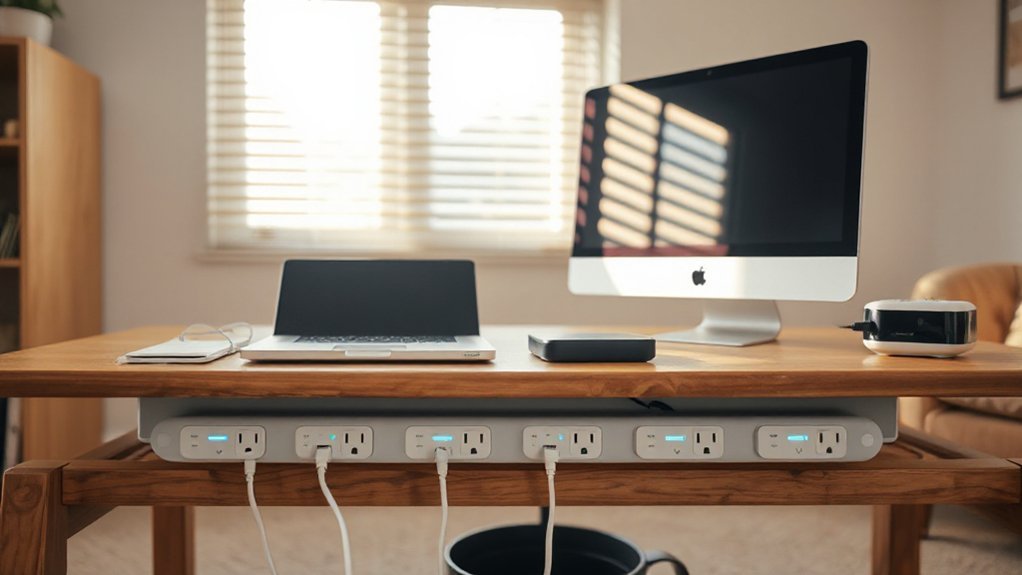
Smart power strips simplify energy savings by cutting phantom loads and minimizing standby power, while a realistic budget plan keeps monthly targets achievable. You’ll save by grouping devices that frequently power on together and using the right strip for your setup. Choose models with surge protection, energy monitoring, and easy scheduling to maximize control without complexity.
1) Measure usage, set limits, and track progress monthly.
2) Assign devices to zones (entertainment, office, chargers) to reduce idle draws.
3) Update targets as you confirm actual savings and refine spending.
Smart power strips enable practical Budget planning, turning theory into steady, measurable results. Pair strips with a simple monthly review to stay on course, adjust your plan, and keep energy bills predictable and manageable.
Easy Weatherization: Doors, Windows, and Attic Access
Easy weatherization starts with doors, windows, and attic access that seal leaks and stop drafts fast. You’ll improve comfort and cut heat loss by focusing on practical steps you can act on today.
Start with door insulation: add door sweeps, weatherstripping, and threshold seals to close gaps at the floor and frame.
Check for drafts around windows—caulk exterior cracks and install insulation film if needed, and use tight-fitting shades to reduce heat exchange.
For attic access, seal the hatch with weatherstripping and add insulation around the rim to minimize heat rise.
Prioritize accessible gaps first, measure before buying, and test with a simple candle or tissue to spot leaks.
Apply thoughtfully; small improvements compound toward lower energy use.
Track Progress and Turn Small Wins Into Yearly Savings
Now that you’ve improved weatherization, it’s time to track what you’re saving and turn those small wins into lasting yearly reductions. You’ll create a simple system to monitor monthly bills, compare against baseline, and adjust habits to maximize return. Focus on measurable progress and concrete actions rather than vague goals, so you stay motivated and informed.
- Record monthly energy use and costs, flag anomalies, and note contributing actions.
- Prioritize upgrades like energy efficient appliances and explore renewable energy options to boost long-term savings.
- Reassess quarterly, celebrate reductions, and reallocate saved funds to higher-impact improvements or maintenance.
Frequently Asked Questions
How Soon Will I See Savings After Tweaks?
You’ll start saving within days to weeks after tweaks, with bigger gains after applying energy audits and completing appliance upgrades.
Small changes (lighting, thermostat habits) show quick impact, while efficient appliances and proper sealing improve monthly totals over a season.
Track usage to verify progress. Expect noticeable reductions within one billing cycle for simple updates, and several cycles for major appliance upgrades.
Stay proactive, recheck your bills, and adjust settings as needed.
Do Window Films Save More Than Curtains?
Window films generally save more than curtains by reducing solar heat gain; they’re effective on sunny windows and don’t block light. If you’re choosing, consider window tinting for daytime heat control and thermal curtains for insulation at night.
Combined use yields the best overall savings, since tinting cuts intrusion and glare while thermal curtains curb heat loss. You’ll notice cooler rooms, steadier temps, and lower energy bills with this practical, precise approach.
Can Smart Plugs Replace Most Power Strips?
Smart plugs can replace many, but not all, power strips, especially when you need built‑in surge protection or multiple outlets. They deliver energy management by scheduling devices, cutting phantom loads, and monitoring usage.
You’ll save space, costs, and clutter while keeping control. However, high‑current devices or daisy‑chained adapters may still demand traditional strips.
Use smart plugs for everyday electronics, and reserve robust power strips for heavy loads and critical equipment.
What’s the Fastest Low-Cost Insulation Fix?
A fast, low-cost insulation fix is sealing drafts now and graduating to thermal curtains. Start by locating gaps around doors, windows, and electrical outlets, then install draft stoppers to block cold air.
Add thermal curtains on sunny windows to trap heat indoors. Seal with inexpensive, flexible caulk or foam, then check for remaining leaks with a simple candle test.
This combo minimizes heat loss and boosts comfort without breaking the bank.
Are Solar Panels Worth It for Small Homes?
Solar panels can be worth it for small homes if your sun exposure and budget align. They cut bills, and incentives help justify the upfront cost.
Start with solar incentives in your area, then size a system to your needs.
After installation, stay on top of panel maintenance—clean panels and check connections regularly.
If you’re pragmatic, you’ll compare payback time and savings.
You’ll likely gain resilience and lower energy spikes.
Conclusion
You can slash bills without turning your life upside down. Focus on quick wins—seal drafts, swap to LEDs, and unplug idle devices—then tune your thermostat and add simple zoning. Use smart outlets and a realistic budget to curb standby power. Weatherize doors, windows, and attic access, and track your progress to reinforce tiny victories into big yearly savings. Do these steps consistently, and your home will feel impossibly efficient—like you’ve unlocked superhero-level energy control.
About the Author