You’ll cut heat loss this winter by tightening the envelope with precise, high‑performance upgrades that block drafts and seal gaps. Start by sealing air infiltration at doors, windows, and exterior penetrations, then address conduction through framing with continuous exterior sheathing and backer‑rod caulking. Improve insulation in cavities, attic, and basement, and install energy‑efficient windows with low‑E coatings. Pair these with smart heating habits to optimize flow and balance. More specifics ahead will sharpen these gains.
Identify Where Your Home Loses Heat
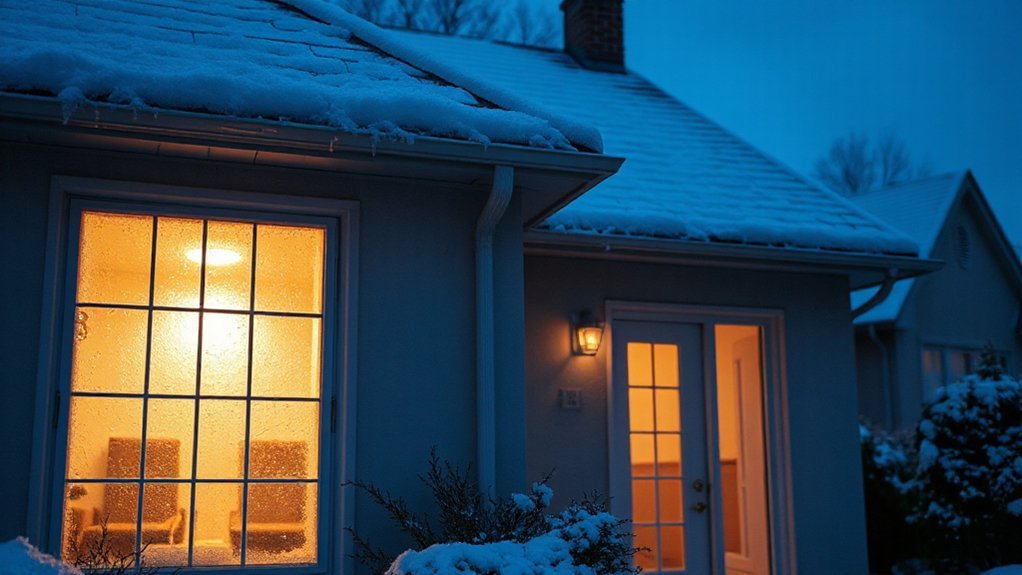
To identify where your home loses heat, start with a quick, practical scan of common hotspots: doors and windows, gaps around foundations, and heat paths through ceilings and upper floors.
You’ll map air flow by feeling for cold drafts at window gaps and along sill joints, then check attic access, eave gaps, and penetrations where pipes and wires pass through ceilings.
Assess chimney drafts as potential loss routes, noting any flue openings when fireplaces aren’t in use.
Document pressure points in the study of envelope tightness, prioritizing high-velocity leaks first.
Use precise terminology: thermal bridges, air infiltration, and conduction through framing.
Targeted measurements—draft heights, door heights, and window gap sizes—make later sealing more effective and design-forward.
Seal Drafts Fast: Quick Fixes That Work
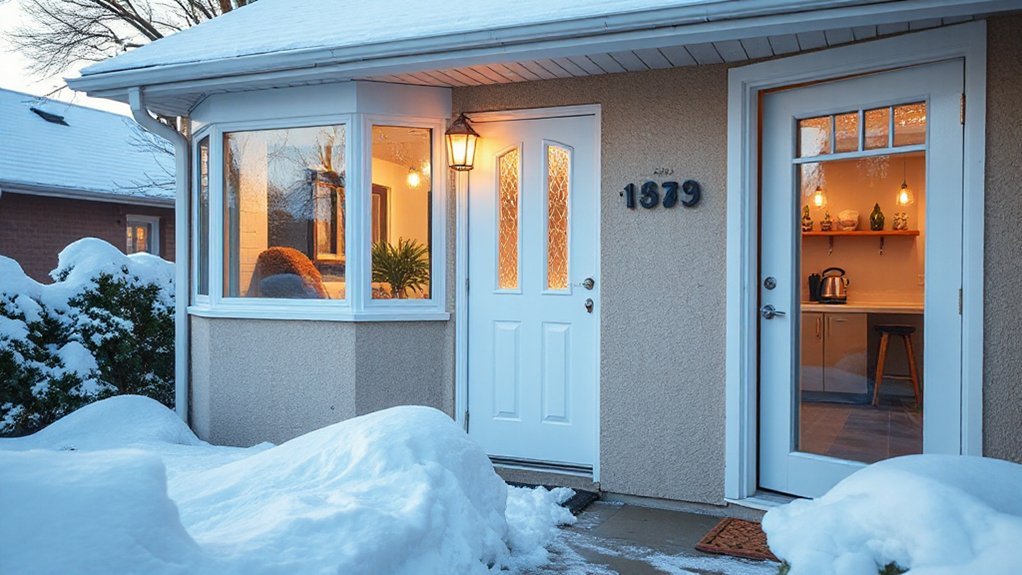
You’ve mapped where heat leaks, now you can seal drafts fast with simple, high-impact fixes you can implement today. Start with door weatherstrips on exterior doors to curb air leakage at the hinge and threshold. Add a door sweep or astragal where needed to close bottom gaps without hindering operation.
Inspect window frames for loose glazing beads and reseal with low‑VOC acrylic caulk; prioritize sash gaps for effective draft prevention. Seal electrical outlets and switch boxes with foam gaskets or airtight covers, especially on exterior walls.
Use foam backer rods for larger voids before caulking, to improve adhesion and performance. Finally, install an exterior wall vent outlet seal to minimize convective drafts.
These actions, focused on air leakage control, deliver immediate comfort gains.
Smart Winter Heating Habits That Cut Your Bill
Smart winter heating habits can shave your bill by optimizing heat delivery and minimizing waste. You’ll rely on precise controls and data to maintain comfort without overworking equipment.
- Use a Smart thermostat to map schedules around occupancy and room usage.
- Enable energy monitoring to spot wasted heat and adjust zones accordingly.
- Program setback periods during unoccupied hours to reduce boiler load.
- Target consistent, lower temperature setpoints; avoid sudden swings that spike consumption.
- Favor radiator or underfloor design efficiency by balancing heat distribution with tuned flow rates.
These habits emphasize reliability and measurable results. By pairing smart controls with real-time feedback, you minimize losses and keep essential living zones comfortable, all while reducing utility costs.
Insulation Upgrades That Pay Off This Winter
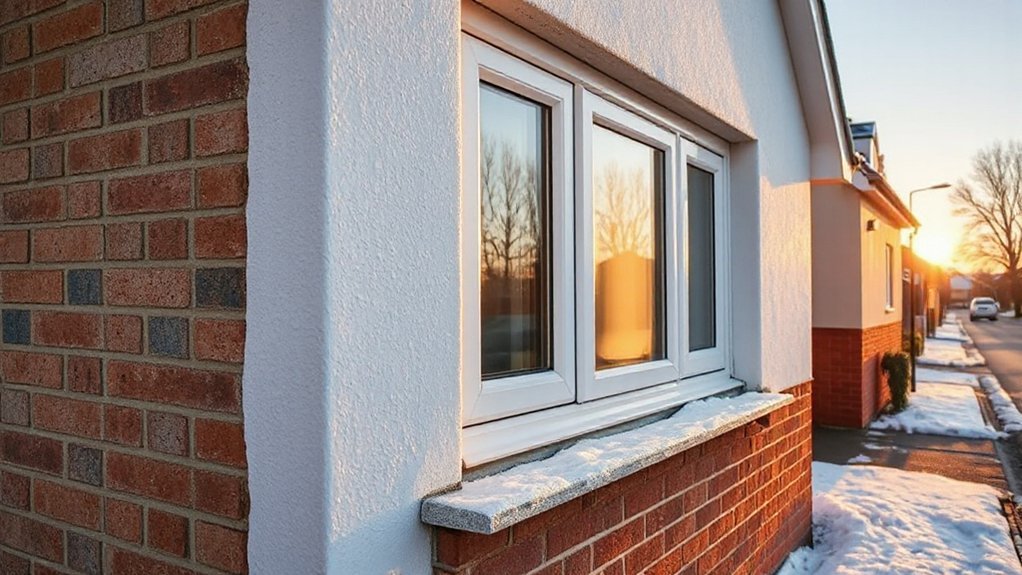
Insulation upgrades pay off this winter by sealing the envelope and reducing heat transfer at the source. You’ll gain measurable comfort by upgrading to high-performance insulation materials, focusing on continuity and density to minimize thermal bridges.
Prioritize cavity and wall insulation with proven R-values suited to your climate, plus upgraded attic and basement underlayment to curb draft paths.
Choose energy efficient windows as a complementary step, ensuring low-E coatings and tight frames to prevent heat leakage during peak cold snaps.
When selecting insulation materials, favor products with strong moisture resistance and long-term stability to avoid settling or gaps.
Apply continuous exterior sheathing and sealant detailing around penetrations to maintain a consistent thermal boundary.
Pair upgrades with a targeted air-sealing plan to maximize overall efficiency and occupant comfort this winter.
Size and Choose Upgrades for Your Home Type
Sizing upgrades to fit your home type makes the biggest difference in both performance and value. You’ll tailor choices to your architectural styles and exterior materials, ensuring compatibility with structure and aesthetics.
Start with a scale of upgrades: target envelope improvements first, then systems, then finishes, so gains compound effectively.
For semi‑detached and detached homes, pick options that align with roofline, wall assembly, and foundation details to minimize thermal bridging.
Match window and door packages to your climate and design language, balancing cost and daylight.
Prioritize airtightness, insulation, and ventilation to prevent condensation.
Choose upgrade packages that complement your home’s character while avoiding over‑design.
Select options with proven durability and service life, and coordinate with existing exterior materials for cohesive curb appeal.
- Match to architectural styles
- Align with exterior materials
- Target envelope first
- Balance performance and aesthetics
- Plan for durability and lifecycle
Frequently Asked Questions
How Can I Measure Actual Heat Loss With Simple Tools?
You can measure actual heat loss with simple tools: use a handheld infrared thermometer for surface temperatures and a basic smoke pencil or incense for drafts; conduct insulation testing by verifying uniform temperatures, and document findings via thermal imaging.
Do Windows Account for Most Heat Loss in Winter?
Yes, windows account for a large portion of winter heat loss. You should improve window insulation and consider glass upgrades to reduce drafts and optimize thermal performance, pairing tighter seals with efficient glazing for durable, design-conscious results.
Can Indoor Humidity Affect Heating Efficiency?
Indoor air quality matters: about 50% of indoor humidity comes from your own activities, so humidity control can boost heating efficiency. You’ll notice steadier temps when you manage indoor air, reducing latent load and improving system performance.
Are There Cost-Effective Draught-Proofing Methods?
Yes—you can. Use cost effective insulation and affordable sealing techniques to block drafts, focusing on doors, windows, and attic access. Seal gaps with weatherstripping, caulk, or expandable foam, and prioritize airtightness for consistent comfort and efficiency.
Will Turning Down the Thermostat at Night Save Enough Heat?
Yes, you save energy by lowering temps at night. Thermostat adjustments, like a gradual drop, reduce heat loss. Maintain comfortable base levels and use Night time heating strategically to preserve warmth while minimizing overnight consumption.
Conclusion
You’ll keep more heat where it matters by sealing drafts, prioritizing insulation, and tuning your system to cycle efficiently. One striking stat: poorly insulated homes waste up to 30% of heating energy, so small upgrades pay big dividends. Use weatherstripping, door sweeps, and attic or cavity insulation as your first moves. Match upgrades to your home type, then monitor performance with a smart thermostat and regular blower/duct checks to sustain comfort and cut costs all winter.
About the Author