
If you’re aiming to tighten the budget, you’ll find that prudent planning and smart choices can make a big difference. You’ll want a clear ceiling on costs, a contingency fund, and phased spending that matches your daily needs. By prioritizing high-ROI updates, choosing durable, low-maintenance materials, and negotiating smartly, you’ll gain steady savings without sacrificing quality. There’s more to the approach, and the methods behind them could change how you tackle every project from now on.
Key Takeaways
- Lock costs early with phase-based planning, contingency bets, and market timing to prevent surprises and cash-flow spikes.
- Prioritize high-ROI spaces (kitchen, baths, lighting) and use durable, low-maintenance finishes for lasting value.
- Source materials early, compare bulk/recycled options, and use value engineering to trim noncritical finishes.
- Align permits, inspections, and financing with milestones; pre-prepare documentation to reduce delays and costs.
- Favor turnkey, sustainable solutions, standard sizes, and itemized bids to minimize waste and hidden markups.
Set Your 2026 Renovation Budget

Determining your 2026 renovation budget starts with a clear, reality-based plan. You’ll map costs against goals, then trim to essentials without sacrificing outcomes.
Start with a firm ceiling for each room, then allocate contingency for surprises—typically 10 to 15 percent.
Prioritize Design aesthetics that deliver impact per dollar, choosing durable finishes and timeless styles over fleeting trends.
Tie spending to Lifestyle considerations: how you live, entertain, and work at home, so you invest in spaces you actually use.
Source multiple quotes, ask for itemized lines, and compare total cost rather than unit prices.
Build in a turnkey mindset by preferring vendors who handle permits, demolition, and installation, reducing fragmented purchases.
Finally, document approvals, timelines, and a cash-flow plan to keep your project on track.
Prioritize High-ROI Projects and Impacts
To make every dollar count, focus on projects that deliver the most value per dollar and the fastest return on investment. You should chase upgrades that cut ongoing costs, improve daily living, and boost resale appeal.
Prioritize kitchen and bathroom refreshes with durable, low-maintenance materials, and lighting upgrades that reduce energy use. Adopt Design innovation where it meaningfully affects function without overhauling spaces.
Target simple, scalable improvements you can complete now, not later. Favor sustainability practices, like smart thermostats, efficient appliances, and water-saving fixtures, to compound savings over time.
Avoid scope creep by validating each idea against cost, impact, and cadence. Choose turnkey solutions that minimize disruption and maximize predictable outcomes, so ROI stays tangible.
Source Materials and Labor Smartly
Smart sourcing pays off in every phase of a renovation. You gain value by planning Material sourcing early, aligning it with your design, and avoiding last‑minute swaps. Compare bulk or recycled options, ask suppliers for price breaks, and target consistent quality over novelty.
For labor, you’ll save by clear scopes, phased schedules, and predictable crews. Practice labor management: lock in reliable trades, set milestones, and monitor progress weekly to catch delays before they escalate. Share clear drawings, specs, and deadlines to minimize rework.
Use value engineering to adjust noncritical finishes without compromising function. Build a short list of preferred vendors and negotiate lead times.
Finally, track costs against a baseline weekly; small course corrections prevent big overruns and keep your project on budget.
Time Financing and Permits for Cash Flow
You’ll lock in cash flow by timing payments and permits to avoid delays and extra costs.
Start with permits timeline strategies that match your renovation pace, so approvals don’t stall your budget.
Consider practical financing options now, so you have a clear path from permit to punch list with minimal hiccups.
Cash Flow Tactics
Cash flow is king when renovating on a budget, so start with time financing and permits you can actually afford. You’ll keep projects moving by prioritizing options that stretch your cash and minimize delays.
Track every expense and compare bids to lock in predictable costs before you sign. Use a simple expense tracking system to flag overruns early, then reallocate funds to critical tasks.
Favor lenders that offer draw schedules aligned to milestones, not up-front bets. Seek permits that fit your scope, avoiding over-permitting or red tape holds.
Build a small contingency into your plan, but only where it won’t distort scope.
- Optimize financing terms with staged draws
- Align permits to current work scope
- Maintain strict expense tracking and reporting
- Reserve a lean contingency for surprises
Permits Timeline Strategies
To keep renovations on schedule and spending predictable, start with time-aligned financing that fits your permit timeline. You’ll map your project milestones to local permit review cycles, so cash flow matches when approvals land.
Build a lightweight buffer for permit delays, and compress nonessential steps to preserve momentum. Create a pre-application package that highlights site plans, scope, and compliance checks, reducing back‑and‑forth during approval processes.
Schedule early meetings with the zoning or building department to clarify requirements and avoid last‑minute reworks. Use a single point of contact for permit questions to speed responses and avoid duplicating effort.
Track progress with a simple dashboard that flags holdups, so you adjust purchases and subcontractor timelines before costs spike. This keeps your project lean and predictable.
Financing Options Now
With time financing in hand, you can align your borrowing with the permit timeline and avoid cash gaps. Time financing helps you match draw schedules to progress, so you don’t stall renovations waiting on funds.
Focus on loan options that minimize costs and simplify approvals, like bridge loans or construction-to-permanent options, choosing terms that fit your cash flow. Compare interest rates across lenders, and ask about prepayment penalties or fees that inflate total costs.
Use permits as leverage to secure favorable terms, and keep documentation tight to speed approvals. Choose lenders familiar with renovations to reduce processing time and keep your project on track.
- Clear qualification criteria and fast pre-approval
- Transparent fees and realistic draw schedules
- Favorable interest rates with limited penalties
- Contingency planning and permit-alignment strategies
Bid Smart: Compare and Contract Effectively
When you’re comparing bids, start with a clear, apples-to-apples baseline so you can see who truly saves you money. You’ll compare scope, materials, timelines, and included contingencies side by side, not just total prices.
Ask for itemized line items and unit costs to uncover hidden markups or overruns. Prioritize vendors who offer transparent pricing and realistic schedules, then test their responsiveness with a quick follow-up question.
In negotiations, anchor with your baseline and push for favorable terms without compromising quality. Bring in your own supplier quotes when appropriate to strengthen your position.
Use contract clauses that protect you: milestone payments, change-order limits, warranty coverage, and clear dispute resolution.
Finalize a concise contract that aligns expectations, risk, and budget.
Cost-Saving Workarounds That Preserve Quality
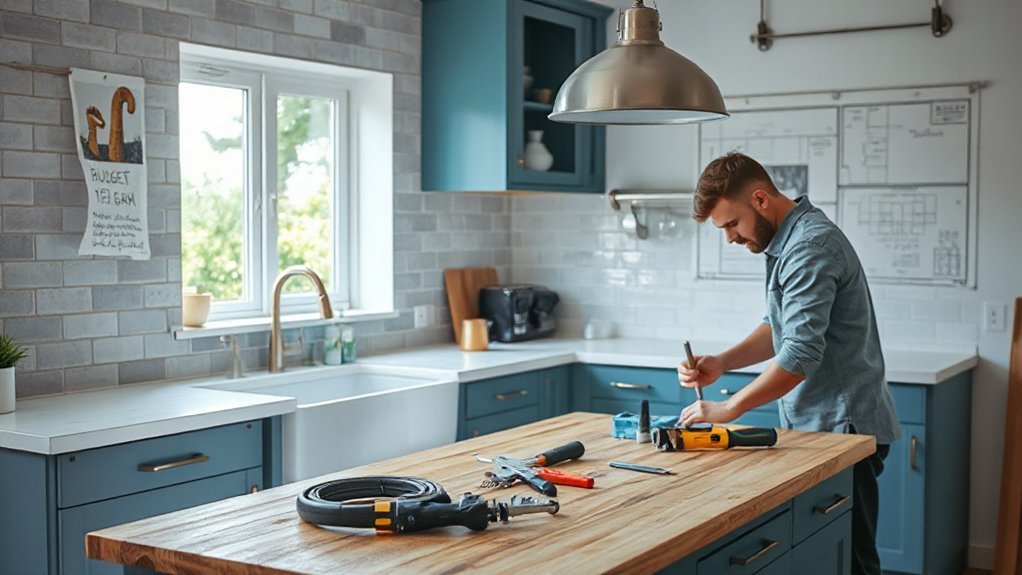
You can cut costs without sacrificing quality by choosing durable material substitutions that save money upfront and over time. This means optimizing labor with efficiency tactics and pairing it with budget-friendly permitting tricks to keep timelines tight.
Let’s start with practical, turnkey options that balance performance, price, and peace of mind.
Material Substitutions That Work
If you’re renovating on a budget, smart material substitutions can cut costs without crimping quality. You’ll find durable options that perform like premium picks, but at a fraction of the price. Prioritize ecodesign by choosing eco friendly alternatives and durable, low-maintenance finishes.
Recycled materials can yield strong performance when properly sourced and installed, often offering better long-term value. Focus on compatibility with existing structures to avoid hidden retrofit costs.
Match performance specs, warranties, and maintenance needs to your project timeline. Plan for standard sizes and readily available stock to minimize lead times. Seek suppliers that provide clear product data, environmental claims, and return policies.
- Eco friendly alternatives for finishes and fixtures
- Recycled materials in counters and cabinetry
- Standard-size components to reduce waste
- Warranty-conscious, data-driven purchases
Labor Efficiency Tactics
To cut labor time without sacrificing quality, plan tasks in logical sequences and batch similar activities to reduce setup and travel. You’ll gain momentum by sequencing trades to minimize backtracking and interruptions, and you’ll cut downtime with clear on-site workflows.
Use standardized procedures for repetitive tasks and preassemble common assemblies off-site when possible to speed installation. Invest in worker training for critical skills so crews perform with consistent accuracy, reducing callbacks and rework.
Schedule regular tool maintenance to prevent unexpected stoppages and keep performance steady. Track metrics like cycle times and setup durations to identify bottlenecks and adjust crews or layouts accordingly.
Emphasize clear, written instructions and checklists to guarantee consistency across shifts and weather conditions. This approach preserves quality while lowering labor costs.
Budget-Friendly Permitting Tricks
- Align plans with local code interpretations
- Bundle related permits for savings
- Pre-assemble documentation for quick review
- Schedule inspections to minimize downtime
Phase the Renovation to Stretch Dollars
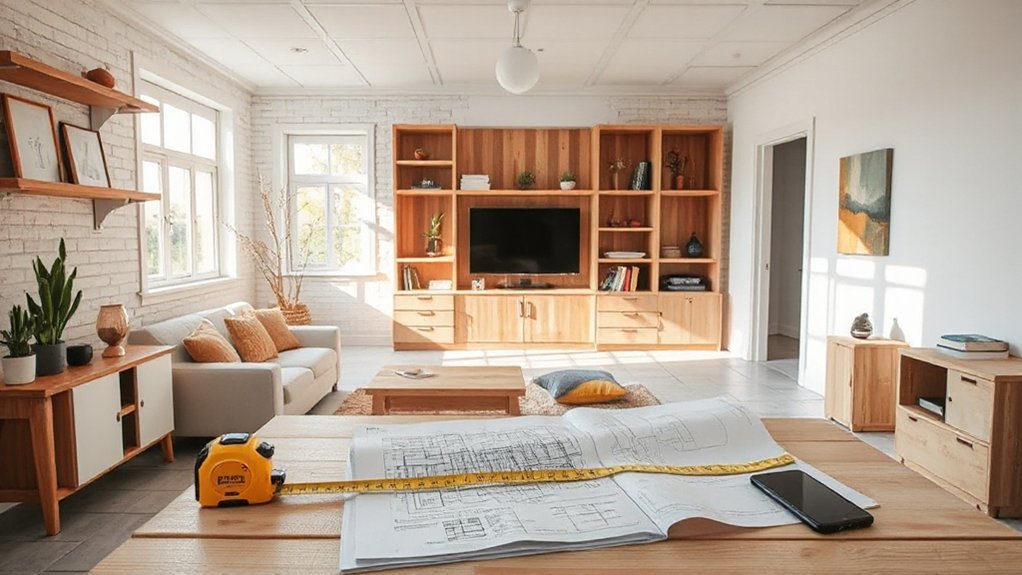
Starting a renovation in phases lets you tackle must-haves now and save overruns for later, so you don’t blow your budget upfront. Phase planning keeps decisions tight and schedules realistic, letting you lock in costs during favorable cycles.
Start with a core, high-impact areas—kitchens or bathrooms—then schedule cosmetic upgrades, like fresh paint and fixtures, in a follow-up phase. This approach minimizes downtime and spreads financing over time.
When you map phases, align them to your daily life and resale goals, not just impulse ideas. Use design trends and decor styles as guides, not mandates, so you can reuse durable finishes and prioritize options with broad appeal.
Track every line item, favor prefinished surfaces, and negotiate bulk purchases to maximize savings across the project.
Frequently Asked Questions
How Long Will a DIY Approach Save Money Versus Hiring Pros?
DIY can save you money upfront, but you’ll hit DIY pitfalls if you rush or DIY beyond your skills. Expect longer timelines and hidden costs.
On average, labor costs drive most savings, so a full DIY approach may only beat pros by a modest margin if you handle simple tasks and permits yourself.
Plan for extra time, budget overruns, and project delays, and know when to hire help to avoid costly mistakes.
What Credit Options Minimize Interest During Renovations?
Financing options that minimize interest during renovations include home equity lines of credit (HELOCs) with introductory rates, cash-out refinances, and credit cards offering 0% intro APR periods.
Compare interest rates, fees, and terms, choosing the lowest total cost. Consider lock-in options or rate caps to avoid spikes.
You’ll reduce carrying costs by paying down principal early when possible, and using savings for essentials first.
Stay disciplined, track balance progress, and opt for a turnkey plan that fits your budget.
Can Phased Renovations Affect Resale Value?
Let’s be discreet: phased renovations can boost resale by showcasing ongoing value, yet they may complicate perceptions of finish and timing. You’ll want clear renovation timelines and consistent design trends to reassure buyers.
If you pace updates with durable materials and cost-conscious choices, resale value can benefit. Stay aligned with current design trends, plan phased milestones, and communicate progress honestly.
Your turnkey approach minimizes disruption and keeps the market confident in the project’s long-term appeal.
Are Recycled or Salvaged Materials Reliably Durable?
Yes, recycled materials can be reliably durable if you vet quality and install properly. You’ll want reclaimed wood treated for moisture, and vintage fixtures that meet current standards.
Inspect boards for cracks, warping, or infestations, and confirm finishes are rated for kitchens or baths. Choose reputable suppliers, quantify load and maintenance needs, and plan replacements when economical.
With proper care, reclaimed wood and vintage fixtures offer long-lasting, budget-friendly appeal.
Do Contractor Change Orders Ever Offset Initial Savings?
Yes, contractor change orders can offset initial savings, so you should plan for budget overruns. You’ll want clear contracts, itemized scopes, and prompt approvals to limit surprises.
Track Contractor fees and contingencies, review every variance, and request substitutions before work begins.
Use fixed-price add-ons when possible, and insist on a formal change-order process.
Stay proactive, document costs, and aim for a turnkey solution that minimizes overruns while preserving quality and timeline.
Conclusion
You can wrap a smarter renovation by defining a tight budget, sticking to high-ROI upgrades, and buying smart. Compare bids, negotiate bulk discounts, and favor durable, low-maintenance materials. Stay cash-flow friendly with phased work and early permit planning. Use value engineering to trim without cutting quality, and pick energy-efficient choices for long-term savings. Think ahead like a well-timed blueprint—savings stack up, like bricks in a sturdy wall, holding your project steady from start to finish.
About the Author