Like a seasoned pilot charting a familiar route, you’ll map every milestone for turning a tired rental into a high‑yield asset. You’ll spot quick wins, prioritize ROI upgrades, and plan durable, low‑maintenance finishes that look sharp and last. Think curb appeal, energy efficiency, and rental-ready tech that tenants actually use. You’ll detail costs, source reliable materials, and contract smart trades, then you’ll decide what to tackle first—and why some upgrades change the game more than others. The next steps await.
Key Takeaways
- Start with a clear plan: map scope, budget, milestones, and decision points to prevent scope creep and delays.
- Prioritize durable, low-maintenance upgrades that boost perceived value and allow higher rents across multiple units.
- Improve energy efficiency and smart controls to reduce operating costs and attract quality tenants.
- Upgrade key features (entry doors, lighting, hardware) and curb appeal to reduce vacancies quickly.
- Establish a streamlined, transparent workflow with clear roles, timely reviews, and consistent communication.
Spot Quick Wins That Boost Rent Fast
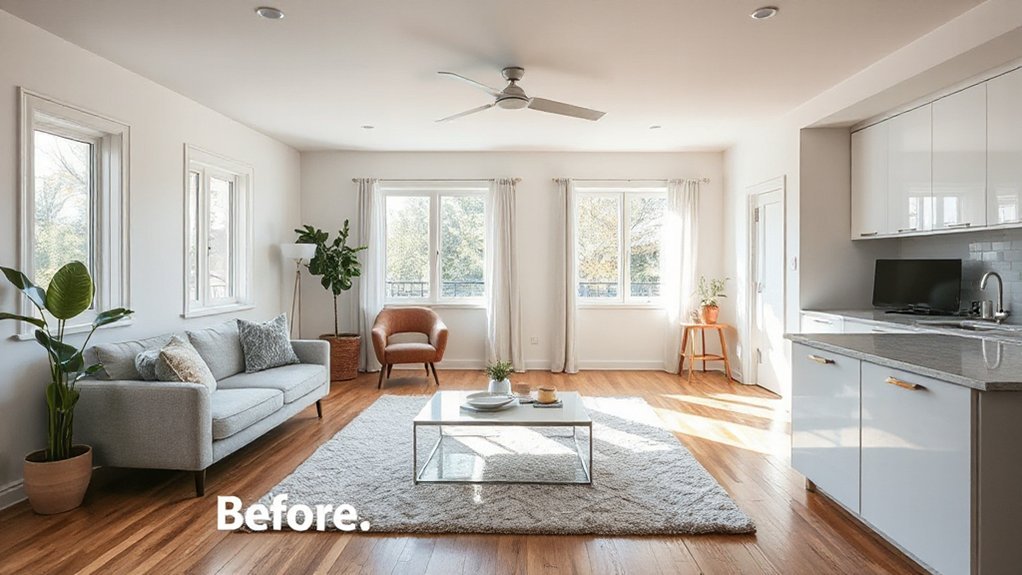
Here are fast, practical tweaks you can implement to boost rent without a protracted overhaul. You’ll start simple: fresh paint in neutral tones, clean lines, and decluttered spaces that feel larger.
Upgrade lighting with efficient LEDs and don’t overlook ceiling fixtures for a brighter mood. Install smart home features like a programmable thermostat and secure, user-friendly thermostats to cut utility costs and add appeal.
Add practical storage solutions—over-the-door organizers and slim shelving—to maximize every square foot.
Introduce luxury amenities in common areas, such as a refreshed entryway or a modern hardware package that signals quality.
Improve curb appeal with tidy landscaping and a welcoming entrance. These tweaks create a vision of value while staying cost-conscious and rent-forward.
Prioritize ROI Upgrades for Rental Properties
You’ll start by prioritizing ROI upgrades that move the needle on cash flow, appealing to both tenants and lenders.
Focus on cash-flow enhancers—low-cost, high-impact improvements that shorten vacancy and raise rents while preserving budget.
Aim for cost-effective renovations that scale across properties, so your portfolio builds predictable, vision-driven returns.
Prioritize ROI Upgrades
To maximize returns, focus first on ROI-driven upgrades that buyers and tenants actually notice and value, not cosmetic changes alone. You’ll prioritize improvements with clear income impact, like efficiency, durability, and appeal that translates to higher rents or faster leasing.
Target upgrades that deliver lasting performance and perceived luxury, while avoiding overbuild beyond the market. Budget-smart decisions compound over time, so track expected rent uplift and maintenance savings before you commit.
Plan for aesthetic enhancements that feel premium but stay practical, and document why each choice boosts NOI. Focus on tangible metrics: occupancy, time-to-let, energy bills, and replacement cycles.
Your roadmap should balance speed, cost, and long‑term value.
- ROI-driven upgrades to prioritize now
- Smart, durable wins over fads
- Luxury upgrades that justify rent
- Measurable gains in occupancy and efficiency
Focus on Cash-Flow Enhancers
Prioritize cash-flow enhancers that reliably lift income and reduce ongoing costs, not just cosmetic fixes. You’ll target ROI-first upgrades that pay back quickly through rent uplift or lower utilities and maintenance.
Begin with core systems: efficient HVAC, insulation, and smart thermostats to cut monthly spend. Pair with durable, low-maintenance finishes that withstand wear, delivering steady occupancy.
In pursuit of steady revenue, consider Luxury upgrades and aesthetic enhancements that justify higher rents without exploding cap rates, but validate each choice against expected ROI.
Favor modular improvements you can scale, so initial gains compound over time.
Document performance metrics—vacancy rate, rent per unit, and maintenance costs—to refine the plan quarterly.
Stay disciplined: select upgrades that boost cash flow, then track actual results against projections.
Optimize Cost-Effective Renovations
If you want ROI-driven renovations that pay back quickly, focus on cost-effective upgrades that boost rent without overbuilding the property. You’re aiming for practical, high-ROI changes that scale over time.
Prioritize material selection that reduces maintenance, energy costs, and turnover downtime, while maintaining durable aesthetics. Pair this with design innovation to maximize perceived value without a full remodel.
Target upgrades that open the door to higher rent per square foot and faster tenant acquisition, not just fancier finishes. Plan with a budget guardrail and clear milestones.
Focus on low-disruption improvements that tenants notice.
- Material selection choices that lower lifecycle costs and upkeep
- Design innovation to enhance space perception without expanding footprints
- Efficient systems and finishes that reduce monthly expenses
- Tactical, staged upgrades aligned to market demand and ROI
Cosmetic Fixes That Improve Curb Appeal and Lease Speed
Smart curb appeal starts with quick, high-impact fixes that you can implement now to attract more applicants and shorten vacancy. You focus on cosmetic changes that deliver visible results without costly overhauls.
Begin with landscaping enhancements that frame the property and create inviting sightlines from the street. Trim overgrowth, replace worn mulch, plant seasonal color, and define walkways to guide visitors.
Update entry doors and hardware for a refreshed, secure impression, then select neutral, modern paint touches to brighten fascia without overpowering architecture.
Prioritize exterior lighting to extend usable hours and deter glitches, choosing energy-efficient options and strategic placement along paths and entryways.
Keep fixes practical, durable, and easy to reverse if needed, so you preserve flexibility for future upgrades.
Energy-Efficiency Upgrades to Cut Operating Costs
Energy-efficiency upgrades directly cut operating costs and boost NOI, so focus on high-ROI changes you can implement quickly. You’ll see tangible savings by prioritizing proven wins that don’t disrupt tenants or require complex financing.
Start with envelope improvements to prevent heat loss, then optimize heating strategies to reduce runtime. Documented energy savings come from targeted upgrades that pay for themselves fast, while insulation upgrades keep comfort steady year-round.
- Improve attic and wall insulation to minimize heat transfer and stabilize indoor temps
- Seal ducts and address leaks to eliminate phantom losses and boost furnace efficiency
- Upgrade to programmable thermostats and high-efficiency boilers or heat pumps
- Switch to efficient lighting and smart controls to reduce standby and usage
This approach positions the asset for longer-term NOI growth through disciplined, recursive upgrades.
Rental-Ready Tech Tenants Will Actually Use
To attract tenants who’ll actually use and value tech, focus on dependable, renter-friendly systems that streamline daily life without adding complexity.
First, map tenant preferences, then pair them with smart technology that offers clear, practical returns—remote thermostats, smart lighting, and simple security sensors that are easy to monitor.
Prioritize devices with intuitive apps, reliable updates, and robust customer support to avoid frustration.
Build routines around automation that saves time without creating new steps, like one-tap energy-saving scenes and predictable, guided setup.
Avoid overengineering; tenants value privacy and control, not data creep.
Document installation, data policies, and how to override automation.
This clarity helps you attract responsible renters who’ll actually use tech to improve comfort, efficiency, and overall satisfaction.
Durable, Stylish Renovations That Withstand Wear
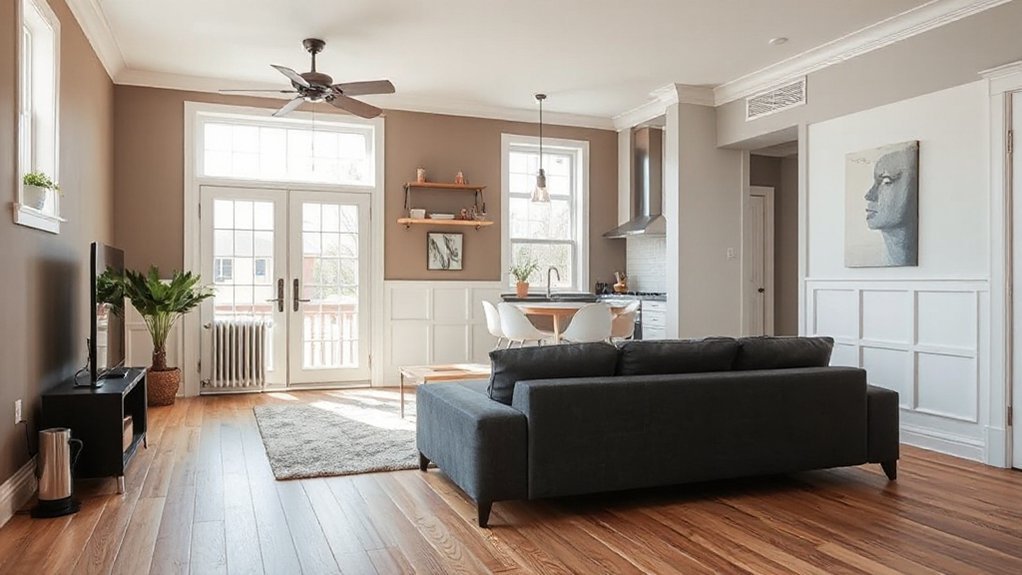
Durable, stylish renovations start with materials and layouts that endure real-life wear while still appealing to tenants. You’ll prioritize surfaces and fixtures that resist stains, scratches, and moisture, then pair them with layouts that minimize traffic jamming.
Choose sustainable materials that stand up to daily use and easy maintenance, while timeless design keeps the space relevant longer. Plan fluid transitions between zones so activity zones won’t collide with quiet corners, reducing damage risk.
Build in long-lasting hardware and replaceable components to lower future costs, and select finishes that hide minor scuffs. Thoughtful storage and durable flooring keep clutter low and edges protected.
Your goal: a high-yield unit that ages gracefully, reducing turnover while maintaining appeal for years.
Plan, Source, and Hire: A Contractor-Friendly Playbook
Start with a concrete plan before you hire, mapping scope, budget, and milestones so you can vet whether contractors align with your targets.
Source quality materials by specifying standards, warranties, and lead times, then validate suppliers with samples and references.
Set contractor-friendly timelines that reflect real-world constraints, buffer for delays, and clear accountability to keep the project on track.
Plan Before You Hire
Before you ever pick up the phone to call a contractor, map out the project scope, budget, and milestones in clear, measurable terms. Plan before you hire so you avoid scope creep and misaligned expectations. Define what success looks like, then translate it into concrete tasks, timing, and cost estimates.
Consider zoning constraints, utilities, and potential permits early to prevent delays. Include a realistic contingency and a decision framework for signing addenda. Align your plan with property zoning realities and tenant screening requirements to protect cash flow.
This creates a purchasing-first mindset: you interview firms with clear specs, not vague promises.
- Define scope, milestones, and acceptance criteria
- Estimate costs with line-item detail and contingency
- Align with zoning and tenant screening needs
- Establish a contractor evaluation and sign-off process
Source Quality Materials
Source quality isn’t an afterthought—it’s a decision point that pins down cost, performance, and schedule. You’ll plan material sourcing around durability, local availability, and lifecycle cost, then align your budget with anticipated maintenance needs.
Start with a short list of essentials—fixtures, flooring, and finishes—that fit your target value band, then map alternative options to price bands and lead times. Verify supplier reliability by checking stock history, return policies, and warranty terms.
Use quality assurance checks at each stage: confirm spec sheets meet code, inspect batches on delivery, and document any deviations. This approach keeps surprises minimal and speeds up approvals.
Prioritize consistent finishes and non-slip, low-maintenance surfaces. A disciplined sourcing routine protects margin while delivering a cohesive, rental-ready aesthetic.
Contractor-Friendly Timelines
When you map a contractor-friendly timeline, you align planning, sourcing, and hiring into a single, drumbeat-like flow that minimizes delays and keeps costs predictable. You’ll embed project scheduling into daily routines and lock milestones with check-ins, so nothing drifts.
You’ll streamline contractor communication by setting clear expectations, roles, and decision-cutoffs up front, preventing back-and-forth that stalls progress. With this playbook, you anticipate lead times, material deliveries, and permit windows, then pad them realistically.
You’ll build buffers for unforeseen issues, not excuses. The result is predictable cadence, faster start-to-finish, and a property that scales in value.
- Establish a master timeline with milestones and owners
- Lock in material lead times and delivery slots
- Define decision points to avoid scope creep
- Schedule weekly progress reviews and updates
Frequently Asked Questions
What Unseen Zoning or Permit Hurdles Could Delay Refurb Projects?
Zoning restrictions and permit delays can slow refurb projects more than you expect. You’ll want to start early by researching local codes, pre-submitting plans, and lining up fire, safety, and structural approvals.
You might face ambiguous setback rules or environmental reviews that spark questions from inspectors. Track each submission, forecast potential revisions, and maintain open communication with zoning staff.
Build buffers into timelines and budgets to mitigate permit delays, ensuring your high‑yield vision stays on track.
How to Budget for Contingencies Without Scaring Investors?
What’s your margin of error when lining up contingencies? You budget 10–20% for unforeseen costs, plus a small reserve for delays in refurbishment timing.
Track line items weekly, adjust as you confirm supplier quotes, and keep a contingency fund separate from operating cash.
Include tenant engagement costs for smoother turnover.
Document assumptions, monitor burn rate, and reforecast quarterly.
This pragmatic approach guards investor confidence while fueling a vision-driven, high‑yield refurbishment.
Which Financing Options Best Fund High-Roi Upgrades Upfront?
You should prioritize low‑cost, high‑impact options like owner‑financing, HELOCs, and rehab‑focused Q-loans to fund high‑ROI upgrades upfront.
Leverage energy efficiency rebates and bundled financing to boost cash flow.
Look for lender programs that pair renovations with property management services, reducing vacancy risk.
Budget for contingencies, yes, but choose terms that optimize monthly returns.
You’ll maximize resale value and attract quality tenants by delivering durable, energy‑efficient units with solid property management support.
How to Measure Tenant Demand Before Selecting Upgrades?
You’ll start by surveying current tenant preferences, then test demand before choosing upgrades.
A striking stat: 70% of renters say flexible spaces influence renewal decisions, so track demand signals like inquiries, waitlists, and amenity requests.
Use this data to prioritize upgrades, focusing on high-demand features first.
Your goal is upgrade prioritization that aligns with who you’re trying to attract, backed by concrete demand.
This pragmatic approach keeps you vision-driven and efficient.
What Legal Pitfalls Come With Smart Device Installations?
You should know the main legal pitfalls with smart device installations involve compliance and clarity. Smart device regulations vary by jurisdiction, so verify privacy, data security, and safety standards before wiring anything.
Guarantee your lease agreement clauses explicitly cover owner-installed tech, data handling, access, and maintenance responsibility. Document consent, installation timelines, and costs, avoiding covert or automatic upgrades.
Stay current on updates to regulations, and align tech rollouts with risk management and tenant privacy expectations.
Conclusion
You’ll map scope, budget, and milestones, then execute with reliable materials, smart upgrades, and enduring finishes. You’ll boost rent fast with quick wins, prioritize ROI, and deploy cosmetic fixes that attract tenants. You’ll slash costs with energy-efficient upgrades and rental-ready tech tenants actually use. You’ll choose durable, stylish renovations that withstand wear, then hire confidently with a contractor-friendly playbook. You’ll communicate clearly, set expectations, and maintain momentum, turning a tired rental into a high-yield property—steady, scalable, and sustainable.
About the Author