Define your goal, define your pace, define your space. Start by identifying calm zones, then map micro-niches for seating, shade, and quiet reflection. Choose a low-maintenance plant mix, subtle edging, and a cohesive color scheme that reads as serene. Plan storage and textures that hide clutter while keeping pathways clear. You’ll see how each deliberate step compounds, inviting you to refine details as you pursue a tranquil, small-garden oasis. Keep going to uncover the practical steps that follow.
Key Takeaways
- Define micro-zones for relaxation (shaded seating, sun-warmed beds, quiet reading spots) and position furniture to enhance flow and calm.
- Choose a low-maintenance, drought-tolerant plant palette with layered, year-round interest and cohesive borders for visual serenity.
- Use light, low-profile seating and soft warm lighting with layered path illumination to create intimate, tranquil moments.
- Incorporate scaled water features and smart, compact storage to add calm sounds while keeping clutter minimal.
- Apply a cohesive color scheme, seasonal bloom planning, and modular maintenance to sustain a restful, year-round oasis.
Define Your Quiet-Garden Goals for a Tiny Space
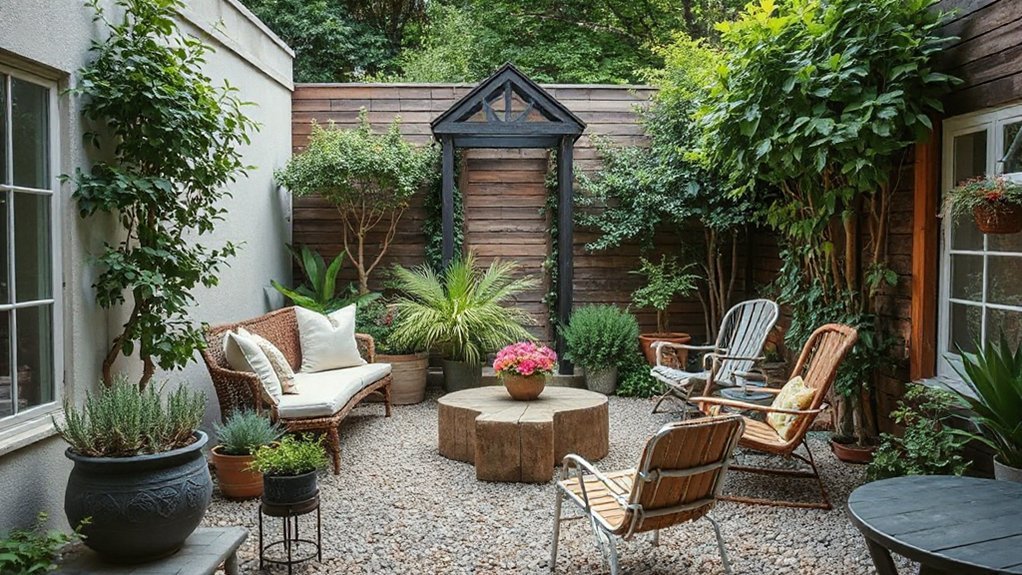
To define your quiet-garden goals for a tiny space, start by identifying what “relaxing” means to you and which activities you want to support—reading, resting, or meditating.
Next, map fixed constraints: sunlight patterns, wind exposure, and available surface area.
Prioritize functions: a single seating zone, a small plant bed, and a compact storage nook.
Choose garden art that reinforces calm without visual clutter, such as simple sculpture, muted textures, or a focal natural element.
Select outdoor furniture that fits the footprint, offers comfortable angles, and stacks or folds when not in use.
Establish a maintenance cadence and seasonal adjustments to maintain order.
Define success metrics: reduced stress, predictable routines, and a cohesive, breathable aesthetic.
Create Micro-Zones to Calibrate Calm
By dividing the garden into a few targeted micro-zones, you can calibrate calm with clarity: a shaded seating nook, a sun-warmed plant bed, and a compact meditation or reading spot.
Establish each zone with intentional boundaries—low hedges, stepping stones, or a slim trellis—to visually separate functions.
Place garden furniture thoughtfully to encourage flow: a compact settee in shade, a single chair by the sunlit bed, and a foldable stool near the reading corner.
Use outdoor art sparingly to anchor mood without distraction, selecting pieces that reflect your preferred tempo.
Align lighting to match use: soft dusk lamps for conversation, brighter fixtures for focus.
Maintain proportion, avoid clutter, and review weekly: adjust placement, trim sightlines, and preserve calm as you refine the zones.
Pick a Low-Maintenance Plant Palette for Small Yards
Consider a low-maintenance plant palette that fits your small yard by selecting Low-Modium varieties, keeping choices manageable and cohesive.
Prioritize drought-tolerant options to reduce irrigation needs while maintaining color and structure year-round.
Favor compact size selections to maximize space without crowding, and plan a simple, repeatable palette you can maintain with minimal effort.
Low-Modium Plant Palette
A low-maintenance plant palette for small yards emphasizes resilience, compact size, and minimal upkeep, so you can enjoy the garden without constant pruning or care. You’ll choose species that thrive in your climate, stay tidy without overgrowth, and require little feeding.
Layer by height, plant for year-round interest, and group by sun needs to reduce maintenance days. Prioritize varieties with drought resilience, compact forms, and reliable bloom. Pair with strategic mulch and clean lines to enhance calm visuals.
This palette supports easy integration of flower arrangements and garden sculptures as focal points, without overshadowing the surrounding greenery.
- Compact flowering perennials for borders
- Low-growing evergreens for structure and color
- Easy-care shrubs with seasonal interest
Drought-Tolerant Choices
Start with hardy, drought resistant plants adapted to your climate, then group by similar water needs to minimize irrigation. Use mulch to suppress weeds and conserve moisture, and install a drip or soaker hose system for precise delivery.
Favor native or well-adapted species that recover quickly after drought events, reducing maintenance without sacrificing texture. Consider plant height variation, texture, and color to maintain year-round interest while keeping upkeep to a minimum.
Remember water conservation remains central, avoiding overwatering or unnecessary irrigation.
Compact Size Selections
- Dwarf ornamental grasses for texture and movement
- Low-growing evergreens for year-round backbone
- Compact flowering perennials for color accents
Build Subtle Edges and Simple Paths for Clear Boundaries
To define clear boundaries in a small garden, start by laying subtle edges that don’t shout yet guide the eye and foot traffic. You’ll want edges that shift from lawn to edging material with a soft contrast, so the line reads as a boundary rather than a barrier. Choose restrained profiles—low brick, timber planks, or gravel margins—that deter encroachment without interrupting sightlines.
For pathways, opt for compact, level surfaces that invite gentle movement. Keep widths narrow enough to feel intimate yet functional. Use consistent rhythm: repeat a single edging material and a uniform pathway width to reinforce order.
Incorporate garden borders strategically at corners or passages to define space without crowding it. Consider pathway materials that resist wear while preserving a calm, cohesive garden aesthetic.
Choose Seating That Invites Quiet Moments
Start by selecting light-soft seating zones that feel inviting and low-profile, so you can linger without crowding the space.
Choose quiet-setting materials—soft fabrics, muted textures, and natural tones—to reduce visual noise and boost calm.
Consider the arrangement and comfort level to make certain you can settle in, unplug, and enjoy the garden’s stillness.
Light-Soft Seating Zones
If you want a relaxing garden refuge, choose seating that invites quiet moments and doesn’t demand attention. Light-soft zones rely on gentle materials, low profiles, and unobtrusive colors to calm the gaze. You’ll position furniture for intimate conversations or solitary reflection, avoiding clutter and sharp contrasts.
Prioritize comfort through cushions with subdued textures and breathable fabrics, and use soft lighting to extend serenity after sundown. Integrate garden furniture that blends with the landscape, not competing with it, and select outdoor decor that mirrors the garden’s mood.
Keep sightlines open, so views aren’t blocked by bulky pieces or loud patterns.
- Subtle tones and low-profile seating ideas
- Cushions and fabrics that soften shadows
- Positioning for single-focus moments and gentle interactions
Quiet-Setting Material Choices
Choose seating with materials that stay calm under touch and weather, because texture and composition set the tone for quiet moments. You’ll select garden furniture that resists heat, moisture, and fading, prioritizing smooth, even surfaces and subtle textures.
Favor untreated or kiln-dried woods, powder-coated metals, and synthetic weaves that preserve integrity without scraping or squeaking. Cushion fabrics should breathe yet resist staining; opt for neutral tones that soften surroundings and reduce visual noise.
Avoid high-gloss finishes and loud patterns that compete with soundscape. Integrate wind chimes sparingly to cue gentle rhythm without overpowering silence.
Position seating to face sheltered views or plant walls, creating enclosure and focus. Test each choice by how it feels to touch, sit, and linger.
This disciplined approach yields consistent, calming mornings and evenings.
Layer Lighting to Extend Evening Serenity
Layering lighting in layers is essential to extend the serenity of evening hours without glare. You’ll plan zones, aiming for soft, diffuse illumination that guides paths and highlights focal plants without shining into eyes. Use low-voltage LEDs and warm color temperatures to preserve color without harsh contrast.
Place fixtures beneath shrubs, along steps, and at seating nooks to create depth and safety. Schedule smart controls to dim gradually as dusk deepens, and guarantee glare is minimized by shielding housings. Consider how lighting affects soil improvement and garden pests, keeping soil moisture visible without excessive heat.
Align timers with your routines, then adjust for seasonal changes.
- Use subtle path lights to define edges
- Highlight seating with indirect uplighting
- Integrate solar accents for edges and borders
Add Texture With Groundcovers, Mulch, and Focal Points
Groundcovers, mulch, and well-placed focal points create texture that readies your garden for touch and exploration. You begin by selecting groundcover varieties that spread evenly and suppress weeds. Then plan planting zones to create visual layers without crowding paths.
Choose mulch application techniques that keep soil moist, regulate temperature, and reduce erosion. Apply a 2–3 inch depth, clearing a narrow ring around stems to avoid rot.
For texture, intersperse low-growing charms with clipped edges and a few bold focal points, such as sculptural stones or a single ornamental grass. Maintain rhythm by repeating colors and textures at intervals.
Inspect quarterly, adjusting mulch thickness and groundcover density as beds mature, ensuring healthy growth and consistent tactile interest across the space.
Select Water Features That Complement a Small Garden
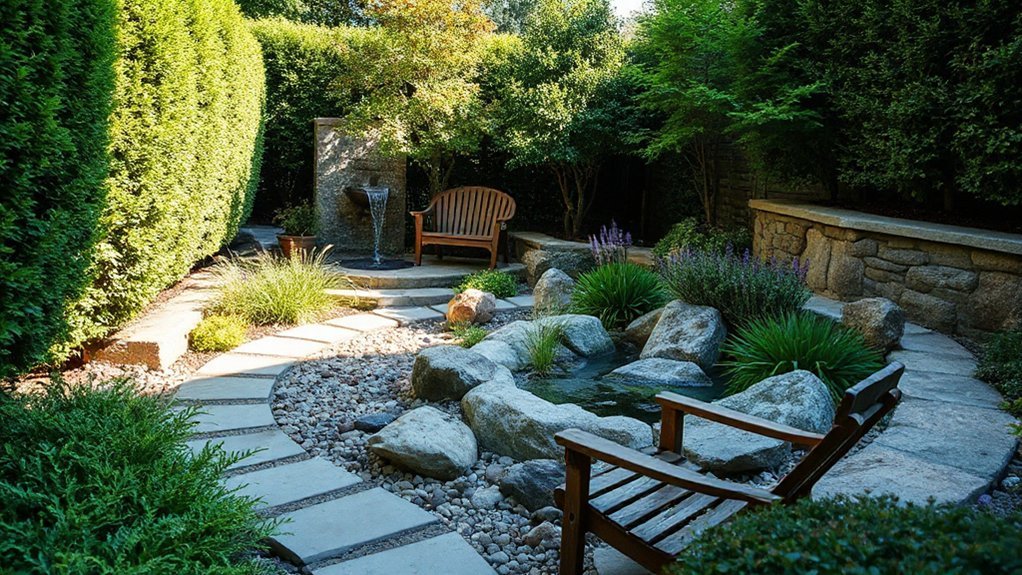
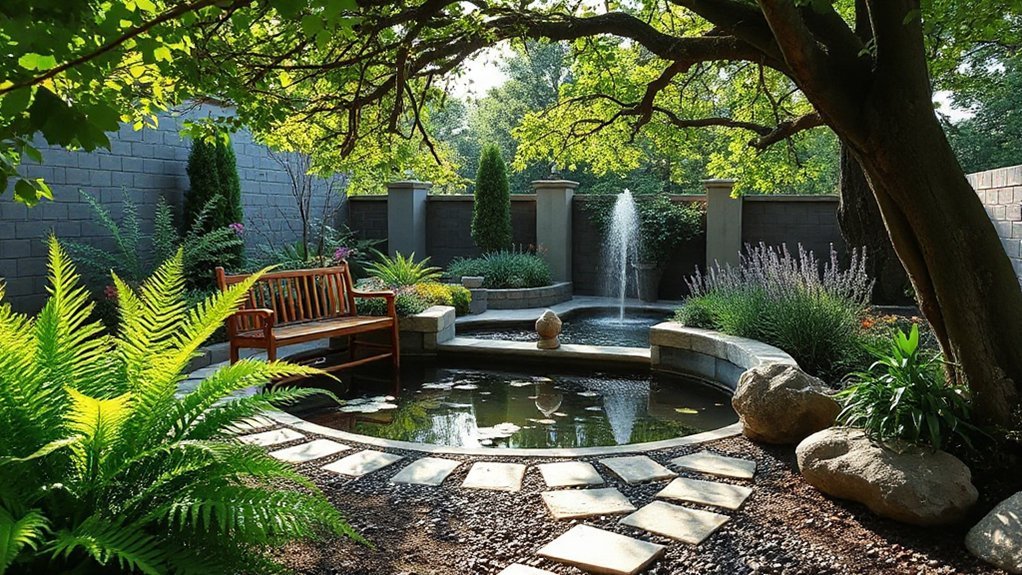
Water features should fit the scale of a small garden and enhance movement through the space. Choose options that don’t overwhelm pathways or sightlines, and prioritize quiet, gentle sounds.
A water garden can be a compact focal point, using shallow trays, stacked stones, or a container landscape that echoes surrounding plantings. Consider maintenance needs, accessibility, and seasonal interest when selecting materials and finishes.
Floating features add drama without bulk, keeping surfaces open for foot traffic and seating. Assure secure placement and slip resistance around edges.
Balance height, texture, and color to harmonize with existing textures.
- Small water garden with a shallow basin and aquatic plants
- Floating features layered above a calm surface for reflection
- Subtle fountain or micro-jet for soft movement and sound
Hide Clutter With Smart Storage in Small Spaces
Smart storage is the backbone of a tidy small garden. You optimize space by selecting compact, multi-function pieces that keep essentials out of sight yet accessible.
Start with discreet benches or ottomans that open for tools, cushions, or seeds, combining seating and storage in one unit.
Install wall-mounted shelves to hold garden furniture accessories, pots, and outdoor art, freeing floor space for movement.
Choose stackable or foldable items to adapt to changing needs without bulk.
Use labeled bins or transparent containers so you can locate items quickly, reducing clutter-driven stress.
Tuck electrical cords and hoses into dedicated, ventilated cabinets to prevent tangling.
Maintain a routine: return items after use, purge unnecessary clutter, and reassess storage as your garden evolves.
Use Color Schemes That Feel Spacious and Soothing
Choosing color schemes that feel spacious and soothing starts with a limited, cohesive palette. You’ll use color psychology to select tones that visually expand space and reduce clutter, then align them with a calm mood.
Begin with a dominant light hue, add a couple of supportive accents, and limit contrasts to maintain harmony. Keep surfaces, furniture, and plant containers within the same tonal family to reinforce color harmony and create seamless progressions.
Test combinations in natural light, noting how shadows shift the feel across the day. Document preferred swatches, then apply consistently across walls, textiles, and accessories to preserve flow. This disciplined approach prevents jarring focal points and supports restful atmospheres throughout the garden.
- Choose a dominant light base with 1–2 complementary accents
- Prioritize soft, low-contrast gradations for cohesion
- Validate palette in daylight before committing
Plan Seasonal Transitions for Year-Round Calm
Plan seasonal shifts so your garden feels calm year-round by aligning plant choices, textures, and hardscape elements with the changing light and temperatures. You’ll map bloom windows and shade patterns, then select species that compliment progressions rather than clash.
Use layered textures—soft leaves, coarse grasses, and reflective surfaces—to maintain visual interest as seasons rotate. Implement a modular maintenance plan: prune, mulch, and edge on a fixed rhythm, adjusting water and fertility to demand.
Integrate Wildlife attraction features—native nectar sources, sheltered nooks, and pollinator-friendly seed heads—to sustain activity yearlong.
Employ Vertical gardening where space is tight; trellises and living walls create vertical greenouts that conserve ground area while yielding continuous color.
Finally, timeline progressions to minimize abrupt changes, preserving a calm, cohesive mood.
Quick, Budget-Friendly Upgrades You Can Do Now
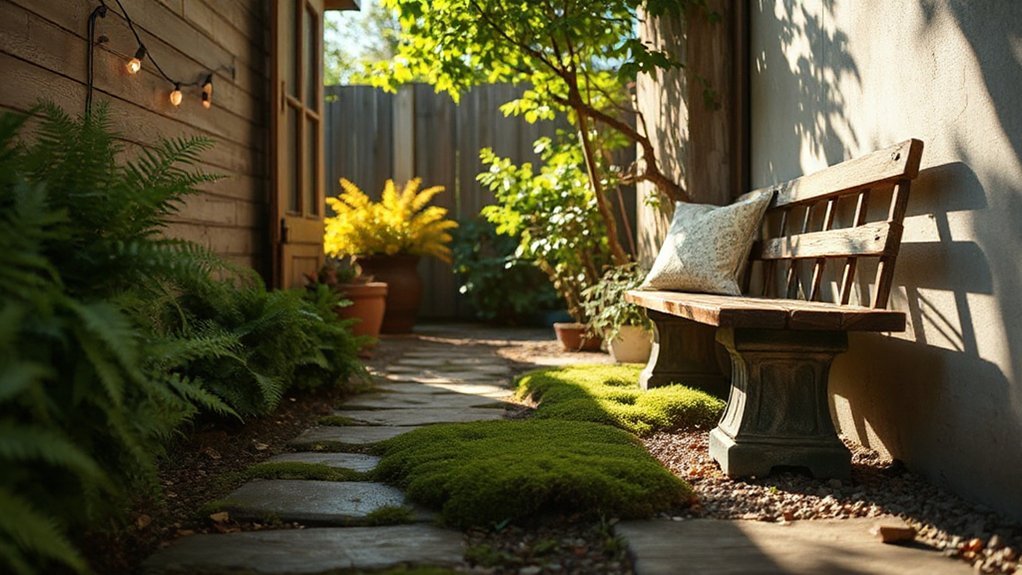
You can start with a quick deck refresh—clean, repaint, and seal any worn surfaces to boost mood and durability.
Pair this with budget-friendly plant picks that add color and structure without breaking the bank.
Together, these easy upgrades establish a tranquil, inviting foundation for your small garden oasis.
Quick Deck Refresh
A quick deck refresh starts with a focused, budget-friendly plan: assess the space, identify the small upgrades that yield the biggest impact, and prioritize safety and durability. You’ll measure load capacity, inspect boards, and map traffic patterns to minimize future repairs.
Choose cost-effective enhancements that sharpen function and feel, without overhauling the deck framework. Apply durable finishes, add weatherproof cushions, and tuck in compact storage to reclaim surface area.
Integrate garden art and insect habitats as focal points to elevate mood and biodiversity. Keep the vibe cohesive with neutral tones and subtle textures that blend with greenery.
Plan for maintenance intervals to preserve beauty and safety over time.
- Refresh with a weatherproof sealant
- Add low-profile lighting and non-slip accents
- Introduce compact, decorative planters
Budget-Friendly Plant Picks
To maximize impact on a tight budget, start with fast-growing, low-cost plants that suit your climate and sun exposure. You’ll prioritize versatile selections that fill space quickly and endure neglect.
Choose perennials or self-seeding annuals to reduce replanting costs, and mix in a few drought-tolerant varieties for reliability.
Plan layering: groundcovers, mid-height shrubs, and vertical accents to maximize visual impact with fewer specimens.
Shop local plant swaps, discount bins, and propagated cuttings to cut expenses further.
Implement DIY watering with drip lines or soaker hoses to minimize waste and maintenance.
For pest control, select companion plants and encourage beneficial insects, then monitor closely and target only afflicted areas.
Label specimens clearly and stagger planting to extend seasonal interest without overspending.
Frequently Asked Questions
How Much Privacy Will a Tiny Garden Reasonably Provide?
You can expect modest privacy in a tiny garden, often enough to feel hidden from neighbors at eye level. Choose garden fencing with tall panels or lattice to block line of sight, plus evergreen shrubbery for year-round coverage.
Add privacy screens near seating or entry points to create intimate nooks. Consider layering heights and textures, maintain sightlines, and guarantee ventilation.
Regular trimming prevents gaps, keeping the space cohesive and noticeably secluded.
Can I Install a Water Feature Without Pests?
Yes, you can install a water feature without pests. Start with pest prevention: seal gaps, remove standing water, and choose a sealed, filtered pump.
Select features with enclosed basins and screened intakes, and keep vegetation trimmed away from the unit.
Use a self-contained fountain or pond liner with a tight lid.
Maintain routine cleaning, treat water as needed, and cover during non-use seasons.
Regular inspections reduce pests while you enjoy the water feature.
What Budget Yields the Most Calming Effect?
A realistic budget for the most calming effect is modest but focused. Start with budget planning that assigns priority to soothing elements, like soft lighting, natural textures, and quiet plantings.
Allocate the bulk to a durable seating area and a simple water feature if pest-free is guaranteed. You’ll maximize impact by layering scent, sound, and shade, then adjust as you observe.
Stay disciplined, track costs, and refine until the space feels effortless and serene.
Do Indoor Plants Work Outdoors in Small Spaces?
Indoor outdoor plants can work outdoors in small spaces, with caveats. You’ll want durable varieties, sun exposure matching each plant, and proper drainage.
Choose container gardening setups that suit your light, water, and airflow needs, then group plants for microclimates.
Use indoor-friendly soil mixes in pots, and guarantee protection from extreme weather.
You’ll enjoy greenery without overcrowding by rotating plants seasonally and monitoring moisture, humidity, and pests closely.
How Long Before the Garden Feels Truly Tranquil?
You’ll start sensing true tranquility after a few weeks of consistent care. Within 2–4 weeks, subtle shifts in lighting and plant arrangement reveal a calmer mood.
Prioritize Garden lighting to soften shadows, highlight textures, and create focal points. Pair this with careful Plant selection—low-maintenance natives, fragrance, and varying heights—to reduce clutter.
Maintain steady routines, prune thoughtfully, and let the space breathe. Soon you’ll notice a deeper, restorative atmosphere embracing you.
Conclusion
Turn your tiny patch into a living breath. Clarify goals, then carve calm with micro-zones and simple paths. Choose a low-maintenance palette that stays serene all year, and tuck seating where daylight nudges you softly. Hide clutter behind smart storage, and let color whisper rather than shout, making space feel larger. Plan seasonal shifts so quiet never leaves. With careful borders, gentle textures, and patient maintenance, your garden becomes a pocket of peace you can return to again and again.
About the Author