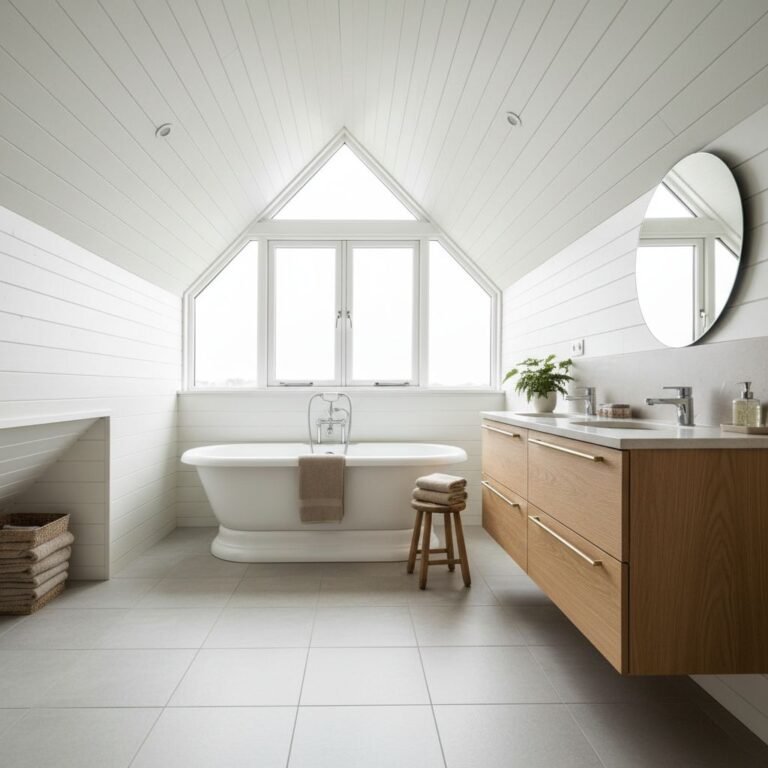

To winter-proof an older terraced house, start by locating and sealing drafts around doors, windows, and loft hatches with weatherstripping, caulk, and low-expansion foam, then recheck for airtight gaps. Upgrade insulation where it matters most—attic, roofline, and uninsulated walls—using dense batt insulation and proper air barriers, plus cost-effective window treatments. Check your boiler: correct pressure, bleed radiators, and schedule service. Improve efficiency with a smart schedule and zoning, then tackle quick maintenance like chimney care and outlet seals for lasting warmth—and there’s more to optimize.
Identify and Seal Drafts in Living Areas
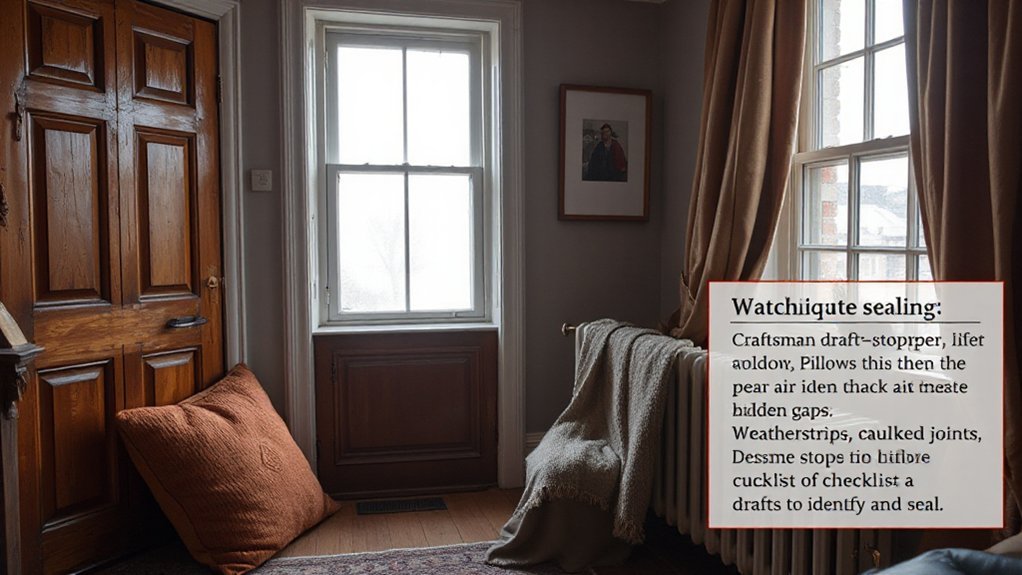
Drafts in living areas sap heat quickly and waste money, so start by locating common leakage points around doors, windows, and trim. You’ll perform careful sight, touch, and feel checks: feel for draft at edges, listen for air movement near sills, and observe where cold air lands on upholstery.
Begin with exterior doors, then interior passages between rooms, noting gaps behind hands, weatherstrips, and under sills. Use a flashlight to reveal light peeking through or thinning sealant.
For draft detection, mark gaps with painter’s tape so you don’t lose track. Apply precise sealing techniques: foam or low-expansion sealant for larger voids, weatherstripping for movable joints, and caulk for fine cracks.
Re-check after a test-close, ensuring airtight, aesthetically tidy results without overstuffing.
Upgrade Insulation Where It Matters Most
Start with the spaces that lose heat first: the attic, roofline, and uninsulated walls surrounding the main living areas. Prioritize high‑impact insulation upgrades where heat escapes most: attic hatch sealing, copper‑backed or foil sedge boards, and dense batt insulation in uninsulated roof spaces.
In walls, add or upgrade wall insulation where access is feasible, focusing on exterior corners and party walls that transfer heat to neighboring rooms. Choose breathable, properly fitted materials to avoid moisture buildup.
For windows, lean on window treatments as a cost‑effective barrier; thick lined curtains and external shutters reduce heat exchange without compromising light.
Align insulation with air barrier integrity, then test for cold spots and address them promptly.
Maintain aesthetics with tidy penetrations and hidden framing upgrades that won’t detract from period character.
Check and Tune Your Boiler for Winter
Is your boiler ready for winter, or could a quick tune save you from chilly evenings and high bills?
- Check boiler pressure and reset to the manufacturer’s target
- Bleed radiators to remove trapped air, then top up pressure if needed
- Inspect for leaks, corrosion, or unusual noises during operation
- Verify thermostat calibration for accurate room temperature
- Schedule a professional service before peak demand
Radiator placement matters: ensure heat isn’t blocked by furniture and that radiators aren’t overshadowed by curtains.
Thermostat calibration matters too: set a comfortable baseline and adjust for occupancy.
Keep access clear to the boiler and pipes, and note any frost-risk areas.
With precise checks and a quick tune, you boost efficiency, comfort, and reliability.
Optimize Heating Schedule for Efficiency
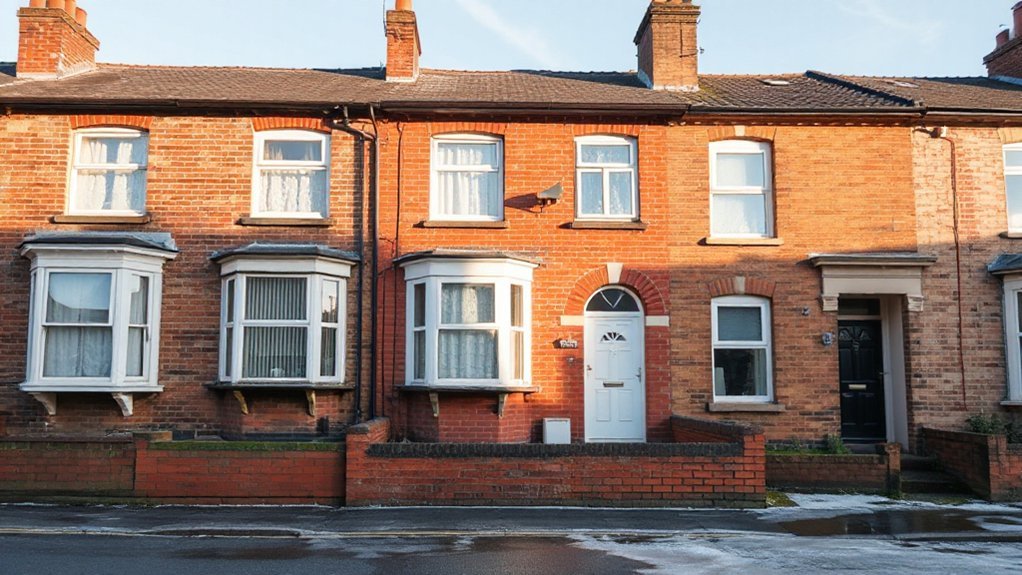
To optimize efficiency, map out a heating schedule that mirrors your daily routine and the home’s thermal behavior. You’ll gain consistent comfort without chasing heat.
Use a smart thermostat to establish automated ramps: preheat before wake, hold a steady daytime temp, and lower after you leave or at night.
Focus on zones where walls, floors, and ceilings store heat differently; implement zoning strategies so unused rooms aren’t heated equally.
Program gradual transitions rather than abrupt changes to avoid temperature swings and fuel waste.
Calibrate with live data: compare room-by-room temps against setpoints and adjust margins by a degree or two.
Prioritize doors, windows, and stair wells that act as heat bridges.
Review weekly, refine patterns, and let occupancy signals refine your schedule.
Quick Maintenance Tips to Stay Warm All Season
Even with smart scheduling, a few quick maintenance tweaks can keep you warmer all season. You’ll reinforce comfort with targeted steps that respect space and budget, focusing on efficiency and finish.
- Inspect and tidy the fireplace regularly, removing debris and scheduling professional chimney cleaning as needed for fire safety and better heat return.
- Check the damper and flue operation to ensure ideal airflow control.
- Apply window weather stripping to reduce drafts, sealing gaps at sashes and frames.
- Seal outlet and pipe penetrations to cut heat loss without compromising ventilation.
- Test insulation around doors and attic hatch, adding weatherproofing where necessary.
These measures deliver steady warmth, less heat loss, and a more precise, future‑proofed home.
Frequently Asked Questions
How Do I Find Hidden Drafts Beyond Obvious Gaps?
You inspect crevices with a candle, then use a smoke pencil to reveal attic insulation gaps and chimney drafts. Seal unseen leaks carefully, add attic insulation where needed, and install draft reducers to curb persistent cold spots.
What’s the Best DIY Sealant for Old Sash Windows?
“Seal it like a pro,” and you’ll curb drafts with the best DIY sealant for old sash windows. Use window insulation thoughtfully, focus on sealant application, and pick a flexible, paintable sealant for long-lasting, tidy results.
Can Weatherstripping Reduce Heat Loss Without Replacing Frames?
Yes, weatherstripping reduces heat loss without replacing frames. You should pursue insulation upgrades and consider window coverings to maximize efficiency, focusing on tight seals, breathable barriers, and aesthetically precise finishes for durable, comfortable living spaces.
Are Secondary Measures Necessary for Solid Brick Walls?
Yes, secondary measures are useful for solid brick walls, especially when historic preservation matters. You should balance structural reinforcement with insulation, ensuring no harm to fabric, so you preserve heritage while improving energy efficiency and safety.
How Often Should I Bleed Radiators in Winter?
You should bleed radiators when you notice cold spots or gurgling, about once a month in winter. This radiator maintenance routine keeps heating efficiency high, minimizes air locks, and preserves consistent warmth with practical, precise, aesthetically restrained guidance.
Conclusion
As you winter-proof, you’ll feel the difference in comfort and bills. Seal drafts in living areas, upgrade key insulation, and guarantee your boiler is tuned for peak efficiency. Set a smart heating schedule that targets rooms you use most, and perform quick seasonal checks to avoid cold surprises. Fun fact: a well-sealed 2% air leakage can cut heating losses by about 10–20%—that’s like shaving a full degree off the thermostat without sacrificing warmth. Stay vigilant, stay cozy.
About the Author