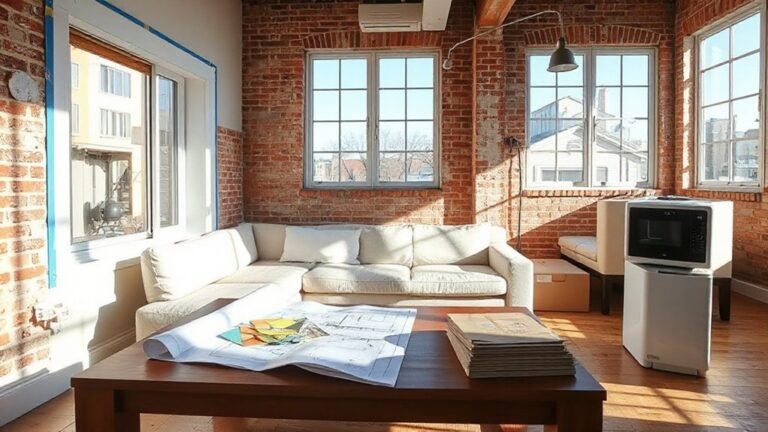
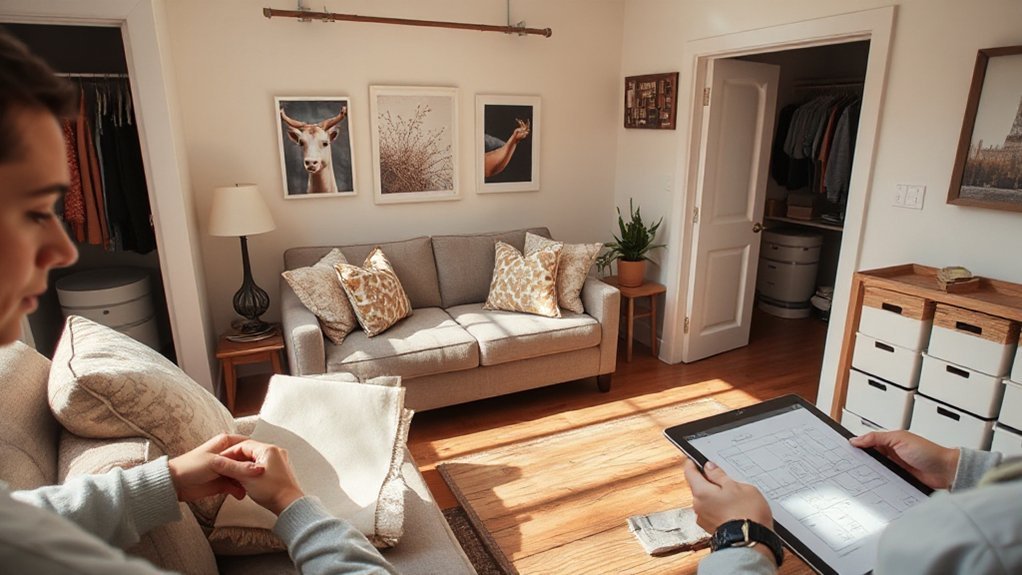
Working with an interior designer on a tight budget means you set clear goals, firm limits, and practical milestones from the start, then keep a steady hand on scope, fees, and decisions. You’ll want transparent quotes, phased deliverables, and a plan that favors high-impact, low-cost choices. Stay organized, question every line item, and insist on cost-saving options like secondhand finds or upcycling. Keep expectations grounded and progress measurable, so you don’t drift off target as you move forward.
Key Takeaways
- Define a realistic budget with clear categories (essentials, enhancements, contingencies) and a 10–15% cushion for surprises.
- Align scope, milestones, and deliverables upfront; document decisions to prevent scope creep and keep budgets in check.
- Choose a designer with transparent fees, detailed proposals, and proven experience; establish regular, transparent communication cadences.
- Prioritize cost-efficient design: durable materials, cohesive color palettes, and high-impact focal elements to maximize value.
- Source smartly: consider thrifted/upcycled items, bulk dealer deals, and clear single-point communication to avoid overruns.
Set a Realistic Interior Design Budget: Step-by-Step Allocation

Start by listing all the rooms and areas you want to redesign, then assign a realistic dollar amount to each based on importance and current condition. You’ll map priorities with precision, not guesswork, so your budget reflects actual needs.
Begin with a total you can live with, then split it into categories: essentials, enhancements, and contingencies. Use design prioritization to decide which rooms face immediate updates and which can wait.
Allocate a base for each space, then add small, high-impact upgrades only if funds permit. Build in a 10–15% cushion for surprises and material price shifts, keeping budget flexibility in mind.
Track expenditures weekly, adjust allocations before orders, and stay laser-focused on value, durability, and cohesion. This disciplined approach keeps you moving forward without overcommitting.
Choose the Right Designer: Criteria That Protect Your Budget
Choosing the right designer starts with clear, budget-focused criteria you can verify up front. You’ll evaluate how a designer handles cost control, sourcing, and transparency before you commit.
Look for documented Budget considerations, including fee structures, estimate limits, and contingencies, so overruns don’t surprise you mid-project. Ask for a written proposal that breaks down each line item and potential price drivers, not vague assurances.
Confirm Designer credentials, such as licensing, professional affiliations, and verifiable project experience in spaces like yours. Request client references and a portfolio of comparable projects to gauge value, durability, and sustainability.
Finally, discuss communication cadence and decision timelines; the right designer respects your budget, communicates clearly, and delivers measurable outcomes, not excuses.
Define Scope Upfront: What’s In and What’s Out
Define deliverables up front so you know exactly what you’re getting and by when.
Set budget milestones—what gets paid at each phase and why—so you can track cost and avoid scope creep.
Clarify what’s included or out of scope to prevent surprises and keep the project on track.
Define Deliverables Clearly
Clearly spell out what’s included and what isn’t in the project scope, so you avoid scope creep and budget blowouts. Define deliverables upfront, listing concrete outputs you’ll receive, and the timelines you expect. This keeps decisions focused on reality, not wishful thinking.
- Color palette decisions and final swatches
- Detailed furniture placement plan with room-by-room layout
- 2-3 shopping lists or product sources with price ranges
- Fabric, finishes, and material selections with finish schedules
Anchor outcomes to budget constraints: specify quantity, dimensions, and compatibility with existing pieces. Include review points and sign-offs to prevent drift. Clarify who handles sourcing, shipping, and installation, plus any vendor substitutions.
Ask for project milestones in writing. Keep deliverables measurable and tied to your goals, so you can evaluate progress without ambiguity.
Allocate Budget Milestones
To keep costs predictable, set budget milestones that tie every decision to a concrete spending cap. You’ll define what’s in and what’s out early, so you don’t chase white-noise trends.
Start with a ceiling per room and a total cap for major items (sofas, lighting, storage). Break milestones by phase: concept, selections, orders, and installation.
At each stage, confirm whether choices fit the current budget constraint before proceeding. Document any deviations and adjust the timeline or scope as needed to preserve design flexibility without blowing the budget.
Build contingencies into each milestone for unexpected costs. Communicate these caps to vendors and your designer, so you preserve budget constraints while maintaining essential quality and function.
Cost-Saving Design Strategies That Deliver Big Impact
Focus on budget-friendly materials that still read premium, like laminate that mimics stone or ceramic tile with a long wear life.
Pair those choices with smart focal points—one strong, well-lit feature wall or centerpiece furniture—so you get big impact without overhauling the whole space.
Use your designer to map durable finishes and a few high-impact textures at low total cost.
Budget-Friendly Materials
If you’re aiming for a high-end look without blowing your budget, start by choosing durable, cost-effective materials that hide wear and age gracefully. Focus on surfaces that resist scratches, stains, and moisture, then mix textures to read as luxe without the price tag.
Eco friendly options and recycled materials can punch up character while staying mindful of costs. Prioritize simple installation and standardized sizes to cut labor, and select finishes that endure. Plan for easy replacements later, not full overhauls.
Keep color palettes cohesive to avoid costly mismatches.
- Durable laminates and quartz-look countertops with realistic edges
- Recycled glass, tile, or composite for backsplashes
- Engineered wood or PVC trim that mimics solid wood
- Low-maintenance fabrics and performance textiles
Smart Focal Points
Strategic focal points can amplify a tight-budget project without increasing costs. You’ll choose a few high-impact areas to anchor the room, guiding your designer to allocate attention and budget there.
Start with color palettes that create perceived space: lighter neutrals on walls, coordinated accents, and a unifying trim color. This reduces the need for multiple repaints or wholesale furniture changes.
For focal point lighting, rely on lighting techniques that sculpt shadows and highlight textures, not just fixtures. Use a single statement light paired with task or ambient layers to avoid overinvestment.
Place emphasis on texture over scale by introducing a bold rug, sculptural accessory, or contrasting cushions. Consistency in material finishes minimizes procurement complexity and future updates.
Smart Sourcing for Affordable Materials and Upcycling
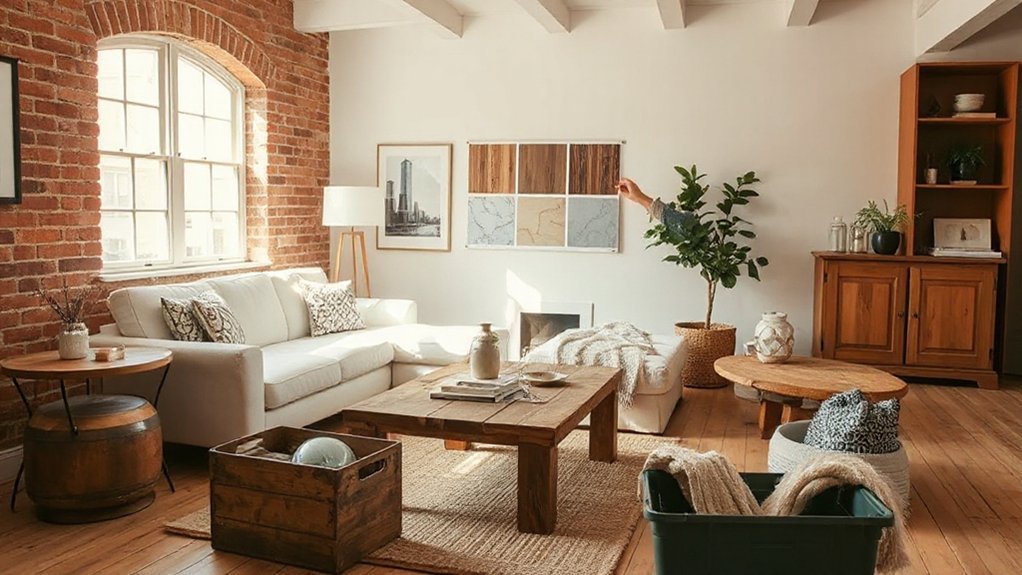
Smart sourcing means knowing where to find affordable materials without compromising quality, and it starts with a practical plan. You’ll maximize value by targeting sources that respect your budget while preserving design intent. Focus on durability, free or low-cost finishes, and easy upgrades through upcycling materials.
Reliable affordable sourcing comes from a mix of wholesalers, flea markets, and mispriced inventory, then testing a small batch before full commitment.
- Rehome and repurpose: thrifted, surplus, or reclaimed items with solid structure
- Light refurbishing: sand, paint, or stain to refresh instead of replace
- Supplier relationships: negotiate bulk or closeout deals for steady pricing
- Documentation: compare costs, weight, and return options to avoid impulse buys
This approach keeps projects cohesive, scalable, and budget-aware.
Communicate Effectively: A Clear Path to Stay on Track
Clear, ongoing communication keeps a tight-budget renovation from spiraling into scope creep. You stay aligned by setting a single point of contact for decisions and by confirming every change in writing.
Establish a simple brief: room goals, priority zones, and non-negotiables. Use a shared checklist to track tasks, deadlines, and approvals, and reference it before every guest or contractor call.
When discussing Color schemes, agree on a limited palette to avoid repeated swaps; document color codes and finishes to prevent misfires.
For furniture placement, share layout sketches or photos and capture measurements upfront, so the designer can verify fit before ordering.
Schedule brief, regular check-ins to review progress, budget impact, and any alternate options, keeping decisions deliberate and transparent.
The First Collaboration Phase: What to Expect and Do Next
The first collaboration phase unfolds as you and the designer align on scope, budget, and a realistic timeline, then map the quickest paths to your top priorities. You’ll define deliverables, decision points, and milestones so expectations stay clear and measurable.
Expect a focused, data-driven exchange: what’s feasible, what’s not, and where compromises land. Use this time for creative brainstorming, but anchor ideas to the budget and practical constraints. Document decisions to prevent scope creep, and confirm client expectations before moving forward.
Stay proactive, ask questions, and flag concerns early. Clear communication now saves rework later.
- Define scope, milestones, and decision points
- Prioritize ideas by impact and cost
- Agree on a transparent budget and contingency
- Schedule regular check-ins and updated briefs
Frequently Asked Questions
How Can I Guard Against Scope Creep on a Tight Budget?
To guard against scope creep on a tight budget, you set clear deliverables and milestones, and you lock them into a written brief.
You track decisions, approvals, and changes, pricing every item, and you require cost-safe alternatives.
You keep communications concise, with weekly check-ins.
You build in a contingency and opt for budget friendly, scalable solutions.
You maintain style flexibility, so you can pivot without blowing the budget.
You’ll stay pragmatic, detailed, and financially disciplined throughout.
What Hidden Costs Should I Anticipate Beyond Designer Fees?
Hidden costs to anticipate include material costs and project timelines, so you’re not blindsided. You’ll want to budget for delivery fees, installation surcharges, and potential restocking or disposal charges.
Track scope changes carefully, and confirm if trades require permits or fees. Expect tax, warranty limits, and furniture assembly costs.
You’ll save by batching purchases, scheduling touchups during downtime, and choosing readily available finishes.
Stay proactive, document milestones, and revisit the schedule and costs weekly.
Can I Negotiate Design Deliverables Without Compromising Results?
Yes, you can negotiate design deliverables without compromising results. Start with clear priorities, separating must-haves from nice-to-haves.
Propose phased deliverables and a realistic timeline, then ask for budget-friendly options like material substitutions or DIY-ready plans.
Use negotiation tactics such as bundled pricing for multiple rooms or capped revisions. Communicate cost limits upfront, and request itemized proposals.
You’ll protect quality while staying budget-friendly, ensuring a practical scope that still meets your goals.
How Do I Compare Proposals for Comparable Value?
To compare proposals for comparable value, you measure deliverables, timelines, and total cost side by side.
Create a grading rubric: scope clarity, material sourcing options, and vendor selection quality.
Ask for itemized line items, contingency plans, and sample vendors.
Verify compatibility with your budget and style goals, then weight value over price.
Look for transparency in sourcing, access to preferred suppliers, and realistic lead times.
Choose proposals that maximize quality per dollar while minimizing risk.
What Disclosure Should I Request About Designer Conflicts of Interest?
Ask for full disclosure of any conflicts of interest, including commissions, rebates, or designer-owned vendors.
Request a written conflicts-of-interest policy and inquire about how they handle bid transparency.
Look for commitments to Designer ethics and independent project management, not inflated recommendations.
Include a conflict resolution clause detailing steps if issues arise.
You’ll want budget-conscious, practical terms: define who pays for changes, who selects trades, and how decisions are documented to prevent bias.
Conclusion
If you want a chic space without bankrupting yourself, you’ll play this like a well-tuned budget symphony: plan, prune, and pounce on bargains. You’ll mock excess, not efficiency, and salute every thrifted treasure as a victory for pragmatism. Expect transparent invoices, milestone sign-offs, and fewer “designer surprises” than a magician’s bad tricks. Stay ruthless with scope, honest with costs, and celebrate the small wins—the feature wall, the upcycled chair, the perfect paint shade—because budget-smart design is quietly heroic.
About the Author