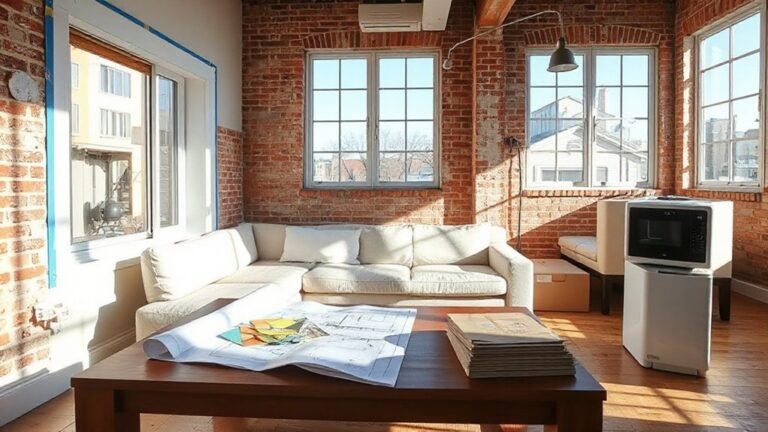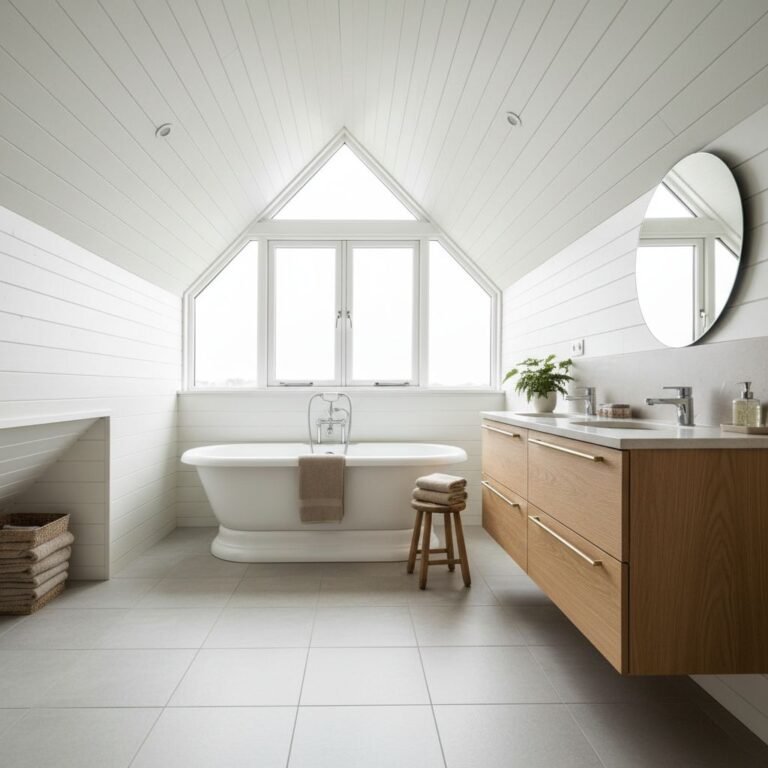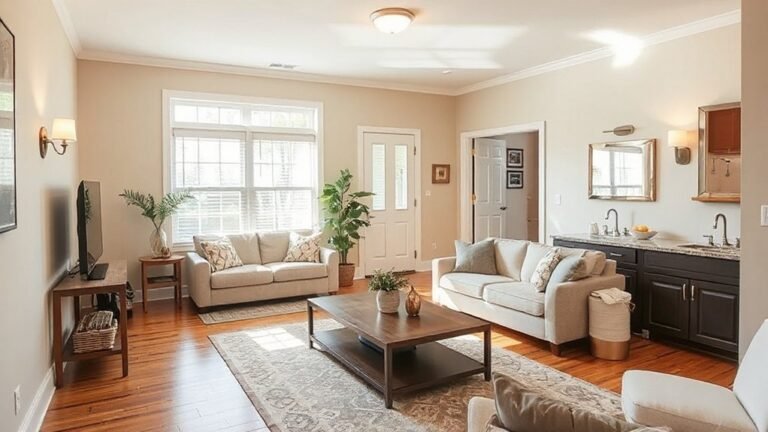
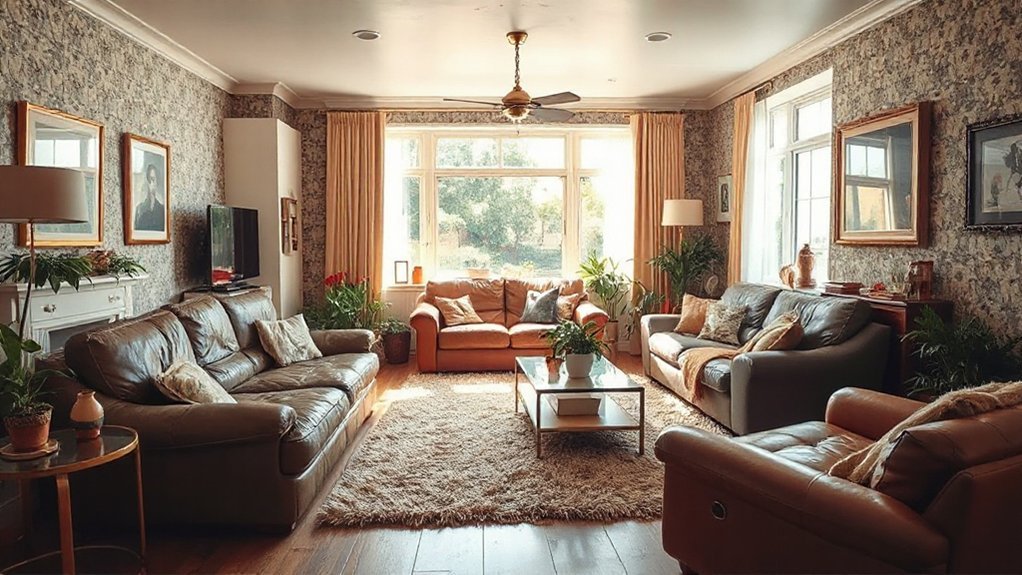
You’ll want to spot trends that age quickly and pivot toward timeless design—think neutral palettes, classic silhouettes, and flexible furnishings. Don’t chase loud colors, gimmicky textures, or novelty pieces that scream “through the years.” Instead, build with quality materials, handcrafted details, and modular, adaptable furniture. The key is subtle personalization that won’t scream era. Curious how to balance scale, lighting, and a personal touch to keep spaces relevant for years to come? Let’s start with a practical plan.
Key Takeaways
- Prefer timeless palettes and textures over fleeting trends to maintain lasting appeal and cohesive spaces.
- Use modular, reconfigurable furniture with hidden storage to adapt as tastes and needs change.
- Emphasize layered lighting, ergonomic layouts, and clear sightlines for enduring functionality.
- Integrate handcrafted details and meaningful objects to personalize without chasing trends.
- Schedule regular, low-effort updates and seasonal refreshes to keep spaces current without major overhauls.
How to Choose Timeless Neutral Colors
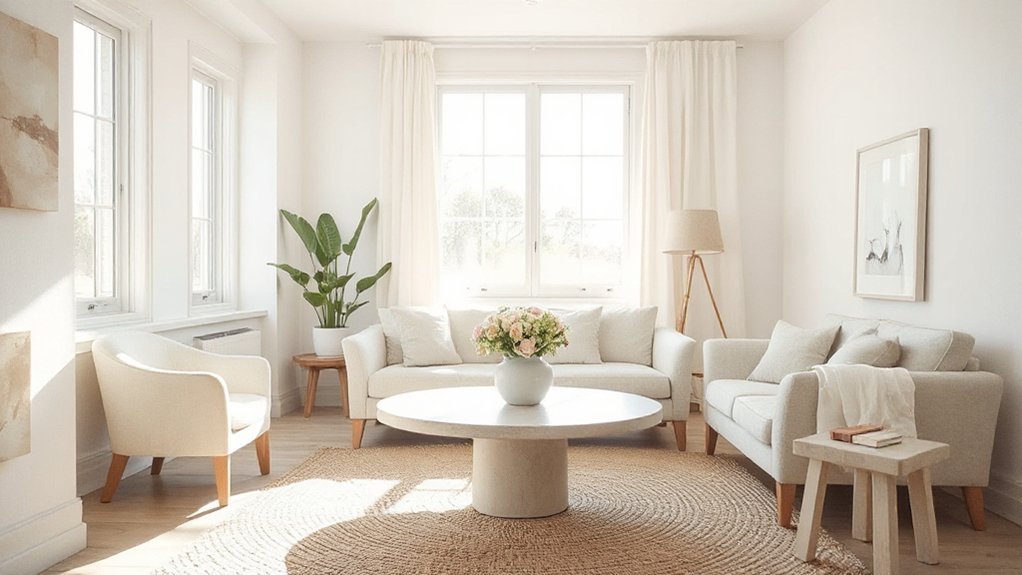
Neutral colors form the backbone of a timeless interior, so start by identifying hues that feel calm and versatile in every lighting condition. You’ll base choices on how color psychology influences mood, selecting neutrals that support focus, relaxation, and clarity.
Prioritize undertones that harmonize with your space’s natural light: warm whites for coziness, cool grays for modern balance, or stone tones for adaptable elegance. When you plan paint finishes, lean toward eggshell or satin for practicality—easy to clean, forgiving on walls, and softly reflective without glare.
Test swatches at multiple times of day to gauge depth and temperature shifts. Consider how adjacent colors interact, ensuring a cohesive palette rather than a collection of competing neutrals.
Document your selections for future touch-ups and reimagining.
Balance Scale and Texture for Timeless Rooms
You’ll balance spaces through thoughtful proportion, aligning scale with function so rooms feel steady rather than crowded.
Texture adds depth, with tactile contrasts that invite you to touch and linger without overpowering the overall harmony.
Start by testing pairs that emphasize proportion and material variation, then refine until every element reads as timeless.
Balance Through Proportion
When aiming for timeless rooms, balance isn’t a guess but a calculated outcome: use proportion to tune scale and texture so each element supports the whole.
- Align furniture footprints with room proportions to establish proportional harmony
- Vary textures within a cohesive scale to maintain visual cues without overwhelming
- Use height and width contrasts to create visual equilibrium across zones
- Favor understated patterns that repeat at a controlled size and spacing
- Apply color weight strategically, letting darker accents ground lighter surroundings
This approach keeps rooms feeling intentional, not trendy. You’ll guide attention where you want it, reducing clutter while preserving depth.
Proportional harmony becomes your diagnostic: if something feels off, adjust scale, cadence, or texture until the composition reads as unified. The result: durable interiors that age gracefully.
Texture For Depth
Texture adds depth by translating depth from space into tactile cues you can feel. You’ll create a richer room by pairing surface textures that contrast without clashing. Aim for textural contrast between fabrics, finishes, and natural materials to keep the eye moving without visual noise.
Start with a solid foundation—sleek wood, matte walls, or a polished stone—and layer tactile elements that invite touch. Introduce textiles with varied weave, pile height, and sheen to establish depth, then balance with smooth metals or glass to prevent heaviness.
Consider scale and repetition: repeat a texture in small doses across cushions, throws, and accents. This tactile layering supports timelessness, helping space read as curated rather than styled to a trend.
Layer Lighting for Mood and Function
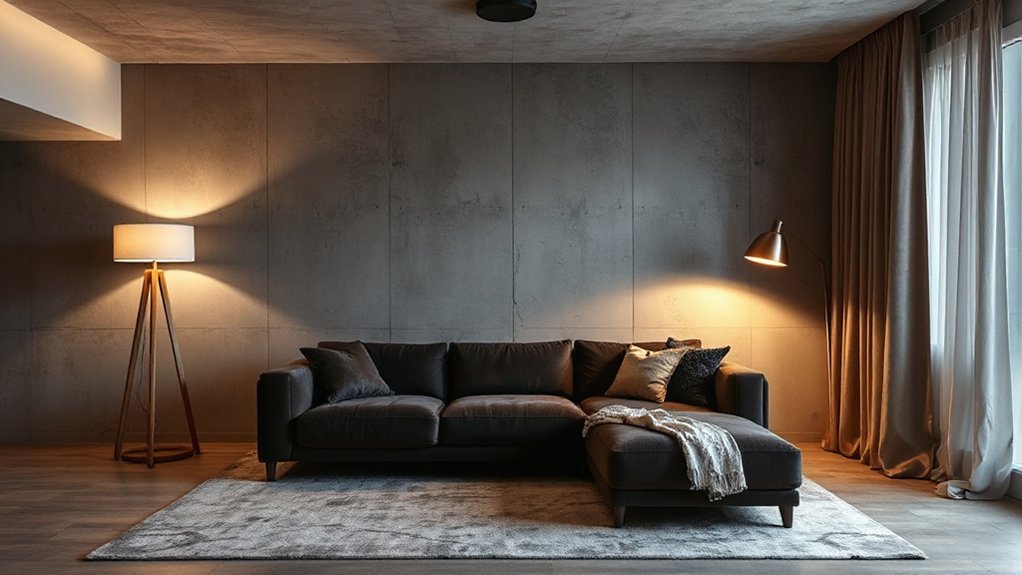
Layering lighting isn’t just about brightness—it’s about shaping how a space feels and functions. You’ll blend ambient layering with task and accent lights to create depth, flexibility, and mood enhancement without glare.
Start with a dimmable layer to set the room’s baseline, then add task lighting where you read, cook, or work, and finish with targeted accents to emphasize texture and color.
Use smart controls to switch scenes for daily routines or entertaining. Choose materials and fixtures that stay timeless, not trendy, so the glow remains intentional.
- Set dimmable ambient lighting as the foundation
- Add task lighting at eye level for clarity
- Integrate accent lights to highlight art or architectural features
- Create contrast with warmer and cooler temperatures
- Program scene presets for mood and function
Furniture Silhouettes That Endure
Mid century silhouettes offer a tested balance: slim profiles, integrated arms, and generous seating depth that invite use without overwhelming a room. Favor classic wood frames for endurance and warmth, pairing them with restrained upholstery and neutral tones to maximize adaptability.
Avoid over-tugging on current fads; instead, aim for modularity and configurability so the pieces reconfigure with minimal effort. Pay attention to scale relative to the room and other furnishings, ensuring sightlines stay open.
Invest in heirloom-ready construction: sturdy joinery, solid wood, and durable finishes that resist wear while aging gracefully. Your room remains coherent as trends shift.
Personalize Your Home Without Following Every Trend
Personalize your home without chasing every trend by prioritizing what feels durable, livable, and true to you. You’ll create spaces that age gracefully, reflective of your life, not a fashion cycle. Focus on textures, finishes, and a core palette that resonates, then layer personality with thoughtful accents.
Avoid overfilling; curate with intent so each piece earns its place. Embrace personal expression through meaningful objects and handcrafted details that tell your story. Let unique character emerge from a mix of timeless foundations and one-off finds.
Practice restraint, then celebrate small, deliberate changes as your tastes evolve.
- Favor quality over quantity with durable materials
- Integrate handcrafted touches for authenticity
- Use a consistent color backbone
- Highlight stories behind objects
- Refresh with purposeful, low-effort updates
A Step-by-Step Plan to Future-Proof Your Interiors
You’ll start by outlining a Future-Proof Materials Playbook, choosing durable, low-maintenance options that adapt as needs shift.
Next, ground your plan in Timeless Layout Principles—flexible spaces, clear sightlines, and scalable zones that grow with you.
Finally, build in Agile Decor Adaptations so a few strategic swaps keep the look fresh without overhauling the core design.
Future-Proof Materials Playbook
Future-proofing starts with selecting materials that perform now and endure as trends shift. You’ll build resilience by prioritizing durability, repairability, and minimal maintenance, while keeping a keen eye on adaptability.
This playbook guides you step by step to choose sustainable materials and adaptable finishes that age gracefully without sacrificing style.
- Assess wear zones and living patterns to match material behavior with duty
- Favor sustainable materials with documented longevity and repair options
- Favor finishes that can be refreshed or recoated rather than replaced
- Prioritize modular or reversible elements for easy updates
- Document compatibility between substrates, finishes, and fasteners for future tweaks
Timeless Layout Principles
With a durable materials foundation in place, timeless layout principles focus on how space behavior supports daily life today and adapts to tomorrow. You map flows, sightlines, and zones to minimize friction, ensuring rooms work in all seasons and activities.
Prioritize flexible furniture groups that reconfigure for gatherings, quiet work, or family time, so future changes require minimal effort. Build consistency through proportional scales, clear circulation, and logical anchoring points, which reduce decision fatigue.
Introduce vintage accessories sparingly to create character without dated triggers, and plan storage that stays usable as objects evolve. Use bold accent walls to mark progressions and emphasize function rather than trend.
Finally, test layouts in real use, revising layouts after a week of lived experience to sustain comfort and adaptability.
Agile Decor Adaptations
- Embrace adaptive styling with interchangeable accents
- Use flexible furnishings that reconfigure for tasks
- Favor modular units and hidden storage
- Plan clear sightlines to expand or collapse zones
- Schedule seasonal audits to refresh without overhaul
Quick Checks: Test, Tweak, and Maintain Your Timeless Space
To keep a timeless space feeling fresh, run quick checks regularly to test, tweak, and maintain its core design—so minor updates don’t become major overhauls. You’ll schedule quarterly reviews of layout flow, lighting, and texture balance, noting what delivers comfort and what feels dated.
Test color psychology by observing mood shifts in different corners after changes in lighting or art placement, and modify to preserve calm, focus, or energy as needed.
Prioritize ergonomic design: guarantee seating heights, desk distances, and walkway clearances support sustained use without strain. Tweak storage accessibility, cable management, and surface upkeep to prevent clutter.
Document findings, set measurable goals, and implement prioritized refinements promptly to sustain a cohesive, durable aesthetic.
Frequently Asked Questions
How Often Should I Reassess Timeless Design Choices for Trends?
You should reassess timeless choices every 3 to 5 years. Stay practical: watch for fading paint and outdated fixtures, and adjust before they scream “dated.” Use a forward-looking plan: note what still works, what feels stale, and what can be updated with minimal cost.
Regular checks help you avoid costly overhauls. Keep samples handy, track paint finishes, and switch fixtures in stages. This keeps your space fresh without frequent, costly gut renovations.
Can Bold Patterns Ever Be Timeless, or Are They Dated Fast?
Bold patterns can be timeless if you anchor them with timeless elements like neutral bases and quality construction. Do they date fast? Not if you use them thoughtfully.
You gain Timeless appeal by balancing scale, color, and texture, and by letting patterns serve as accents rather than the whole room. You’ll keep longevity by tailoring patterns to your lifestyle, not chasing trends, then updating with subtle swaps when needed.
What Cost-Effective Updates Can Refresh a Classic Space Quickly?
To refresh a classic space quickly and cost-effectively, swap small details rather than large fixtures.
Add Vintage accents like brass hardware, a retro rug, or a styled gallery wall to inject personality.
Refresh with Neutral palettes for walls and fabrics to keep it timeless.
Update lighting with affordable fixtures, swap switchplates, and re-seat cushions for a new feel.
You’ll gain depth, cohesion, and modern practicality without major upheaval.
Do Regional Climate or Architecture Influence Timeless Design Choices?
Regional influences and architectural styles do shape timeless design choices, you’ll notice. You should respect climate, light, and surroundings when selecting materials, textures, and layouts, because these elements amplify comfort and durability.
Use regional influences to guide color palettes and outdoor connections, while honoring architectural styles for proportion and detail.
A single metaphor—your home as a story—keeps decisions purposeful, practical, and future-ready, with forward-thinking, detail-oriented steps you can implement today.
How Do I Balance Personal Taste With Lasting Interior Trends?
You balance personal taste with lasting interior trends by prioritizing timeless foundations and using expressive details as accents. Focus on durable basics, then layer in color, texture, and personal expression that evolve with trend evolution.
Choose adaptable pieces you love and can refresh. Maintain cohesion through a consistent palette. Document changes, test before committing, and opt for quality materials.
This practical approach keeps your space current yet distinctly yours, with room to adapt over time.
Conclusion
If you want longevity, lean into timeless basics instead of passing fads. Prioritize neutral palettes, balanced textures, and modular pieces you can update with small accents. Smart lighting and enduring silhouettes keep rooms flexible for years. One striking stat: homes with adaptable, quality furnishings retain 60% more value when trends shift. Keep personal touches meaningful, not loud. Test, tweak, and maintain regularly, and your space stays fresh without sacrificing timeless appeal.
About the Author