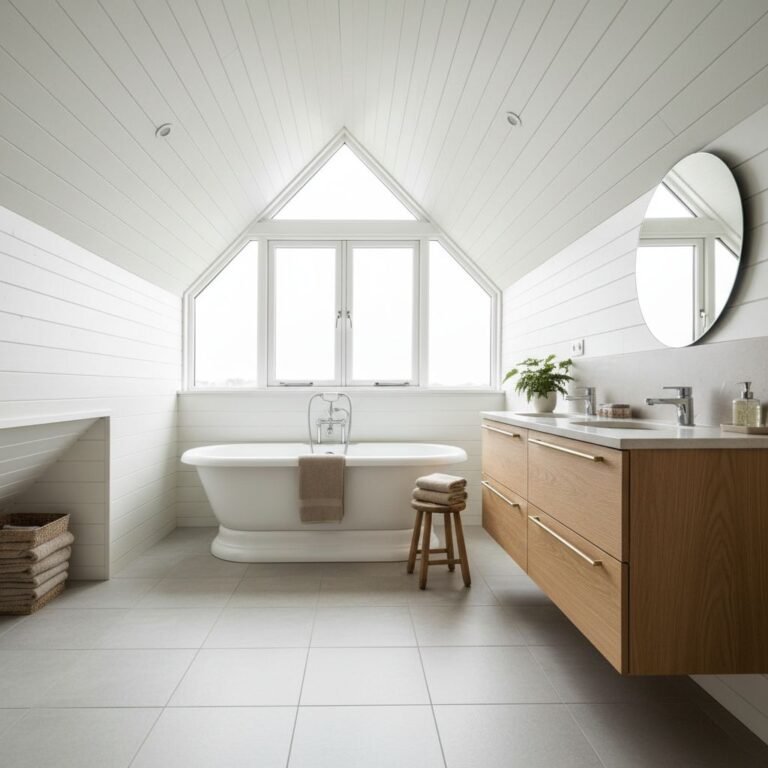
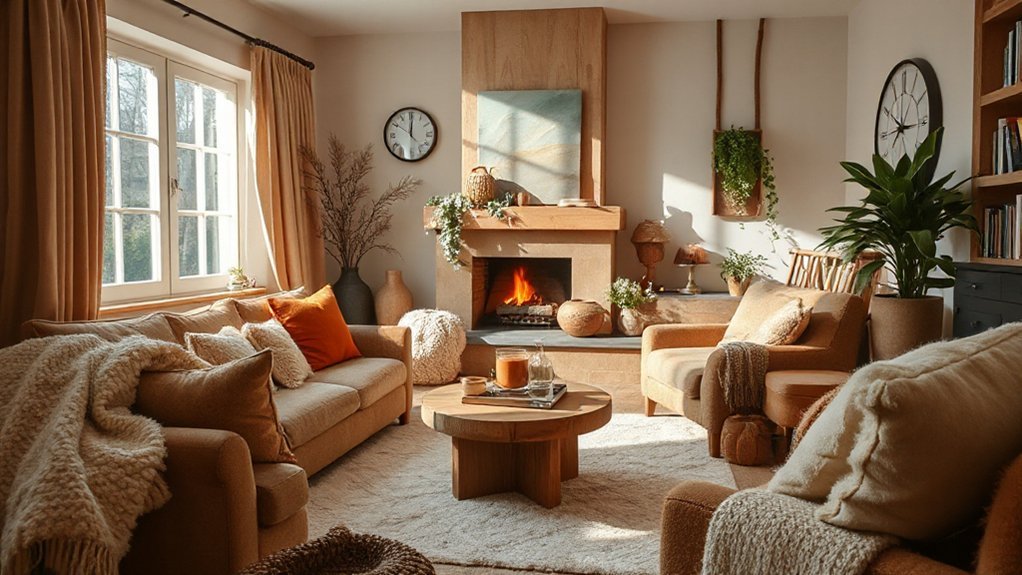
This winter, bring warmth into your UK home with tactile textures, amber and forest tones, and cozy lighting. Think low-sheen woods, wool throws, linen upholstery, and soft rugs layered over sealed timber floors. Use warm 2700–3000K lighting, dimmers, and shaded fixtures to create adaptable mood zones around a fire or seating cluster. Plan snug, conversation-friendly layouts that wrap you in warmth, then add budget-friendly touches like drafts sealing and energy-efficient LEDs. Curious about more practical tweaks? There’s more to explore.
Create a Warm, Inviting UK Winter Room: Core Cues
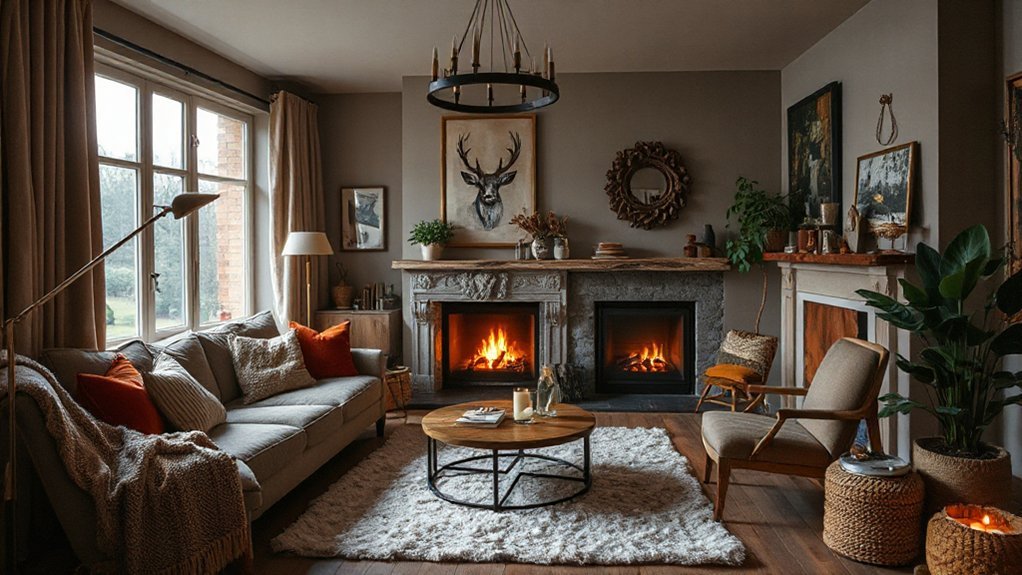
A warm, inviting UK winter room starts with a human-scale focal point and a palette that embraces warmth. You’ll anchor the space with a sofa or chair cluster that invites conversation, then layer textures—wool, linen, and felt—so tactile comfort reads instantly.
Include seasonal decor that nods to the season without shouting, like natural wood accents, eucalyptus stems, and soft throws the moment you enter. Lighting matters: combine ambient, task, and accent from warm LEDs, plus a few candles for fragrance and atmosphere.
For outdoors, extend the glow with subtle outdoor lighting along access paths or a balcony rail, creating continuity from inside to out. Keep windows clear, use insulated drapes, and test the layout from seating to screens for ideal viewing.
Choose Warm Palettes: Ambers, Greens, and Neutrals
To create a warm, inviting winter look, anchor your scheme in ambers, greens, and neutrals. Choose ambers for focal walls or accents, pairing them with earthy greens to evoke foliage still thriving indoors.
Neutral bases—creams, warm ivories, and soft taupes—keep spaces calm and versatile for seasonal decoration shifts.
Apply color psychology: amber boosts coziness and appetite for gatherings, green signals renewal, and neutrals prevent overwhelm.
Balance bold hues with matte textures and subtle sheen to avoid glare in dim winter light.
Use a restrained palette across rooms, then introduce small pops—cushions, ceramics, or art—rather than large blocks of color.
Guarantee lighting warmth to harmonize tones, and test schemes under different daylight hours for consistency.
Layer Textures for Tactile Coziness: Fabrics, Wool, and Surfaces
Layer textures invite tactile coziness by pairing plush surfaces with layered wool for everyday warmth. You’ll notice how fabric choices—think soft throws, upholstered seating, and woolen accents—create warmth through touch as much as sight.
Use warm, durable surfaces that invite lingering, like brushed fabrics and natural fibers, to anchor your winter palette.
Plush Textures To Touch
Plush textures invite warmth up close, so layer fabrics, wool, and soft surfaces in practical combinations that stay comfy from morning coffee to late-night wind-down. You’ll prioritize tactile pairings that wear well: a faux fur throw over a structured knit, velvet cushions against a matte linen sofa, and a boucle blanket folded at the foot.
Opt for depth through natural tones and subtle sheen to keep spaces inviting without overpowering. In high-traffic rooms, choose durable weaves and removable, washable covers for easy care.
Introduce texture variety with surface contrasts—soft velour, brushed cotton, and suede-like finishes—so the room feels layered yet cohesive. Finish with mindful lighting to emphasize texture, not glare, and guarantee warmth when daylight fades.
Layered Wool Comforts
Layered wool textures bring instant coziness to winter interiors, because you can mix weight, weave, and finish to create tactile depth without compromising practicality. You’ll pair heavyweight winter wool throws with lighter bouclé cushions to build dimensional warmth at a sofa’s edge. Then repeat fabric weight in curtains for a cocooning effect.
Opt for wool blends that resist pilling yet feel plush under hands, and weave textures that catch lamplight for added depth. Layered fabrics like rib, herringbone, and boucle give subtle movement without overwhelming a small room.
Color-wise, stick to earthy neutrals or moody greens to amplify warmth. Consider storage-friendly wool accessories that you can rotate seasonally, keeping interiors fresh while maintaining tactile cohesion.
This approach delivers comfort, durability, and lasting appeal.
Surfaces For Warmth
Textured surfaces become your tactile anchor this winter, tying warmth from fabrics into the room’s architecture. You’ll prioritize surface finishes that feel inviting under hands and eyes: low-sheen woods, matte porcelains, and brushed metals balanced with soft, dense fabrics.
Pair warm materials like wool, bouclé, and shearling with durable stone or ceramic for longevity and ease of cleaning. Use tactile contrasts—a warm wool rug against cool concrete, or linen curtains with a textured plaster wall—to create depth without visual noise.
Consider sealed timber floors with woven yarn rugs to reduce chill. Choose warm materials in key surfaces: tabletops, mantel surrounds, and built-ins.
In practice, test samples, track how daylight shifts tones, and harmonize warmth with minimal color shifts. Surface finishes matter, shaping coziness daily.
Light Up Mood: Cozy Lighting Strategies for Snug Spaces
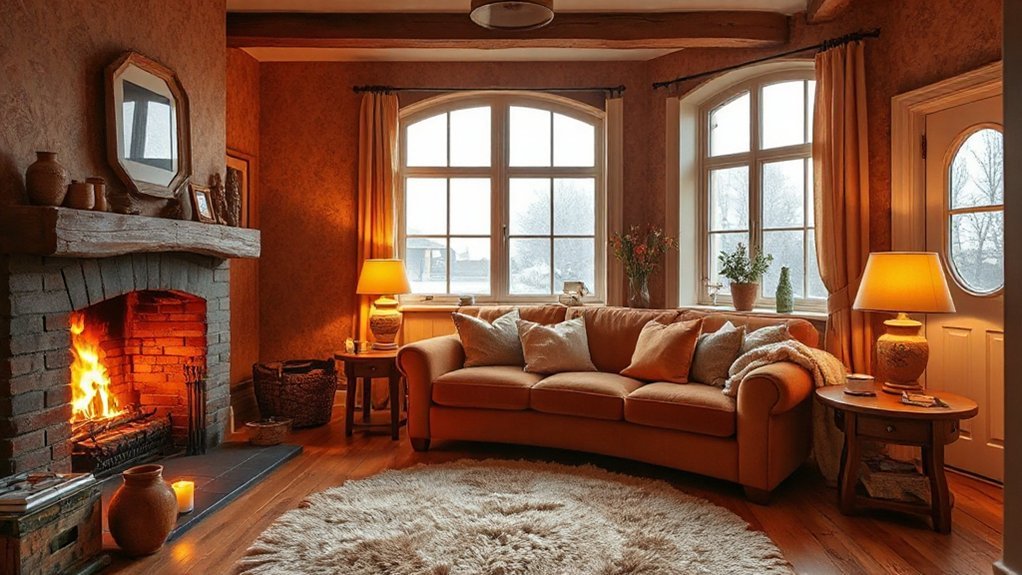
Soft lighting makes small rooms feel larger and cozier, so start by layering sources at different heights—table lamps, wall sconces, and a dimmable ceiling light—to create depth without glare.
You’ll want a balanced mix: warm color temperatures (2700–3000K) for intimacy, plus a cooler task light near work zones.
Embrace dimmers to modulate ambiance, shifting from ambient glow to focused glow as tasks demand.
Use shaded fixtures and frosted diffusers to soften edges, avoiding harsh hotspots.
Place mirrors to reflect glow without amplifying glare, and consider uplighting for architectural texture.
Keep wiring tidy and guarantee each layer operates independently for flexibility.
Hygge-Inspired Comfort: Mood Zones and Practical Furnishings
You’ll map out mood zones that blend warmth, function, and flow, so each area supports a specific activity without crowding the room.
Prioritize practical, cozy furnishings—soft textures, compact storage, and multi-use pieces that keep spaces flexible.
Keep review points clear: how each zone serves you day-to-day, and which furnishings best reinforce that Hygge-inspired comfort.
Mood-Zone Planning
You map a clear mood zone layout that harmonizes daily routines with downtime, so the living area supports conversation yet offers a quiet corner for reading.
Use seasonal color palettes to signal transitions between zones, balancing earth tones with gentle accents for depth without overwhelming the space.
Consider furniture placement that reinforces flow: sofas and chairs oriented to foster interaction, yet modular enough to reconfigure for gatherings.
Integrate textiles—knits, wool, velvet—in layers to add tactile warmth.
Finally, guarantee controls for lighting and temperature are accessible from key zones, promoting effortless comfort.
Practical Cozy Furnishings
When you design with hygge-influenced mood zones, prioritize practical textiles and furnishings that invite everyday coziness without clutter. Think modular seating that can reconfigure for quiet reading nooks or small group chats, and layer textures—soft wool throws, nubby linen cushions, and brushed cotton throws that promote tactile warmth.
Choose low-profile, durable surfaces to reduce visual weight, and tuck away cables with clever conduit solutions. For warmth without bulk, lean on a compact area rug strategy to define zones without overpowering spaces.
Prioritize easy-care fabrics and stain-resistant finishes for daily living. Practical maintenance matters: plan for fireplace maintenance access and clean hearths safely, and establish seasonal storage for bulky items to keep layouts breathable and ready for winter gatherings.
Use Warm Woods and Natural Materials to Glow
Rich, warm woods anchor a room and invite coziness, especially when paired with natural materials like stone, linen, and raw steel. You’ll see how timber tones ground schemes, while tactile surfaces add depth. Choose wooden finishes that wear gracefully: oak for versatility, walnut for contrast, ash for lightness. Keep patterns minimal to let grain shine, and mix matte and satin sheens to avoid glare.
Rustic accents—think spindle legs, exposed beams, plank flooring—bring character without shouting. Pair with natural textures: linen upholstery, wool throws, rattan accents. Balance warmth with cool neutrals to prevent heaviness, then add greenery for life.
Prioritize sustainable sourcing and proper care; seasoning and sealing protect surfaces, ensuring glow lasts season after season.
Snug Seating Around a Fireplace: Layout That Wraps You in Warmth
Position the sofa and chairs to circle the fire, so cozy conversations happen at arm’s reach and heat is distributed evenly.
Choose furniture that hugs space without crowding it, using low-profile silhouettes and subtle curves to invite lingering moments.
Layer textures—throws, cushions, and a tactile rug—to reinforce warmth while guiding the eye toward the flames.
Cozy Fireplace Placement
With a fireplace as the room’s anchor, arrange seating to create a snug, conversational layout that wraps you in warmth. You’ll optimize viewing angles, guarantee conversational groups face the flame, and preserve clear pathways for traffic.
Focus on a balanced hearth arrangement that centers the fire as the room’s heartbeat, not the only focal point. Choose compact, low-profile furniture to keep sightlines open while inviting closeness.
Layer textures—soft throws, woven rugs, and warm woods—to amplify warmth without crowding. Use a fireplace mantel as a visual pause, balancing art and symmetry.
Keep lighting layered to avoid glare, and deploy heat-conscious textiles to boost insulation without sacrificing style.
- Position chairs at 6–8 feet around the fire
- Use a low-profile sofa facing the hearth
- Integrate a coordinated coffee table for accessibility
- Accent with tactile textiles and muted metals
- Guarantee clear access to the mantel for display
Furniture That Embraces Space
A snug seating layout around a fireplace centers on human scale and easy circulation, so place chairs and sofas within 6–8 feet of the flame to create intimate conversation clusters without blocking pathways.
You’ll maximize warmth by choosing low-profile furniture that preserves sightlines, letting the fire anchor the room.
Opt for modular pieces you can reconfigure for gatherings or solo evenings, keeping traffic remains smooth.
Introduce artistic sculptures as tactile focal points that don’t crowd seating, and position them on pedestals or shelves to draw the eye without interrupting flow.
Choose statement lighting—an adjustable wall sconce or a sculptural pendant—to illuminate zones without glare.
Finish with earthy textiles and a compact coffee table to maintain airiness while inviting connection.
Layered Textiles for Comfort
Layered textiles turn a snug fireplace seating zone into a cocoon of warmth and texture, so start with a base of a durable, neutral sofa or chairs. Build up with plush throws, knitted throws, and tactile cushions in varying weights.
You’ll create depth by mixing weave, pile, and fiber—think a soft wool throw over a linen sofa, a chunky knit, and velvet cushions for contrast. Keep color cohesive but add subtle warmth with earthy tones.
Guarantee textile layering remains practical: easy-care fabrics near the fire, and a few high-durability pieces for daily use. This approach emphasizes tactile textiles and textile layering to invite lingering conversations and cozy evenings.
- Base sofa or chairs in a durable neutral
- Plush throws layered with knitted textures
- Tactile cushions in mixed weights
- Velvet accents for depth
- Care-conscious selections near heat
Textile Accents That Transform Chill Into Charm
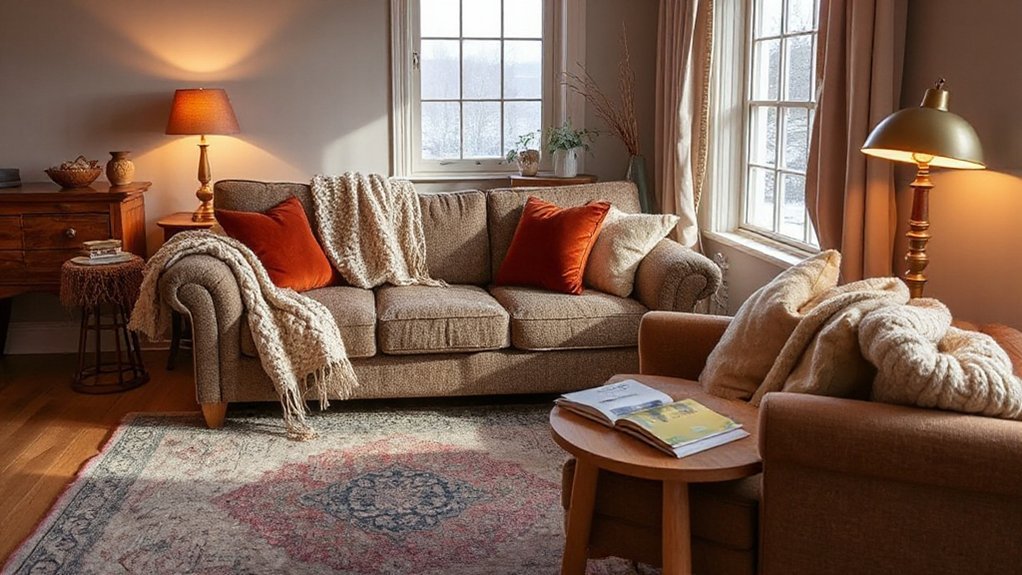
Textile accents can be the quickest way to cozy up a space, because small swaps deliver big impact. You’ll see instant warmth when you layer rich textures—chunky knits, velvet cushions, and brushed throws—in a cohesive palette.
Choose a dominant underlay of wool or boucle, then add contrast with satin piping or woven jacquard for subtle depth. Focus on tactile variety: rough tweed beside smooth satin, matte surfaces against a glossy accent, all within a winter decor theme.
Think practical placements: sofa throws folded at the arm, a bench runner, and window-side textiles to trap chilling drafts. Swap in seasonal hues—deep greens, forest blues, amber gold—to signal coziness without overpowering the room.
Prioritize durable, easy-care fabrics for long-term warmth and style.
Make Small Spaces Feel Warm: Clever UK-Home Tweaks
If you’re short on square footage, smart tweaks can make a space feel instantly warmer and more lived-in. In a small space, you lean on clever tweaks that maximize warmth without clutter. Focus on lighting layers, warm bulbs, and reflected surfaces to create depth.
Add plush textures and compact, multi-purpose furniture to keep flow open. Color choices should lean toward warm neutrals and soft terracotta accents, avoiding stark contrasts. Use mirrors to bounce light and visually expand walls.
Finally, keep cords tucked and zones clearly defined to reduce visual noise.
Budget-Friendly Tricks for Lasting Wintry Coziness
With winter’s chill settling in, you can lock in warmth without blowing your budget by choosing practical, durable updates that pay off month after month. Target high-impact, low-cost fixes first: seal drafts around doors and windows, add snug window films, and upgrade to energy-efficient LEDs to cut heat loss from lighting.
Prioritize affordable textiles that layer warmth without bulk—woven throws, thermal curtains, and plush rugs create instant insulation and sound dampening. For lasting coziness, invest in fireplace maintenance to ensure safe, reliable heat output, and choose winter-proof curtains that extend warmth beyond the living area.
Use rugs and furniture placement to trap heat and improve circulation. Finish with a programmable thermostat to maintain steady comfort without overspending.
Frequently Asked Questions
How Can I Maximize Warmth Without Increasing Energy Bills?
You can maximize warmth without hiking bills by using efficient insulation and smart layering. Invest in insulation upgrades and cozy up with fireplace decor accents, radiant rugs, and sealing drafts; optimize curtains and programmable thermostat to keep energy use steady.
What Textures Make a Room Feel Cozier Instantly?
Textured fabrics instantly cozy the space, while sleek, cozy wall coverings soften edges; you pair tactile surfaces with quiet tones, balancing rough and smooth for instant warmth. You’ll feel grounded, practical, trend-aware as textures elevate comfort.
Which Lighting Warmth Methods Suit Small UK Spaces?
Use ambient lighting softly layered with warm color schemes; choose compact wall sconces, table lamps, and LED strips to avoid clutter. You’ll feel cozier, space appears larger, and you’ll maintain practical, trend-aware warmth in small UK rooms.
How Do I Balance Style and Practicality in Winter Rooms?
You balance style and practicality by pairing seasonal decor with durable textiles and warm color schemes, prioritizing comfort and storage. Mix layered lighting and cozy textures, and select versatile pieces that adapt as trends shift while staying timeless.
What Are Quick, Budget-Friendly Warming Tricks?
A quick test suggests fireplaces don’t lie: you’ll feel warmer if you stack blankets and simmer with a nearby heater. Try cozy color palettes, add fireplace decor accents, and layer rugs for budget-friendly comfort you’ll actually notice.
Conclusion
As winter settles in, you can transform your home into a warm, inviting haven with simple, practical tweaks. Embrace a palette of ambers, greens, and neutrals, layer textures, and flood rooms with soft, multi-source lighting to boost coziness. A hygge-inspired layout and snug seating around the fireplace wrap you in comfort. Fun stat: homes with layered textures report a 20–30% perceived warmth boost. Small tweaks, big warmth—make every corner feel like a snug UK retreat.
About the Author