Boost your sale speed with simple, budget-friendly kerb-appeal upgrades that make UK buyers immediately want to step inside. Start by cleaning, decluttering, fixing obvious flaws, and resealing cracks. Refresh the front door with a bold, weatherproof paint or stain, renew hardware, and add a visible house-number plaque. Define clean borders, tidy borders and edging, and layer outdoor lighting for depth and safety. Keep signage concise and well integrated with landscape cues. More practical tips ahead to elevate every detail.
Kerb Appeal in the UK: Why It Matters for Sellers
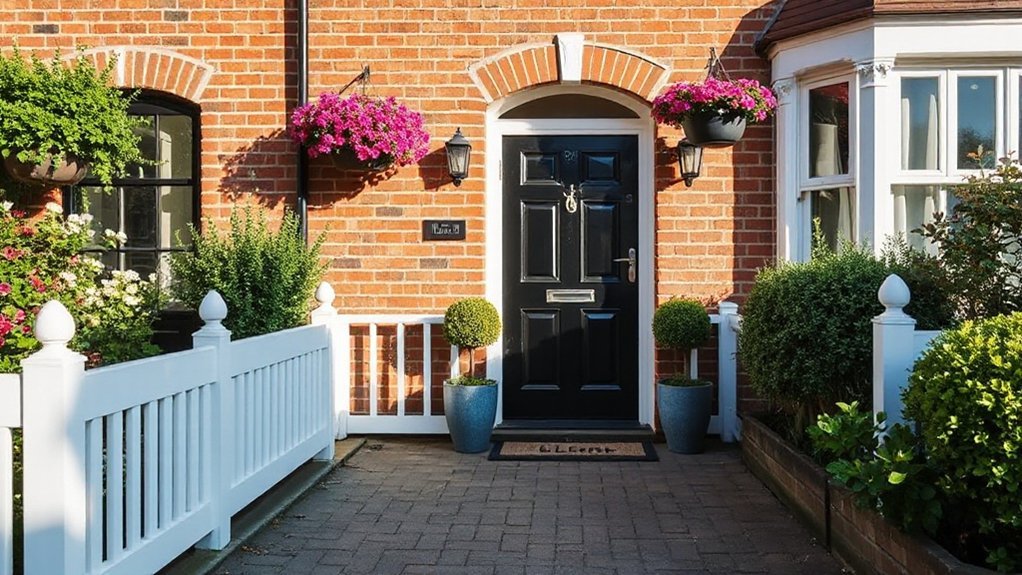
Kerb appeal in the UK matters for sellers because first impressions dictate buyer interest and can influence how quickly a property sells. You’ll see value in a clean, cohesive approach that starts at the boundary between home and street.
Focus on a tidy path, functional lighting, and a balanced palette that complements the architecture. You should consider garden sculptures as tasteful accents that add character without clutter, positioned to guide the eye toward the entry.
Exterior paint matters too: choose durable, weather-resistant hues that highlight architectural details and avoid peeling spots. Repair loose tiles, clear gutters, and ensure your front door projects warmth.
A well-presented exterior signals care, invites inquiries, and reduces hesitation, helping buyers picture themselves living there.
Quick, High-Impact Wins That Don’t Break the Bank
Here are quick, high-impact wins that won’t break the bank: target the basics first—clean up, declutter, and fix obvious flaws—because small fixes yield big returns. You’ll see faster results by tightening exterior details before expensive overhauls.
Start with the approach: prune overgrowth, weed borders, and sweep paths until they gleam. Repair loose gravel, relevel stepped surfaces, and reseal cracks in the driveway materials to prevent rejects later.
Add a focal point with a few garden sculptures placed thoughtfully to anchor sightlines without overpowering the curb. Refresh paint on trims and shutters in a neutral hue for cohesion.
Remove dead plants, mulch evenly, and ensure lighting highlights key features. These tweaks create contrast, depth, and perceived value without major spend.
Front Door Makeover: Welcoming Your Home for Under £200
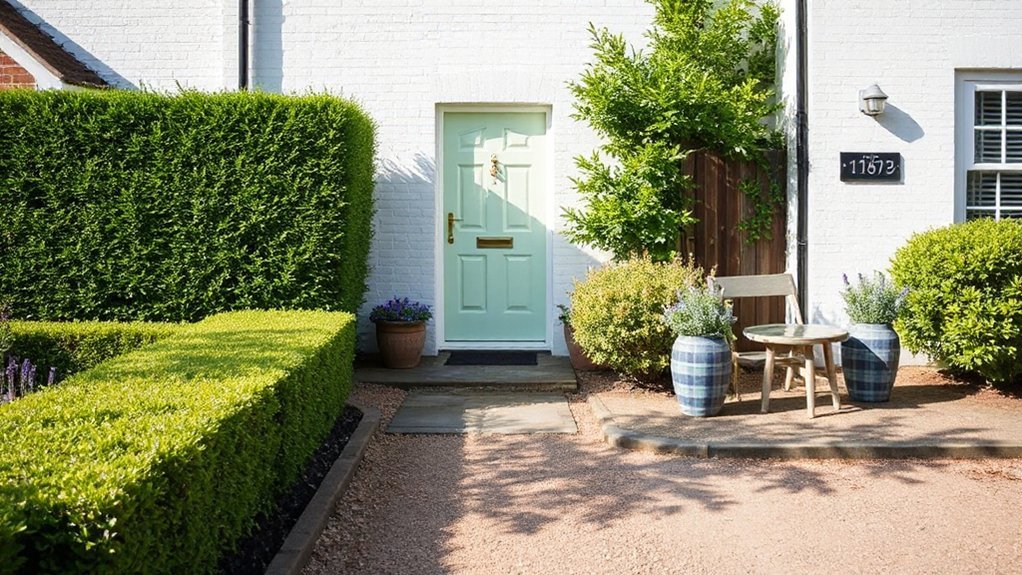
A front door makeover under £200 starts with a single, sharp focus: increase curb appeal without overspending. You begin by evaluating your door’s base: clean, sand, and re-seal any peeling varnish. Replace worn hardware with matte-black or brushed-brass accents for instant lift.
Choose a bold, weatherproof paint or stain that complements the home’s exterior and the door’s hardware. Add a durable house-number plaque visible from the curb, and confirm lighting post-features are aligned and functional.
Introduce garden furniture near the entrance planters to invite, not overwhelm, and place outdoor art on a sheltered wall to create a focal point that draws the eye inward. Finish with seasonal greenery and a low-maintenance doormat for a cohesive, welcoming entry.
Refresh the Roofline: Budget Paint and Fascia Updates
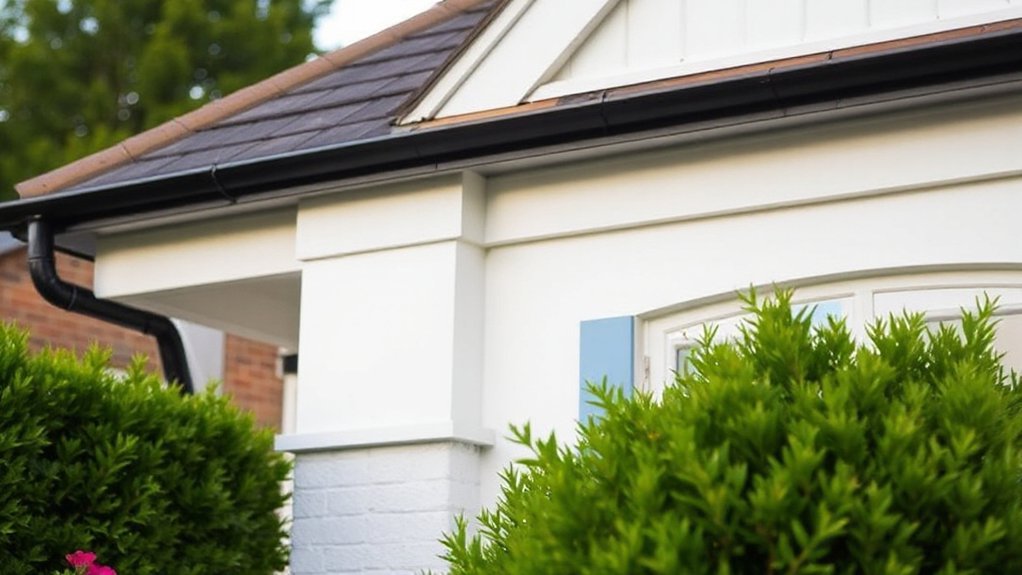
Refresh the roofline with a practical, budget-friendly refresh that boosts curb appeal without breaking the bank. You’ll start with a clean, dry surface, then select durable exterior paint in a light trim tone that contrasts with the fascia.
A single can of primer helps seal bare wood and prevents peeling later. If you have vinyl fascia, choose a flexible, exterior-grade paint designed for challenging profiles and spray or roll with even, steady strokes.
Apply two thin coats for best coverage and longevity, allowing proper drying time. Focus on crisp edges along soffits and corners; neat lines read as intentional craftsmanship.
A fascia update with fresh paint can dramatically sharpen your home’s silhouette, inviting buyers to look closer and linger. Roofline refresh done right boosts perceived value.
Define Borders and Garden Edges That Impress
Want your garden to look intentional and tidy from the curb? Define borders and garden edges with clarity and purpose. Start with clean lines: jog a sharp boundary between lawn and borders using steel edging or weathered timber that resists wear. Keep edges uncluttered—no stray mulch spills or ragged turf.
Create visual rhythm by repeating a simple motif along boundaries, such as a row of low-growing evergreen or a slim brick line. Add garden furniture at focal points to anchor paths, but guarantee it sits within the edge so approaches feel deliberate.
Incorporate decorative ornaments sparingly—a single sculpture or a classic sundial enhances interest without crowding. Regularly trim edging and sweep gaps to preserve a crisp, inviting outline.
Light the Way: Outdoor Lighting for Safety and Curb Appeal
Want a safe, welcoming path as soon as you step outside? Start with practical path lighting, focusing on even illumination, glare control, and clear guidance along walkways.
Use safety-first lighting, curb-appeal highlights, and visible accents to boost security and curb presence without overlighting.
Pathway Lighting Tips
Pathway lighting isn’t just about looks; it should guide visitors safely from the curb to your door. Start with low-profile, evenly spaced fixtures to eliminate dark patches and minimize glare. Choose warm, 2700–3000K bulbs for inviting visibility that won’t wash out features.
Install lighting at step edges and along the path’s sides to define boundaries and reduce trip hazards. Use shielded fixtures to keep light low and directed, avoiding light pollution into bedrooms or windows.
Layer lighting with a mix of bollards, wall-mounted sconces, and ground-level stake lights for depth. Accent garden sculptures and outdoor furniture with targeted spots to create focal points without overpowering the path.
Guarantee cables are tucked away and weatherproof, maintaining a tidy, functional approach. Regularly adjust heights as plants grow.
Safety First Illumination
Safety first isn’t optional—it’s foundational for curb appeal. You’ll want outdoor lighting that prevents trips and guides visitors, not harsh beams that blind them. Start with path-level lighting along walkways to highlight edges and steps, using warm white LEDs for visibility without glare.
Install motion sensors at entry points to deter intruders while conserving energy and reducing daytime clutter. Confirm porch luminaires shed light downward, illuminating the door without flooding the street.
Keep garden furniture and outdoor decor safely illuminated, avoiding clutter that creates tripping hazards. Use timers to create a predictable lighting rhythm, helping buyers imagine evening gatherings.
Check that all cords are hidden or tucked, and replace any flickering bulbs promptly. Practical lighting choices boost safety, flow, and perceived value.
Curb Appeal Highlights
Lighting is the easiest way to boost curb appeal while improving safety, so start with clear, functional layers that guide visitors and highlight your home’s best features.
For Curb Appeal Highlights, plan a layered scheme: a warm base of pathway lighting, targeted accents on architectural corners, and a breathable ambient wash that reveals texture without glare.
Choose weather-resistant fixtures with consistent color temperature to keep a cohesive look across the façade and garden.
Highlight key elements, like garden sculptures, with low, unobtrusive uplights that create depth at dusk.
Integrate Fence styles thoughtfully; soft lighting along fence lines can accent texture without overpowering the entry.
Keep switches and timers reliable, and guarantee brightness levels are appropriate for safety while preserving atmosphere.
Regular maintenance prevents dim spots and uneven shadows.
Easy Driveway and Pathway Maintenance You Can Do Now
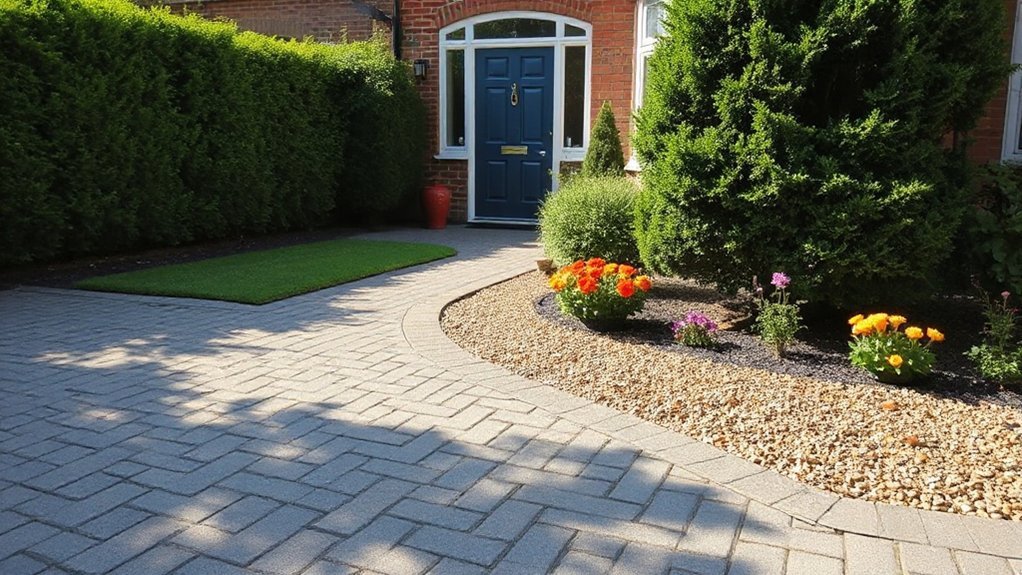
If you want a driveway and pathway that look great and last longer, start with quick, doable fixes you can tackle today. Begin by cleaning surfaces with a stiff brush to reveal cracks and dirt, then patch minor gaps with asphalt or concrete filler. Seal tiny fissures to prevent water intrusion and freeze–thaw damage.
For stubborn stains, use a suitable cleaner and rinse thoroughly. Refill or replace loose or broken edging to maintain clean lines and prevent spreading. Consider driveway resurfacing for a refreshed surface when wear becomes evident, and implement pathway edging to define borders and ease maintenance.
Sweep regularly, weed joints, and apply a protective sealer in warm, dry conditions. These steps improve curb appeal without a full renovation.
A Seasonal Curb Appeal Calendar for UK Homes
Think through a Seasonal Exterior Refresh cadence that fits the UK year, so you act at the right moments, not just when you notice a problem.
Each month, follow practical, detail-forward actions—clean, plant, and tweak the look to keep your kerb welcoming all year.
Start with a clear month-by-month plan that sticks to the essentials and builds curb appeal steadily.
Seasonal Exterior Refresh Cadence
Seasonal exterior refreshes should be planned as a simple, repeatable cadence that keeps your home looking purposeful year-round. You’ll set a predictable schedule—spring, summer, autumn, winter—so maintenance feels manageable, not hectic.
Start with a quick landscape tidy in spring: prune, mulch, and plant a seasonal accent color that complements your doors and trim.
In summer, refresh garden furniture and lighting to extend curb appeal evenings.
Autumn calls for a clean entry, seasonal wreaths, and practical weatherproofing; store outdoor cushions to protect longevity.
Winter can focus on cleanliness and preservation: remove debris, inspect fascia, and swap worn outdoor art for durable pieces that withstand frost.
Maintain consistency by documenting tasks and rolling themes; this cadence sustains fresh appeal without overhauling.
Month-by-Month Curb Actions
Kicking off a month-by-month curb actions plan helps UK homes stay polished without surprises. You’ll follow a practical calendar that maps seasonal tasks to outdoor impact, budget, and timing.
Begin with January inspections of lighting, then February touches to drive-by appeal, like fresh paint on entry trim.
March brings landscaping trends review—trim edges, plant seasonal perennials, and evaluate curb color harmony.
April focuses on driveway materials and surface cleanliness, sealing cracks before growth.
May emphasizes mulch depth, irrigation checks, and letterbox refresh.
June through August prioritize quick wins: pressure wash siding, reseed patches, and tidy borders.
September re-evaluates materials choices as leaf litter increases, adapting plan for fall.
October finalizes lighting and clearance; November preps winter decor and storage; December assesses results and plans next year.
Windows Clean and Weeds Gone: Cleanliness That Sells
Windows that gleam and weeds kept in check signal care from the moment buyers arrive. When you present clean, inviting windows and tidy surrounds, you set a confident tone that invites further inspection. You’ll notice more natural light, sharper curb appeal, and fewer excuses for a close look at interiors.
Keep sills dust-free, glass streak-free, and frames sealed to prevent drafts and condensation. Address weeds around the panes, paths, and borders to maintain a pristine first impression.
Integrate small touches like garden furniture and outdoor art to suggest thoughtful living spaces beyond the door. This combination translates to perceived value, faster viewings, and fewer questions about upkeep.
- Clean windows and trimmed edges
- Thoughtful garden furniture arrangement
- Subtle outdoor art accents
Seasonal Planting: Color Moments Buyers Love in Britain
As you plan Seasonal Color Moments, you’ll map planting timelines across Britain to align with peak buyer weekends. Consider how strategic color pairings and succession planting create curb appeal now and through the season, driving quick decisions at inspection.
Seasonal Color Moments
- Repeat colors on garden sculptures and outdoor furniture for cohesion
- Choose repeat bloom periods to bridge seasons
- Pair bold accents with soft greens for contrast
Planting Timelines Britain
Wondering how Brits keep their gardens vibrant through the year? Planting timelines are your roadmap for seasonal color without chaos. Start with a clear plan for spring, then map summer and autumn accents to your home’s curb appeal, aligning blooms with marketing photos.
Use a practical schedule: select hardy, repeat-bloom varieties for continuity, and stagger bloom windows so there’s always focal color. Document when to sow, transplant, and mulch, noting last frost dates and local microclimates.
Garden planning should balance decorative impact with maintenance ease—choose container setups for quick re-dos and shade-tolerant options for darker spots. Keep a simple calendar that marks peak bloom weeks, enabling you to coordinate plant swaps and porch styling.
This disciplined approach sustains color moments buyers love, season after season.
Buyer Weekend Appeal
- Coordinated color schemes with bold focal plants
- Durable garden decor + practical outdoor furniture ensembles
- Simple, seasonal rotations that maintain momentum through open weekends
Texture and Exterior Materials: Subtle Upgrades With Impact
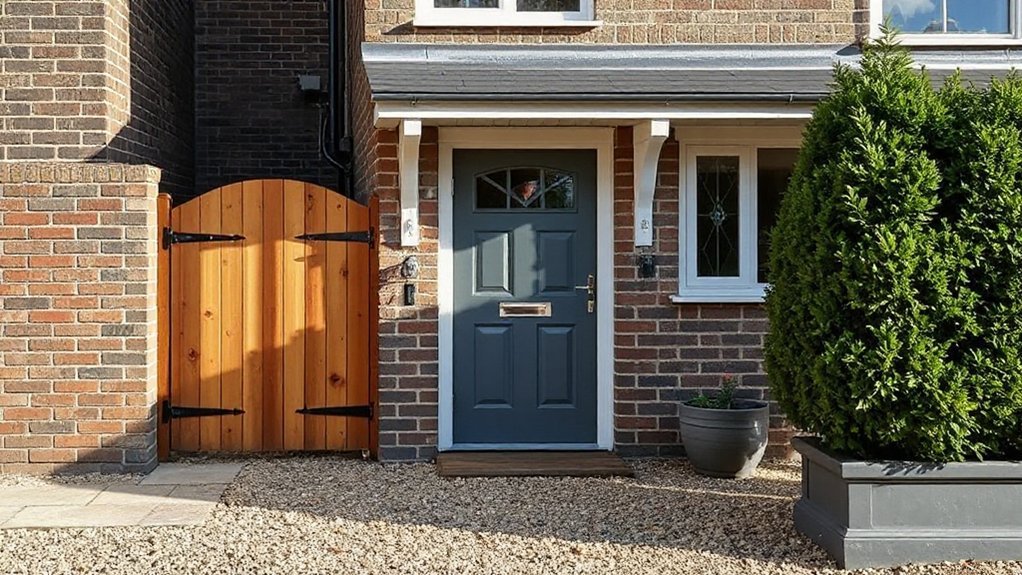
Texture and exterior materials quietly elevate curb appeal by balancing durability with visual impact. You can start by selecting a restrained palette that complements architectural style, then layer textures to create depth without visual clutter.
Focus on durable finishes that weather well in UK conditions, such as masonry accents or composite cladding, and pair them with low-maintenance options to reduce ongoing upkeep. Texture contrast matters: mix smooth render with rough brick or timber detailing to emphasize architectural lines without overdoing it.
Consider practical upgrades like refreshed window surrounds, durable doors, and sealed joints to prevent water ingress. Choose materials that endure frequent exposure to rain and wind, ensuring long-term appeal.
Material durability underpins both aesthetics and value, so plan for longevity as you refine the facade.
Signage and Styling: Create a Cohesive Exterior Look
Start by choosing a cohesive exterior palette that ties bricks, siding, and roofing together, so every element feels intentional.
Next, map out a signage placement strategy that complements sightlines, entrances, and pathing, avoiding clutter and ensuring readability from a distance.
Keep styling consistent with material textures and color tones to create a unified curb appeal that invites visitors in.
Cohesive Exterior Palette
To create a cohesive exterior look, align signage and styling with a unified color palette, materials, and typography that reflect your property’s character. Your goal is harmony across gates, fascia, doors, and lighting so buyers sense consistency at first glance.
Choose a primary color from your brick or render and echo it in trims, planters, and outdoor furniture frames. Limit accents to two complementary hues to avoid visual clutter. Guarantee signage font mirrors your home’s architectural vibe for instant credibility.
Integrate garden furniture and exterior decor that reinforce the palette, not overpower it. Consistency boosts curb trust and speeds decisions.
- Apply one accent color across pillows, planters, and cushions for cohesion
- Match metal finishes (brass, black, bronze) to hardware and lighting
- Use a single, legible sign style with uniform typography
Signage Placement Strategy
Signage placement should reinforce your cohesive exterior look while guiding buyers naturally to key zones. Position signs where sightlines from the curb and sidewalk converge with the entry path, ensuring legibility at a glance.
Use consistent fonts, colours, and materials that match your palette and architectural style, avoiding clutter. Place directional markers near driveways, mailboxes, and porch steps to reduce hesitation and speed up navigation.
Integrate signs with landscape features—leaning against garden borders or tucked beside garden sculptures for subtle emphasis, not distraction. Consider small, weatherproof plaques near outdoor furniture and seating areas, linking the functionality of each zone.
Keep messaging concise, and let garden sculptures and outdoor furniture visually reinforce the purpose of each space.
Proportion, Scale and Exterior Design: What Looks Best on UK Homes
Proportion and scale are your quickest win for curb appeal: when the elements of your home’s exterior relate correctly in size, spacing, and rhythm, the result feels balanced and inviting. You’ll achieve a cohesive look by prioritising proportion harmony between doors, windows, and rooflines, then balancing massing across the façade.
Use a consistent rhythm: align mullions, trim, and decorative accents to reinforce unity, not chaos. Scale matters too—avoid oversized features on small façades or minuscule details on large houses.
Choose materials and colours that read as one system, so the eye travels smoothly from curb to entrance. Small changes can yield big impact, enhancing perceived value and speed of sale.
- Align elements for rhythm and harmony
- Match textures and colours across features
- Preserve clear, inviting entrance focus
Before-You-Shoot Curb Appeal Audit: A Quick, Practical Checklist
Before you shoot, run a quick curb appeal audit to catch glaring issues and guide your camera setup. Start at ground level: trim edges, sweep leaves, and guarantee a clean pathway.
Check lighting angles; note spots that cast harsh shadows or wash out features.
Survey the door, porch, and entryway for paint chips, loose hardware, or weathered wood.
Confirm symmetry and balance with focal points—consider adjusting garden sculptures or exterior art to create a welcoming vignette.
Verify signage visibility, house numbers, and mailbox alignment.
Inspect the siding for stains, mildew, or dirt, and plan a quick cleaning or touch-up.
Capture color contrasts, plant health, and seasonal changes.
This quick audit informs shot lists, maximizing curb appeal in every frame.
Frequently Asked Questions
How Soon Will Curb Appeal Changes Impact Sale Time?
You’ll likely see quicker interest within weeks, and a faster sale within a couple of months. You’ll boost appeal with garden lighting and porch decor, creating warmth, guiding buyers in, and signaling a well-maintained, move-in ready home.
Which Quick Fixes Yield the Best ROI for UK Homes?
Ever thought, what quick fixes yield the best ROI for UK homes? You should upgrade door hardware and install garden lighting, because these are low-cost, high-impact improvements that boost curb appeal, attract buyers, and shorten time on market.
Do Color Choices Affect Buyer Perception in the UK?
Color choices do affect buyer perception in the UK. Color psychology guides exterior aesthetics, influencing first impressions. You’ll boost curb appeal by selecting harmonious hues that evoke trust, warmth, and cleanliness, making your property feel welcoming and thoughtfully maintained.
How Often Should Exterior Maintenance Be Scheduled?
Sure, you should schedule exterior maintenance twice yearly, and more if you notice problems. You’ll tackle garden landscaping and driveway repairs promptly, because neglecting them spoils curb appeal, right? You’ll stay practical, detailed, and relentlessly persuasive. Irony included.
What Budget Is Realistic for First-Time Sellers?
A realistic budget for first-time sellers is modest yet flexible; you’ll prioritize landscaping upgrades and lighting enhancements first, then allocate reserves for essential fixes. Plan for 5–8% of your home’s value, focusing on curb appeal to maximize sale potential.
Conclusion
Your kerb appeal is the doorway to trust. Think of your home as a stage; the front door is the spotlight, the garden its quiet audience. When you refresh the trim, tidy edges, and greet with welcoming color, you’re scripting confidence in buyers. Small acts, big echoes: a painted fascia, defined borders, cohesive styling. The result isn’t just sale potential—it’s a renewed promise that what’s inside is cared for. Invest now; the door will open to faster, smoother selling.
About the Author