
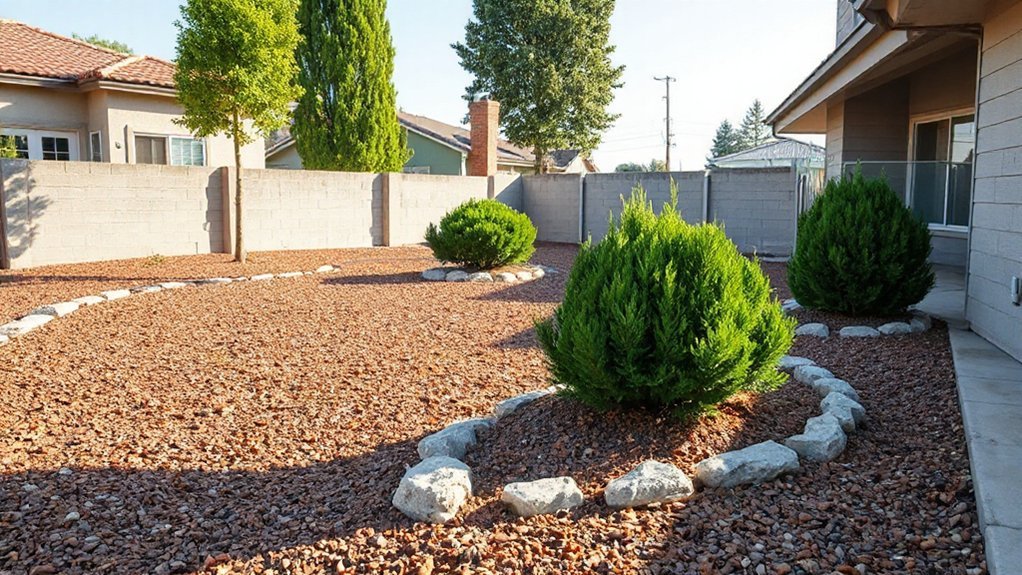
You may not realize how small changes in plant selection can slash maintenance time by 50% or more. Start by embracing drought-tolerant, native species that color year-round and thrive with minimal irrigation. Build simple, connected bed layouts with clear boundaries and mulch to curb weeds and keep soil moisture steady. Automate irrigation, mowing, and lighting so you’re not chasing schedules, and group plants by water needs to simplify upkeep. There’s more to it, and you’ll see why as you set up a straightforward routine.
Key Takeaways
- Select drought-tolerant, native plants with year-round color and group them by similar water needs to simplify irrigation.
- Design compact, low-maintenance beds with clear boundaries, uniform edging, and deep mulch to reduce weeding.
- Implement automated irrigation, smart sensors, and scheduled maintenance to minimize manual watering and lawn care.
- Choose durable, low-growing plants and mulch heavily to cut trimming and weed growth, keeping beds tidy.
- Establish simple routines: weekly weeding, monthly pruning, seasonal mulching, and zone-based tasks for efficiency.
Adopt a Low-Maintenance Yard Mindset
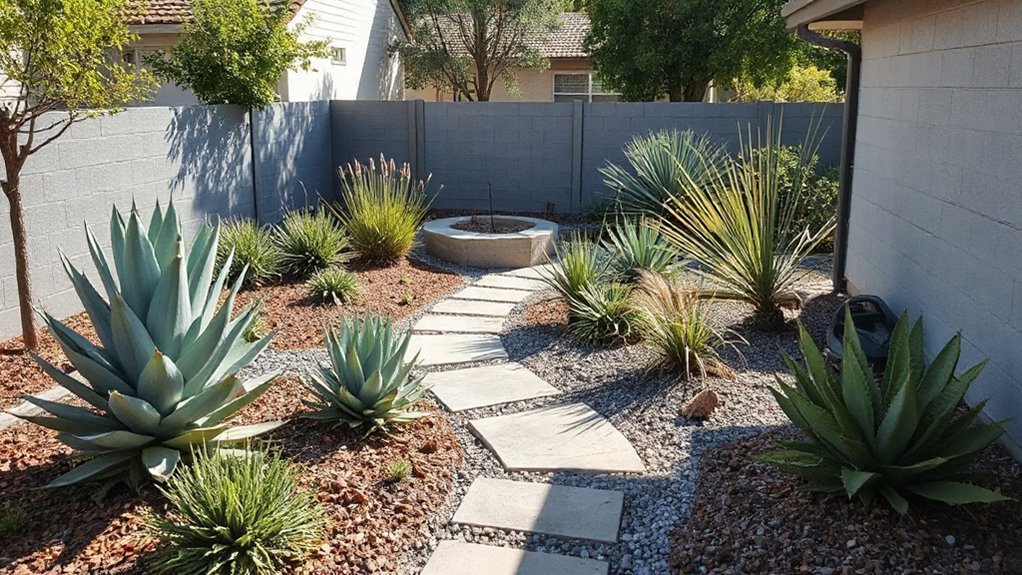
To keep your yard easy to manage, start with a realistic plan and choose resilient plants, practical spacing, and simple upkeep routines. Adopting a low-maintenance mindset means you prioritize durable textures, low water needs, and predictable growth.
You’ll simplify garden decor by selecting cohesive materials and compact features that require minimal upkeep while still delivering visual impact. Focus on effortless routines: mulched beds, simple pruning schedules, and timely irrigation adjustments that prevent waste.
Embrace pest control through prevention—healthy soils, proper spacing, and native options that resist common pests without harsh interventions. Choose plant pairs that deter problems and tolerate neglect.
Test ideas in small zones first, then scale once you confirm performance. With discipline and consistency, you’ll maintain a tidy, inviting landscape without constant effort.
Choose Drought-Tolerant Plants With Year-Round Color
Pair drought-tolerant plants with year-round color by choosing species that handle dry conditions while maintaining visual interest through different seasons. You’ll want native species that thrive locally, reducing maintenance and water needs.
Begin with soil preparation: test, amend as needed, and improve drainage to prevent root rot. Choose plants with varied textures and seasonal bloom or foliage, ensuring color persists in heat and cold.
Group species with similar water needs to simplify irrigation. Mulch deeply to conserve moisture and suppress weeds. Use compact, low-spread varieties for borders and solutions like groundcovers under droughty trees.
Install a simple drip system and set modest watering goals for establishment, then taper as roots establish. With thoughtful selection and correct prep, your yard stays vibrant without demanding constant attention.
Plan Beds and Simple Routines to Cut Upkeep
Plan beds with clear boundaries and uniform edging to reduce maintenance, then choose simple routines that keep plants thriving without constant care. You’ll define bed shapes to minimize weeding and use mulch as a first line of defense.
Prioritize soil preparation at planting time to guarantee roots establish quickly and stay healthy with less irrigation. Use compact, low-growing plantings to curb spillover and trimming needs, and group species by sun and water needs to avoid constant tweaking.
Schedule seasonal check-ins: prune lightly, mulch, and refresh mulch layers to maintain moisture and suppress weeds.
Integrate Pest control with proactive monitoring—spot-treat problem areas and select disease-resistant varieties. Keep a small toolkit handy for quick fixes, and document successful pairings for future bed upgrades.
Automate Irrigation, Mowing, and Lighting
Automating irrigation, mowing, and lighting saves time and reduces waste while keeping your landscape healthy. You’ll gain consistency with smart sensors that adjust watering based on soil moisture and forecasted rain, preventing overwatering and runoff.
Set mowing schedules that align with growth cycles and peak sun, reducing fuel use and clippings you have to manage. For lighting, use timers or motion-activated systems to illuminate paths and entries, deterring intruders and saving energy.
Choose eco-friendly systems and durable components designed for low maintenance, then connect them into a single hub for easy control. Regularly review weather alerts and system performance, make small tweaks as seasons shift, and you’ll maintain vibrant beds without daily effort.
This approach keeps upkeep predictable and efficient.
Establish Easy Maintenance Routines That Stay Stress-Free
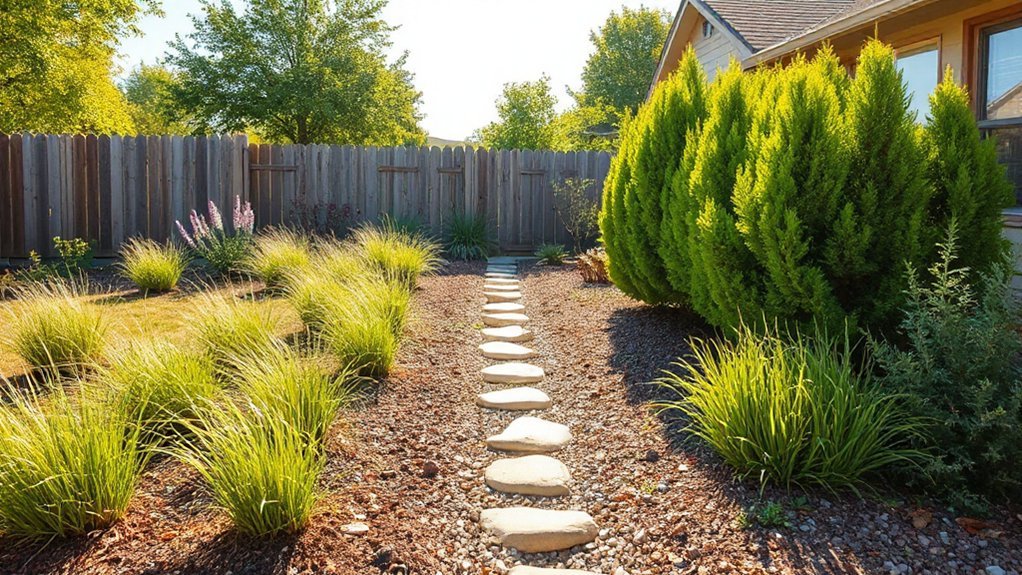
Creating routines that are simple to maintain keeps your landscape looking good without adding stress. Establish a predictable schedule for basic tasks: weekly weeding, monthly pruning, and seasonal mulching.
Use lightweight tools and labeled bins so you spend less time searching and more time enjoying your garden design.
Automate where possible, like soil sensors or a simple calendar reminder, but keep manual tasks to prevent neglect.
Group chores by zone to minimize trips and fuel.
Prioritize pest control with early monitoring to stop problems before they spread.
Keep waste organized and compost where feasible to reduce landfill loads.
Regular, brief checks help you spot issues early, protect plant health, and sustain curb appeal without burnout.
Frequently Asked Questions
How Often Should I Prune Drought-Tolerant Shrubs?
Typically, prune drought-tolerant shrubs once a year, often after flowering or entering dormancy. This keeps shape, promotes healthy growth, and minimizes stress.
Use a light hand, remove dead or crossing branches, and avoid heavy pruning that flags shrub health.
Pruning schedules vary by species, but annual attention works well for most. If you’re unsure, wait until late winter to early spring.
Always monitor shrub health and adjust your pruning timing accordingly.
What Soil Amendments Boost Low-Water Plant Health Long-Term?
You improve long-term health with thoughtful soil amendments: perform soil testing to understand deficiencies, then add organic amendments like compost or aged mulch.
You’ll retain moisture, enhance microbial life, and stabilize nutrients for drought-tolerant plants.
Avoid overfeeding; apply evenly and water deeply.
Regularly monitor drainage and organic matter levels, replenishing as needed.
This practical approach keeps roots strong, saves water, and supports resilient, low-maintenance landscaping.
Can I Retrofit an Existing Yard to Be Low-Maintenance?
Yes, you can retrofit your yard to be low-maintenance. Start with a plan that emphasizes native grasses and xeriscape design to minimize water and upkeep.
Remove or mulch turf, group plants by sun exposure, and install efficient drip irrigation.
Use drought-tolerant selections, mulch beds, and add a simple hardscape for accessibility.
Maintain with seasonal pruning and minimal feeding; shade and wind breaks can reduce stress.
Monitor and adjust watering to prevent waste.
Which Groundcovers Resist Weeds Without Mowing Frequently?
Native grasses and evergreen groundcovers resist weeds and reduce mowing needs. You’ll want tall natives like prairie grasses for shade and drought tolerance, plus evergreen groundcovers such as creeping thyme or periwinkle to form dense layers that choke weeds.
Apply a thick mulch first, water deeply until established, and trim only after flowering. You’ll minimize maintenance by choosing species suited to your soil and sun, ensuring reliable weed resistance year-round.
What’s the Best Way to Troubleshoot Irrigation Leaks Quickly?
You should start by locating the leak with quick leak detection: check nearby valves, hoses, and sprinkler heads for drips, soggy spots, or unusually high water use.
Turn off the zone, note loss, and isolate sections to pinpoint the source.
Then perform sprinkler repairs promptly—replace faulty seals, tighten connections, or swap damaged heads.
After fixes, recheck for leaks, and monitor water bills.
Prompt sprinkler repairs save water and prevent costly damage.
Conclusion
You can keep your yard stunning with minimal fuss by embracing these simple habits. Start with drought-tolerant natives for year-round color, and group plants by water needs to cut maintenance. Plan clear beds, mulch deeply, and automate irrigation, mowing, and lighting to reduce chores. Establish easy, recurring routines for pruning and soil checks. Fun fact: drought-tolerant landscapes save up to 30–50% on water bills in dry seasons, making low maintenance both beautiful and budget-friendly. Your stress-free yard starts now.
About the Author