Take a typical new-build with solar panels and smart climate control and you’ll notice the difference in comfort and bills in year one. You want energy efficiency, flexible spaces, durable externals, and smart security that actually saves time and effort. The question is how to balance long-term value with upfront costs while integrating breathable indoor air and timeless design. If you’re shaping your plan now, there’s a clear path to growth—and it hinges on choosing features that endure.
Key Takeaways
- Integrated, responsive climate control and smart lighting that adapt to daily rhythms and occupancy for comfort and energy savings.
- High-efficiency systems and insulation, plus durable, low-maintenance exterior upgrades that reduce long-term operating costs.
- Clean, flexible living spaces with modular designs, adaptable rooms, and timeless materials that stay relevant over time.
- Robust indoor air quality and security features with easy, intuitive control through apps or voice assistants.
- Sustainable upgrades and smart financing strategies that maximize value, payback, and long-term home appeal.
What Wise, Efficient Comfort Means for 2026 Homes
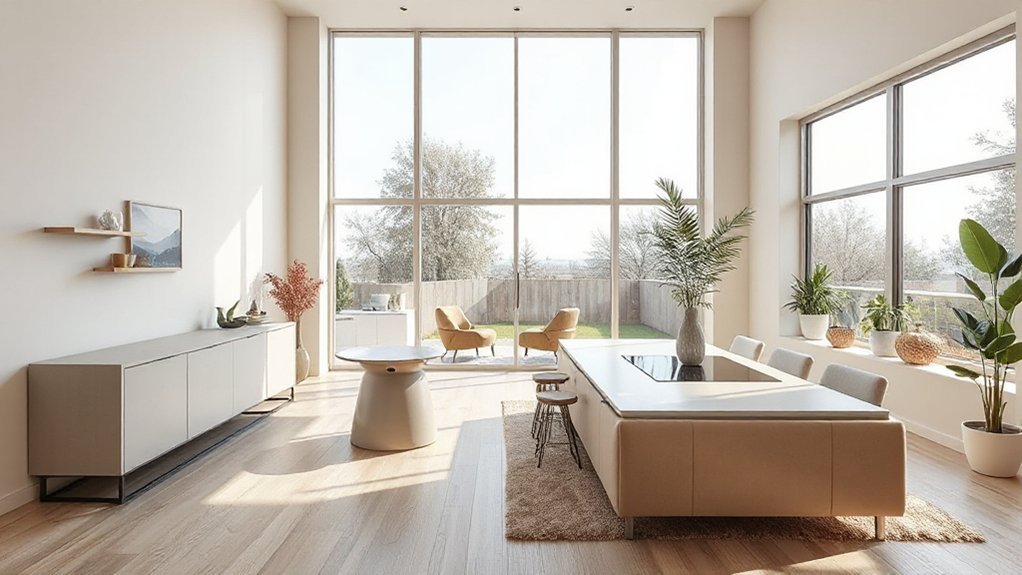
Smart, efficient comfort in 2026 homes isn’t about expensive gadgets; it’s about systems that respond to your everyday rhythms. You’ll gain a sense of control when smart home automation coordinates HVAC, lighting, and shading to fit your schedule without you thinking about it.
Instead of chasing novelty, you prioritize reliability, seamless integration, and intuitive control via one app or voice command. The framework relies on sensors that learn routines, adjust temperatures, and preempt drafts or heat loss, keeping comfort steady without waste.
You also value eco-friendly materials in core components, from low-VOC finishes to recycled-content insulation, which support healthier indoor air and a smaller footprint. In short, efficiency, responsiveness, and durable sustainability define true comfort.
Energy-Efficient Upgrades That Lower Bills and Footprint
You’ll explore efficient heating options, smartly pairing modern systems with well-sealed spaces to curb monthly costs.
Solar and insulation upgrades come next, targeting long-term bills while shrinking your home’s footprint.
Expect a practical, trend-aware look at how these choices connect comfort, reliability, and value.
Efficient Heating Solutions
If you’re aiming to cut bills and shrink your carbon footprint, start with efficient heating solutions that fit real-world homes. Prioritize controllable, targeted comfort with smart thermostats that learn schedules and adjust temperatures automatically, avoiding overheating and waste.
Pair this with radiant heating where heat needs are most intense, like bathrooms or tiled floors, for quick, even warmth without blasting the whole house. Consider heat pumps as a primary system in mild to cool climates, delivering high efficiency across seasons.
Ductless mini-splits offer zone control without major renovations, helping you tailor temperatures room by room. Seal air leaks and insulate accessible areas to maximize gains from any system.
Choose equipment with high SEER and HSPF ratings for long-term energy savings.
Solar and Insulation Upgrades
- Optimize insulation efficiency with continuous coverage and air sealing
- Choose solar panels with strong warranties and targeted production
- Plan for load shifts, battery options, and future upgrades
Flexible Living Spaces: Multi-Use Rooms and Adaptable Layouts
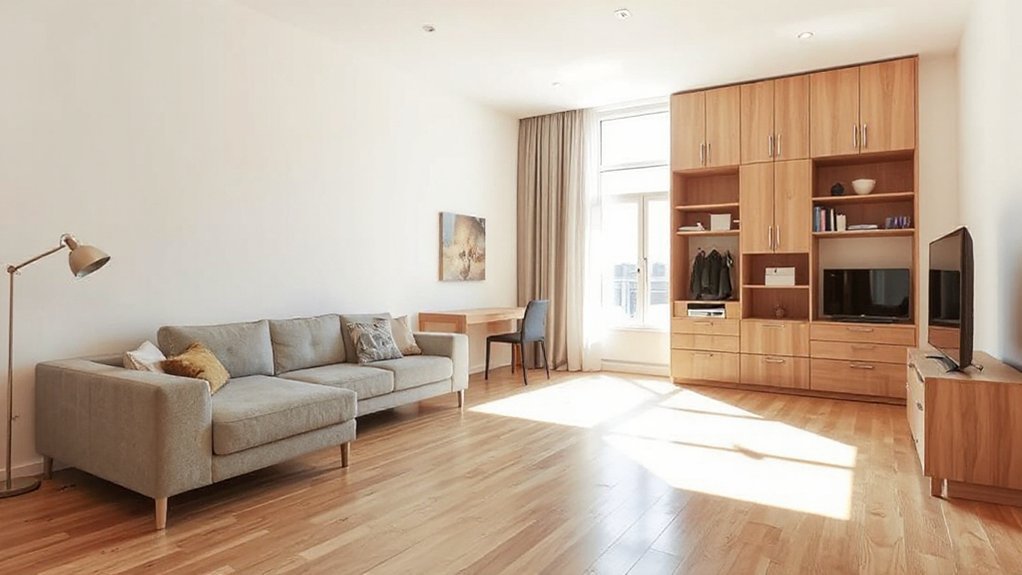
Flexible living spaces are turning multi-use rooms into essential hubs, designed to adapt to your daily needs without sacrificing style. You’ll prioritize rooms that flex between work, study, guest stays, and fitness without global overhauls. Think convertible spaces with hidden desks, foldaway beds, and wall systems that reconfigure in minutes.
Modular layouts let you shift zones—pull a divider for privacy, expand a dining area for entertaining, or compress a living room into a compact movie nook. Lighting, acoustics, and power planning matter, so you can swap uses without cables tangled or glare.
Choose durable finishes and neutral palettes that travel between schemes. The trend is efficiency through intent: maximize function with minimal clutter and smart, adaptable design choices.
Low-Maintenance Exteriors That Endure Harsh Weather
Choose weather-resistant siding that stands up to heat, wind, and moisture, prioritizing materials with proven long-term durability.
Pair that with low-maintenance roof systems that resist debris buildup and leaks, so you spend less time on repairs and more time enjoying the home.
For landscaping, opt for durable, low-water planting and smart irrigation to reduce upkeep without sacrificing curb appeal.
Weather-Resistant Siding Choices
- Durable, low-maintenance materials that resist moisture and fading
- Sealed joints, impact resistance, and breathable underlayers for weatherproof barriers
- Easy repairability and time-saving installation that supports siding durability
Low-Mootenance Roof Systems
After focusing on weather-resistant siding that minimizes upkeep, you’ll find that roof systems deserve the same practical, long-lasting approach. Low-maintenance roofing prioritizes durable materials, simple care routines, and reliable performance in harsh conditions.
Look for surfaces that resist algae, wind uplift, and hail without frequent repair, and choose fast-install options that reduce labor costs.
Solar shingles integrate energy generation with weatherproof layers, delivering streamlined aesthetics and fewer penetrations.
Green roofing adds insulation value, storm resilience, and lightweight environmental benefits, while still staying manageable with minimal upkeep.
A well-chosen system limits washing, repainting, and re-sealing, keeping efficiency high year-round.
Prioritize warranties, cubic-foot per hour venting, and compatibility with rainwater collection for practical, future-focused home protection.
Durable, Low-Water Landscaping
- xeriscaping plants that thrive with minimal water and sun
- drought resistant turf alternatives for bare-space resilience
- low-growth groundcovers that suppress weeds and reduce mowing
You’ll design for efficiency: select native or adapted species, group watering zones, and install mulches to minimize evaporation.
Choose irrigation that matches rainfall patterns and use rain sensors to prevent overwatering.
Consider soil amendments to improve water retention and root health.
This approach stays trend-aware, balancing aesthetics with practicality.
Expect fewer outages from heat spells and storms while keeping upkeep predictable, costs steady, and curb appeal high for buyers seeking durable, low-maintenance exteriors.
Connected Home Tech That Adds Real Value
Smart home tech should save you time, money, and hassle, so prioritize devices that prove their value day to day. You’ll gain real utility from integrated systems that automate routine tasks without complicating your life.
Focus on reliability, straightforward setup, and measurable benefits like energy savings and faster responses to alerts.
Smart security features should deter intruders while preserving your privacy, with cameras and door sensors that sync with your phone and alerts you can trust.
Automated lighting offers convenience and efficiency, adapting to occupancy and daylight without waste.
Look for device ecosystems that work with common platforms, minimize lag, and provide clear app controls.
In practice, prioritize tangible value, not novelty, to maximize resale appeal and everyday comfort.
Superior Indoor Air Quality and Thermal Comfort at Home
Indoor air quality and thermal comfort aren’t luxury extras—they’re fundamentals that affect daily well-being and productivity. You’ll seek systems and design choices that maintain consistent temperatures, low humidity swings, and clean air without noticeable effort.
Prioritize ventilation, filtration, and zoning that adapt to occupancy and activities, reducing irritants and fatigue while boosting focus. The right balance keeps you comfortable through hot, cold, and seasonal shifts, encouraging longer stays in key rooms instead of retreating to a single climate zone.
- Invest in high-efficiency filtration and smart thermostats for precise control
- Use duration-based ventilation and air cleaners to reduce pollutants
- Implement zoning and insulation enhancements for uniform thermal comfort
Durable, Timeless Design That Keeps Its Charm
Durable, timeless design isn’t about chasing trends; it’s about crafting spaces that age gracefully with you. You’ll seek materials and forms that resist quick fads while aging with character. Prioritize quality finishes—hardwood floors, stone, and enamel cabinetry—that endure daily use without shouting for replacement.
Choose neutral palettes with subtle texture; they support evolving décor and still read as refined. Timeless elegance comes from clean lines, thoughtful proportion, and purposeful details that don’t scream for attention.
Prioritize longevity over novelty: mechanical reliability, solid hardware, and proven construction methods. Retain flexibility with adaptable layouts and durable surfaces that clean easily.
This approach sustains lasting appeal, reduces renovation cycles, and keeps your home feeling relevant without heavy updating. The result is a space that remains inviting, quiet, and inherently valuable.
Smart Financing: How Upgrades Pay Off Over Time
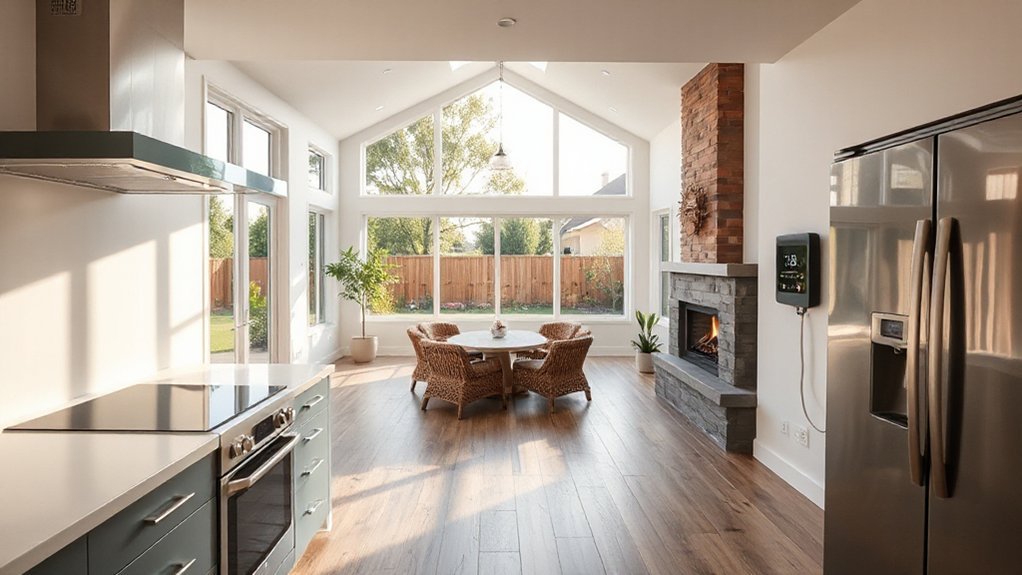
Financing upgrades smartly means you’ll see value compound over time, not just in a prettier kitchen or a shinier bath. When you choose upgrades with clear financing strategies, you set up steadier investment returns and dampen monthly cost shocks.
Focus on improvements that lower operating costs, boost appeal, and endure. Compare interest, depreciation, and tax benefits to pick options that fit your budget and resale timeline.
Prioritize energy efficiency, durable materials, and smart systems that attract buyers without overcapitalizing. Track payback periods and potential value lift to stay realistic about the payoff.
- Energy-efficient windows and insulation
- Smart thermostats, LEDs, and efficient appliances
- Durable, low-maintenance finishes with timeless appeal
Frequently Asked Questions
How Do Buyers Prioritize Features for Resale Value in 2026?
You’ll prioritize features that boost resale value by combining smart technology with eco friendly materials, because efficiency sells. Start with energy-efficient upgrades, durable smart systems, and low-maintenance finishes.
You’ll favor open layouts, flexible spaces, and exterior sustainability. You’ll assess ROI on appliances, insulation, and smart security, then compare resale lift across neighborhoods.
You’ll factor maintenance costs, warranty, and brand reliability, ensuring upgrades align with your target buyer’s tech expectations and sustainable lifestyle.
What Costs Are Typically Hidden When Upgrading for 2026 Homes?
Metaphor: upgrades are a doorway you open, and behind it lurk hidden costs you’ll wish you planned for.
Hidden costs often pop up as permits, design changes, and scheduling delays, plus wiring, insulation, and appliance delivery fees you didn’t expect.
You’ll face upgrade surprises like contingency budgets, project management, and temporary living expenses.
You should build a cushion, compare bids, and assume timelines slip, so you don’t derail your 2026 home goals.
Do These Features Impact Insurance Premiums or Coverage?
Yes, these features can affect insurance. Insurance implications vary by policy, but upgraded systems, materials, and smart safety tech often lower risk and may reduce premiums or improve coverage limits.
Coverage considerations include higher replacement costs, demand on builders, and potential exclusions for certain tech. You’ll want to discuss new items with your insurer, verify endorsement needs, and keep detailed receipts and specs to support claims.
This will help guarantee you’re adequately covered.
Which Features Deliver the Best Comfort for Initial Home Purchases?
Smart technology delivers the most comfort for your initial home purchase, offering intuitive control and quick reliability. You’ll appreciate smart climate, lighting, and security that simplify daily routines.
Look for eco friendly materials in finishes and insulation to boost comfort without sacrificing budget. Prioritize well-sealed windows, efficient HVAC, and durable, low-emission components.
This practical setup reduces fatigue, improves energy consistency, and keeps you aligned with trend-aware, detail-oriented homebuying standards.
How Long Is the Typical Payback Period for Major Upgrades?
Typically, the payback period for major upgrades runs about 5 to 10 years, depending on scope, energy costs, and market trends.
You’ll see faster returns with smart technology and energy efficiency improvements that cut utility bills and boost resale appeal.
Prioritize high-impact upgrades like efficient insulation, smart thermostats, and LED lighting.
Track utility savings, factor in property value, and plan upgrades to maximize long-term cash flow rather than quick wins.
Conclusion
You’re steering a ship through changing seas, with the home you build as your steadfast harbor. Each smart feature is a sail set to catch future winds—solar panels as steady mains, insulated hull to weather storms, and adaptive rooms acting like compartments that reconfigure as tides shift. When you invest in durable, timeless design and clean-air comfort, you’re not chasing trends—you’re anchoring lasting value, security, and ease for years to come. Your voyage to smarter living ends where comfort begins.
About the Author