Imagine this: flexible workspaces that adapt, energy upgrades that cut bills, kid-friendly layouts that age with them, smart-home tech that actually simplifies daily tasks, and smart storage with outdoor connectivity that keeps clutter at bay. You’ll want durable finishes, built-in storage, and safe, soft flooring, all tied together by practical, energy-conscious design. It’s a lot to balance, yet the right balance can transform a house into a true family haven—so where will you start?
Key Takeaways
- Flexible workspaces with height-adjustable desks, modular partitions, and centralized task management for seamless productivity.
- Energy-efficient upgrades like solar panels, superior insulation, airtight windows, and radiant barriers to reduce costs.
- Kid-friendly layouts featuring combined living zones, durable finishes, built-in toy storage, and safe, soft transitions.
- Smart-home technology with reliable voice control, centralized routines, discreet hardware, and energy-aware interfaces.
- Comprehensive storage and outdoor connectivity with deep cabinets, labeled zones, weatherproof Wi-Fi hubs, and family-friendly sightlines.
Create Flexible Workspaces for Every Family Member
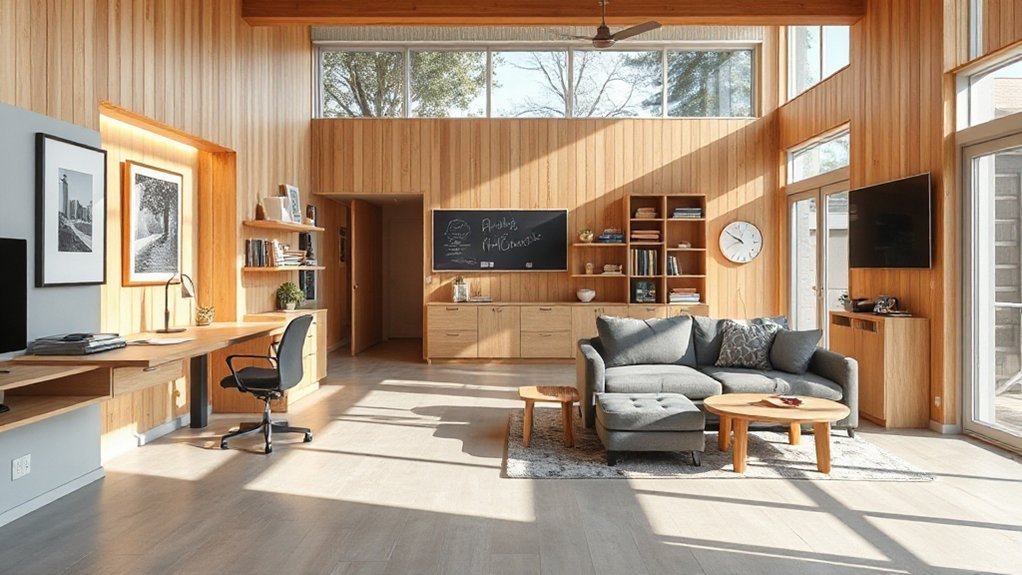
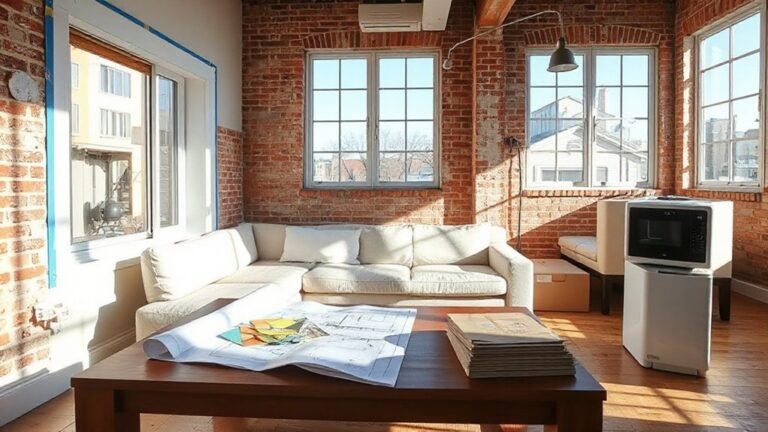
Creating flexible workspaces means designing adaptable zones that grow with your family’s needs. You’ll carve a home office that doubles as a quiet study nook, with sound-absorbing panels and a compact desk that folds when not in use.
In adjoining versatile rooms, install modular partitions and mobile storage so spaces morph for projects, homework, or moments of concentration. Prioritize power access: USB outlets, charging station, and glare-free lighting for late-night tasks.
Select desks with height adjustability and seating that supports long sessions without fatigue. Use neutral tones with strategic color accents to keep rooms feeling calm yet energized.
Guarantee easy access to shared printers and filing, plus a simple, centralized command area for calendars and task lists. Your home adapts without sacrificing style or function.
Energy-Efficient Upgrades That Save Money
If you want to slash energy bills without sacrificing comfort, start with smart, practical upgrades that pay back fast. You’ll pinpoint high-impact moves, balance upfront cost with long-term savings, and align design with efficiency.
Solar panels top the list for clean, renewable power that reduces utility dependence and resale appeal. Pair them with targeted insulation improvements to curb heat flow and stabilize indoor comfort across seasons.
Choose airtight window upgrades and radiant barrier strategies to minimize losses in attic and walls. Prioritize systems that are easy to operate and maintain, so daily use stays effortless.
Implement these three ideas below to kickstart a smarter, more economical home upgrade plan.
- solar panels
- insulation improvements
- airtight windows and attic barriers
Kid-Friendly Layouts That Grow With Them
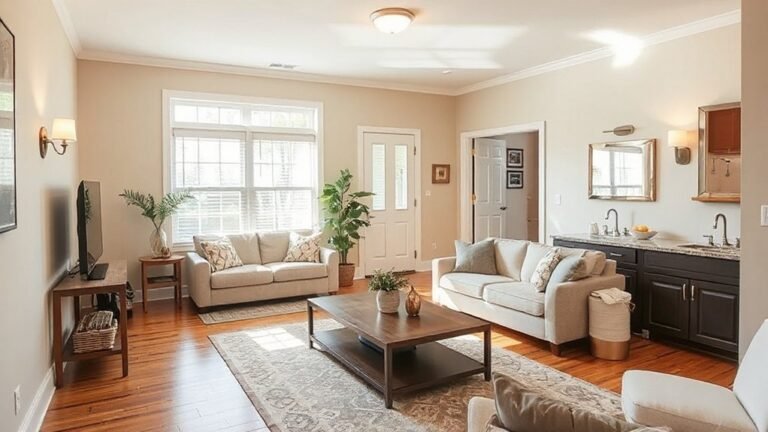
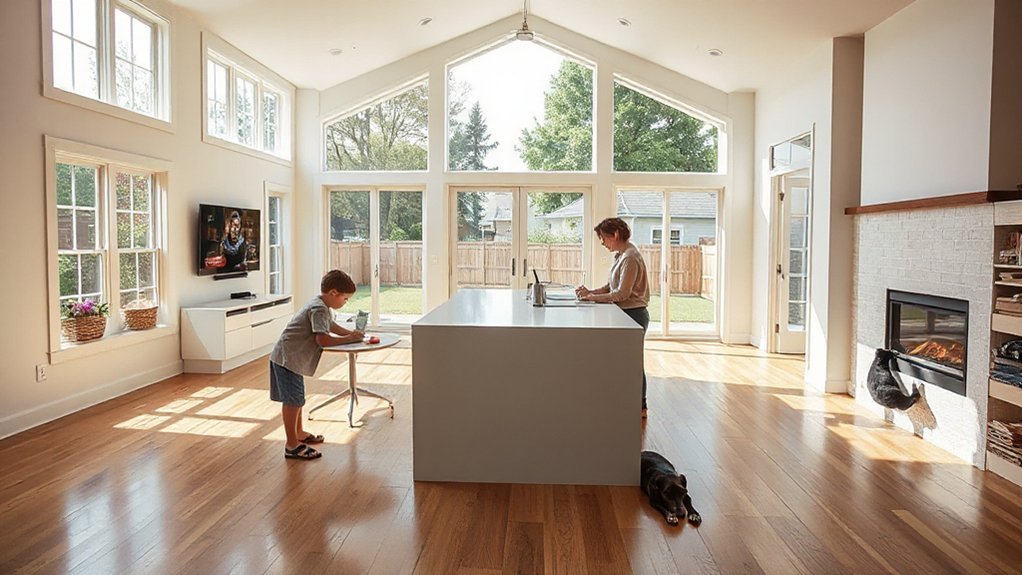
As your family grows, a kid-friendly layout should adapt without sacrificing flow or style. Start with a flexible central zone that houses daily routines—kitchen, dining, and a common play area—so long sightlines keep supervision simple.
Prioritize scalable spaces: a second bedroom that doubles as a study, or a bonus room that becomes a playroom design for evolving ages.
Choose durable, stain-resistant finishes and rounded furniture to reduce accidents.
Integrate built-in storage at kid height for easy access to toys and materials, supporting organization and independence.
Facilitate clear transitions between zones with soft thresholds and non-slip flooring.
Prioritize safety features like outlet covers, window guards, and anchored shelving, while preserving a calm, cohesive aesthetic.
Design details should anticipate growth, not limit it.
Smart-Home Tech That Makes Daily Life Easier
Smart-home tech should streamline your daily routines without getting in the way. You’ll appreciate systems that anticipate your needs, not demand your attention. Focus on reliable voice control and seamless home automation to keep a busy family calm and organized.
Prioritize intuitive interfaces, fast responders, and discreet hardware that blends with your decor. The goal is to reduce friction during morning rushes and after-school chaos, while preserving privacy and energy efficiency.
- Voice control for lights, climate, and schedules
- Centralized routines that adjust multiple devices with a single command
- Transparent energy monitoring and efficient standby modes
Smart Storage and Outdoor Connectivity for Busy Families
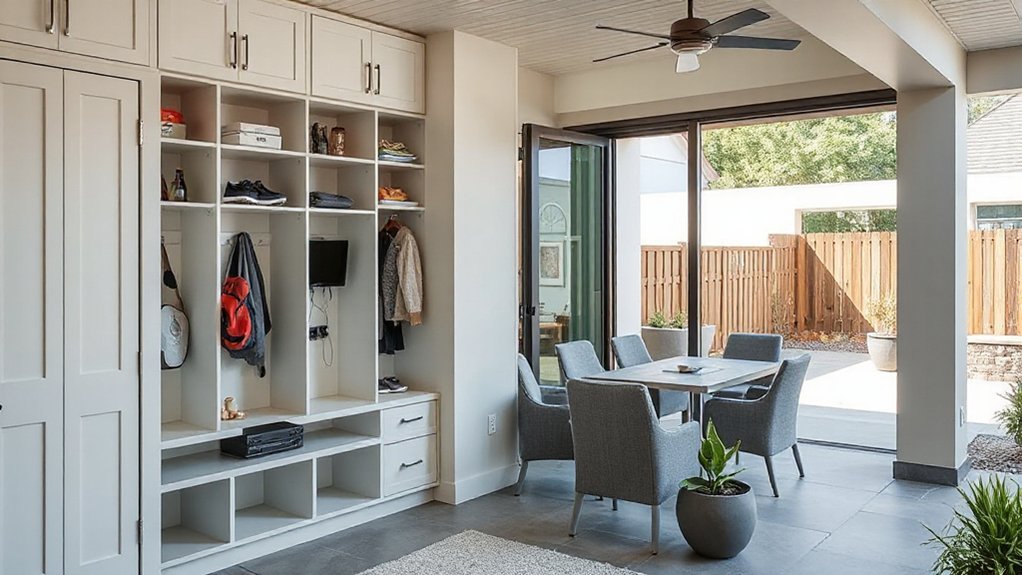
Smart storage and reliable outdoor connectivity go hand in hand for busy families. You design spaces that hide clutter while staying ready for daily rhythms. Build cabinet depth and pull-out organizers that fit backpacks, chargers, and sports gear without crowding the room. Integrate labeled zones for seasonal gear, recycling, and cooking tools to minimize searches.
Choose modular systems with wall-mounted rails and magnetic strips to keep gadgets accessible yet tidy. For outdoor life, wire a weatherproof hub and robust Wi‑Fi coverage to support garden integration and outdoor entertainment, from patio speakers to smart lighting. Plan drainage and weatherproof power outlets to sustain resilience.
Layout sightlines and seating that invite family collaboration, homework, and casual dining, inside and out.
Frequently Asked Questions
How Much Does Each Feature Add to Resale Value?
You’ll see energy efficiency typically adds 5–15% to resale value, with upgrades like better insulation and high-efficiency HVAC delivering the strongest boosts.
Smart technology can lift value 3–10%, especially bundled systems that enhance security and convenience.
Overall, prioritize durable, noticeable upgrades: LED lighting, tight envelopes, and smart thermostats.
You’ll attract buyers who value long-term savings, convenience, and a thoughtfully designed layout.
Invest in visible, well-integrated features for the best resale leverage.
Are These Upgrades Eligible for Tax Incentives or Rebates?
Yes—some upgrades qualify for tax incentives or rebates, though eligibility varies by location and project details. You’ll want to check current programs, necessary certifications, and timelines, because timing matters.
You may find tax incentives and rebate eligibility for energy-efficient systems, solar, efficient windows, and insulation upgrades.
Start by consulting a local tax professional and the utility or government portals.
Coincidental alignment: you notice a brochure, and the incentives line up with your design goals and budget.
Which Features Are Best for Renting Out the Home?
For renting, you’ll prioritize durability and appeal: solid home security and energy efficiency top the list. You’ll install robust locks, smart cameras, and exterior lighting to deter tenants and protect your investment.
Prioritize energy efficiency with double-pane windows, LED fixtures, and efficient appliances to keep operating costs low.
Design-conscious touches like quiet fans, smart thermostats, and well-insulated walls attract long-term renters while reducing vacancy and maintenance headaches.
How Do We Prioritize Upgrades on a Budget?
Budget planning guides your steps, and you’ll prioritize upgrades by impact and timing. Start with high-ROI fixes: solid roof, efficient HVAC, fresh insulation, and durable flooring.
Schedule upgrades during off-peak seasons to save on labor. Use a phased approach: essential comfort first, then cosmetic updates.
Track costs, snag smarter contractor estimates, and veto pricey enhancements that don’t boost resale or rent.
Budget planning keeps you agile; upgrade timing maximizes value and minimizes disruption.
What Maintenance Schedules Come With Smart-Home Systems?
Smart security and energy management systems typically require monthly firmware checks, quarterly battery swaps on door sensors, and annual professional system audits.
You’ll run security patches promptly, replace critical batteries twice a year, and test backups after power outages.
You should schedule device reboots during off-peak hours and keep a 24/7 alert log.
Maintain energy dashboards weekly, calibrate sensors yearly, and verify mesh extenders every 12 months to sustain peak performance and reliability.
Conclusion
You don’t have to choose between work, play, and rest—you can have it all under one roof. Picture flexible workspaces, durable finishes, and smart zoning that adapts as kids grow, with energy-saving upgrades silently doing the heavy lifting. From soundproof panels to built-in storage and weatherproof hubs, every detail supports family life. Embrace a home that’s both practical and design-conscious. It’s not just a wishlist item; it’s a blueprint for everyday ease, efficiency, and connection.
Rhetorical device: anaphora used with “You don’t have to” and “It’s” to draw emphasis.
About the Author