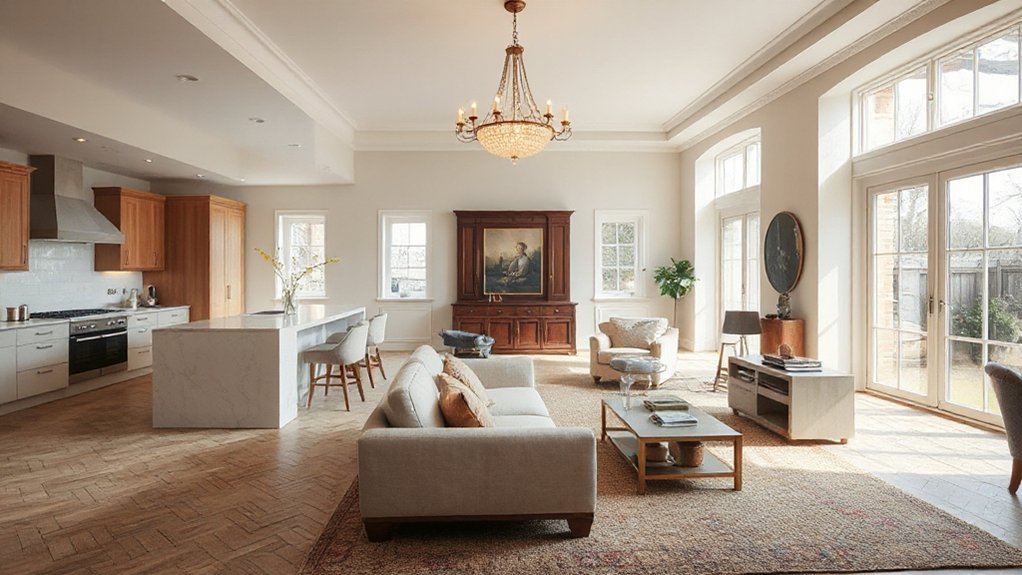
A recent suburban listing in Bristol sold faster after removing walls to create an open plan, letting light travel and life flow between kitchen, dining, and lounge. You’ll notice open-plan spaces attract buyers who crave sociable, modern living, especially in urban areas, while traditional layouts still hold appeal for privacy and room-to-room quiet. The question isn’t which is best overall, but which fits your locale, target buyer, and price segment—and that balance matters more than trend. So, what’s your niche, and how will you position it to stand out?
Key Takeaways
- Open-plan layouts can command premiums in growth hubs with flexible work and family-friendly amenities, boosting perceived modern living value.
- Traditional layouts tend to hold steadier value in privacy-focused areas with noise containment and enduring charm.
- Regional factors like transport links, schools, and density shape how each layout impacts sale speed and price.
- Open plans support adaptable use and social flow, while traditional layouts support clarity, light distribution, and private spaces.
- Store and brand consistency, signage, and cultural cues influence buyer trust and perceived reliability across layouts.
What Open-Plan Means for UK Buyers
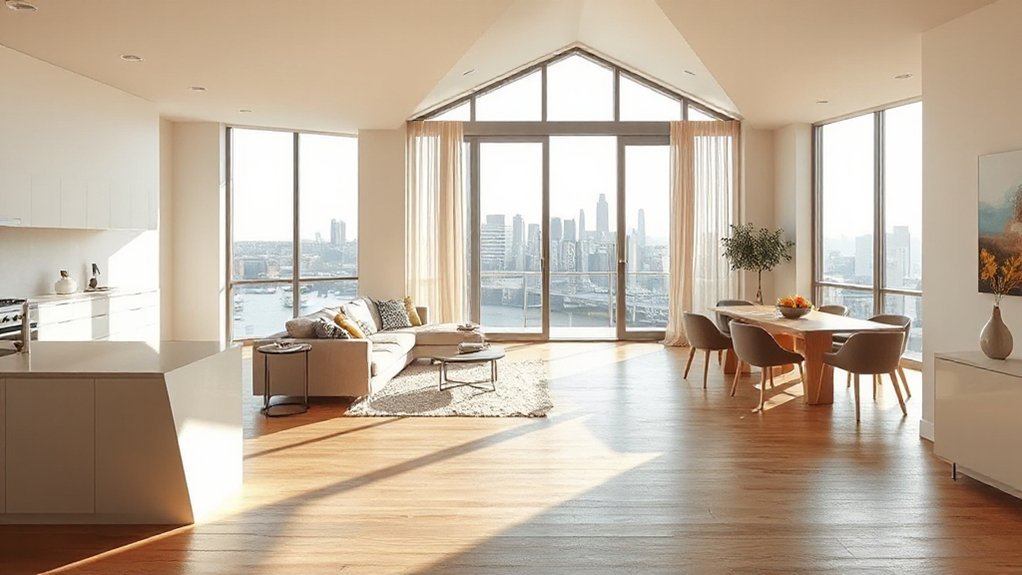
Open-plan layouts redefine how you interact with space, trading separate rooms for a single, flowing environment that can feel larger and more adaptable. For UK buyers, the appeal lies in sociable living and flexible zoning within a single footprint.
You’ll value furniture flexibility, choosing modular pieces that reconfigure for entertaining or quiet work without breaking the flow. Kitchen islands, sofa clusters, and movable screens help delineate zones without walls.
Consider acoustic considerations early: soft furnishings, rugs, and strategic shelving reduce noise spill between living, dining, and study areas.
Sunlight dynamics, ventilation, and heating placement matter too, since open plans can alter comfort levels.
Maintenance practicality matters; easy-clean surfaces and durable finishes save time.
Traditional Layouts: Zoning and Enduring Charm
Traditional layouts use clear zoning to separate living, dining, and private spaces, which helps you manage flow and noise without sacrificing warmth.
You’ll notice how defined rooms create intimate nooks and a sense of enduring charm that’s harder to achieve with open plans.
As you weigh options, consider how this zoning supports practicality, privacy, and a timeless appeal.
Zoning Benefits And Charm
Zoning in traditional layouts creates a clear sense of place and purpose, guiding movement and furnishing decisions so each room serves a distinct function. You’ll notice how defined zones reduce clutter, streamline traffic flow, and heighten usability, especially in compact UK homes.
When you stagger spaces by purpose, you protect privacy concerns without sacrificing interaction; living areas stay relaxed while work nooks stay focused. Practical planning also enhances natural light because walls become deliberate dividers rather than blockers, letting daylight bounce through shared corridors and into reception rooms.
The charm isn’t just nostalgia—it’s reliability: predictable layouts, durable materials, and familiar sightlines foster comfort and efficiency. You gain architectural cohesion, better acoustics, and a timeless, functional character that ages gracefully with your daily routines.
Enduring Layout Appeal
Even when trends shift, traditional layouts endure because their zoning serves both function and feel. You notice how clear boundaries create predictable routines, reducing decision fatigue and fostering calm.
In enduring layouts, rooms stay purpose-built: a dining area invites conversation, a study corner supports focus, and a living space centers social balance. This clarity translates to longevity in appeal; buyers value the sense of “built for” daily life.
You’ll appreciate furniture flexibility within fixed zones, allowing rearrangement for seasons or guests without eroding structure. Acoustic privacy remains a shield between public and private moments, especially near kitchens and lounges.
The charm lies in reliability: timeless lines, thoughtful ventilation, and purposeful sightlines that adapt with care to evolving needs.
Open-Plan vs Traditional: A Practical Decision Framework
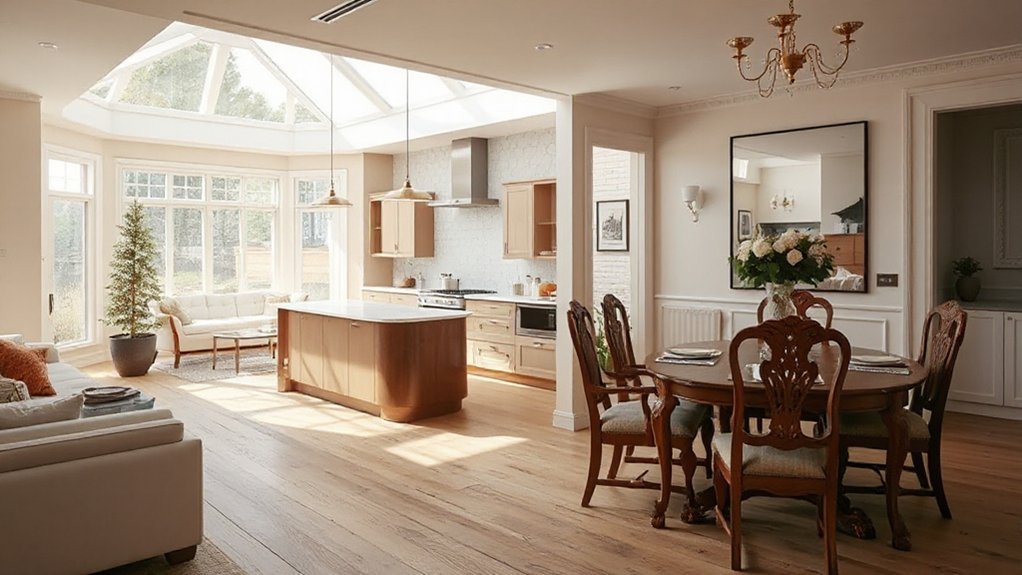
Open-plan and traditional layouts each have strengths and trade-offs, so your first step is to map your priorities—acoustic control, flexibility, and the way you work or live—against how space will be used over time.
You’ll compare room by room, noting peak activities, noise sources, and desire for visual openness. Use a practical decision framework: assign scores to criteria such as privacy, light diffusion, and future reconfiguration.
For furniture arrangement, plan zones that can migrate with needs, ensuring clear circulation and defined work areas.
For acoustic design, specify materials, absorption, and divider strategies that respect openness without deadening performance.
Document options, costs, and timelines, then pilot changes in one area before scaling.
Your framework turns intuition into measurable, repeatable choices.
Styling, Lighting, and Marketing That Sell Either Layout
You can’t sell either layout on vibes alone—you need styling, lighting, and messaging that prove both work in real life. In practice, you’ll emphasize clear furniture arrangement to guide flow, whether you prefer open spaces or defined zones.
Use lighting as a narrative tool: layered layers of warm ambient, task, and accent lights create mood without overwhelming the room. For color schemes, pick cohesive palettes that stretch across scenes—soft neutrals with strategic pops can read as flexible, not gimmicky.
Marketing should showcase room-by-room demonstrations, not photos alone, highlighting how each layout supports daily routines, entertaining, and work-from-home needs. Keep finishes consistent, textures varied, and scale balanced so buyers see tangible, livable advantages in both setups.
Regional Valuation Impacts: Do Layouts Change UK Values?
Regional dynamics matter: buyers in parts of the UK value different spatial logics, and layout can tilt price expectations when you factor local supply, demand, and commuting realities. In practice, you’ll see regional preferences drive valuation differences across cities, suburbs, and rural belts.
Open-plan spaces may fetch a premium in growth hubs with family-friendly amenities and flexible work patterns, while traditional layouts can hold steadier value in areas prioritizing privacy and noise containment.
You should assess nearby comparable sales to gauge how much layout influences pricing in your market. Consider transport links, school catchments, and local density when predicting demand shifts.
If you align presentation with regional tastes, you’ll capture improved valuation signals without overpricing relative to neighbors.
Real-World Case Studies: Open-Plan and Traditional Sales
You’ll compare Open-Plan Performance Metrics with Traditional Layout Persuasive Evidence, using concrete numbers and clear benchmarks.
You’ll highlight how open layouts drive faster sales cycles and higher close rates when you track foot traffic, time-to-close, and deal size.
While doing so, you’ll also note where traditional spaces still win on perceived value and client trust.
You’ll also call out practical implications for budgeting, training, and incentivizing your sales team.
This will help you refine your approach with real-world data.
Open-Plan Performance Metrics
By isolating changes in layout, you measure the direct impact of open concepts on basket size and average ticket, avoiding attribution noise. Focus on granularity: entrances, sightlines, product adjacencies, and thermal zones that drive engagement.
Open concept advantages emerge when visibility spurs cross-selling without aggressive staffing changes. Yet, layout flexibility matters; iterative testing with seasonal displays or reconfigurable fixtures yields actionable insights.
Use metrics discipline to justify design decisions, then translate findings into practical recommendations for store teams and investors alike.
Traditional Layout Persuasive Evidence
In traditional layouts, real-world case studies show how fixed aisles and clearly defined zones can stabilize shopper flow and basket formation, even when shopper intent varies. You’ll see consistent dwell times near staple categories, fewer dead zones, and orderly cross-paths that guide you through promotions without overthinking routes.
Proof comes from retailers who track conversion at doorways and shelf-height reach, noting steadier average ticket sizes after layout refinements. Practical benefits emerge: easier staff stocking, predictable replenishment cycles, and clear visibility of core ranges.
Architectural history informs these choices, linking enduring shelf grids to established store rituals. Cultural influences shape signage, zone naming, and shopper expectations, reinforcing trust in traditional layouts. If you value reliability, this approach remains persuasive.
Frequently Asked Questions
Do Buyers Prefer Open-Plan or Traditional Layouts by Room Type?
You’ll find preferences vary by room, but open-plan wins for living and dining spaces where you entertain.
While traditional layouts suit bedrooms and studies for privacy.
In kitchens, you’ll lean toward open flows, yet you’ll value defined zones for task work.
Consider furniture arrangement to balance sociability with traffic patterns, and address privacy concerns in glass doors or tucked seating.
Tailor layouts to buyers’ lifestyle goals, not just room type.
How Do Local Schools Influence Layout Desirability?
Do local schools influence layout desirability? Yes, they steer family buyers toward homes with accessible, kid-friendly layouts and quiet study nooks.
You’ll value practical zones that reduce commute clutter and noise, plus safe, visible play spaces.
Garden privacy matters for after-school routines, and storage solutions keep toys and gear organized.
If schools are highly rated, you’ll favor layouts with flexible living spaces that adapt to tutoring, homework corners, and daily family life.
What Impact Do Pets Have on Layout Appeal?
Pets influence layout appeal by boosting perceived comfort and practicality. You’ll favor pet-friendly design with durable finishes, easy-clean surfaces, and integrated storage for toys and bowls.
Prioritize pet space integration: quiet corners, hidden litter or waste zones, and accessible outdoor access.
Consider durability for high-traffic areas and soundproofing near sleeping spaces. You’ll notice buyers appreciate clear routes for pets, visually cohesive zones, and smart materials that endure daily use without sacrificing style.
Which Renovations Most Boost Value for Open-Plan Homes?
You’ll boost value most with smart kitchen upgrades and strategic bathroom remodels. Picture a bright, open-feeling hub with granite counters, soft-close cabinets, and an efficient island that invites cooking chatter.
Add a refreshed bathroom—new tiles, modern fixtures, water-saving tech—and you’ll create curb appeal and daily delight.
Invest in lighting, durable flooring, and an open sightline to living spaces. These details attract buyers, increase perceived value, and shorten time on the market.
How Do Mortgage Lenders View Different Layouts?
Mortgage lenders view layouts pragmatically: they focus on value, risk, and resale appeal. You’ll win if your interior lighting is bright, well-placed, and energy-efficient, reducing perceived risk.
They also look for practical Storage solutions that maximize space and organize rooms, signaling stability and habitability.
You’ll benefit from a coherent plan showing how the layout supports demand, with durable finishes and clear room definitions.
Present a confident, well-lit, clutter-free design to reassure underwriting.
Conclusion
Open-plan and traditional layouts each have their place in the UK market, so don’t chase a single trend. If you fear open plans feel noisy or messy, invest in smart zoning, sound-absorbing screens, and flexible furniture to keep light, flow, and sociability without chaos. Conversely, if privacy matters, emphasize defined spaces, acoustic treatment, and charming period details. Assess regional tastes, align marketing to buyer priorities, and you’ll maximize appeal across diverse buyers.
About the Author