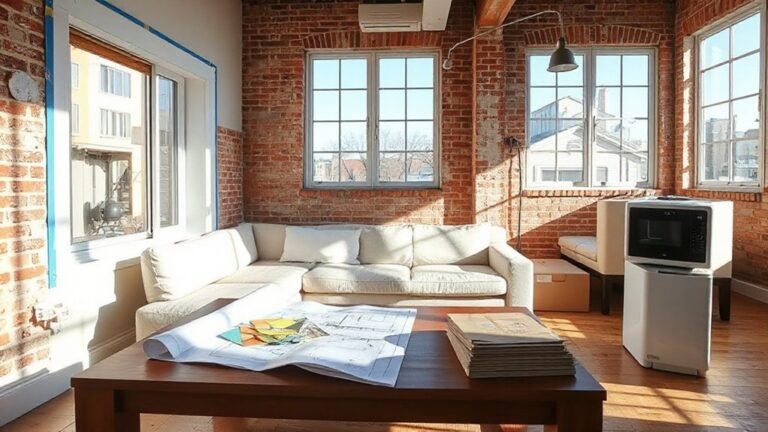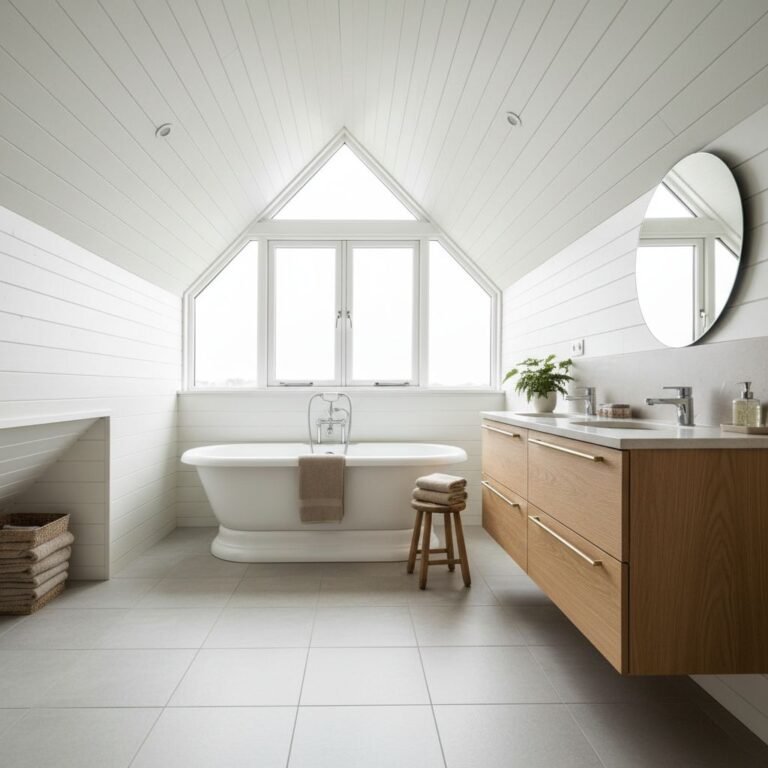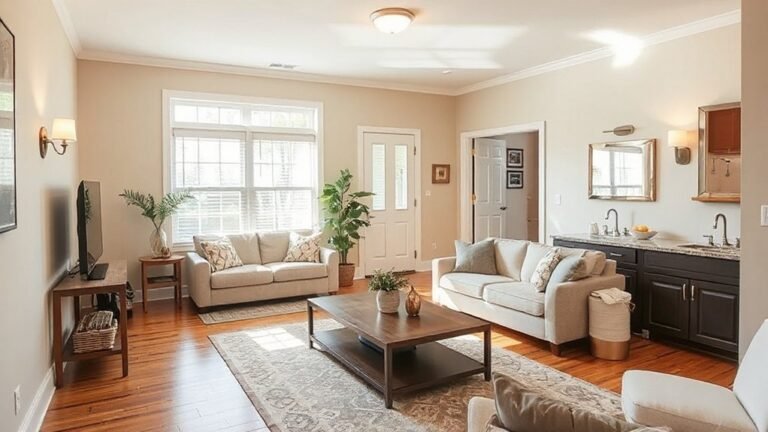
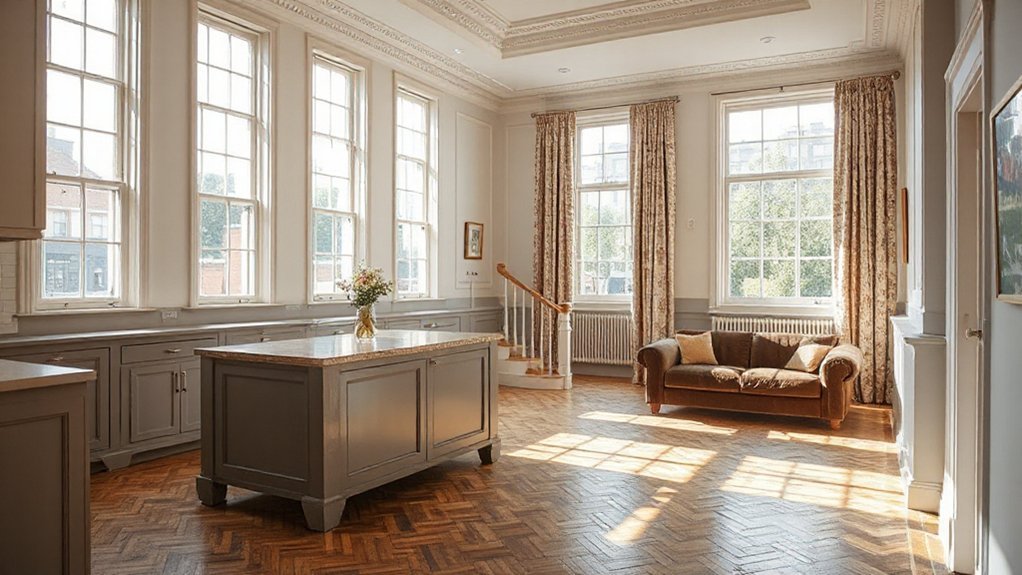
You’ll approach period property renovation by treating original moldings, masonry textures, and proportional relationships as integral constraints, not decorative afterthoughts. Plan upgrades that stabilize structure, respect historic fabric, and integrate energy strategies without erasing character. You’ll balance reversible interventions with contemporary comfort, choosing materials and finishes that age gracefully alongside modern systems. The path questions how far to push modernization while preserving cultural integrity, and why every decision invites further careful consideration.
Key Takeaways
- Thoroughly document original features, materials, and construction methods to guide reversible, auditable conservation decisions.
- Preserve structural elements and load paths while planning phased, non-damaging layout upgrades.
- Prioritize passive energy strategies and compatible, reversible retrofit products to balance comfort with historic fabric.
- Implement period-authentic design details and materials that meet modern performance, using cohesive detailing and authentic patinas.
- Budget with contingency, document interventions, and integrate landscaping and material transitions to maintain visual harmony and longevity.
What Gives Period Homes Their Character (and How to Recognize It)
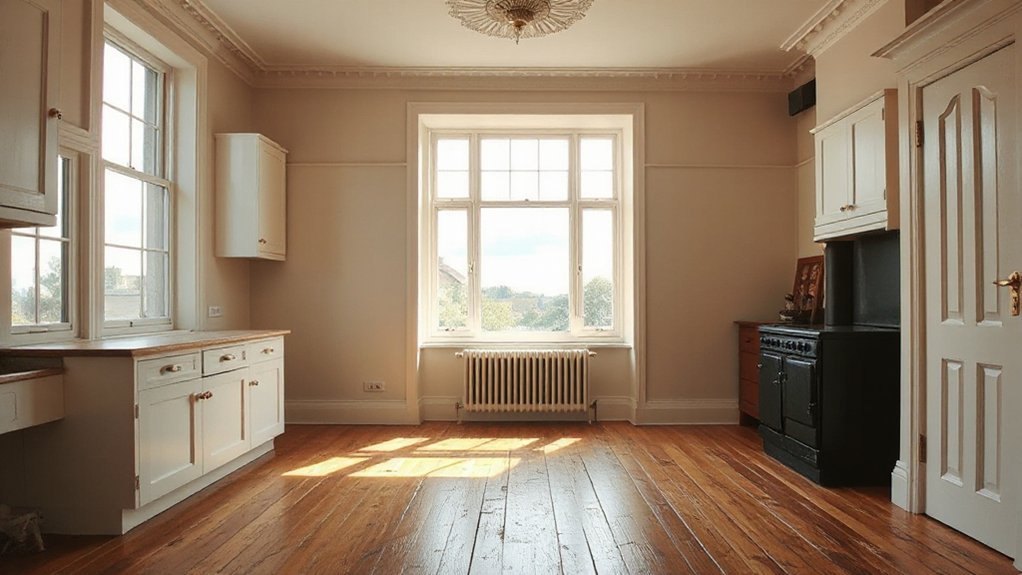
Period homes gain their distinctive character from a combination of architectural details, materials, and workmanship that reflect the era’s design priorities. You assess how original soffits, cornices, and molding survive, signaling a deliberate stylistic language.
Look for joins, nail patterns, and joinery that reveal historic craftsmanship and construction sequencing; these details aren’t decorative afterthoughts, they verify structural logic and era-specific technique.
Material palettes matter: timber framing, plaster partitions, sash windows, and masonry textures convey authenticity, while door and window hardware captures period rhythm.
Architectural authenticity emerges when proportional relationships, sightlines, and room adjacencies align with the era’s spatial logic.
You document variations, noting where later alterations diverge from original intent.
This holistic approach ensures you respect character, integrate modernization thoughtfully, and preserve the home’s true expressive identity.
Plan Layout Upgrades Without Losing Historic Structure
You’ll preserve structural elements while reconfiguring sightlines to support modern flows.
Start with load-bearing awareness and material continuity to guarantee new layouts respect historic fabric.
Prioritize minimally invasive upgrades that blend contemporary functionality with old-world detail, balancing openness with preserved character.
Preserve Structural Elements
When upgrading a period-property’s plan layout, you should preserve key structural elements to maintain historic integrity while enabling modern usability. You approach this with a methodical assessment of load paths, wall thickness, and foundational behavior to identify non-negotiable supports.
Prioritize preserving original bearing walls, joist alignments, and column grids that define room scale and rhythm, then map safe insertion points for new layouts. Use sympathetic, non-damaging strategies—slightly altering openings or reinforcing with concealed members—to maintain Architectural authenticity.
Document modifications with durability in mind, ensuring repairability and reuse of existing materials where feasible. Plan for long-term Structural stability by controlling moisture, air movement, and thermal expansion around critical cores.
Your result blends reverence for history with practical, durable framing logic.
Integrate Modern Flows
Integrating modern flows into a period house requires a precise balance: you replace inefficiencies with streamlined routes while preserving the structural truths identified earlier.
You map primary circulation first, then layer secondary paths to minimize wall alteration. Preserve key sightlines and the Historic façade while introducing flexible, open zones that respect load-bearing constraints.
Use masonry-compatible techniques to relocate utilities with minimal intrusion, locating new fittings in non-ornamental spaces. Prioritize daylighting and cross-ventilation to reduce mechanical reliance without compromising historic authenticity.
Employ gradual thresholds and retained detailing to signal shift points between old and new. Document material provenance and ensure joinery remains legible, so future maintenance respects period authenticity.
Conclude with a phased plan that tests flow against occupancy needs before any irreversible changes.
Balancing Energy Efficiency With Historic Fabric: Practical Tricks
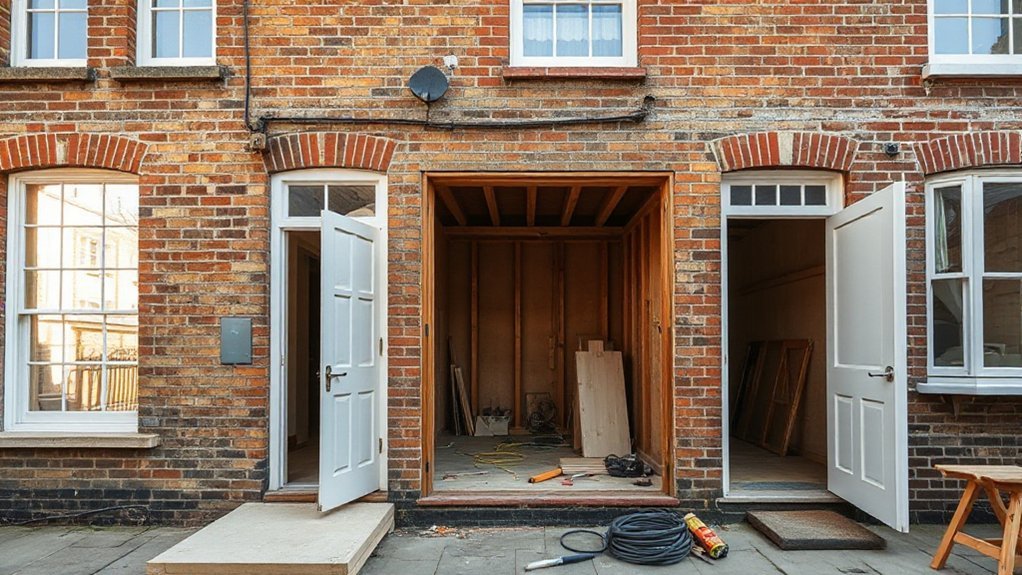
Effective energy strategies in historic buildings hinge on protecting fabric while reducing heat loss. You balance retrofit urgency with respect for aging timber, plaster, and masonry, targeting measurable gains without compromising character. Prioritize high-performance yet discreet interventions, and verify heat transfer changes with precise monitoring.
- Use passive strategies first: draft sealing, targeted insulation, and controlled ventilation
- Select retrofit products compatible with historic materials and reversible where possible
- Install solar panels on non-prominent roofs or parapets to minimize visual impact
- Deploy smart thermostats to optimize occupancy patterns without frequent manual adjustments
- Schedule regular audits to track performance, adjust strategies, and document fabric condition
This holistic approach aligns comfort, energy, and preservation goals, delivering durable, low-risk improvements.
Period-Authentic Design Details That Read Right
Carefully select period-appropriate details that read as authentic at a glance while balancing modern performance. You evaluate typography, hardware, and ornament in stance with the era’s grammar, ensuring scale, proportion, and rhythm support legibility across rooms.
Use finishes and textures that evoke historic authenticity without devolving into pastiche; opt for restrained contrasts, authentic patinas, and measured gloss where appropriate. Prioritize details that communicate cultural significance, such as design motifs rooted in regional craft or civic identity, and document intent for future stewardship.
Test daylight and lighting controls to preserve tonal integrity and legibility of details after sundown. Implement documentation protocols for provenance, condition, and repairability so the reading of design intent remains clear to occupants and inspectors alike.
Maintain coherence across architectural cues to sustain long-term character.
Preserving Plaster, Timber, and Plasterwork: Materials and Methods
Preserving plaster, timber, and plasterwork demands a precise, materials-first approach that honors historic craft while supporting modern performance. You’ll prioritize compatible substrates, breathable finishes, and removable fixings to protect structure and detail.
Assess substrate integrity, then select compatible restoration techniques that respect original textures while improving longevity. Material sourcing centers on authentic mixes, lime-based mortars, clay plasters, and engineered timber where appropriate.
Document every intervention to aid future conservation decisions.
- Prioritize compatibility and reversibility in every repair
- Use breathable, lime-based finishes over non-porous coatings
- Source authentic or precisely matched plasters and timbers
- Apply careful joinery and secure fixings without compromising detail
- Record restoration techniques for ongoing preservation
Budgeting a Phased Renovation to Preserve Character
Your approach embraces a holistic cost model: unit costs, contingency reserves, and risk buffers for seasonal access, material lead times, and permitting. You allocate budgets by trade packages, prioritizing period-specific craftsmanship and authentic detailing in the initial phases to prevent later retrofits.
Historical landscaping integrates into the timeline as a separate, funded module to avoid impinging on interior sequencing. You document decision criteria, measurable milestones, and acceptance criteria, ensuring traceability.
This disciplined budgeting preserves character while enabling comfort upgrades, without sacrificing historical integrity or project flexibility.
Smart Upgrades That Preserve Character, Not Modernist Jarring
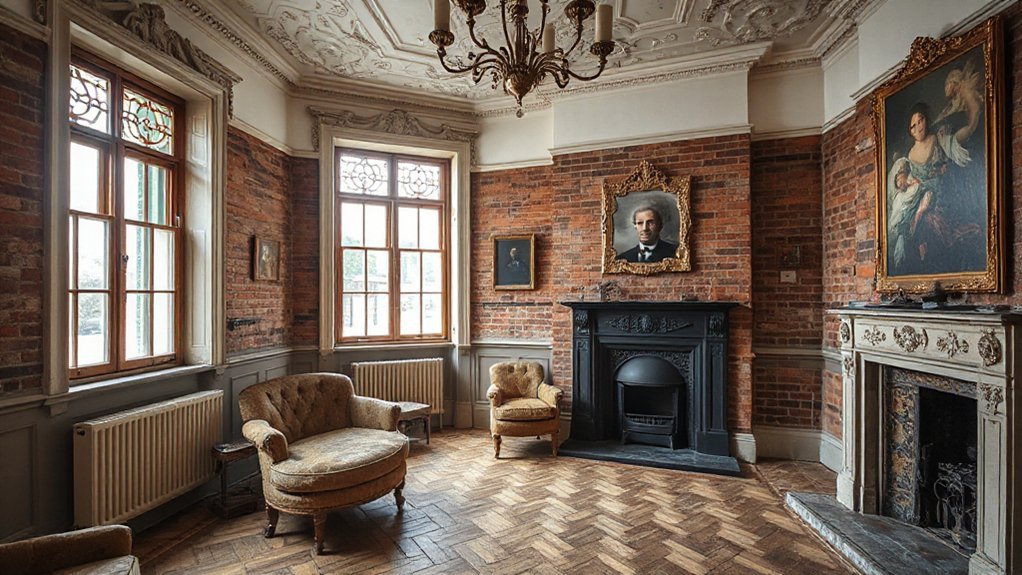
You’ll explore subtle modern integrations that respect original details, balancing function with the building’s character.
Subtle Modern Integrations
- Concealed systems
- Reversible modifications
- Subtle hardware updates
- Matching palettes
- Documentation and future-proofing
Preserving Original Details
Architectural restoration principles guide interventions: retain authentic materials, repair rather than replace, and document deviations from the original plan. Historic documentation becomes the backbone of your approach, providing provenance, dating, and construction methods that inform reversible, non-destructive strategies.
When upgrades are necessary, you select compatible finishes, hardware, and glazing that harmonize with the inherited palette. You collaborate with specialists to verify compatibility with framing and load paths, avoiding over-replacement.
The result maintains character while enabling modern comfort, with auditable records supporting future stewardship.
Gentle Material Transitions
Gentle material shifts require a deliberate, systems-based approach: new elements must read as a whispered continuation of the existing fabric rather than a bold interruption. You balance textures, scales, and finishes to maintain coherence while enabling upgrades.
Prioritize compatibility over novelty, ensuring joints, progressions, and detailing reinforce a unified palette. Focus on textural contrast and color harmony to articulate depth without disruption, so traditional materials read as curated anchors for modern components.
- Maintain consistent grain, sheen, and edge treatment across fabrics
- Use muted contrasts to avoid abrupt visual breaks
- Align trim profiles to historic dimensions and profiles
- Integrate lighting that enhances texture without overpowering warmth
- Select materials with compatible aging behavior and color stability
Frequently Asked Questions
How Can I Meet Modern Codes Without Altering Character-Defining Features?
You can meet modern codes without compromising character by prioritizing historical authenticity and aesthetic integrity in every decision.
Start with a detailed assessment of structure, services, and fire safety, opting for concealed or reversible upgrades that preserve original features.
Integrate passive design, updated electrical and plumbing within existing chases, and non-invasive fire-rated assemblies.
Document compliance choices, perform continuous monitoring, and choose materials that match historic palettes, ensuring safe operation while honoring heritage.
Which Trades Are Best for Sensitive Period-Accurate Work?
Skilled artisans and tradespeople who specialize in period work are your best bet for sensitive accuracy. Choose heritage joiners, plasterers, stonemasons, conservators, and traditional electricians who prioritize authentic materials and time-honored methods.
You’ll guarantee detailing, finishes, and structural work respect era-specific criteria, while documenting every intervention. Coordinate craft-by-craft reviews, verify training, and demand proven restoration histories.
This holistic approach preserves character while delivering dependable, compliant outcomes.
What Hidden Costs Threaten a Careful Period Renovation?
Hidden costs threaten a careful period renovation, including hidden moisture, unseen structural decay, and incompatibilities with historic materials. You should budget for archival surveys, specialized trades, and permit fees.
Delays from sourcing authentic pieces can spike timelines, while preservation grants may be uncertain or delayed. You’ll need contingency funds for unexpected conservation methods and compliance documentation.
Historic materials demand meticulous restoration; guarantee you reserve funds for long-term maintenance and potential rework, leveraging Preservation grants where appropriate.
How Do I Prioritize Upgrades Across Multiple Phases?
Prioritize upgrades by sequencing critical systems first, then envelope improvements, and finally comfort features. Start with a clear phased plan that aligns with your budget and risk tolerance.
Update historic flooring and preserve original fixtures where feasible. You’ll map dependencies, set milestones, and allocate contingencies for hidden costs.
You’ll monitor energy performance, damp, and ventilation in each phase, adjusting scope to avoid costly rework while maintaining holistic, technically sound integrity across the project.
Can I Retrofit Smart Tech Without Visible Impact on Historic Fabric?
Yes, you can retrofit smart tech without visibly impacting historic fabric. Plan with a holistic approach, locating components in discreet routes and non-intrusive enclosures.
Prioritize low-profile sensors, wireless hubs, and retrofit-ready devices to preserve Historic aesthetics. Use Tech integration strategies that favor recessed wiring, surface-free panels, and non-destructive mounting.
Test compatibility with your structural materials, document sparing changes, and guarantee ongoing accessibility. Your renovation stays functional, preserving character while delivering modern comfort.
Conclusion
You’re not chasing a new look, you’re cataloging history with a practical eye. When you test a theory—the idea that every retrofit must bend to the original fabric—it becomes a method, not a mood. You verify by measuring, documenting, and choosing reversible, period-true solutions. The truth: character isn’t preserved by stubborn replication, but by disciplined alignment—structure, plaster, timber—paired with careful modern comfort. Done right, your home reads as authentic, livable, and eternally respectful of its makers.
About the Author