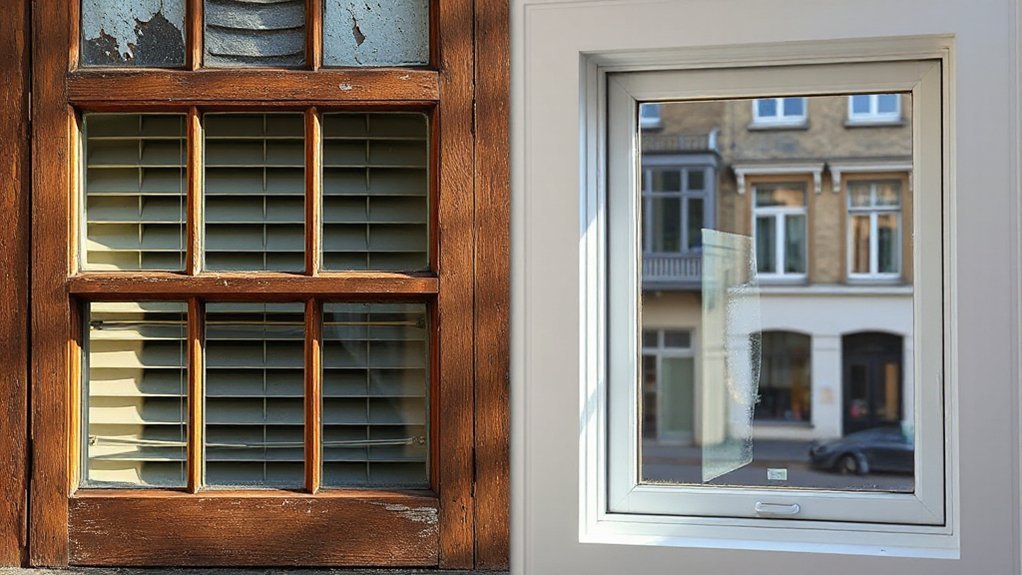
You test the theory that period sash restoration preserves authenticity while double glazing boosts comfort, yet both choices hinge on exacting detail and long‑term costs. You weigh how restoration keeps original profiles and patina against the potential upkeep, and how double glazing may alter historic lines even as it improves insulation and soundproofing. The balance isn’t obvious, and the path forward depends on your priorities for character, performance, and budget, which invites careful comparison before committing.
Key Takeaways
- Restoration preserves historic accuracy, original moldings, and glazing bars, with ongoing maintenance and provenance documentation.
- Double glazing improves U-value, weather resistance, and acoustics but can alter character if profiles are replaced.
- Trade-offs include compatibility with frames, sash weights, ventilation needs, and potential impact on authenticity.
- Costs vary by labor, materials, and documentation; consider long-term durability versus upfront investment.
- A structured decision approach uses assessment, option comparison, and a decision matrix for authenticity, cost, and performance.
Charm, Value, and Maintenance of Restoring Period Timber Sashes
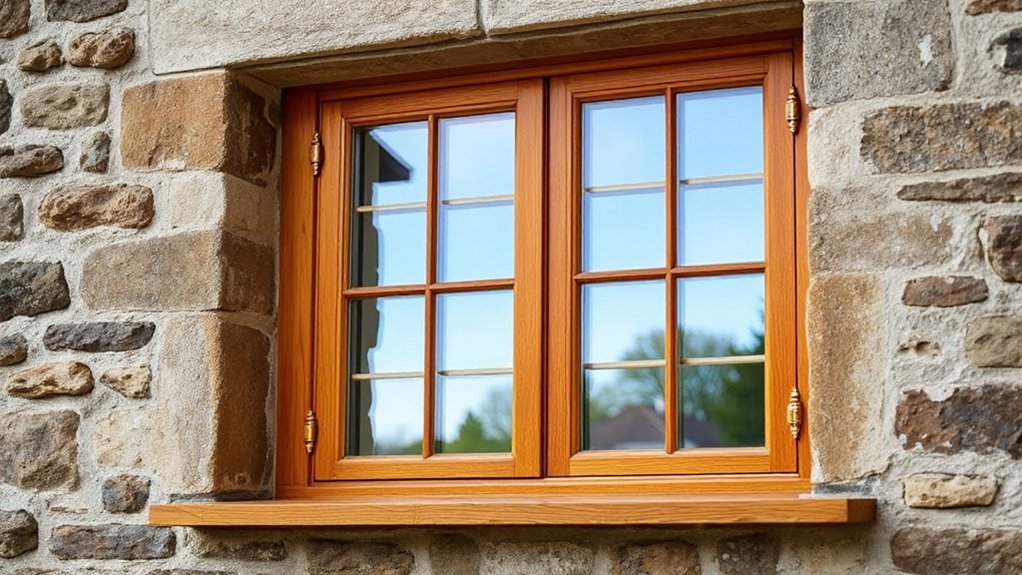
Restoring period timber sashes preserves authentic charm while delivering durable performance. You assess long-term value by prioritizing wood species, joinery, and period-correct profiles to maintain historical accuracy. Precision in carpentry matters: don’t substitute modern sections that degrade appearance or rigidity.
You maintain original features—muntins, weights, pulleys, and sash cords—through careful dismantling, cleaning, and resealing with breathable, compatible finishes. Routine maintenance becomes predictive, not reactive: inspect for rot, insect damage, and paint failure, then execute targeted repairs that honor craftsmanship preservation.
You document each intervention to support provenance and resale value, and you select restoration methods that minimize material loss while preserving patina. By balancing archival fidelity with practical durability, you guarantee lasting charm, structural integrity, and an inspector-ready facade.
How Double Glazing Affects Energy, Sound, and Upkeep
Double glazing alters the energy balance, sound transmission, and maintenance profile of period windows by introducing an insulated, sealed cavity between panes. You quantify energy savings by evaluating U-values and solar heat gain coefficients, recognizing that non‑historic seals can alter thermal performance.
The inner pane reduces airborne noise through mass and damping effects, yet gaps or degraded seals may shift critical frequencies, impacting comfort and compliance.
Historical accuracy matters: you must assess frame compatibility, glazing bar aesthetics, and seal colors to minimize visual mismatch.
Maintenance challenges arise from desiccant aging, diffuser leaks, and sash friction, which demand careful, periodic sealing and controlled ventilation.
You balance performance gains against potential degradation of inheritability, ensuring improvements don’t outpace authentic character or introduce recurring repair cycles.
Period Window Restoration Vs Double Glazing: Trade-Offs in Cost, Performance, and Character
Although restoration and double glazing both aim to improve comfort and efficiency, you must weigh their trade-offs across cost, performance, and character before choosing a path for period windows.
Restoration prioritizes Historic accuracy, preserving moldings, sash dimensions, and glazing bars, but may require ongoing maintenance and limited thermal performance without modern upgrades.
Double glazing enhances U-value, acoustic control, and weather resistance, yet can alter character if frame profiles or muntins are removed or substituted.
Consider Modern compatibility with existing structural constraints, sash weights, and compatibility with ventilation and operation.
Cost scales with labor, material conservation, and potential tomes of documentation.
Performance gains hinge on air tightness, glazing type, and frame integrity.
Informed decisions balance authenticity against energy and comfort benefits, ensuring long-term reliability without compromising essential period aesthetics.
A Practical, Step-By-Step Path to Choosing: Assess, Compare Options, Budget
To choose wisely, begin with a structured assessment that identifies your goals, constraints, and baseline performance of existing period windows. You’ll document sash operation, glazing condition, frame integrity, and surrounding wall compatibility.
Next, quantify options: restoration, secondary glazing, or full replacement, noting historical accuracy and material durability. Compare energy performance metrics, such as U-factor, solar gain, and air leakage, alongside installation timelines and warranty terms.
Budget accordingly by itemizing capital costs, ongoing maintenance, and potential tax incentives or grants. Risk assessment should consider irreversible changes and potential for moisture-related decay.
Prioritize options that minimize intrusive alteration while maximizing performance. Conclude with a decision matrix, assigning weight to historical accuracy, material durability, cost, and risk tolerance to select a balanced, evidence-based path.
Real-World Tips to Preserve Authenticity While Boosting Comfort
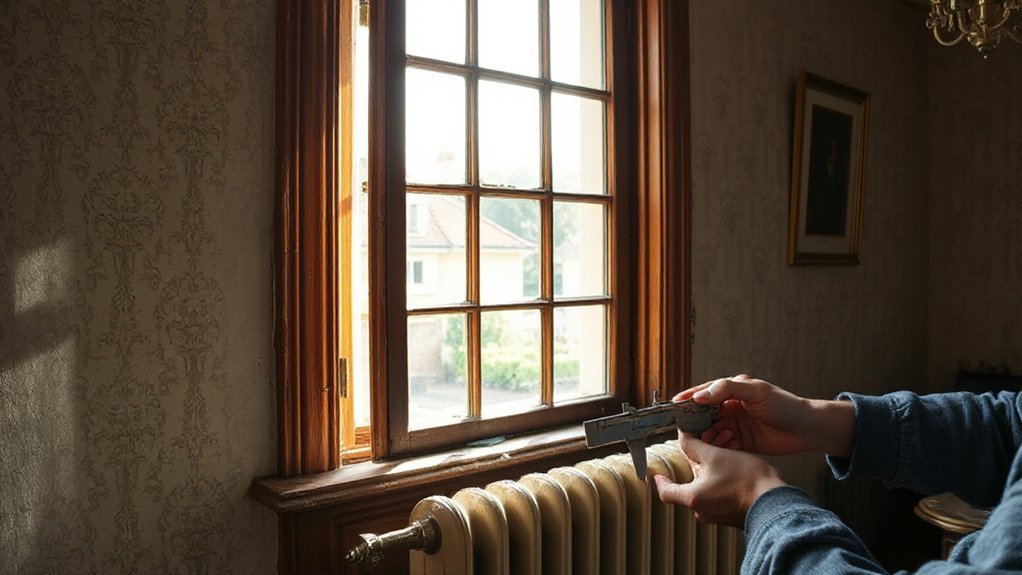
Real-world strategies to preserve authenticity while boosting comfort hinge on precise detailing and measured interventions. You approach period windows with a diagnostic mindset, measuring sash fit, glazing depth, and frame alignment to minimize drafts without altering character.
Prioritize historical accuracy in material selection, favoring period-appropriate timber species, traditional finishes, and compatible glazing techniques.
Implement weatherization through discreet, reversible methods that maintain aesthetic preservation, such as appropriate draught-proofing channels and compression gaskets hidden within profiles.
Use insulated glass sparingly or selectively, ensuring light transmission and color rendering align with original glazing aesthetics.
Document changes meticulously for future maintenance, and verify performance through steady-state air leakage tests.
Maintain ventilation balance to avoid damp or condensation, preserving long-term integrity while improving comfort.
Frequently Asked Questions
How Long Does a Period Window Restoration Typically Take?
A period window restoration typically takes several days to a week, depending on its condition and site access. You’ll conduct a thorough assessment, dismantle and EX and reassemble components, and guarantee timber preservation throughout.
You might schedule weatherproofing and timber conditioning between stages. You’ll confirm glazing and finish quality, maintaining window aesthetics while meeting performance standards.
The process emphasizes precision, material integrity, and documented results, ensuring longevity and minimal disruption to your building’s historical character.
What Maintenance Products Best Protect Restored Timber?
To protect restored timber, you should apply a durable wood treatment followed by protective coatings.
Use penetrating oils or water-repellent preservers for initial impregnation, then top with UV-resistant varnish or polyurethane to prevent moisture ingress and checking.
Reapply according to product guidelines—typically every 2–5 years—and inspect for wear, flaking, or discoloration.
Maintain joints and seals, keep surfaces clean, and avoid harsh solvents that degrade finishes.
Can Double Glazing Match Original Glazing Patterns Accurately?
Double glazing can match original glazing patterns with careful specification and skilled fabrication, though it’s challenging.
About 60% of restoration projects report that precise glass pattern accuracy improves perceived authenticity when matched to period details.
You should consult a specialist to confirm frame geometry, muntin spacing, and leaded-glass effects align.
Historical authenticity hinges on repeating the original sightlines, not just approximate dimensions.
You’ll achieve the best result by opting for custom units and precise profiling.
Which Option Offers Better Resale Value for Heritage Homes?
Double glazing generally offers higher resale value for heritage homes, but only if it aligns with historical accuracy expectations. You’ll boost curb appeal with authentic-looking frames and period detailing, while ensuring a rigorous Cost comparison shows long-term savings from improved energy efficiency.
However, if restoration faithfully preserves original patterns and materials, historical value may outweigh simpler retrofit upgrades. Weigh resale impact against compliance, upgraded performance, and character retention to determine the superior option for your property.
Are There Grants or Incentives for Period Window Upgrades?
You’ll find grants and incentives for period window upgrades exist in many regions, though availability varies. Think of Historic preservation funds as weatherproofing a ship; conservation techniques, like careful restoration or compliant double glazing, keep the craft intact while meeting modern standards.
You qualify by applying through local heritage bodies or national programs, providing documentation of authenticity and impact. If approved, you may receive subsidies, tax credits, or low-interest loans to support compliant upgrades.
Conclusion
When deciding, weigh authentic sash restoration against the gains from double glazing—energy efficiency, reduced drafts, and better soundproofing. Restoration preserves original profiles and craft, but demands ongoing maintenance; glazing upgrades can alter aesthetics if not matched. An informative stat: period homes with properly restored sashes can see up to a 30–50% reduction in energy loss compared with single glazing, depending on frame condition and insulation. Your choice should balance character preservation with durable comfort, budget, and long-term performance.
About the Author