

Property flipping in the UK works best when you buy undervalued homes, renovate smartly, and exit on a tight, disciplined timeline to lock in profits. Start by spotting real-time signals—price movement, planning activity, lender appetite—and assess location risk, demand momentum, and renovation ROI. Build precise all-in costs—purchase, refurbishment, holding, and exit—then choose funding that matches risk and milestones. Time exits with market cycles and staging, so disciplined playbooks and due diligence drive your margins. Curious how to optimize every step?
What Is UK Property Flipping: and Is It Right for You?
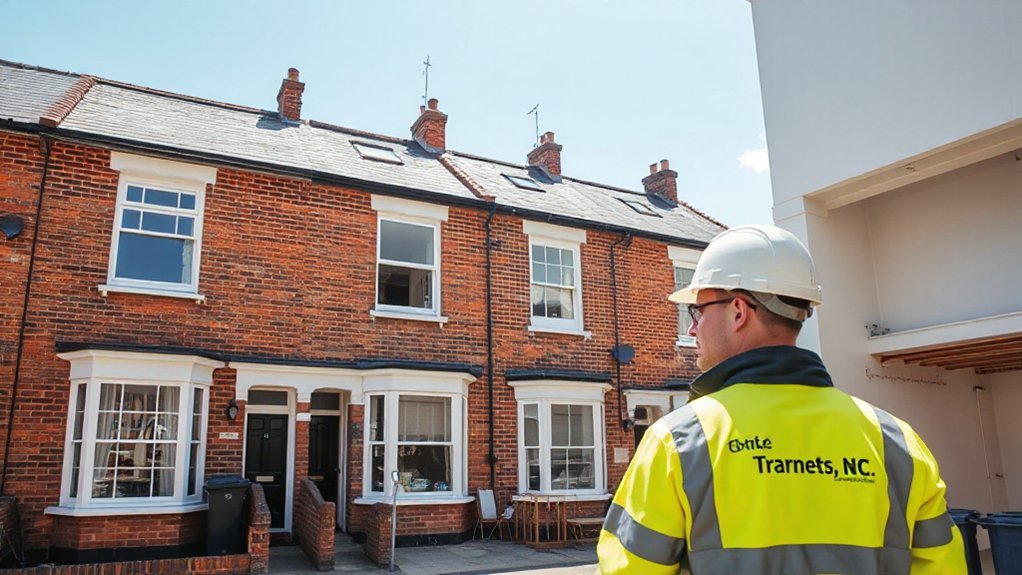
UK property flipping is the short‑term strategy of buying undervalued housing, renovating it, and selling at a higher price within a planned horizon. You evaluate market mechanics, price momentum, and renovation ROI before committing capital.
If you’re wondering whether this fits your profile, consider risk tolerance, liquidity readiness, and project management discipline. You’ll operate within regulatory frames, scheduling constraints, and lender criteria, aligning timelines with resale demand.
Legal considerations demand title diligence, planning permissions, and contract integrity to avoid disputes and penalties. You also weigh Tax implications, exploiting allowances while preserving cash flow and net profit.
A methodical, data‑driven approach sharpens entry timing and exit strategy. If you can sustain discipline, coordinate trades, and absorb holding costs, flipping aligns with a calculated, market‑savvy investor profile.
Spot UK Buy-To-Flip Opportunities From Day One
Spot UK buy-to-flip opportunities emerge fastest when you blend real-time market signals with disciplined screening. You monitor short-term price moves, rental yields, planning activity, and lender appetite, then apply strict filters to strip noise from signal.
Begin with scalable markets where demand accelerates after renovation news, and cross-check ownership chains to avoid title risk.
Your screening should quantify bite-size margins: acquisition cost, hold time, refurb budget, and carrying costs, ensuring APV remains robust under stress tests.
Leverage data on property taxes to forecast post-flip tax implications, and factor in any Local Authority or council tax fluctuations.
Legal considerations come first: verify planning permissions, restrictive covenants, and leasehold terms before you commit.
Document routines, establish KPIs, and review outcomes to refine your playbook.
How to Assess Deal Quality and Location in UK Markets
You’ll weigh Market Demand Indicators, such as price momentum and rental yield trends, to gauge potential upside without overpaying.
Assess Location Risk Factors—permitting, zoning, and macroeconomic drivers—to anticipate hurdles before you commit.
Tie in Deal Quality Metrics like cap rate, repair scope, and exit runway to form a crisp, actionable risk-adjusted view of each opportunity.
Market Demand Indicators
Track steady occupancy trends, age of stock, and demographic demand shifts to anticipate resale appetite and time-to-flip.
Gauge market saturation by mapping competing refurb projects, unit delivery forecasts, and pricing momentum across postcodes.
Examine regulatory compliance implications early—planning permissions, section 106, and environmental constraints—to avoid costly hold-ups.
Weigh finished-product desirability: finish quality, perceived value, and amenities that buyers expect at the target price band.
Use triangulation: sales velocity, lender appetite, and refurb cost discipline to validate the deal quality before committing capital.
Location Risk Factors
Location risk in UK markets hinges on decoding the regulatory, demographic, and infrastructure signals that shape deal quality. You assess location risk by mapping planning policy effects, transport accessibility, and population dynamics that influence resale value and vacancy risk.
Start with regulatory clarity: identify local development plans, environmental constraints, and upcoming consent regimes that could alter yield timelines.
Then evaluate infrastructure signals: rail and road connectivity, school catchments, healthcare access, and utility reliability, since these drive demand stability.
Consider demographic trends, such as age distribution and income growth, to forecast absorption rates.
Be mindful of location hazards: flood zones, subsidence history, and environmental remediation costs.
Finally, account for zoning restrictions that can cap permitted use or require costly variances, impacting profitability.
Deal Quality Metrics
Deal quality in UK flipping hinges on aligning location signals with deal-specific metrics to reveal true upside and risk. You evaluate each asset against objective thresholds: yield, renovation scope, hold vs flip horizon, and exit path.
Location signals drive probability of compounding value, while deal metrics quantify execution risk. You’ll monitor market saturation indicators and legal considerations to avoid mispricing and delays.
Precision in data sourcing and scenario analysis separates trend from noise, enabling disciplined bidding and structuring. A rigorous framework reduces surprise costs and protects margin integrity, even in crowded markets.
- Market saturation signals to gauge competition and absorption pace
- Renovation scope vs projected uplift, cash flow impacts, and carry costs
- Legal considerations: planning constraints, tenancy rules, and title risk
- Exit strategy alignment with financing, taxes, and timing
Calculating All-In Costs: Purchase, Refurb, Holding, Exit

You’ll map all-in costs by tying together Purchase Costs, Refurb Budget, Holding, and Exit fees into a single coherent model.
This requires precise budgeting, realistic timeframes, and transparent assumptions to keep margins intact.
We’ll anchor discussions in market data, supplier terms, and fee schedules to guarantee a clear path from purchase to exit.
Purchase Costs Overview
Purchase costs are the total cash and financing charges you must cover before the first sale or refinance, broken down into four core streams: purchase price, refurbishments, carrying costs, and exit fees.
You assess each stream to guarantee accurate profitability projections. Your calculation should reflect legal obligations and tax implications, avoiding overstatement of leverage or hidden liabilities.
- Purchase price and related acquisition costs, including stamp duty Land Tax considerations and legal fees.
- Refurbishments: scope, contractor quotes, contingency buffers, and VAT treatment where applicable.
- Carrying costs: interest, insurance, council tax, utilities, management, and financing fees.
- Exit fees: selling costs, broker commissions, and capital gains tax planning.
Maintain precision, document sources, and align with regulatory expectations to minimize risk.
Refurbishment Budget Planning
The refurbishment budget anchors the Planning process, translating design intent into measurable line items, durations, and supplier commitments. You estimate per-square-metre costs, supplier alternates, and escalation factors, then roll these into a cohesive cash flow projection.
Track risks with a transparent buffer for market swings, procurement delays, and scope changes, ensuring alignment with exit strategy milestones. You validate assumptions through benchmarks, recent comps, and supplier quotes, updating the plan as realities shift.
A precise budget guards liquidity, funding cadence, and profitability in the early-stage flurry of property flipping.
Holding And Exit Fees
1) Holding costs include interest, fees, and opportunity costs, controlled with a fixed daily rate.
2) Exit costs encompass agent fees, legality, and stamp duty implications.
3) Timing sensitivity sharpens margins by aligning sale with market cycles.
4) Contingency buffers prevent overrun surprises and protect return targets.
Funding UK Flips: Loans, Incentives, and Private Capital
Funding UK flips hinges on the right mix of capital sources: traditional bank loans, specialist bridging facilities, government incentives, and private equity. You’ll assess each option for cost of capital, speed, and flexibility, aligning them with your project risk profile.
Property valuation guides leverage levels, loan-to-value targets, and contingency buffers, ensuring you don’t overextend.
Bridging facilities offer rapid liquidity for refurbishments, while term loans stabilize cash flows during hold periods.
Government incentives can offset soft costs, yet eligibility requires thorough documentation and timing.
Private capital delivers patient money with bespoke covenants, often at a premium, balanced by potential upside.
Legal considerations, including due diligence, loan security, and compliance, shape structural choices and exit viability.
Precision financing minimizes interest drag and preserves equity for value-creation milestones.
Time-Sensitive Planning: The Flip Timeline and Milestones
Time-sensitive planning unites schedule discipline with cost discipline, mapping every phase of the flip from acquisition to exit and enforcing strict milestones that align with funding covenants and market windows.
You’ll synchronise due diligence, permitting, renovation sequencing, and sales timing to minimize carry costs while safeguarding compliance, including Property taxes and legal compliance checks, at each gate.
1) Define critical path dates tied to funding covenants and purchase terms.
2) Align permitting approvals with renovation phasing to avoid delays and penalties.
3) Schedule interim rent or holding costs against projected exit timing and tax exposure.
4) Establish exit triggers based on market data, appraisal milestones, and regulatory requirements.
Scoping the Renovation for Maximum ROI

To maximize ROI, you start by defining the renovation scope that aligns with your target exit strategy and market position. You map the project to a precise brief: room-by-room upgrades, material standards, and finish levels that buyers expect at the price band you’re targeting.
Prioritize spaces with the highest yield—kitchens, bathrooms, and practical layouts—while preserving structural integrity to control costs. Set measurable benchmarks for energy efficiency, such as insulation upgrades, airtightness, and efficient HVAC, to enhance appeal without overcapitalizing.
Integrate interior design concepts that signal contemporary living—natural light, cohesive palettes, and durable, easy-care surfaces. Validate decisions with market data: comparable properties, time-to-sale, and exit cost estimates to protect margin.
Managing Risk: Due Diligence Steps and Contingency Budgeting
You start by confirming your due diligence essentials—title checks, planning permissions, structural surveys, and owner disclosures—to quantify risk before you commit capital.
Next, you apply contingency budgeting tactics that reserve against material delays, unseen defects, and market shifts, setting a target buffer aligned with project scope.
Finally, you run a risk mitigation checklist that links diligence findings to actionable contingencies, ensuring your flipping strategy remains viable under real-world Variances.
Due Diligence Essentials
Before you plunge in, a disciplined due diligence process is your best hedge against risk: it pinpoints deal breakers, validates assumed economics, and informs contingency budgeting to safeguard profitability.
You’ll methodically verify property tax implications and guarantee Legal compliance, so the upside isn’t eroded by hidden liabilities.
1) Validate title and planning constraints to prevent encumbrances and unresolved access rights.
2) Scrutinize property tax assessments, exemptions, and timing to align costs with projected returns.
3) Confirm planning permissions, building regulations, and demolitions where applicable.
4) Assess contractual risk, vendor solvency, and permit continuity to avoid cascading delays and cost overruns.
Contingency Budgeting Tactics
Contingency budgeting isn’t an afterthought—it’s the disciplined buffer that keeps projected profits intact when cost realities deviate from initial forecasts. You implement a structured contingency plan alongside due diligence, reserving a defined percentage of project costs for unexpected events.
Start with an emergency funds line item, sized to cover at least 5–10% of total build and refurb costs, then layer in stage-specific buffers for permits, trades, and material price shifts. Monitor market volatility quarterly, adjusting assumptions as prices swing and supply chains tighten.
Use scenario modeling to stress-test profitability under higher refurb costs or longer hold periods, ensuring you preserve cash flow resilience. Document contingency triggers, governance approvals, and rollback procedures so the plan remains actionable, transparent, and repeatable.
Risk Mitigation Checklist
A risk mitigation checklist guides you through disciplined due diligence and disciplined contingency budgeting, ensuring every assumption is tested and every potential pitfall is addressed. You align project scope with regulatory clarity, quantify exposure, and lock in a realistic reserve to absorb unforeseen costs.
Prioritize Property insurance coverage and update policies to reflect scope changes, while addressing legal considerations to prevent costly delays. Your process couples rigorous verification with scalable buffers, maintaining project velocity without sacrificing controls.
- Validate title legitimacy, planning permissions, and contractual obligations to minimize legal risk.
- Calibrate contingency budget against itemized cost drivers, allowances, and market volatility.
- Lock exhaustive Property insurance terms and endorsements for construction and completion phases.
- Establish milestone Gatekeeping to trigger reviews, adjust budgets, and reallocate resources accordingly.
Analyzing Market Cycles to Time the Sale
Market cycles shape when to sell by guiding pricing momentum, demand flux, and inventory timing. You’ll optimize exit timing by aligning sale with peak demand periods, seasonal patterns, and policy shifts that influence buyer willingness to pay.
You tune expectations through data-driven indicators: price momentum, days-on-market, and new listings, discarding guesswork in favor of evidence.
Track cycle phases—expansion, peak, contraction, trough—to anticipate price reactivity and capex timing, while respecting regional quirks across the UK.
Consider market psychology as a filter: sentiment swings can amplify or dampen turnover, affecting offers and speed.
Maintain investment diversification across property types and locales to hedge cycle risk, ensuring your exit remains resilient if one segment softens.
Finalize timing only after cross-checking macro signals, zoning changes, and financing conditions.
Practical Steps for a Beginner-Friendly Flip Plan

To create a beginner-friendly flip plan, start with a clear objective, rapid assessment, and a staged workflow that scales as you learn. You’ll balance speed with diligence, aligning finance, timing, and compliance to maximize return while minimizing risk.
- Define scope, exit timing, and target margin; quantify variables you’ll track.
- Establish a rapid due-diligence checklist, including building permits, constraints, and nearby comps; integrate Property taxes and anticipated holding costs.
- Create a phased rehab plan with cost ceilings, vendor milestones, and quality gates to preserve value.
- Map legal considerations, contracts, and title checks upfront to prevent delays and disputes.
Common Mistakes Beginners Make: and How to Avoid Them
Common beginner missteps in UK property flipping often stem from underestimating time, cost, and legal friction. You’ll misjudge renovation timelines, neglecting blockages, access issues, and consent hurdles that pressure schedules and budgets. Avoid optimistic scoping; insist on a detailed schedule with contingencies.
Budget rigorously for renovation pitfalls, including structural discoveries, materials inflation, and subcontractor disputes. You must align project scope with market demand, resisting feature creep that inflates costs without proportional value.
In parallel, anticipate legal pitfalls: planning permissions, building regulations, and party-wall considerations. Engage early with a qualified surveyor and a reputable solicitor to confirm titles, leases, and covenants.
Finally, protect liquidity with a conservative reserve and staged payments, ensuring you don’t stall or compromise compliance in pursuit of speed. Clear processes prevent costly, overridable mistakes.
Real-World Tips From Seasoned UK Property Flippers
Seasoned UK flippers don’t chase trends; they build repeatable playbooks rooted in meticulous due diligence, tight cost control, and real-time market feedback. You gain edge by translating data into decisions, not opinions, and by treating every project as a test of discipline.
Focus areas include selecting assets with scalable upside, executing precise budgets, and aligning cash flow with timing windows. Luxury upgrades are planned with a cost-to-value thesis, not vanity, while renting strategies maximize occupancy and yield through targeted tenant profiles.
The result is resilience amid cycle volatility and clear exit sequencing.
- Nail the value-add blueprint before purchase
- Lock in stage-gate budgets and tracking metrics
- Calibrate luxury upgrades to expected rent premiums
- Schedule exits using market-trigger milestones
Frequently Asked Questions
How Do You Avoid Common Refurbishment Overruns in UK Flips?
You avoid common refurbishment overruns by tight Renovation budgeting and disciplined contractor selection. You set clear milestones, require detailed schedules, and build in contingencies, then monitor progress weekly, negotiate fixed-price terms when possible, and adjust scope to protect market timing.
What Lenders Approve Unconventional Flip Financing in the UK?
You can access alternative funding from specialist lenders that back non-traditional flips, provided you meet stringent credit requirements, including robust cash flow projections, clear exit strategies, and detailed cost baselines, ensuring lender confidence and swift approval in a competitive market.
Which Legal Costs Commonly Surprise UK Flippers?
Legal fees and Stamp duty commonly surprise you, and you should anticipate them upfront. You’ll budget precisely, compare quotes, and verify VAT treatment while evaluating timelines, ensuring compliance; these costs impact profitability and shape your flipping strategy.
How Long Does a Typical UK Flip Take Start-To-Sell?
You’ll typically complete a UK flip in 8–12 weeks from start to sell, assuming rapid approvals. Conduct precise market research upfront, and craft your renovation timeline to minimize downtime while maximizing curb appeal and resale value.
What Are Hidden Tax Implications of Flipping in the UK?
Hidden tax implications include capital gains taxes and stamp duty nuances; you’ll want proactive tax planning to optimize reliefs, offsets, and timings. You’ll face audit risk if records lag, so maintain meticulous accounts and precise profit calculations for capital gains.
Conclusion
Flip with intention, not impulse. You’ll optimize every step—from picking the right postcode to policing refurbishment budgets—by treating risk as a measured companion, not an adversary. If you watch margins, hold costs, and time your exit with data, the market’s returns feel less like luck and more like a disciplined craft. Stay curious, stay compliant, and let prudent milestones guide you toward profitable, repeatable results—without overpromising what the property cycle can deliver.
About the Author