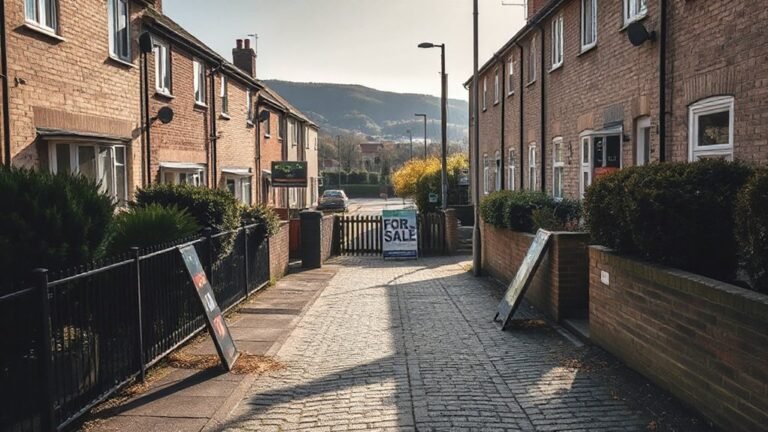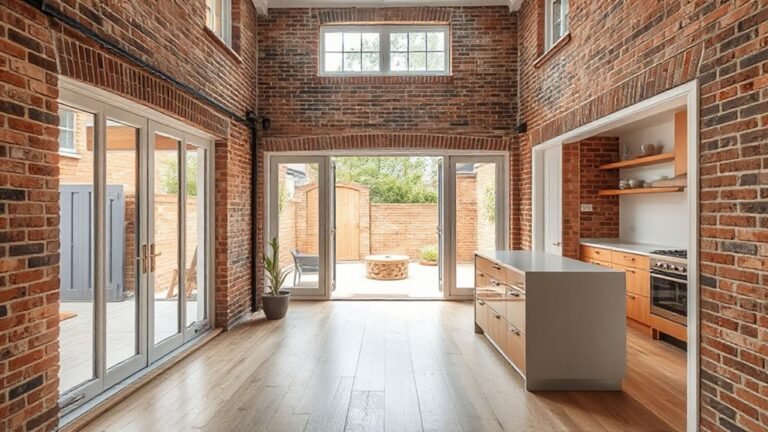
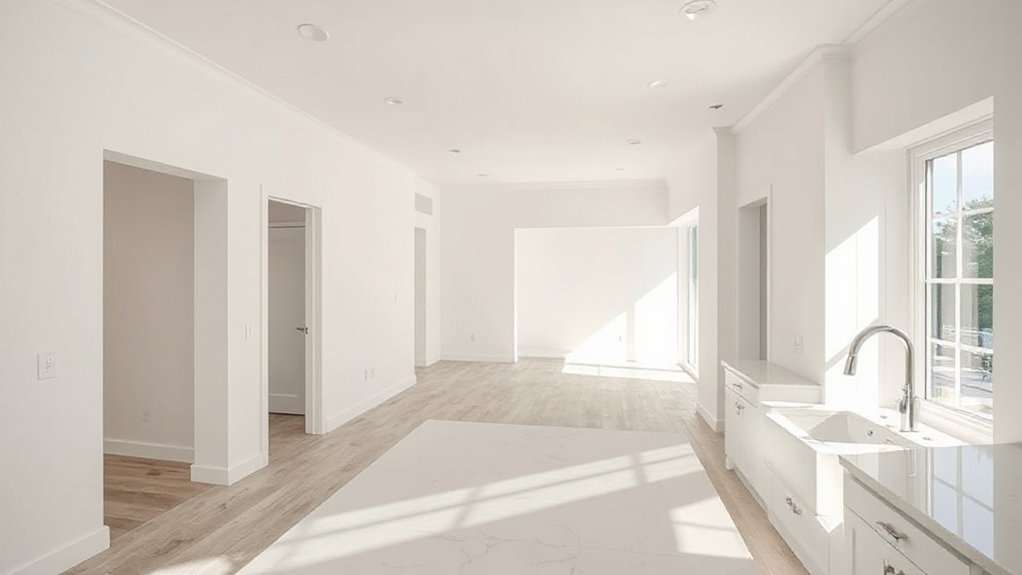
Looking at potential Pros and Cons of Buying a Newly Built Home. Buying a newly built home offers modern design, energy efficiency, and minimal maintenance, but you’ll face higher upfront costs, limited customization, and possible construction delays. You must weigh warranties and resale potential against neighborhood dynamics and long-term stability. A practical budget and a clear sense of what you’ll compromise or customize help. Think about how construction timelines align with your plans, and whether the promise of efficiency justifies the premium—the choice hinges on your priorities.
Key Takeaways
- New builds offer modern layouts, energy efficiency, and low maintenance, with durable finishes and newer mechanicals that reduce early repairs.
- Upfront costs can be higher, but long-term savings from energy efficiency and fewer renovations may improve total cost of ownership.
- Customization is often limited by builder plans, though early upgrades can tailor features within budget.
- Construction timelines depend on permits and weather; proactive milestone tracking helps manage delays and budget impacts.
- Warranty coverage and clear contracts are crucial to protect against future costs and ensure transparency on changes and inclusions.
Is a Brand-New Home Right for You? a Quick Decision Framework
Deciding whether a brand-new home fits your needs hinges on your priorities and timing. You’ll weigh immediate desire for modern layouts against longer planning windows, financing readiness, and neighborhood evolution.
Begin with a compact decision framework: confirm must-haves versus nice-to-haves, project your budget across purchase, closing, and upgrades, and set a go/no-go deadline.
Analyze Historical trends to gauge long-term value—how new builds hold value, and where inventories shift as communities mature.
Examine Market fluctuations to anticipate price changes, lot premiums, and incentive cycles.
Assess construction timelines, builder reliability, and warranty coverage, then map risks to your timeline.
If you’re comfortable with potential delays and ongoing maintenance discoveries, a brand-new home aligns. If not, reconsider pending remodels or existing homes.
What You Gain: Design, Efficiency, and Low Maintenance
Newly built homes deliver immediate advantages in design, efficiency, and maintenance, with layouts and systems built to contemporary standards. You’ll notice thoughtful floor plans that optimize flow, room scale, and natural light, reducing the need for retrofits.
Interior finishes elevate aesthetics and durability from day one, with consistent quality across kitchens, baths, and common areas.
Energy efficiency is built into the envelope and systems, resulting in lower operating costs and steadier comfort, even in variable weather. Modern HVAC, fixtures, and insulation minimize drafts and temperature swings, while predictable performance supports long-term budgeting.
Maintenance needs stay low initially, thanks to new mechanicals and fewer early repairs. You gain reliability, streamlined repairs, and clearer up-front expectations, all contributing to a smoother ownership experience.
What You Trade Off: Price, Customization Limits, and Neighborhood Dynamics
You’ll weigh price trade-offs against long-term value, so you can decide if initial costs align with future savings and resale potential.
Customization limits mean you may sacrifice some personalization for efficiency and faster move-in, but you’ll gain predictability in budgeting and timelines.
Neighborhood dynamics matter for long-term satisfaction, so you’ll evaluate school quality, amenities, and safety alongside developer reputation and market demand.
Price Trade-Offs
Buying a newly built home often costs more upfront, but the price trade-offs extend beyond sticker value. You weigh short-term sticker price against long-term factors like maintenance, energy efficiency, and tax incentives, which can offset initial costs.
Historic preservation and resale value intersect with design choices and community signaling, subtly shaping future demand without requiring you to sacrifice function now.
- You may gain higher efficiency and lower ongoing utility costs, improving total ownership value.
- You trade off immediate customization flexibility for standardized features that streamline upgrades later.
- You position yourself within neighborhood dynamics that affect resale value and market perception.
Customization Limits
When you compare price trade-offs with customization limits, you’ll see how the standardized approach of a new build can constrain design options in exchange for streamlined construction and faster move-in.
You value predictability, but limits shape your interior finishes and layout choices. Builders predefine floor plans, cabinet styles, and fixture packages, which reduces options you’d get with a retrofit or custom home. This can save time and avoid decision fatigue, yet it may force compromises on function and personalization.
Consider resale value: standardized finishes tend to appeal to a broad market, but overly generic spaces can limit appeal for niche buyers. If customization matters, negotiate upgrade packages early and document what remains adjustable.
Balancing budget, timing, and desired interior finishes helps you assess long-term value.
Can You Afford It? a Practical Budget Checklist for New Builds
Before you plunge into a new-build, map out a practical budget that covers more than the sticker price. You’ll want a clear view of upfront costs, ongoing expenses, and contingency room to absorb changes in plans or timelines. Target precise figures for each category so you can compare mortgage options and preserve resale value down the line.
1) Assess upfront costs beyond the price tag, including closing costs, loan origination fees, and builder incentives that may shift the loan amount.
2) Project ongoing costs, such as HOA dues, insurance, property taxes, maintenance reserves, and utility efficiency improvements.
3) Build in a contingency fund, plus a conservative estimate for interest rate fluctuations and potential resale-market shifts.
Upgrades That Count: What to Customize and What to Skip
When you’re choosing upgrades, weigh essential functionality against your budget by prioritizing items that add long-term value and resale appeal.
You’ll want to balance personalization with cost, focusing on fixes that save time or reduce future hassle, rather than trendy features that may not pay off.
Consider trade-offs like location-agnostic improvements versus unique finishes, and decide what truly counts given your plans and constraints.
Essential Upgrades Trade-offs
Upgrading wisely hinges on separating must-haves from nice-to-haves, because the right choices add lasting value without blowing your budget. In this trade-off, you balance upfront costs with long-term returns, focusing on features that prevent future friction and energy waste.
Prioritize systems that scale with use and demand, and avoid over-customization that won’t pay off. Smart home integration and energy efficiency sit at the core, offering measurable savings and smoother daily routines.
- Install a centralized HVAC with programmable zoning and smart controls.
- Choose high-efficiency insulation, windows, and sealing, plus LED lighting throughout.
- Opt for a basic, expandable smart home hub rather than bespoke ecosystems.
These decisions compress risk and amplify usability, keeping the property competitive without overinvesting.
Personalization vs Budget Limits
Personalization must align with your budget, because smart customization pays off only when it reinforces value rather than inflates cost. You should map upgrades to how you live, not how you imagine you’ll host someday.
Start by prioritizing interior layouts that improve daily flow and energy efficiency, since these changes yield practical payoff and easier resale value. Avoid over-customizing walls, fixtures, or finishes that don’t enhance daily use or long-term appeal.
For budget-conscious buyers, select scalable options—think modular closets, universal outlets, and durable materials with low maintenance. Before committing, quantify the impact on resale value and resale timing, not just current satisfaction.
Timelines and Risk: What to Expect During Construction
Construction timelines for a newly built home are guided by plan approvals, weather, and supplier availability, but you should expect measurable milestones and clear risk points.
You’ll monitor progression against a legally documented schedule, noting deviations early. Construction delays tend to stem from permitting holds, material backlogs, or weather interruptions, so stay alert to updated dates and contingency buffers.
Contractor reliability matters: verify subcontractor coordination, milestone lighting, and response times to change orders. A disciplined cadence reduces surprises and protects your budget.
- Track milestones and obtain written confirmations for each phase before advancing.
- Identify critical-path items and flag potential bottlenecks tied to suppliers or trades.
- Establish a formal risk register with owners, dates, and corrective actions.
How to Choose the Right Builder and Community for Lasting Value
Choosing the right builder and community is a long-term value decision that builds on your construction timeline insights. To assess lasting value, verify track record and financial stability, plus references from previous buyers.
Examine home design standards, material grades, and energy-efficiency features, ensuring they align with your priorities. Prioritize builders who obtain and disclose construction permits promptly, and who maintain transparent schedules for upgrades and changes.
Investigate the community’s planned amenities, density, and future development plans to gauge long-run neighborhood stability.
Review warranty coverage details: scope, duration, transferability, and response times for defects or construction flaws. Confirm contract terms are clear on change orders, inclusions, and potential assessments.
Ultimately, balance upfront costs with anticipated resale value, maintenance needs, and compatibility with your lifestyle.
Is a Brand-New Home Right for You? Final Recap and Decision Guide
Deciding whether a brand-new home fits your needs requires a clear-eyed, practical assessment of cost, timeline, and long-term satisfaction. You’ll weigh upfront price, ongoing HOA rules, and construction quality against your flexibility and future plans, including resale value and market fluctuations.
If you value modern layouts, energy efficiency, and a turnkey experience, a new build offers compelling benefits; if you crave established neighborhoods and instant equity, it may feel restrictive.
- Evaluate total cost of ownership, including financing, taxes, insurance, and potential repair needs, against anticipated appreciation and market cycles.
- Consider construction risk, timelines, and builder warranties, plus how resale value could shift with evolving demand.
- Align your decision with long-term life plans and neighborhood stability to minimize regret.
Frequently Asked Questions
How Does Warranty Coverage Really Work Across Builders?
Warranty coverage varies by builder, but you typically get a home warranty with tiers for structural, systems, and finishes. Read the contract to verify warranty validity, what’s covered, and any timing or exclusions.
Your steps: confirm transferability, document defects promptly, and keep records.
Check builder reputation through past claims, financial stability, and customer reviews. Ask about third‑party inspections and remedy timelines.
A solid warranty reduces risk, but diligence protects you when issues emerge.
What Hidden Costs Appear After Closing on a New Build?
Hidden costs after closing on a new build include interior upgrades you add post-paint and fixtures, plus landscaping costs that surface after move-in. You’ll want to budget for lender and HOA fees, inspection gaps, and inevitable contingencies.
Watch for-base price changes, lot premiums, and upgrade overruns. Compare warranties for coverage timing.
You’ll likely encounter utility setup fees and permits for added remodels. Plan carefully, document decisions, and track every estimate to avoid surprises.
Do New Homes Appreciate at the Same Rate as Resale Homes?
Do new homes appreciate at the same rate as resale homes? Not always. You’ll typically see steadier base value, but resale value can outpace new builds when market demand shifts or upgrades aren’t matched.
You should get a thorough home inspection now, because hidden issues can impact long‑term value.
Consider resale value as your anchor point; rely on data over hype, and monitor comps, depreciation schedules, and the quality of finishes before deciding.
Can You Customize Post-Construction After Moving In?
Yes, you can customize post-construction after moving in, but options vary by builder and permits. You’ll likely handle interior customization such as finishes, fixtures, and storage updates, often through approved contractors.
Exterior modifications may require approvals and setback checks. Expect timelines, impact on warranties, and potential costs.
Prioritize practical upgrades, document decisions, and confirm any post-occupancy constraints with your HOA or local codes. Plan budget, permits, and inspections to avoid delays.
How Long Before the Home Feels Truly Finished?
Right away, you’ll feel the finish in roughly six to twelve months, give or take. Ironically, you’ll still notice touch-ups and tweaks afterward, so don’t expect perfection on day one.
You’ll chase a true finish through ongoing customization options and inevitable construction delays. Stay practical: track punch lists, schedule trades, and budget for contingencies.
With disciplined planning, the home starts feeling finished as you align it with your routines, not just its walls.
Conclusion
Is a brand-new home right for you? Juxtapose the fresh, pristine layout against the evolving neighborhood around it. You’ll savor modern design and efficiency, yet weigh higher upfront costs and limited customization. Picture the builder’s timeline vs. your life’s timeline: progress steady, delays possible. In the end, balance the glossy certainty of warranties with the quiet risk of market shifts. Decide by aligning immediate comfort with long-term goals, budget, and your appetite for change.
About the Author