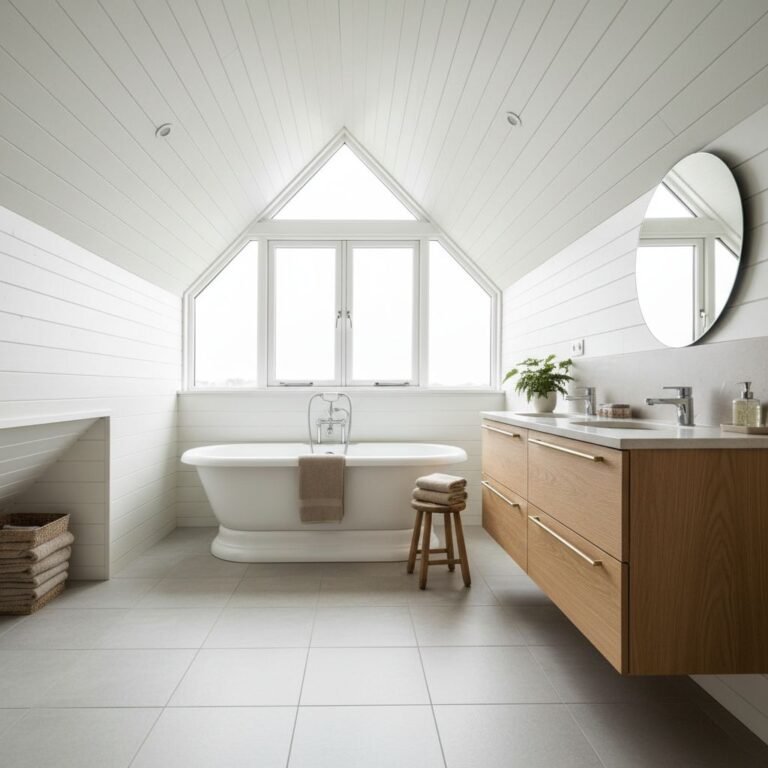
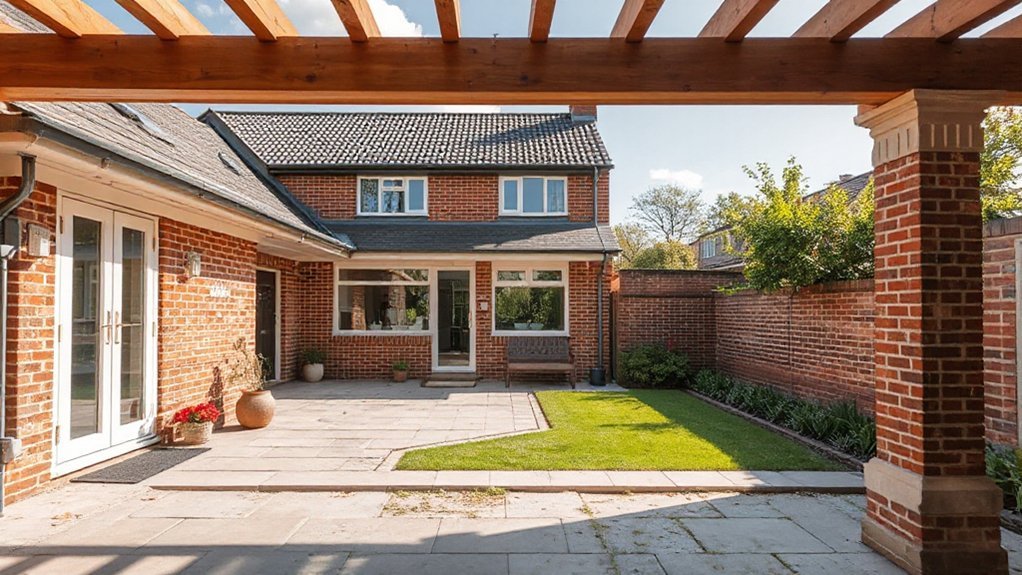
You can maximise UK home value with ROI-focused renovations that blend durable build quality, energy efficiency, and targeted aesthetics for lasting resale appeal. Prioritize cost-effective upgrades that boost perceived quality and utility, while preserving historic elements and shaping curb appeal with smart landscaping. Pair insulation and air barriers with appropriately sized systems, and plan modular solar where feasible. Guarantee permits, warranties, and professional installation protect long-term value. If you keep exploring, you’ll uncover more strategies that sustain gains across budgets and timelines.
What Renovations Most Boost UK Home Value (Roi-Focused Framework)
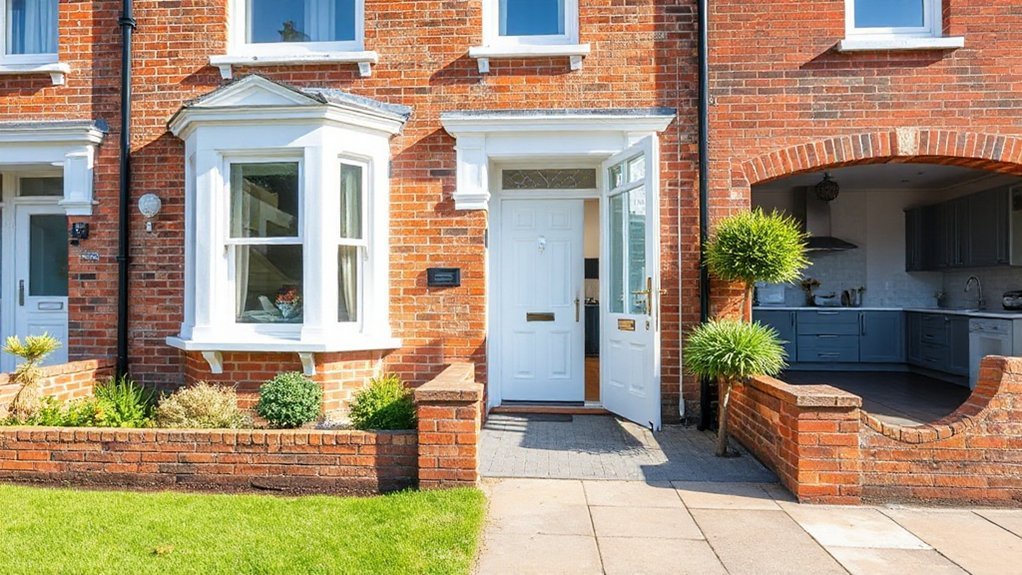
Prioritizing ROI means targeting renovations that deliver measurable value in the UK housing market. You approach the ROI-focused framework with discipline: define metrics, map impact by room, and forecast resale levers.
Prioritize improvements that increase perceived quality and functional utility, while controlling cost per square meter. Historical preservation matters when it preserves character, signals durable value, and often yields favorable planning outcomes; incorporate period-appropriate detailing without overcapitalizing.
Landscaping improvements shape first impressions, extend usable outdoor space, and can elevate curb appeal with scalable, low-risk investments.
In practice, quantify incremental value against budget, time, and complexity; prefer upgrades with high value-to-cost ratios, defensible data, and repeatable results.
Document assumptions, monitor market signals, and ensure renovations align with future buyer expectations and regulatory constraints.
Energy-Efficient Upgrades That Pay Off Over Time
Energy-efficient upgrades pay off over time by lowering operating costs and boosting comfort, resale appeal, and resilience. You optimize performance with a disciplined selection of measures that align with UK climate, retrofit constraints, and building envelope physics.
Prioritize high-impact, verifiable improvements: targeted insulation upgrades to reduce heat loss, continuous air barriers, and low-thermal-bridging detailing. Pair these with efficient systems sized for real load rather than nominal capacity to avoid oversizing penalties.
Consider solar integration as a modular refurbishment strategy that yields on-site generation, tariff diversification, and future-proof heat supply. Systematic commissioning confirms performance targets, minimizes setback risks, and sustains gains through operation.
Document reductions in demand, payback timelines, and comfort metrics to validate value for buyers and lenders alike. Continuous monitoring, maintenance, and periodic re-optimization sustain long-term return.
Kitchen and Bathroom Makeovers With Maximum Resale Impact
A well-executed kitchen and bathroom makeover can yield the strongest resale lift of any renovation, provided changes target efficiency, durability, and buyer appeal without overcapitalizing. You’ll prioritize high-contrast, durable surfaces and streamlined layouts that enhance flow and ease of use.
Target modern mechanicals, reliable fittings, and ample storage, selecting mid-range appliances with proven efficiency. Focus on timeless aesthetics rather than fads, integrating luxury fixtures where budget allows to convey quality without excessive expense.
In bathrooms, choose water-saving valves, robust tiling, and slip-resistant floors. In kitchens, optimize layout for work zones and storage.
Incorporate vintage finishes in accents to elevate perceived value without demanding continual upkeep. Confirm permits, warranties, and professional installation guard long-term resale appeal.
Durable Extensions and Smart Layout Tweaks for Longevity
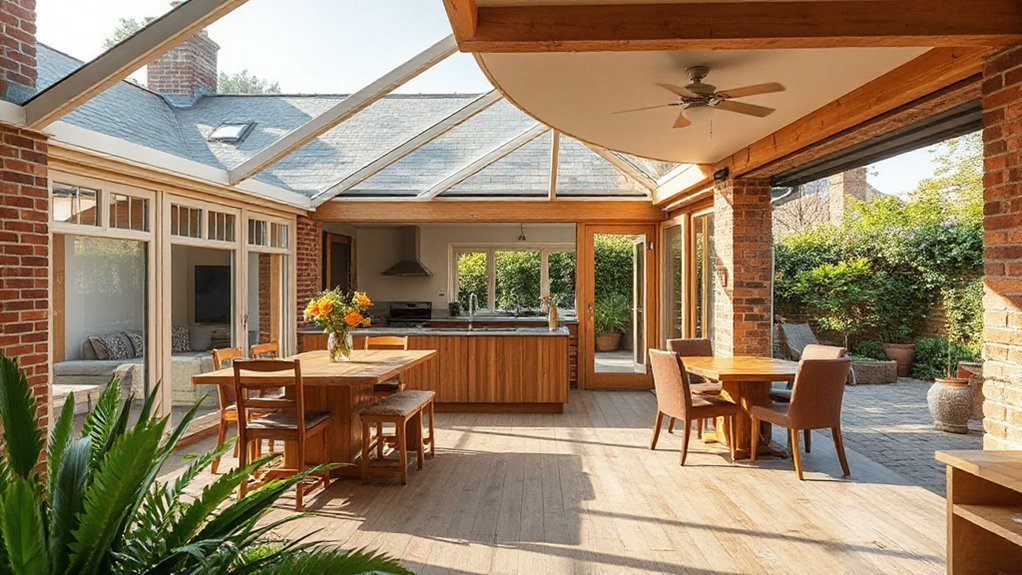
From a kitchen and bathroom refresh that boosts resale, you can extend value by adding durable extensions and smartly tweaking layouts for longevity. You’ll prioritize structural resilience with timber framing where boundaries matter, ensuring both load transfer and modular adaptability.
Design the footprint to maximize daylight and airflow, reducing long-term energy strain while preserving ceiling height and sightlines. Consider roof reinforcement as a baseline, coordinating with scaffoldable, low-deflection systems to minimize future maintenance.
Align column spacing, beam sizing, and wall locations to support flexible use without costly rework. Install continuous shelves and service ducts within protected zones to future-proof updates.
Detail connections for thermal breaks, airtight envelopes, and weatherproof detailing. This approach yields lasting utility, predictable maintenance, and enduring resale value.
Practical Steps: Permits, Budgets, and Material Choices for Longevity
You’ll start by nailing permits and compliance early, so approvals don’t stall your project or cost more than planned.
Next, set a tight but realistic budget that accounts for material variance, labor rates, and contingencies.
Then, choose durable, UK-suitable materials aligned with longevity goals.
Finally, build a procurement plan that prioritises quality, supply timelines, and lifecycle costs to keep the project on track and profitable over time.
Permits and Compliance
Begin with a knock-list of required approvals, then map each permit to a realistic timeline, dependencies, and inspection milestones. Prioritize utility and structural changes that trigger reviews, and document safety measures to avoid rework.
Engage a qualified professional to interpret local nuances, reducing ambiguity and guarding design intent. Budget for permit fees and potential delays, and keep a running log of submissions, responses, and amendments.
Maintain compliance through disciplined record-keeping, minimizing lifecycle risk and preserving project longevity.
Budgeting and Materials
A solid budget and material strategy begins with aligning permitting realities to cost realities, so you don’t backfill scope later. You’ll establish a per-item cost baseline, then stress-test against contingencies to prevent overruns. Budget planning hinges on clearly defined phases, predictable procurement, and synchronized trades to reduce delay penalties.
Material sourcing should prioritise durability, compatibility, and lifecycle cost, selecting proven products with available UK supply and service support. Track unit costs, delivery windows, and waste as a single metric, so decisions stay objective under pressure.
Maintain a documented change process to avoid scope creep. Balance upfront investment with long-term resilience, ensuring finishes and systems withstand time with minimal remediation.
- Permitting-aligned budgets and contingencies
- Lifecycle-focused material sourcing
- Change-control for sustained value
Fixes That Protect Value: Smart Property Fundamentals for UK Homes
Smart property fundamentals in the UK hinge on proactive maintenance, robust systems, and prudent resilience planning; by prioritizing these fixes, you protect value before problems escalate. You’ll implement preventative checks, reliable utilities, and durable fixtures that withstand weather and wear.
Targeted upgrades reduce long-term risk and insurance frictions, while documented maintenance creates transparency for buyers and lenders. Emphasize system redundancy where feasible: electrical circuits, heating, and plumbing with modern safeguards.
Schedule regular inspections and keep a detailed log to guide market analysis and future investments. Consider property staging implications for perceived value, ensuring lived-in reliability that translates to price stability.
Integrate cost-effective repairs with longer-term capital planning to sustain performance, curb maintenance shocks, and preserve market competitiveness.
Frequently Asked Questions
How Do Local Planning Rules Affect Renovation Value in Different UK Regions?
Yes, local planning rules affect renovation value by varying approvals across regions; you’ll encounter historic restrictions and zoning variations, influencing scope, cost, and timing, so you adjust design strategies accordingly for each area’s constraints and benefits.
Which ROI Metrics Are Most Reliable for UK Property Renovations?
You should prioritize cap rate stability and cash-on-cash return for UK renovations; ROI metrics like NPV and IRR are useful, but beware market fluctuations. Historical trends show variability, so stress-test assumptions against plausible scenarios for reliable insights.
Do Green Certifications Boost Resale Value More Than Upfront Costs?
Yes, green certifications boost resale value more than upfront costs, because Eco friendly upgrades and Renewable energy offer higher appeal and measurable savings, while you quantify ROI through energy performance and lifecycle cost analyses, aligning design intuition with practical realism.
How Long Before a Renovation Adds Tangible Market Value Uplift?
Today, you’ll see value accrue within months to a year, juxtaposing rapid modernization with patient historic preservation. You combine modernization techniques and preservation insight, delivering tangible uplift as design precision and market timing converge in practical, measurable gains.
Which Soft Factors (Curb Appeal, Accessibility) Most Influence Value?
You’ll find exterior aesthetics and accessibility improvements most influence value, especially when combined. You enhance market appeal by optimizing curb appeal, entry clarity, and navigation flow, delivering practical, design-driven improvements with measurable, durable outcomes for buyers and tenants alike.
Conclusion
In conclusion, you should prioritize ROI-driven, durable updates that withstand UK climates and market shifts. Focus on energy efficiency, quality finishes, and flexible layouts that attract broad buyers. A striking stat: energy upgrades can add up to 10–15% to perceived value and cut running costs, enhancing long-term desirability. Plan with clear permits, budgets, and material specs, then design for adaptability and longevity. This blends technical rigor with practical, market-smart intuition.
About the Author