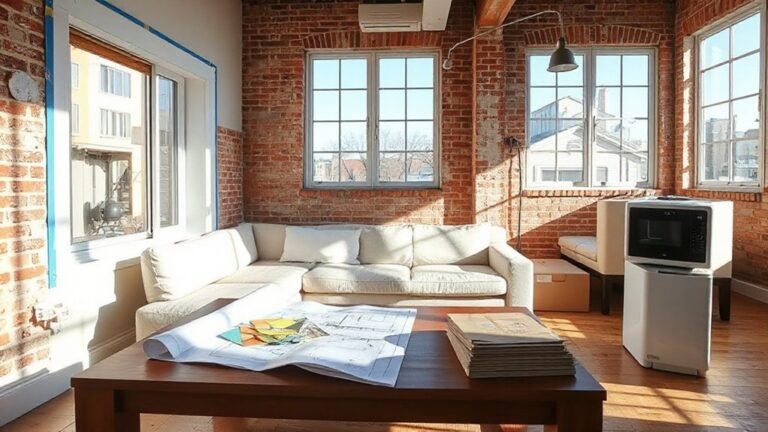
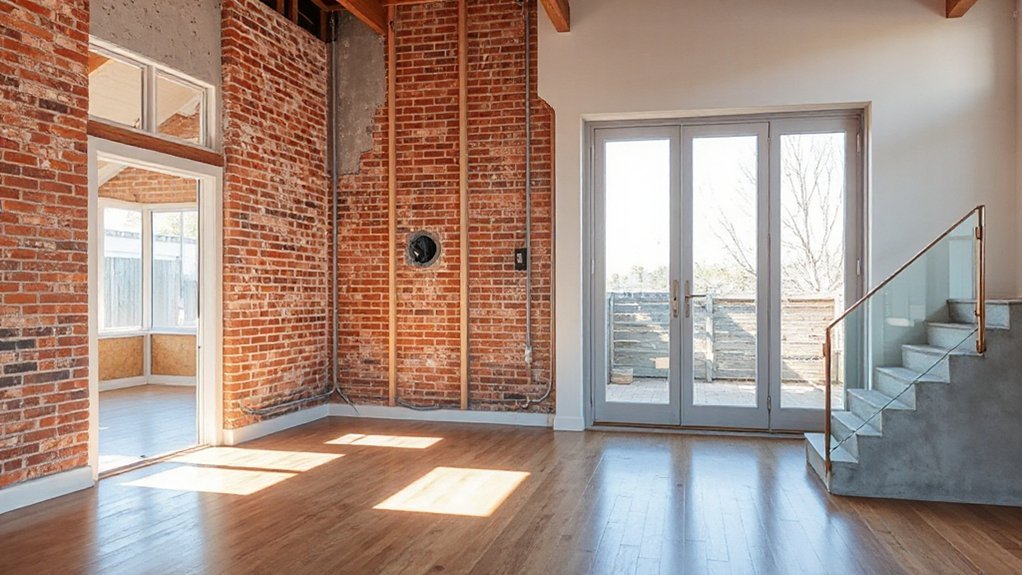
You spot a surprising parallel: a kitchen gut and a neighborhood trend both test how much value you actually gain. When you compare renovation to extension, you weigh cost, scope, and timing against your long-term goals and local market quirks. A tight budget favors focused updates; a larger footprint can pay off where buyers prize space. But the right move isn’t universal—you’ll want the data, the timelines, and the plan to decide what really adds value. Keep this framework in mind as you proceed.
Key Takeaways
- Renovations often cost less upfront and leverage existing structure, delivering quicker value with lower initial risk compared to extensions needing foundation and utility work.
- Extensions can add significant footprint and usable space, boosting resale value in markets prioritizing square footage and functional rooms.
- Value gained depends on design quality: open layouts, natural light, efficient systems, and timeless finishes either option can maximize.
- Heritage constraints and local market trends may enhance value in renovations by preserving character, or in extensions by improving flow in dense areas.
- Long-term savings from energy efficiency and sustainable materials can boost value for both renovations and extensions, with alignment to buyer priorities.
Renovation vs. Extension: Which Delivers Better Value?
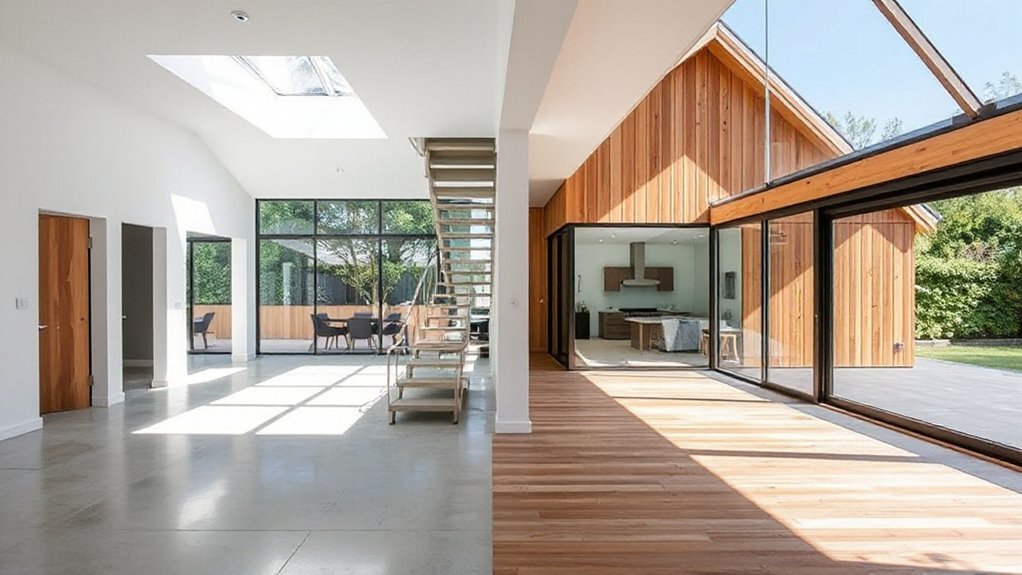
When deciding between renovation and extension, you should evaluate value over time, upfront costs, disruption, and long-term usability. You’ll quantify initial spend against projected lifespan, energy efficiency, and maintenance needs to compare total cost of ownership.
Renovation often delivers higher interior continuity with lower permitting hurdles, while extension increases footprint and resale leverage if land limits are generous.
Look at savings from eco-friendly materials, reduced wasted space, and improved thermal performance; these factors directly affect operating costs and comfort.
Historical preservation can preserve cultural value and may restrict alterations, potentially boosting market perception without major overhauls.
Data-driven decisions rely on cost per usable square foot, time to occupancy, and disruption metrics.
Choose the option aligning with long-term usability, minimal disruption, and measurable value growth.
How ROI Varies by Room: Kitchen, Bath, Living Areas
Kitchen ROI varies with layout efficiency and appliance updates, while bath value shifts with fixture quality and water use. You’ll see different payback timelines depending on scope.
Living areas impact perception and space utilization, so consider how open layouts and lighting drive buyer appeal.
Start by mapping cost per room against expected resale uplift to spot where ROI clearly outpaces or falls behind your overall project goals.
Kitchen ROI Variability
A kitchen often delivers more predictable ROI than other spaces, but the degree of return varies by size, scope, and market signals. You’ll see higher ROI when updates focus on durable, timeless design, efficient layouts, and modern systems that cut operating costs.
Smaller, well-planned kitchens tend to outperform sprawling overhauls because buyers prioritize function over scope creep. Material choices matter: eco-friendly materials can boost appeal in markets with sustainability emphasis, while regrettable trends fade faster and drag ROI down.
Historical preservation can enhance value in historic districts, but it requires careful compatibility with existing architecture and code adherence. Track data on project costs versus resale price in your target market, and calibrate scope to avoid overcapitalization.
Use measured, data-informed decisions to optimize ROI without overbuilding.
Bath Area Value Shifts
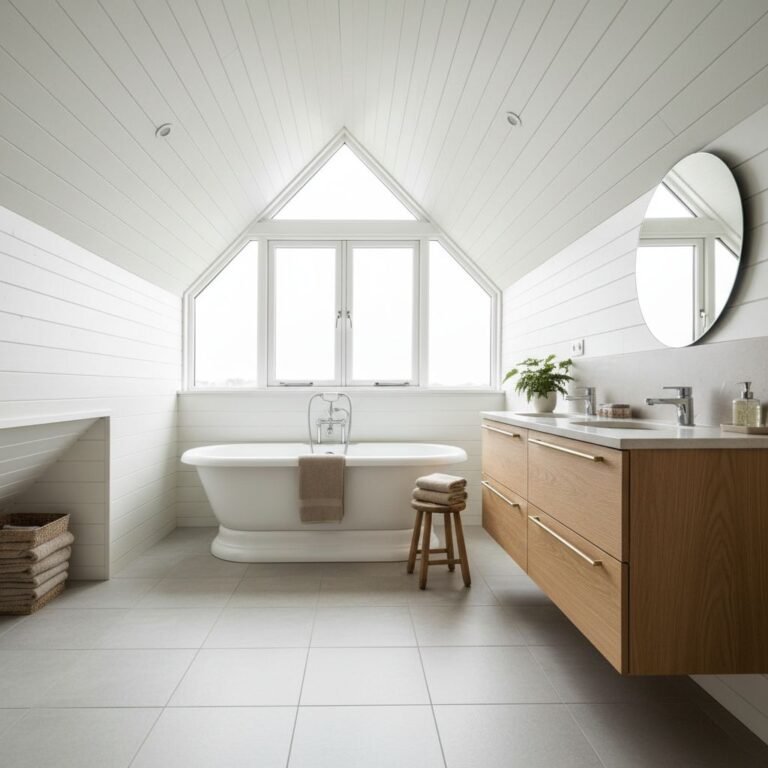
Bathroom ROI often shifts differently than kitchens, with buyers prioritizing durability, water efficiency, and low operating costs. In this bath-focused assessment, you’ll see that high-value moves center on long‑lasting fixtures, efficient plumbing, and materials that resist moisture.
Data shows that bathroom upgrades typically yield stronger per-dollar ROI in mild renovation cycles, especially when you avoid over-customization. Prioritize low-flow toilets, efficient showerheads, and durable countertops to reduce ongoing costs and appeal to trend-sensitive buyers.
Spa installation, when executed with quality finishes and proper ventilation, can boost perceived luxury without dramatic budget inflation, though its return varies by home price tier and neighborhood norms.
Track project costs against upgrade categories, and err on proven, low-maintenance selections for predictable value retention.
Living Space Impact Differences
What drives ROI across rooms isn’t a guess—it hinges on how people use the space and what buyers value during a home tour.
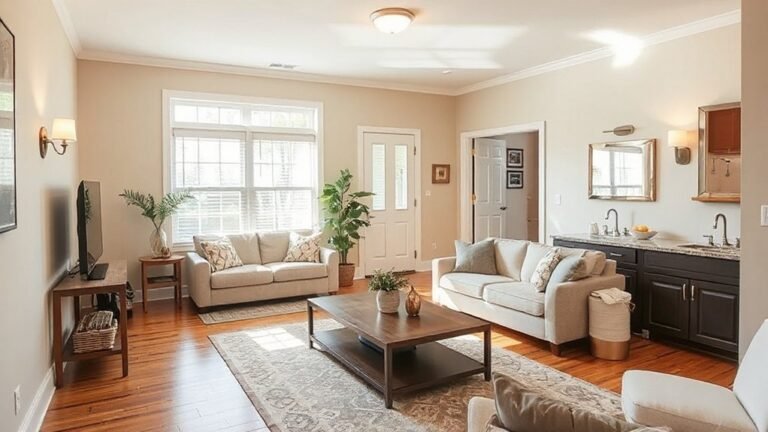
In living areas, you’ll boost value by prioritizing flow, natural light, and durable finishes that withstand daily activity. Data show open layouts correlate with higher perceived space and quicker sales, yet you should balance openness with clear functionality zones.
Consider tailored improvements: durable flooring, enhanced storage, and updated lighting that flatters furniture layouts.
Landscape design around passages from indoors to outdoors can extend usable space and appeal.
Structural engineering should validate load paths when removing walls or enlarging openings, avoiding costly rework later.
Align finish quality with adjacent rooms to prevent value gaps, and document upgrades for buyers’ confidence.
Is Renovation Cheaper Than an Extension?
You’ll see that renovation costs hinge on scope, materials, and existing conditions, often yielding lower upfront expenses than a full extension. But they can have variable long-term impacts.
When comparing budgets, consider renovation cost benchmarks, potential hidden fixes, and whether structural work or plumbing/easements affect total spend.
This section weighs renovation cost comparisons against extension budget implications to help you decide where your money goes farther.
Renovation Cost Comparisons
Renovation costs can be cheaper upfront, but the total spend depends on scope, materials, and timelines. You’ll compare unit costs, labor rates, and contingency budgets to estimate true project value.
Typical renovation perimeters show lower permitting hurdles and faster schedules than full extensions. Yet costs spike with structural changes or high-end finishes.
Historical preservation adds specificity: using authentic materials and expert trades raises both price and timeline, but can preserve value and compliance.
Sustainability practices skew expenses toward upfront investments—energy-efficient HVAC, better insulation, and durable, low-emission products often pay back via utility savings and resale appeal.
Careful specification reduces change orders and accelerates completion.
Extension Budget Implications
Extension budgets hinge on scope precision and timing, with cost drivers like foundation work, permitting, and trades influencing the total more than per-square-foot rates alone. You’ll notice that extensions often require structural updates, utility rerouting, and code updates, which can surprise you if you rely on rough area estimates.
Groundwork and foundation complexity drive early costs, while permitting and inspection cycles shape cash flow and project cadence. Scheduling clashes with trades can inflate durations and overhead, so you’ll benefit from tight sequencing and contingency planning.
Consider long-term value by weighing sustainable materials against upfront spend, and evaluate historical preservation constraints that may limit design options yet add heritage value. If you focus on scope clarity and phased milestones, renovation comparisons become a clearer budget benchmark.
Design Levers That Boost Resale Value
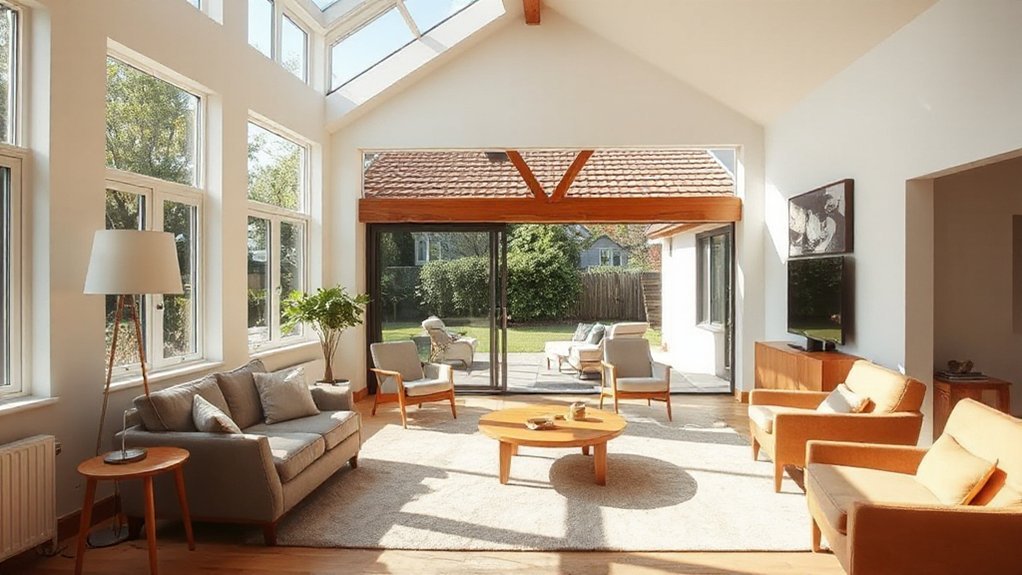
When planning for resale, focus on a few high-impact design levers that buyers consistently seek and that deliver measurable value. You’ll prioritize layouts that optimize natural light, flow, and adaptable spaces, since open-plan living remains a top selling point in most markets.
Durable finishes matter: Sustainable materials reduce lifecycle costs and appeal to eco-conscious buyers, boosting perceived quality without premium pricing.
Integrate smart technology that enhances comfort and security—think programmable lighting, automated climate control, and integrated charging hubs—without overcomplicating maintenance.
Kitchen and bathroom updates should emphasize timeless fixtures, efficient storage, and low-maintenance surfaces to minimize future upkeep.
Finally, emphasize energy efficiency through better insulation, sealing, and efficient appliances, which attract buyers seeking long-term operating savings alongside style.
Cost Factors Driving the Price Gap
- Material price volatility and sourcing reliability influence both options, but renovations lean on existing structures and can reduce waste.
- Labor market conditions affect timelines and daily rates, making extensions more sensitive to trades escalation in high-demand areas.
- Scope clarity, including structural changes, determines permitting, inspection, and engineering needs for renovations versus extensions.
- Historical renovation requires careful restoration strategies that add cost but can open value through authenticity.
- Eco friendly extensions often incur higher upfront costs offset by long-term energy savings and qualifying incentives.
Consider these drivers when judging total cost and value.
Timeline Realities: How Long Each Option Takes
Renovation and extension projects each follow distinct timelines, shaped by how scope, complexity, and approvals unfold after you’ve mapped out the factors from cost considerations.
You’ll experience shorter durations with straightforward renovations that reuse existing structures, while extensions depend on design reviews, permit windows, and utility rerouting.
Expect planning to creep into weeks and, for complex builds, into months before a single hammer swing.
Scheduling hinges on material lead times, contractor coordination, and potential site constraints.
Historical preservation adds variables—heritage approvals can pause progress, and sensitive work may require specialized trades.
Eco friendly materials influence timing too, since sourcing and on-site handling may introduce delays.
In both paths, streamlined communication, defined milestones, and proactive procurement mitigate risk, keeping projects on track despite inevitable contingencies.
Financing and Budgeting Tactics That Matter
When you budget for renovation, you’ll start with a clear baseline of current conditions and a realistic contingency to cover common cost escalations.
For extensions, explore financing options early—home equity lines, construction loans, and potential grants or incentives—so you filter choices that fit your timeline and tax position.
Ground your discussion in data: compare unit costs, timeline-linked cash needs, and lender requirements to determine which approach keeps you on track without surprises.
Budgeting For Renovation
How you finance and track costs can make or break a renovation, so start by setting a realistic budget that covers both expected expenses and a contingency buffer. You’ll improve accuracy by itemizing costs, estimating from recent project data, and revising as plans evolve.
Prioritize material selection and contractor reputation to avoid overruns, and benchmark quotes against market rates. Use a centralized dashboard to monitor progress, change orders, and payment milestones, so your totals stay aligned with reality.
Build in a contingency of 10–15% for unknowns, and document all assumptions for accountability. Track waste, delivery delays, and permit fees separately to identify leverage points for savings.
- Define scope with clear specs
- Compare multiple quotes
- Schedule and milestone tracking
- Contingency and risk notes
- Documentation and approvals
Financing Options For Extensions
Securing the right financing for an extension starts with a clear plan: match loan terms to project timelines, expected draw milestones, and your repayment capacity. You’ll compare loan options by total cost, interest type, upfront fees, and flexibility to pause draws if schedules slip.
Track how much you need for permits, contractor payments, and contingency, then align borrowing to those milestones to avoid cash gaps. Consider equity financing when you want to minimize interest and preserve cash flow, especially if you have appreciable home equity or favorable market conditions.
Evaluate potential lenders on transparency, underwriting speed, and post-closing support. Build a simple, conservative budget with a 10–15% contingency, and document all assumptions to guide decisions as your project progresses.
Planning Pitfalls to Avoid
Planning pitfall avoidance starts with a clear scope and a realistic budget. You’ll map outcomes, timelines, and dependencies to prevent scope creep and costly delays.
Ground decisions in data: quantify expected gains, costs, and risk, then test sensitivities. Prioritize critical path tasks and secure permits early to avoid stoppages.
Consider sustainability: eco friendly materials can reduce long-term costs and improve energy performance, but verify availability and lifecycle data.
When planning, honor historical preservation constraints if applicable; document original features and integrate respectful updates.
Align contractors, suppliers, and inspections with transparent milestones to maintain accountability.
Regularly review assumptions against actual progress, adjusting as needed to stay on track.
- Define scope with measurable deliverables
- Allocate a realistic contingency and schedule buffers
- Validate permits and approvals upfront
- Source eco friendly materials with lifecycle data
- Preserve historical features when relevant
Resale Trends: What Buyers Really Want
Resale today hinges on clear, data-backed priorities that buyers actually act on. You’ll notice buyers increasingly prize momentum in value-per-square-foot, with clean layouts and efficient systems topping the list.
In surveys and recent sales data, kitchens and primary baths drive final offers, while floor plans that reduce wasted space clamp down time-on-market. You should expect modern essentials—smart thermostats, high-efficiency HVAC, and durable surfaces—to pay off when appraisal gaps appear.
Luxury upgrades can boost perceived value, but returns vary by price tier and neighborhood, so pair them with strong fundamentals rather than relying on flash.
Sustainability practices, like water-saving fixtures and better insulation, attract energy-aware buyers and shorten negotiation windows.
Focus on verifiable quality, reliable warranties, and obvious maintenance readiness to maximize resale appeal.
How Local Markets Change the Equation
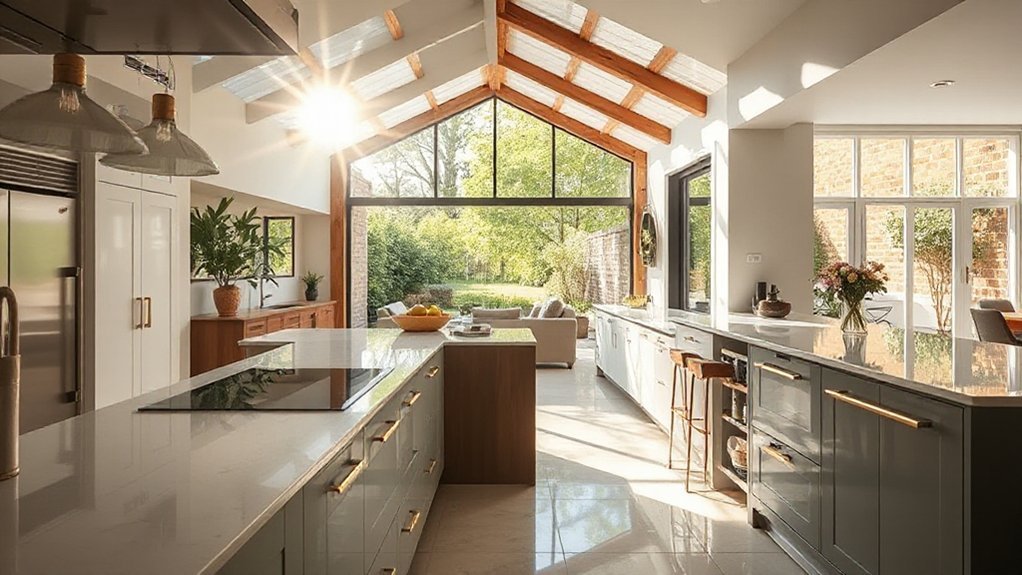
Local market conditions set the pace and shape the math you’re using to evaluate renovations and extensions. You’ll see price signals, inventory cycles, and time-on-market sway cost-benefit math.
Local demand for character, layout, and efficiency shifts with buyer priorities, so you adjust estimates accordingly.
Historical preservation can raise premiums in heritage zones, while dense streetscapes may dampen add-on value unless you improve flow and energy use.
Eco-friendly materials often cost more upfront but attract higher interest in green-minded markets and can reduce operating expenses over time.
Carefully compare local cap rates, weekend activity, and rental yields to renovation versus extension scenarios.
- Character/value alignment in heritage districts
- Buyer willingness to pay for energy efficiency
- Material costs vs. long-term savings
- Zoning and setback implications
- Green features that attract and retain buyers
Practical Planning Checklist: From Idea to Buyout Ready
You’ve compared local market signals and the math behind renovations versus extensions; now it’s time to turn that insight into a concrete plan you can act on. Start with a defined scope: list must-haves, nice-to-haves, and budget caps, then map these to a timeline with milestones.
Verify zoning, permits, and required approvals early to avoid delays. Anchor decisions in data: square-foot costs, expected ROI, and breakeven timelines for each design.
Create a simple decision matrix comparing interior lighting improvements, garden landscaping, and structural changes by impact and risk.
Build a cost plan that includes contingencies and soft costs like design fees. Establish a procurement schedule, vendor due diligence, and a communication cadence with your contractor.
Track progress weekly; adjust only with updated cost or timing data. Maintain documentation for buyout readiness and lender requirements.
Final Decision Guide: When to Renovate vs Extend
If you’re weighing renovation versus extension, start with a grounded, data-driven decision framework that translates your goals into measurable criteria. You’ll compare cost-per-square-foot, permit timelines, disruption level, and resale impact to decide which path fits your budget and lifestyle.
Use historical renovations as benchmarks to gauge complexity, required permits, and potential hidden costs, then map these insights to your project scope. Consider long-term use, maintenance, and energy efficiency to forecast value.
Prioritize scope that minimizes risk while maximizing function and flow.
- Evaluate cost certainty: permits, materials, labour, and contingency
- Assess disruption tolerance: timelines, safety, and living arrangements
- Compare ROI drivers: layout, light, and accessibility
- Review historical renovations for risk and heritage constraints
- Align DIY tips with required trades for quality outcomes
Frequently Asked Questions
How Does Energy Efficiency Impact Renovation Vs Extension Value?
Energy efficiency boosts both renovation and extension value, but you’ll see bigger ROI from upgrades that cut operating costs long term.
Energy savings win buyers who prioritize bills and comfort, while insulation improvements reduce external noise and climate swings.
In renovations, target airtightness, efficient HVAC, and LED lighting; in extensions, seal seams, install high‑R insulation, and consider solar-ready roof space.
Data shows lower energy bills correlate with higher perceived value, speeding resale.
Do Extensions Legally Require Planning Permission in My Area?
Yes, extensions often need planning permission in many areas. Building regulations and permit requirements can vary, so you should check your local planning authority and building control office first.
You’ll want to confirm whether your project triggers planning consent, permitted development rights, or exemptions. If you proceed, expect documented compliance with fire, ventilation, and structural standards.
Gather drawings, timelines, and costs; missing approvals can derail your plan and add time and expense.
Which Upgrade Yields the Highest Resale Premium?
You’ll maximize resale premium with interior upgrades paired to solid structural improvements. Prioritize kitchen and bath remodels, fresh finishes, and improved storage.
Then reinforce the home’s frame, foundation, and insulation. Data shows premium lifts rise when interior upgrades are paired with structural improvements that boost energy efficiency and safety.
Plan airtight layouts, upgraded electrical, plumbing, and roofing where needed. You’ll see the biggest value bump by combining thoughtful interiors with durable, code-compliant structural improvements.
How Do Local Taxes Affect Project Value Impact?
Rising taxes nip value, but smart planning mitigates the hit. You’ll see how property zoning changes shape project value, and you should pursue tax incentives where eligible.
Local taxes affect resale impact through assessment rules, transfer costs, and ongoing annual bills. To maximize return, model tax scenarios, align with zoning allowances, and snag applicable incentives.
Use conservative estimates, document exemptions, and quantify after-tax value. You’ll make informed decisions that balance cost, timing, and long-term gains.
Can Phased Renovations Maximize Overall Return?
Yes, phased renovations can maximize your overall return by aligning spending with realized value. Start with cost effective strategies that prioritize high-ROI upgrades first, then budget for secondary improvements as cash flows allow.
Develop clear renovation timelines, with milestones tied to market cues and occupancy needs. You’ll reduce carrying costs and spread risk, while tracking progress against budgets.
This disciplined approach helps you adapt to contingencies and optimize net gains over the project life.
Conclusion
When you’re deciding, use data as your compass: renovations typically deliver a higher return on investment per dollar for updating daily-use spaces, while extensions can dramatically boost overall footprint in markets that prize space. A telling stat: kitchen remodels yield ROI around 60–80% on average, but a well-planned extension can push overall resale value 5–15% higher in space‑hungry markets. Balance your budget, timeline, and local demand to pick the move that maximizes long‑term value.
About the Author